
Half Of Your Virginia Beach House Lost Power? Here’s What to Check First
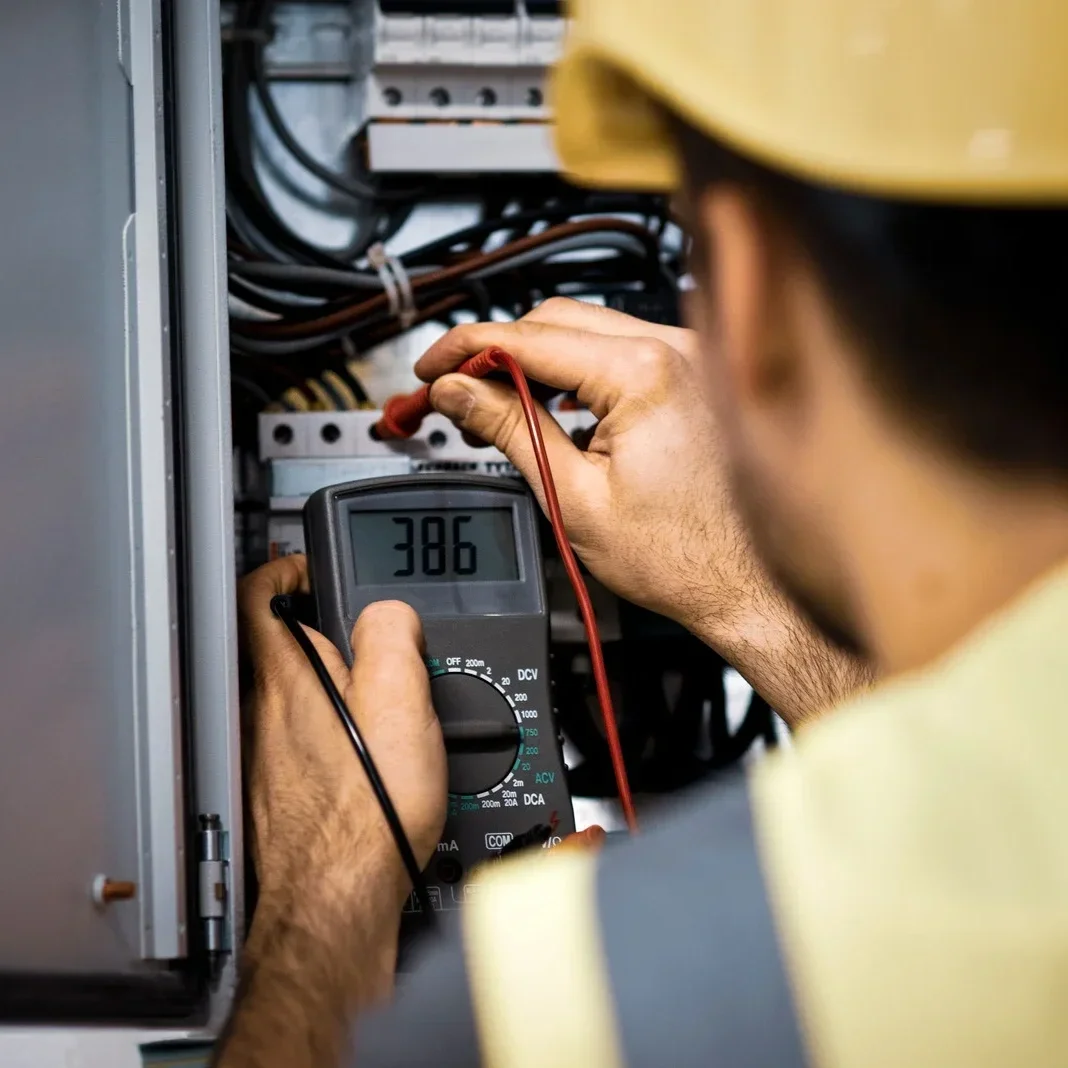
If half your house loses power, check your electrical panel for tripped breakers and reset GFCI outlets before calling professionals.
How Electrical Systems Split Power Throughout A Home
Residential electrical systems divide power across multiple circuits to distribute load safely and efficiently. Inside the main electrical panel, incoming power splits into two separate legs that feed different breakers. Each leg supplies roughly half the circuits in the home. In Virginia Beach, Virginia, homes of all ages rely on this same fundamental design, regardless of size or layout. When everything works properly, both sides carry power evenly, and homeowners never notice the division.
Problems appear when one side of that system stops delivering electricity. Losing power to half the house usually does not mean the entire system failed. Instead, one leg has been interrupted somewhere between the utility connection and the branch circuits it supplies. Lights, outlets, and appliances connected to the affected side go dark, while the rest of the house functions normally. That partial outage often feels confusing because it does not follow room boundaries. Kitchens may lose outlets while living room lights remain on, or upstairs bedrooms may go dark while downstairs spaces stay powered.
Tripped Main Breaker Versus Individual Breakers
The first distinction to understand involves the difference between the main breaker and individual circuit breakers. The main breaker controls power flowing into the entire panel. When it trips fully, the entire house loses power. Partial outages usually occur when the main breaker fails internally, or one pole stops conducting electricity while the handle remains in the on position. In Virginia Beach, homes with older panels, internal wear, and corrosion make this scenario more common than many homeowners expect.
Individual breakers control specific circuits. A single tripped breaker typically affects one room or a defined group of outlets. When half the house loses power, homeowners often find that all individual breakers appear set correctly. That observation points away from branch circuit issues and toward a problem with how power enters or is distributed within the panel. Understanding that distinction helps narrow troubleshooting quickly without chasing unrelated outlet or appliance issues throughout the home.
Utility Side Issues And Service Drop Problems
Sometimes the issue originates outside the home entirely. Utility power enters the house through overhead lines or underground service cables. Each leg of power comes from the utility transformer feeding the property. In Virginia Beach, Virginia, coastal storms, salt air, and wind frequently stress utility connections. A damaged service line or transformer tap can interrupt one leg of power while leaving the other intact.
Utility-related partial outages often affect multiple homes in the same area, though not always simultaneously. Homeowners may notice neighbors experiencing flickering lights or appliance issues, even if complete outages have not occurred. Power company issues usually produce a sudden loss of half the house without warning. Internal home issues more often show gradual symptoms beforehand. Distinguishing between utility and internal causes influences whether homeowners should focus on panel inspection or contact the power provider first.
Loose Connections Inside The Electrical Panel
Inside the electrical panel, power flows through tightly secured lugs and bus bars before reaching individual breakers. Those connections must remain firm to carry current safely. Over time, thermal cycling causes metal to expand and contract repeatedly. In Virginia Beach homes, humidity and salt exposure accelerate corrosion at these connection points. Corrosion increases resistance, and resistance generates heat that loosens connections further.
A loose connection on one side of the panel interrupts power to half the circuits without tripping breakers. The panel may look normal, but the affected leg no longer delivers electricity consistently. Homeowners might notice intermittent power loss, lights dimming before failure, or appliances behaving oddly before half the house goes dark. Loose panel connections represent one of the most common internal causes of partial outages and often require professional attention due to the risks involved in working inside energized equipment.
Failed Main Breaker Poles and Age-Related Wear
Main breakers contain two internal switching mechanisms, one for each leg of incoming power. With age, internal components wear unevenly. Springs weaken, contact surfaces degrade, and corrosion develops inside the breaker housing. In Virginia Beach, panels located in garages or utility rooms experience higher humidity, which accelerates internal deterioration. One pole may stop conducting electricity even though the breaker handle remains in the on position.
This type of failure creates a deceptive situation. Homeowners assume the breaker functions because it does not appear tripped. Resetting it may not restore power to the affected side. Over time, repeated load cycling worsens the condition until power loss becomes permanent. Failed main breaker poles often produce subtle symptoms before total failure, including flickering lights or appliances that stop working intermittently. Recognizing these early signs helps prevent extended outages and secondary damage to sensitive electronics.
Neutral Conductor Issues And Imbalanced Power
The neutral conductor plays a critical role in balancing voltage across the two power legs. When the neutral connection loosens or degrades, voltage distribution becomes unstable. Some circuits may receive too little voltage while others receive too much. In Virginia Beach homes, neutral issues frequently stem from corrosion at service connections or panel lugs exposed to moisture over time.
Neutral problems can mimic half-power loss scenarios. Some outlets and lights stop working entirely, while others behave unpredictably. Appliances may hum, lights may flicker, and electronics may shut down unexpectedly. Unlike a clean leg failure, neutral issues often cause fluctuating symptoms rather than a clear division between powered and unpowered areas. Identifying neutral problems early matters because prolonged imbalance can damage appliances and create safety hazards throughout the home.
GFCI And AFCI Devices Affecting Multiple Circuits
Ground fault and arc fault protection devices sometimes control multiple downstream outlets. When these devices trip, they can remove power from areas that seem unrelated. In some Virginia Beach homes, bathrooms, garages, and exterior outlets share protection devices that feed multiple rooms. Homeowners may misinterpret the resulting outage as half the house losing power.
GFCI and AFCI trips usually occur due to moisture intrusion, appliance faults, or wiring issues. Resetting the device often restores power immediately. However, repeated trips indicate underlying problems that may worsen over time. While these devices do not typically remove power from exactly half the house, they can affect large portions depending on the wiring layout. Checking these devices early in troubleshooting prevents unnecessary panel work when the issue remains localized.
Environmental Stress And Coastal Influence On Electrical Systems
Virginia Beach’s coastal environment places unique stress on residential electrical infrastructure. Salt air accelerates corrosion, humidity promotes condensation inside panels, and storms introduce mechanical stress on service connections. These factors shorten the lifespan of breakers, lugs, and conductors compared to inland regions. Electrical components that might last decades elsewhere may degrade sooner near the coast.
Environmental stress often explains why half-power loss occurs seemingly without cause. Connections weaken quietly until one leg fails under normal load. Homeowners may not notice gradual changes until a partial outage occurs suddenly. Understanding environmental influence helps frame half-house power loss as a predictable outcome of long-term exposure rather than an isolated malfunction.
How Large Appliances Reveal Partial Power Loss
Large appliances often provide the clearest clues when half a home loses power. Equipment like electric ranges, dryers, water heaters, and HVAC systems frequently rely on both power legs to operate correctly. When one leg drops out, these appliances may stop working entirely or behave strangely. An electric dryer may run but not heat. A range may power lights and controls but fail to warm burners or the oven. In Virginia Beach, Virginia, homeowners often first notice half-power loss when a major appliance suddenly changes behavior rather than when the lights go out.
These symptoms occur because many large appliances use 240 volts, which requires both legs of power. Losing one leg reduces available voltage, leaving control circuits powered while heating or motor functions shut down. That mismatch often causes confusion because the appliance appears partially functional. Observing appliance behavior helps distinguish between a simple branch circuit issue and a broader system imbalance affecting half the panel. Appliances rarely cause half-house outages themselves, but they act as early indicators that one side of the electrical supply has failed.
Meter Base And Service Entrance Connections
Between the utility service and the main panel sits the meter base and service entrance equipment. These components handle incoming power before it reaches the breaker panel. In Virginia Beach homes, meter bases experience significant environmental exposure, especially when mounted outdoors. Moisture intrusion, salt residue, and temperature swings all affect connection integrity inside these enclosures.
Loose or corroded connections at the meter base can interrupt one leg of power while leaving the other intact. Because the problem sits upstream of the panel, resetting breakers has no effect. Homeowners may not consider the meter base as part of their electrical system, but faults here frequently cause half-house power loss. Utility companies typically address issues on their side of the meter, while homeowners remain responsible for the meter base itself in many jurisdictions. Identifying whether the interruption occurs before or after the meter helps determine the next step without unnecessary panel work.
Overhead Versus Underground Service Differences
The type of service feeding a home influences how partial outages develop. Overhead service lines remain exposed to wind, tree limbs, and storm debris. Underground service avoids some mechanical damage but introduces other risks related to moisture and soil movement. In Virginia Beach, both service types appear across neighborhoods depending on age and development style.
Overhead service issues often arise suddenly during storms when one conductor loosens or sustains damage. Underground service problems tend to develop gradually as moisture infiltrates the conduit or soil shifts, straining connections. In both cases, one leg of power may fail independently. Homeowners may notice recurring flicker or intermittent half-power loss before a complete outage occurs. Understanding service type helps frame expectations around how and why half-power loss might appear and whether weather events played a role.
Why Resetting Breakers Sometimes Makes Things Worse
Resetting breakers represents a natural first reaction when power goes out. In half-house power loss scenarios, repeated resets can introduce additional stress if the underlying issue involves loose connections or degraded components. Cycling breakers force current through compromised contact points repeatedly, generating heat that accelerates wear.
In Virginia Beach’s humid environment, that heat interacts with corrosion to weaken connections faster. Breakers may feel warm, panels may hum, or power may return briefly before dropping again. These symptoms indicate that the issue lies deeper than a simple trip. Recognizing when breaker resets fail to restore stable power helps homeowners avoid worsening internal damage while seeking appropriate evaluation.
Lighting Behavior As A Diagnostic Tool
Lighting changes provide valuable insight into partial outages. Lights that dim significantly when appliances turn on often indicate a voltage imbalance rather than total power loss. In half-house scenarios, some lights may appear brighter than normal while others remain dim or off entirely. These effects occur when one leg carries abnormal voltage due to neutral issues or partial disconnection.
In Virginia Beach homes, lighting anomalies sometimes precede complete half-power loss by weeks or months. Homeowners may notice bulbs burning out faster, lights flickering during appliance startup, or uneven brightness between rooms. These patterns point toward systemic imbalance rather than isolated fixture problems. Paying attention to lighting behavior offers an early warning before more disruptive outages occur.
FAQs
Homes receive power on two separate legs. Losing one leg due to a breaker, connection, or utility issue removes power from the circuits fed by that side while the other side continues operating.
Checking with neighbors helps determine if the issue affects multiple homes. If others experience similar problems, contacting the utility makes sense. If the issue appears isolated, internal wiring or panel components likely require evaluation.
Voltage imbalance stresses appliances, especially those designed for higher voltage. Continued operation under these conditions can shorten appliance lifespan and damage sensitive electronics.
Outlets connect to different circuits supplied by different power legs. When one leg fails, outlets on that side lose power while others remain active.
Partial outages signal abnormal electrical conditions that should not persist. While not always immediately dangerous, prompt attention reduces the risk of fire, shock, and appliance damage.