
Electrical Panel Humming in Your Virginia Beach Home? Here’s What to Know
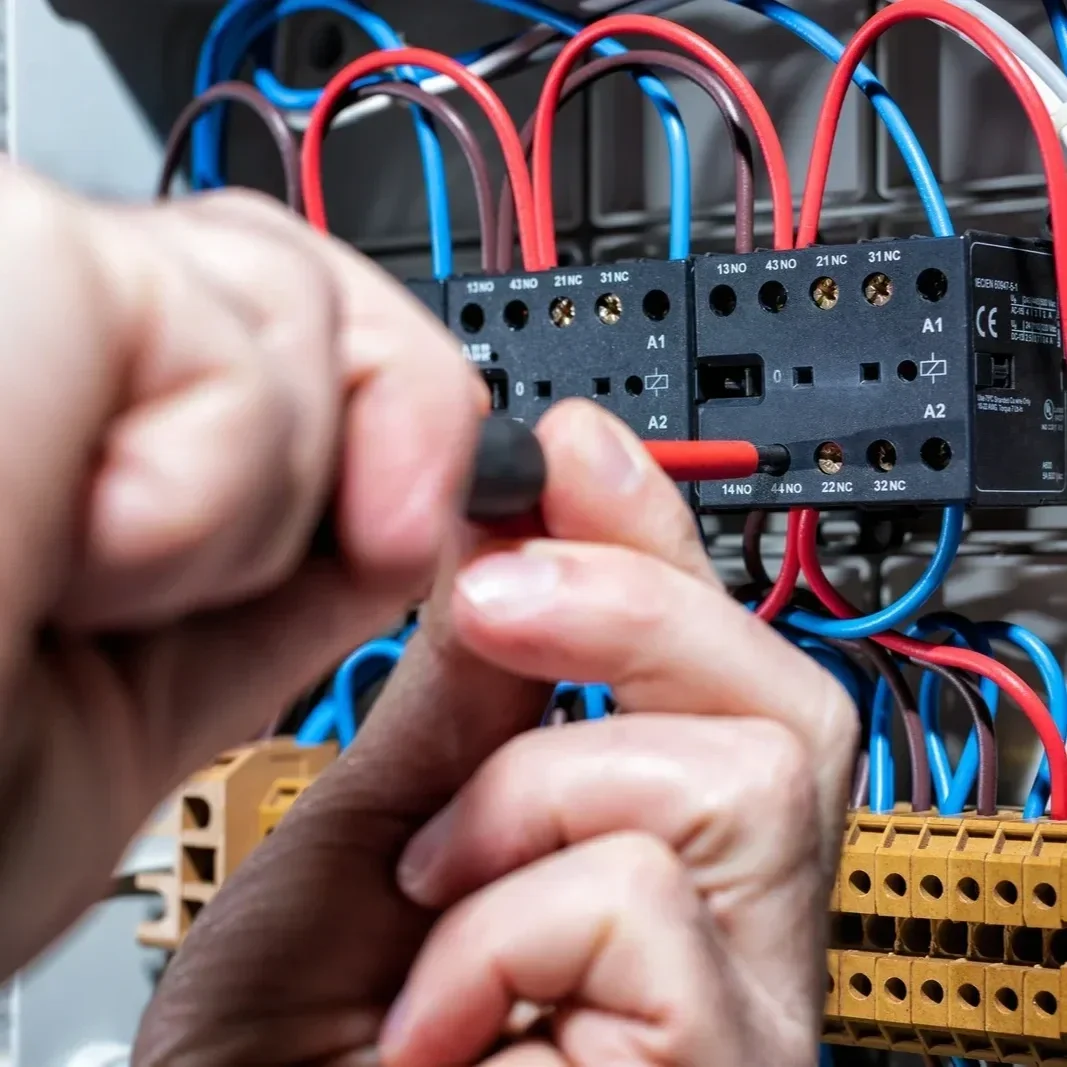
A humming electrical panel may indicate loose wiring or a faulty breaker, requiring a professional inspection to ensure home safety.
Why Electrical Panels Produce Audible Humming Sounds
Electrical panels are not silent by design, but they should never be loud or persistent enough to draw attention during everyday living. A low, steady hum often originates from electrical current moving through components that vibrate slightly under load. In Virginia Beach, Virginia, homeowners frequently notice panel noise during periods of high electrical demand, such as the summer cooling season or when multiple appliances operate simultaneously. Electrical current naturally creates electromagnetic forces, and when those forces interact with metal components like breakers, bus bars, or transformer elements, minor vibration can occur.
Problems develop when that vibration increases beyond normal tolerance. Loose connections, aging breakers, or corroded contact surfaces amplify movement and sound. Instead of current flowing smoothly across solid contact points, electricity encounters resistance that disrupts its path. Resistance generates heat, and heat changes the physical properties of metal components, allowing them to vibrate more freely. Over time, a faint hum may deepen into a buzzing or rattling sound. That shift often signals underlying degradation rather than harmless operational noise, especially in homes exposed to coastal environmental stress.
How Load Demand Influences Panel Noise
Electrical panels respond dynamically to changes in load. Every time a major appliance starts, current flow increases suddenly, placing stress on breakers and internal connections. In Virginia Beach homes, air conditioning systems place sustained demand on panels for extended periods during warm months. That prolonged load intensifies electromagnetic forces inside breakers and along bus bars. Panels that remain structurally sound handle those forces quietly, while compromised components react audibly.
Humming often becomes more noticeable when loads fluctuate rapidly. Motors cycling on and off, such as pool pumps or HVAC compressors, introduce repetitive stress. If connections inside the panel have loosened or corroded, those fluctuations cause movement at contact points. Movement produces vibration, and vibration produces sound. Homeowners sometimes notice a humming increase when certain appliances run, then diminish when loads reduce. That pattern provides an important clue that noise relates to electrical stress rather than external vibration or mechanical equipment nearby.
Loose Breakers And Their Impact On Panel Sound
Breakers rely on firm mechanical contact with the panel’s bus bars to function safely. Over time, repeated thermal cycling causes metal components to expand and contract. In coastal regions like Virginia Beach, Virginia, humidity and salt exposure accelerate corrosion at those contact points. Corrosion reduces surface smoothness, increasing resistance and weakening the grip between breaker and bus bar. Once contact pressure decreases, breakers can vibrate slightly under load.
That vibration often manifests as a humming or buzzing sound localized near the breaker itself. Heat generated at loose contacts worsens the problem by further degrading metal surfaces. Homeowners may notice warmth near specific breakers or detect a faint electrical odor accompanying the noise. Loose breakers rarely correct themselves. Continued operation under these conditions increases wear on both the breaker and the bus bar, raising the risk of overheating and more severe electrical issues if left unaddressed.
Bus Bar Condition And Vibration Transfer
Bus bars distribute power from the main service conductors to individual breakers. These solid metal bars must remain clean, rigid, and well supported to maintain stable current flow. In Virginia Beach homes, environmental exposure plays a significant role in bus bar condition. Moisture entering the panel through condensation or minor intrusion promotes oxidation. Oxidized surfaces increase resistance where breakers connect, altering how current transfers into branch circuits.
Resistance changes the electromagnetic forces acting on the bus bar during load fluctuations. Instead of remaining static, sections of the bar may vibrate subtly, transmitting sound through the panel enclosure. That vibration often sounds like a low hum that resonates through nearby walls. Over time, continued vibration loosens mounting hardware and exacerbates wear at contact points. Bus bar issues rarely produce dramatic symptoms early, but audible noise often provides one of the first indicators that internal degradation has begun.
Transformer Influence On Residential Panel Noise
Some homes incorporate components associated with low-voltage systems or specialty equipment that include small transformers near or within the panel area. Transformers naturally produce a hum due to magnetic flux interacting with their internal cores. Under normal conditions, that hum remains faint and unobtrusive. Changes in load or component condition, however, can amplify transformer noise significantly.
In Virginia Beach, fluctuating humidity and temperature affect transformer materials and mounting stability. Loose mounting hardware or aging insulation inside transformer windings increases vibration. When combined with higher electrical demand, transformer hum can become pronounced enough to raise concern. While transformer noise does not always indicate imminent failure, changes in sound character or volume often reflect stress conditions that deserve evaluation before damage progresses further.
Corrosion And Coastal Environmental Stress Inside Panels
Coastal air carries salt particles that settle on surfaces throughout the home, including inside electrical panels. Even panels located indoors accumulate salt residue over time as air circulates through garages, utility rooms, and wall cavities. Salt accelerates corrosion on metal components, altering their physical properties. Corroded metals lose rigidity and develop uneven surfaces that interfere with stable electrical contact.
Corrosion contributes directly to humming by increasing resistance and reducing mechanical stability. As current passes through compromised connections, localized heating occurs, changing metal flexibility. Vibrations increase, and sound becomes more noticeable. In Virginia Beach, Virginia, homeowners may experience humming that worsens during humid weather or after storms, reflecting environmental influence rather than changes in electrical usage alone. Ignoring corrosion allows gradual degradation to continue, increasing the likelihood of overheating and component failure.
Panel Location And Sound Amplification
Where a panel sits within the home influences how noticeable the humming becomes. Panels mounted on shared walls, near living spaces, or inside closets transmit vibration more readily into occupied areas. Garages and utility rooms often amplify sound due to enclosed spaces and reflective surfaces. In Virginia Beach homes, panels located in garages experience greater humidity swings, compounding environmental stress while also acting as sound chambers.
Sound amplification does not cause electrical issues, but it makes existing problems more apparent. Homeowners may hear humming more clearly at night when ambient noise drops. That timing often leads to concern, even though conditions existed earlier in the day. Increased awareness provides an opportunity to address issues before they escalate, especially when sound intensity changes or becomes more persistent over time.
Thermal Cycling and Long-Term Vibration Effects
Thermal cycling plays a central role in how humming develops and worsens. Each time the electrical load increases, the components heat slightly. When the load decreases, the components cool. Repeated heating and cooling cycles cause metal fatigue over the years of operation. Fasteners loosen, contact pressure drops, and vibration increases. In coastal climates like Virginia Beach, thermal cycling interacts with corrosion to accelerate fatigue beyond what inland homes typically experience.
Long-term vibration stresses panel components mechanically as well as electrically. Screws back out incrementally, breaker clips lose tension, and bus bar supports weaken. Humming often intensifies gradually rather than appearing suddenly. Homeowners may adjust to increasing noise without realizing it reflects ongoing deterioration. Recognizing thermal cycling as a cumulative process helps explain why humming signals more than an annoyance. It often marks the intersection of electrical load, environmental stress, and mechanical wear occurring simultaneously within the panel.
Breaker Age And Internal Wear Patterns
Breakers contain internal components that move and flex every time current flows through them. Springs, contact arms, and conductive surfaces work together to open and close circuits reliably under varying loads. Over years of operation, those internal parts experience mechanical fatigue that changes how the breaker behaves. In Virginia Beach, Virginia, environmental exposure accelerates that wear by introducing humidity and corrosion into breaker housings, even when panels appear sealed from the outside. As internal components lose tension or develop roughened contact surfaces, vibration increases under load.
That internal vibration often translates into audible humming that originates from a specific breaker rather than the panel as a whole. Homeowners sometimes mistake that sound for external vibration or nearby equipment, but it usually intensifies when the affected circuit carries current. Internal wear also increases resistance, which raises operating temperature and further weakens components. Over time, a breaker that hums under load may struggle to regulate current accurately, creating conditions where noise, heat, and electrical stress reinforce one another rather than stabilizing.
Main Breaker And Service Conductor Stress
The main breaker and incoming service conductors handle the highest current levels in the home, making them particularly sensitive to stress-related noise. When load demand increases across the entire house, electromagnetic forces concentrate at the main breaker contacts. In Virginia Beach homes with high seasonal cooling loads, that stress persists for long periods rather than brief peaks. Any degradation at the main breaker connection point magnifies vibration and sound.
Service conductors entering the panel rely on tight lugs to maintain stable current flow. Corrosion or loosening at those lugs alters resistance and contact pressure. Altered contact pressure changes how current is distributed across the connection, allowing vibration to develop. That vibration often produces a deeper hum than branch circuit noise and may feel more concerning due to its location at the heart of the system. Main breaker noise deserves particular attention because failures at this level affect the entire electrical system rather than isolated circuits.
Voltage Fluctuations And Utility Influence
Not all panel humming originates entirely within the home. Utility-supplied voltage fluctuates based on grid demand, weather conditions, and infrastructure load. In coastal areas like Virginia Beach, Virginia, storms and high-demand periods can introduce voltage variation that affects how residential panels behave. Transformers serving neighborhoods respond dynamically to load changes, and those responses influence current flow entering individual homes.
Voltage fluctuations can increase electromagnetic forces inside breakers and bus bars, making existing vibrations more noticeable. Panels with aging components react more audibly to these changes than newer systems. Homeowners may notice that humming coincides with peak demand times, such as evenings or extreme weather events. While utility influence does not excuse internal degradation, it often reveals vulnerabilities already present within the panel. Understanding that interaction helps explain why humming may appear intermittent rather than constant.
Panel Mounting And Structural Resonance
The way a panel mounts to the framing influences how vibration translates into audible sound. Panels secured loosely to studs or mounted on flexible surfaces transmit vibration into walls more readily. In Virginia Beach homes, garages, and utility rooms often feature unfinished walls or mounting surfaces that resonate under vibration. That resonance amplifies otherwise minor noise generated inside the panel.
Structural resonance does not create electrical problems by itself, but it magnifies the perception of internal vibration. A panel with minor internal movement may sound far louder than one mounted securely in a dampened location. Over time, vibration can loosen mounting fasteners further, increasing resonance and creating a feedback loop where sound grows more noticeable without a corresponding increase in electrical load. Evaluating panel mounting helps separate amplification issues from underlying electrical causes while still addressing both for long-term stability.
FAQs
A faint hum can occur under normal load, but persistent or changing noise often indicates loose connections, aging breakers, or corrosion. Any increase in volume or change in sound character warrants evaluation to rule out developing electrical stress.
Summer increases electrical demand due to air conditioning use. Higher sustained load intensifies electromagnetic forces inside the panel, making vibration from compromised components more noticeable during warm months.
Humidity contributes indirectly by promoting corrosion and reducing mechanical stability at connections. Over time, that degradation allows vibration to develop under load, making noise more noticeable during humid conditions.
Not always. Humming may stem from individual breakers, loose connections, or mounting issues rather than the entire panel. Identifying the specific source determines whether targeted repairs or broader upgrades make sense.
If humming suddenly becomes loud, changes tone, or accompanies heat or odor, reducing load or shutting off power can limit stress temporarily. A qualified evaluation should follow to identify and address the underlying cause.