
Can Ants Damage Electrical Wiring in Virginia Beach Homes?
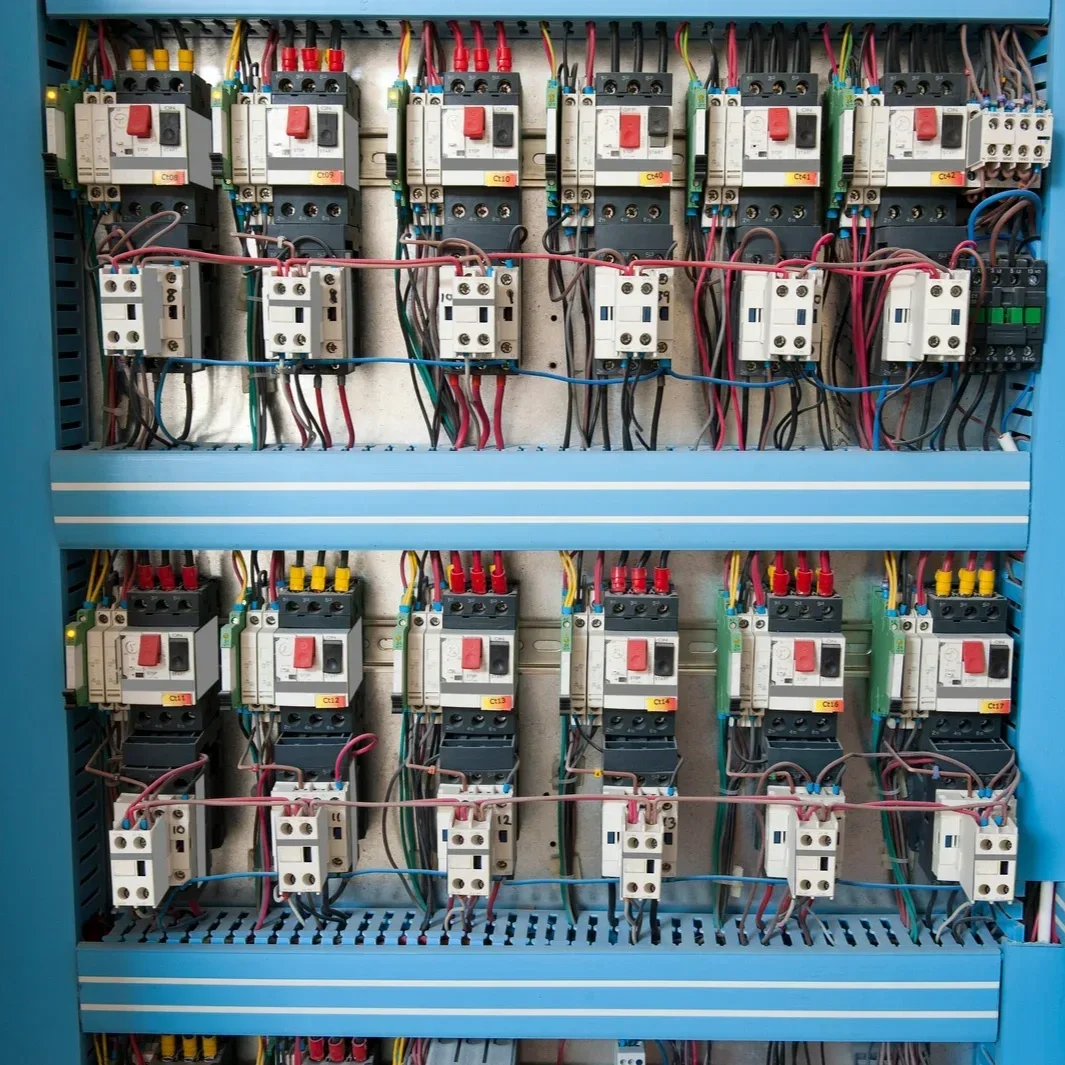
Tawny Crazy Ants are attracted to the warmth of electrical components, often causing short circuits and equipment failure in Virginia homes.
Why Ants Are Drawn To Electrical Systems In Homes
Ants do not target electrical wiring out of curiosity or malice, but electrical systems often create conditions that attract them unintentionally. Warmth plays a major role. Electrical wiring, outlets, switches, panels, and appliances generate low levels of heat during normal operation. For ants seeking stable environments, especially during cooler nights or seasonal shifts, that warmth provides an appealing nesting zone. Wall cavities containing wiring offer protection, consistent temperatures, and access to other resources within the home.
In Virginia Beach homes, environmental conditions intensify this attraction. High humidity, coastal moisture, and mild winters allow ant populations to remain active year-round rather than entering long dormant periods. Electrical pathways often run near plumbing lines, exterior walls, or slab edges where moisture intrusion occurs. Ants follow these moisture gradients and encounter wiring along the way. Once established, colonies expand through wall cavities, electrical boxes, and conduit routes, embedding themselves directly within electrical infrastructure without homeowners realizing it.
How Ants Interact With Wiring And Electrical Components
Ants do not chew copper conductors in the way rodents do, but their interaction with wiring still creates serious electrical problems. Certain ant species, including those common in coastal Virginia Beach areas, are attracted to electrical fields and electromagnetic signals. When ants encounter energized components, they may swarm due to chemical signaling triggered by electrical contact. As ants are shocked or killed, they release pheromones that attract more ants, creating dense clusters around electrical points.
These clusters introduce organic debris into outlets, switches, panels, and junction boxes. Dead ants, nesting material, and soil accumulate around terminals and conductors. That buildup interferes with proper electrical contact, increasing resistance at connection points. Resistance converts electricity into heat, raising temperatures inside confined spaces. Over time, this process degrades insulation, loosens connections, and increases the likelihood of arcing. Wiring damage caused by ants rarely looks dramatic at first, but it progresses steadily as contamination grows.
Why Ant Activity Can Lead To Electrical Fires
Electrical fires linked to ant infestations develop through gradual degradation rather than sudden failure. As debris accumulates, connections heat unevenly. Ant nests retain moisture, which lowers resistance across surfaces and worsens corrosion on metal components. Moist organic material inside an electrical box creates conditions where electricity behaves unpredictably, spreading heat beyond intended paths.
In Virginia Beach homes, where humidity already challenges electrical integrity, ant-related contamination accelerates deterioration. Arcing becomes more likely as debris carbonizes under heat. Carbonized material conducts electricity efficiently, allowing arcing to repeat and intensify. Breakers often fail to trip because the overall current draw remains normal. Heat and arcing continue inside walls or panels until ignition occurs. Fires caused by insects frequently start without warning signs, making them especially dangerous.
Common Areas Where Ants Damage Electrical Systems
Ant-related electrical damage often appears in predictable locations. Exterior walls, garages, crawlspaces, and utility rooms provide easy entry points from outdoors. Electrical panels mounted on exterior walls face increased exposure, as ants follow siding gaps, conduit penetrations, and foundation cracks directly into service equipment. Once inside, ants spread through wiring pathways into interior outlets and switches.
Kitchen and bathroom circuits experience a higher risk due to moisture. Ants gravitate toward water sources and follow plumbing lines that often run parallel to electrical wiring. Junction boxes behind sinks, dishwashers, and laundry equipment become nesting zones. In Virginia Beach, homes built on slabs, ants frequently access wiring from below through conduit penetrations. These hidden locations allow infestations to persist undetected while damaging electrical components gradually.
Why Electrical Damage From Ants Often Goes Unnoticed
Ant damage rarely disrupts electrical function immediately. Lights still turn on, outlets still work, and breakers remain set. Homeowners associate electrical danger with obvious malfunction, not silent contamination. Because ants affect resistance rather than continuity, systems continue operating while stress builds internally.
Early warning signs appear subtly. Flickering lights, buzzing outlets, warm switches, or unexplained breaker trips may occur sporadically. These symptoms often get blamed on aging wiring or appliance issues rather than insects. In many Virginia Beach homes, any activity remains hidden inside walls until a technician opens a box or panel during unrelated service. By that point, insulation damage, corrosion, and heat marks often reveal long-term infestation.
How Coastal Conditions Make Ant-Related Wiring Damage Worse
Coastal environments amplify the electrical risks associated with ants. Salt air accelerates corrosion on terminals and conductors already compromised by insect debris. High humidity keeps nests moist, extending the lifespan of organic material inside electrical components. Moist debris lowers electrical resistance, allowing heat and arcing to spread more easily.
Virginia Beach experiences fewer extended freezes, allowing ant colonies to remain active throughout the year. Continuous activity means continuous contamination and stress on electrical systems. Seasonal population surges increase swarm behavior around electrical fields, intensifying buildup inside boxes and panels. Coastal construction styles, including slab foundations and exterior-mounted service equipment, further increase exposure points where ants can access wiring infrastructure.
Why Breakers And GFCIs Do Not Always Prevent Ant-Related Fires
Protective devices respond to electrical conditions, not physical contamination. Ant debris creates resistance and arcing without necessarily increasing current draw enough to trigger breakers. Ground fault and arc fault devices improve detection but still rely on recognizable electrical signatures. Organic buildup can cause erratic behavior that remains below trip thresholds while still producing dangerous heat.
Grounding deficiencies compound the issue. Many older Virginia Beach homes contain degraded grounding paths. Without effective grounding, stray energy from arcing caused by ant contamination lingers inside boxes and walls. Heat accumulates gradually, allowing damage to progress without interruption. This explains why fires linked to insect activity often occur without prior breaker trips or obvious electrical warnings.
Why DIY Pest Control Does Not Solve Electrical Risk
Surface pest treatments may reduce visible ant activity but rarely address colonies nesting inside walls or electrical boxes. Sprays and bait stations do not remove debris already contaminating wiring. Dead ants inside boxes remain conductive once carbonized, continuing to support arcing and heat even after the infestation appears controlled.
DIY pest control also risks driving ants deeper into wall cavities, increasing interaction with wiring. Homeowners may assume the problem is resolved when ants disappear from countertops, unaware that colonies remain active around electrical infrastructure. Without electrical inspection and cleanup, fire risk persists regardless of pest treatment success.
How Electricians Identify Ant-Related Electrical Damage
Electricians recognize any damage through visual inspection and testing rather than guesswork. Opening outlets, switches, and panels reveals debris accumulation, corrosion, and heat marks characteristic of insect activity. Thermal imaging identifies hotspots where resistance has increased due to contamination. Electrical testing confirms voltage irregularities and resistance changes linked to compromised connections.
In Virginia Beach homes, inspections often uncover widespread impact beyond a single device. Ant colonies move freely along wiring pathways, contaminating multiple boxes on the same circuit. Effective remediation involves cleaning or replacing affected components, restoring proper connections, and addressing environmental entry points in coordination with pest control efforts. Electrical safety improves only when contamination is removed, not merely when insects disappear.
How Ant Damage Changes Electrical Performance Over Time
Electrical systems affected by ants rarely fail all at once. Damage develops incrementally as debris accumulates and connections degrade. Organic material packed around terminals interferes with proper contact pressure, increasing resistance at points designed to remain tight and conductive. As resistance increases, heat develops during normal electrical flow, stressing insulation and metal components slightly more each day. That stress compounds quietly, especially on circuits carrying regular loads such as lighting, kitchen appliances, or HVAC controls.
Over time, heat alters the physical properties of wiring and devices. Insulation hardens and cracks, terminal screws loosen further, and metal oxidizes more rapidly. Carbonized ant debris becomes semi-conductive, allowing electricity to travel along unintended paths. Arcing may begin intermittently, creating additional heat without drawing enough current to trip protective devices. Electrical performance degrades subtly through flickering lights, inconsistent operation, or nuisance trips long before outright failure or fire occurs.
Why Certain Ant Species Pose Higher Electrical Risk
Not all ants interact with electrical systems the same way. Species common to coastal Virginia Beach areas, including some fire ants and crazy ants, show heightened attraction to electrical fields. These ants respond aggressively to energized components, swarming outlets, panels, and equipment enclosures. Their behavior increases the volume of debris introduced into electrical spaces, accelerating contamination far beyond what random nesting would cause.
Swarming behavior creates chain reactions. As ants are electrocuted, pheromones signal more ants to the location, multiplying the infestation rapidly. Dense clusters form around live components, overwhelming small enclosures like outlet boxes or breaker compartments. These concentrated infestations dramatically raise heat and arcing potential. Homes experiencing repeated ant activity near electrical equipment often face higher fire risk simply due to the species behavior rather than infestation size alone.
How Ant Damage Affects Panels And Service Equipment
Electrical panels represent critical vulnerability points when ants gain access. Panels contain multiple energized components in close proximity, making contamination especially dangerous. Ant debris inside a panel interferes with breaker connections, bus bars, and grounding paths. Heat builds at these high-energy junctions more quickly than at individual outlets or switches.
In Virginia Beach, homes with exterior-mounted panels have access points abound. Conduit penetrations, siding gaps, and utility entry points allow ants to enter directly. Once inside, colonies may nest for extended periods, contaminating multiple circuits simultaneously. Panel-level damage increases system-wide risk, as failures here affect large portions of the home. Fires originating in panels often spread rapidly due to the concentration of electrical energy and surrounding combustible materials.
Why Ant-Related Wiring Damage Often Appears After Storms
Storms frequently reveal electrical problems caused by ants. Heavy rain increases humidity and moisture intrusion, lowering resistance across contaminated components. Electrical demand often rises during storms as lightning, pumps, and HVAC systems operate simultaneously. These conditions push stressed connections harder, revealing weaknesses created by ant debris.
Homeowners may notice flickering lights, buzzing sounds, or breaker activity following storms, unaware that ants contributed to the underlying damage. Moisture activates carbonized debris, increasing conductivity and arcing potential. In coastal Virginia Beach neighborhoods, storm seasons coincide with peak ant activity, making this interaction especially common. Electrical issues surfacing after storms often trace back to long-standing insect contamination rather than storm damage alone.
Why Ant Damage And Moisture Create A Compounding Hazard
Ant infestations and moisture amplify each other’s impact on electrical systems. Nests retain moisture, keeping debris damp even during dry weather. Moist organic material accelerates corrosion and lowers electrical resistance, encouraging arcing. Each heating cycle dries surrounding materials further, increasing ignition risk while leaving debris conductive.
Coastal humidity sustains this cycle year-round in Virginia Beach homes. Electrical components rarely dry fully, allowing damage to progress steadily. Ants expand colonies along moist pathways, spreading contamination to new areas of the wiring system. Fire risk increases not because of one factor, but because multiple environmental pressures act together continuously.
How Professional Electrical Repairs Address Ant-Related Damage
Professional remediation focuses on removing contamination rather than masking symptoms. Electricians disassemble affected devices, clean or replace contaminated components, and restore proper terminations. Wiring insulation compromised by heat or corrosion is replaced rather than reused. Panel interiors are cleaned thoroughly, and damaged breakers or bus connections are corrected.
Electrical repairs often coordinate with pest control efforts. Sealing entry points, improving moisture control, and adjusting environmental conditions reduce future infestations. In Virginia Beach homes, long-term solutions address both electrical integrity and insect access. Repairs restore proper electrical behavior, reducing resistance and heat rather than relying on protective devices to compensate for compromised components.
Why Ignoring Ant Damage Increases Long-Term Fire Risk
Electrical systems tolerate minor contamination briefly, but long-term exposure raises fire risk steadily. Each month of ant activity introduces more debris, moisture, and corrosion. Damage compounds even if ants appear intermittent. Homeowners may experience years of minor electrical anomalies before a critical failure occurs.
Fires linked to insect damage often surprise occupants because no dramatic warning preceded ignition. By the time heat reaches ignition levels, damage spans multiple components. Addressing ant-related electrical damage early interrupts this progression, reducing risk before conditions escalate beyond manageable repair.
How Ant-Related Wiring Issues Fit Into Electrical Safety Planning
Ant damage highlights how biological factors interact with electrical systems. Safety planning that ignores pests overlooks a real source of electrical degradation, especially in coastal environments. Regular inspections that include checking for insect contamination identify risks that visual surface checks miss.
Virginia Beach homeowners benefit from integrated approaches that consider climate, construction style, and pest behavior. Electrical safety improves when inspections include outlets, panels, and concealed spaces vulnerable to infestation. Addressing ant damage strengthens overall system reliability rather than treating it as an isolated nuisance.
FAQs
Yes. Ant debris, nesting material, and moisture degrade insulation over time, increasing heat and arcing, even though ants do not chew copper directly.
They occur more frequently in coastal regions where humidity, mild winters, and active ant populations allow continuous infestation near electrical systems.
Pest control removes insects but does not clean debris or repair damaged electrical components. Electrical inspection and repair remain necessary.
Yes. Contamination increases resistance and disrupts connections, leading to flickering, buzzing, or intermittent breaker activity.
Unexplained electrical symptoms combined with visible ant activity near outlets, panels, or walls indicate the need for professional electrical inspection.