
Can an Outlet Cause a Fire in Your Virginia Beach Home If Nothing’s Plugged In?
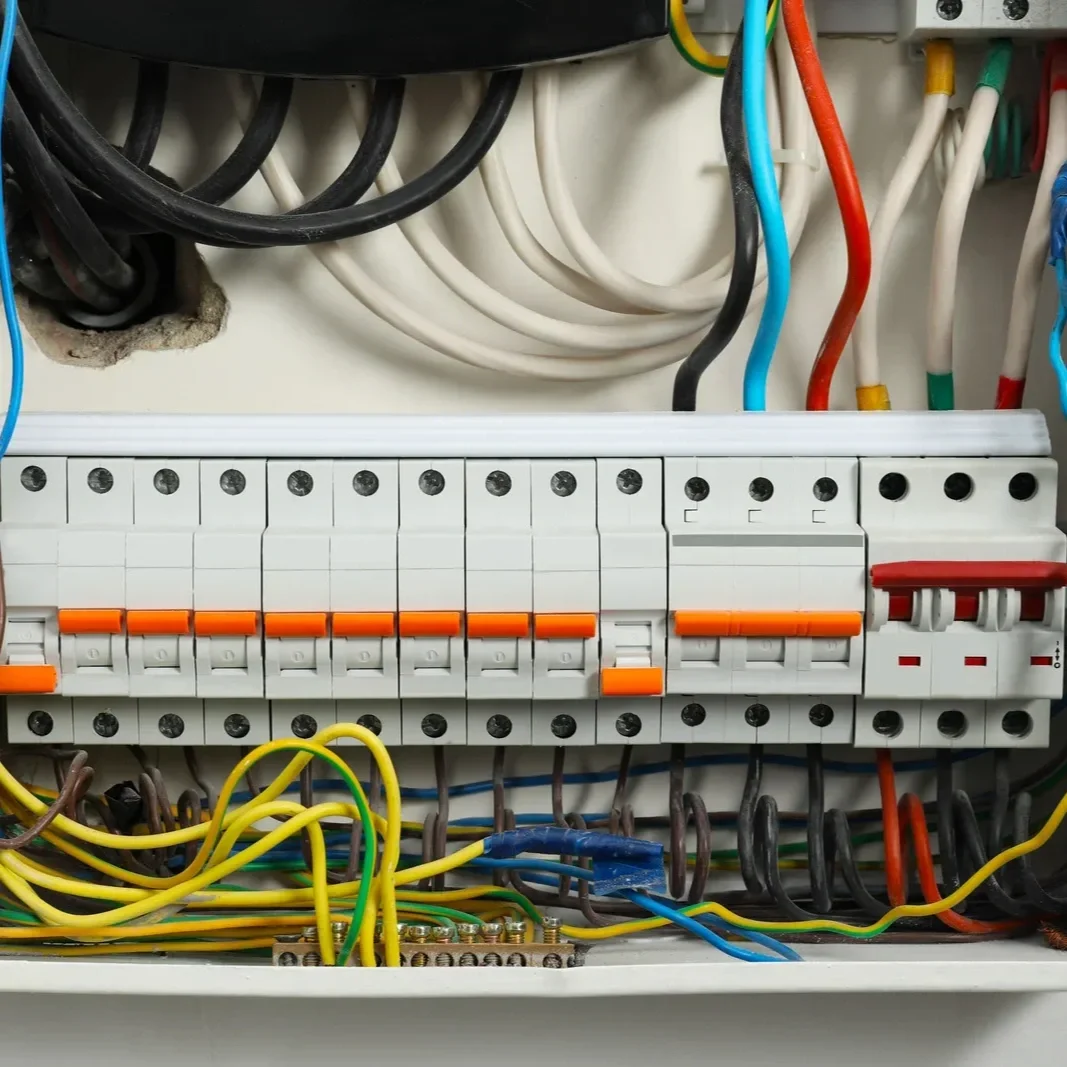
Even with nothing plugged in, loose wiring or coastal corrosion can cause dangerous outlet fires in Virginia Beach residences.
Why Electrical Outlets Remain Energized Even When Unused
An electrical outlet remains energized at all times unless power is intentionally shut off at the breaker. Electricity is present behind the faceplate, at the terminal screws, and within the wiring connected to the receptacle, regardless of whether a cord is plugged in. The outlet functions as a junction point in the circuit, not a passive opening that only becomes active when something is inserted. As long as the circuit is live, electrical energy is present and capable of producing heat or arcing under the wrong conditions.
In Virginia Beach homes, this reality often surprises homeowners because risk feels tied to usage. People associate danger with appliances drawing power, not with an empty outlet sitting quietly on the wall. That assumption overlooks how electrical failures develop. Fires rarely require active use. They require heat, resistance, or arcing, all of which can occur inside an unused outlet due to aging materials, loose connections, or environmental exposure. The absence of a plugged-in device does not eliminate electrical energy from the receptacle or prevent failure inside the box.
How Heat Can Build Inside an Unused Outlet
Heat inside an outlet develops when electricity encounters resistance at connection points. Loose terminal screws, worn contact springs, or deteriorated wire insulation all create resistance that converts electrical energy into heat. That process occurs continuously, even when no load is attached, because electricity still flows through the outlet as part of the circuit. Over time, small amounts of heat accumulate in confined spaces, slowly degrading surrounding materials.
In older Virginia Beach homes, outlets often serve as pass-through points for multiple wires feeding downstream receptacles or fixtures. That means current flows through the outlet even when nothing is plugged into it. Any weakness in those connections becomes a heat source during normal household operation. Heat builds behind the wall, drying wood framing, weakening insulation, and increasing the chance of ignition. Because nothing appears wrong from the outside, these conditions persist unnoticed until damage reaches a critical stage.
Why Loose Connections Inside Outlets Are a Major Fire Cause
Loose connections represent one of the most common fire triggers in unused outlets. When wires are not securely tightened to terminal screws or rely on aging push-in connections, electricity must jump microscopic gaps. That movement creates localized heating and, in some cases, arcing. Each heating cycle expands and contracts the metal slightly, loosening the connection further and worsening the problem over time.
Virginia Beach homes experience additional stress from humidity and temperature fluctuations. Moisture accelerates corrosion on copper conductors and steel screws, increasing resistance even when connections appear intact. Loose connections often develop quietly during renovations, device replacements, or decades of use. An outlet may function perfectly when tested, yet still generate enough heat behind the wall to ignite nearby materials without ever powering an appliance.
How Arcing Can Occur Without Anything Plugged In
Arcing does not require a device drawing power. It occurs when electricity jumps between conductors or metal surfaces due to insulation breakdown or loose connections. Inside an outlet box, arcing may happen between a wire and a terminal screw, between adjacent conductors, or between energized components and the metal box itself. These arcs produce extremely high temperatures in short bursts, capable of charring wood and melting insulation rapidly.
Unused outlets remain vulnerable because electricity is present at all times. Small arcs may occur intermittently, leaving behind carbonized paths that make future arcing easier. Over time, these paths expand and intensify arcing activity. Because breakers respond to overall current rather than localized heat, these events often continue undetected. Fires originating from arcing inside outlets frequently develop long after the initial failure, making the cause difficult to trace without professional investigation.
Why Breakers Often Do Not Trip When Outlet Fires Begin
Circuit breakers protect against excessive current, not all dangerous conditions inside an outlet. When heat or arcing develops due to resistance, current levels may remain within normal limits. From the breaker’s perspective, the circuit operates correctly. Meanwhile, temperatures inside the outlet box rise gradually until ignition occurs.
Grounding plays a role here as well. Proper grounding helps clear faults quickly, but many older Virginia Beach homes contain grounding deficiencies. Without an effective ground path, fault energy lingers inside the outlet rather than triggering a breaker trip. This explains why homeowners often report outlet-related fires without any history of breaker activity, reinforcing the misconception that breakers alone provide comprehensive protection.
How Environmental Factors Increase Outlet Fire Risk In Coastal Homes
Coastal conditions in Virginia Beach accelerate outlet degradation. Salt carried in the air settles on metal components, promoting corrosion inside outlets and boxes. High humidity introduces moisture that lowers resistance across surfaces and weakens insulation over time. These factors combine to increase heat and arcing potential even in outlets that appear undamaged externally.
Outlets located on exterior walls face additional exposure. Temperature differences cause condensation inside wall cavities, especially during seasonal transitions. Moisture interacts with electrical components, increasing leakage and corrosion. Over the years, these environmental pressures have turned minor imperfections into significant hazards. Unused outlets become fire risks not because of neglect, but because environmental stress quietly compromises their internal integrity.
Why Outlet Age Matters Even Without Active Use
Electrical outlets are mechanical devices with finite lifespans. Internal contact springs lose tension, plastic housings become brittle, and insulation hardens with age. These changes reduce the outlet’s ability to maintain solid electrical connections. Even when unused, outlets continue to age under constant electrical presence and environmental exposure.
Many Virginia Beach homes still contain outlets installed decades ago, long before modern safety standards. Renovations often focus on visible finishes while leaving original outlets untouched. Over time, aging components interact with modern electrical loads passing through the circuit, increasing internal stress. Fire risk rises gradually, independent of whether the outlet ever powers a device.
How Outlet Fires Often Start Behind Walls Without Warning
Outlet fires frequently begin behind walls, hidden from view. Heat builds at connection points, slowly charring surrounding materials. Once ignition occurs, flames spread along wall cavities, feeding on framing and insulation. By the time smoke becomes visible, the fire may already involve structural components.
Homeowners rarely receive warning signs. The outlet faceplate may remain cool, lights may work normally, and no odors may appear until ignition begins. In many cases, fires occur overnight or during periods of low activity, further delaying detection. These characteristics explain why unused outlets represent a legitimate fire risk despite appearing inactive and harmless.
Why Visual Inspection Alone Is Not Enough To Identify Outlet Risk
Visual inspection of outlets reveals only surface conditions. Internal damage, loose connections, and arcing marks often remain hidden behind faceplates and inside boxes. An outlet that looks pristine can still harbor degraded wiring or carbonized insulation capable of igniting under normal conditions.
Professional evaluation uses testing methods that go beyond appearance. Thermal imaging identifies hotspots behind walls, while electrical testing reveals resistance and grounding issues invisible to the eye. In Virginia Beach homes, these inspections often uncover outlet hazards unrelated to usage patterns, reinforcing that inactivity does not equal safety.
How Renovations And DIY Work Increase Fire Risk At Unused Outlets
Renovation work frequently introduces outlet fire risk even when the outlet is never used afterward. During remodeling, outlets may be moved, extended, or temporarily disconnected while walls are open. In many Virginia Beach homes, wires get spliced quickly, pushed back into boxes, and covered without careful attention to torque, box fill, or long-term stability. A receptacle may look clean and unused after the project, yet conceal stressed conductors or loose terminations that slowly generate heat behind finished walls.
DIY repairs create similar issues. Homeowners often replace outlets for cosmetic reasons or upgrade faceplates without recognizing how delicate older wiring can be. Short conductors get stretched to reach new devices, insulation gets nicked during stripping, and terminal screws remain under-tightened. Even when the outlet never powers a device afterward, current still passes through it as part of the circuit. Over time, these compromised connections deteriorate further, increasing the chance of heat buildup and ignition without any visible sign of trouble.
How Backstabbed Wiring Raises Fire Risk In Empty Outlets
Backstabbed wiring remains common in older construction and budget installations. These push-in connections rely on spring tension rather than mechanical fastening. Over time, springs weaken, metal fatigues, and resistance increases. Electricity continues flowing through the outlet regardless of whether anything is plugged in, meaning heat can develop steadily at the connection point inside the box.
In Virginia Beach homes exposed to humidity and temperature shifts, backstabbed connections degrade faster. Moisture promotes corrosion inside the contact, increasing resistance even further. Many outlet fires traced to unused receptacles involve backstabbed wiring that loosened slowly over the years. Because the outlet continues functioning and remains unused, homeowners receive no indication that failure is occurring behind the wall until ignition takes place.
Why Pass-Through Current Makes Unused Outlets Dangerous
Unused outlets often carry pass-through current, feeding other devices or fixtures downstream on the same circuit. Electricity enters the outlet, travels through internal contacts, and exits toward the next receptacle or light. Any weakness in that path creates heat regardless of local usage. The outlet becomes a stress point simply because it exists in the circuit, not because it powers a device.
This condition appears frequently in long branch circuits common in Virginia Beach homes built during earlier construction booms. Multiple rooms may share a single circuit, routing current through numerous outlets. Even if a specific outlet remains unused, it may carry significant current during peak usage elsewhere in the home. Heat develops silently inside the box, turning a seemingly inactive outlet into a hidden fire risk driven by activity in other rooms.
How Grounding Deficiencies Worsen Outlet Fire Hazards
Grounding plays a critical role in limiting damage when faults occur inside outlets. Without a solid ground, stray electricity cannot be cleared efficiently during insulation failure or arcing events. Instead of triggering protective devices, energy lingers at the outlet, heating surrounding materials. Many older Virginia Beach homes lack modern grounding or contain degraded ground connections that reduce fault-clearing ability.
Outlets with false grounds, where three-prong receptacles appear grounded but are not connected properly, increase the risk further. These installations provide no protection during a fault while giving homeowners false confidence. When arcing or leakage occurs inside an unused outlet, grounding deficiencies allow damage to accumulate over time rather than stopping it quickly. Fire risk rises quietly as heat and carbonization progress unseen.
Why Outlet Location Influences Fire Risk Even Without Use
Outlet placement affects exposure to environmental stress. Outlets on exterior walls experience temperature differentials that promote condensation inside boxes. Garages, crawlspaces, and basements expose outlets to moisture, dust, and insects that compromise insulation and connections. Even when unused, these outlets face harsher conditions than those located in climate-controlled interior walls.
Virginia Beach homes near the coast experience added exposure from wind-driven moisture and salt air infiltration. Exterior-facing outlets age faster, and unused receptacles in these locations often become fire origins due to long-term environmental degradation. Location determines how quickly materials break down, making some unused outlets far more dangerous than others despite identical appearance.
Why Outlet Fires Often Occur Without Prior Warning
Outlet fires rarely announce themselves through obvious symptoms. Heat builds slowly at internal connections, charring materials incrementally. Faceplates remain cool, and breakers remain engaged. No appliance failure or flickering lights draws attention. Fire often begins during normal household operation unrelated to the outlet itself, such as when downstream loads increase.
Many Virginia Beach homeowners report being asleep or away when outlet fires begin. The lack of a visible warning explains why unused outlets feel safe. Fire risk develops through time, environment, and electrical stress rather than through direct interaction. Understanding this pattern helps explain why professional inspection matters more than reliance on surface cues.
How Electricians Identify Fire Risk In Unused Outlets
Professional evaluation focuses on conditions hidden from view. Electricians remove receptacles to inspect wiring integrity, termination quality, and box fill. Thermal imaging identifies heat patterns behind walls that indicate resistance or arcing. Electrical testing reveals voltage irregularities and grounding deficiencies that contribute to outlet stress.
In Virginia Beach homes, inspections often uncover multiple contributing factors rather than a single defect. Aging outlets, environmental exposure, and pass-through current combine to create risk even where no devices are plugged in. Corrective work addresses the entire circuit path rather than replacing isolated outlets, reducing fire risk across the system rather than treating individual symptoms.
How Unused Outlet Fire Risk Fits Into Broader Electrical Safety
Unused outlet fires represent one aspect of overall electrical system health. They highlight how electricity behaves continuously, not only when devices operate. Addressing outlet condition improves safety across circuits by stabilizing connections, reducing resistance, and restoring grounding effectiveness.
Homeowners benefit from viewing outlets as active components rather than dormant fixtures. In Virginia Beach homes, environmental exposure and aging wiring make proactive assessment especially valuable. Fire prevention improves when unused outlets receive the same attention as heavily used ones, aligning safety practices with how electrical systems truly function.
FAQs
Yes. Electricity remains present inside the outlet at all times. Loose connections, arcing, or degraded wiring can generate heat and ignite materials even when the outlet is unused.
Often they do not. Heat and arcing can develop without increasing current enough to trigger a breaker, allowing fires to start unnoticed.
Older outlets contain worn components and may lack proper grounding, increasing resistance and fire risk even if they appear functional.
Yes. Unused outlets still carry current and should be evaluated for connection integrity, grounding, and environmental exposure.
Replacing outlets helps when devices are worn, but underlying wiring, grounding, and circuit conditions must also be addressed to reduce risk effectively.