
How to Know If Mice Chewed Through Wiring in Your Virginia Beach House
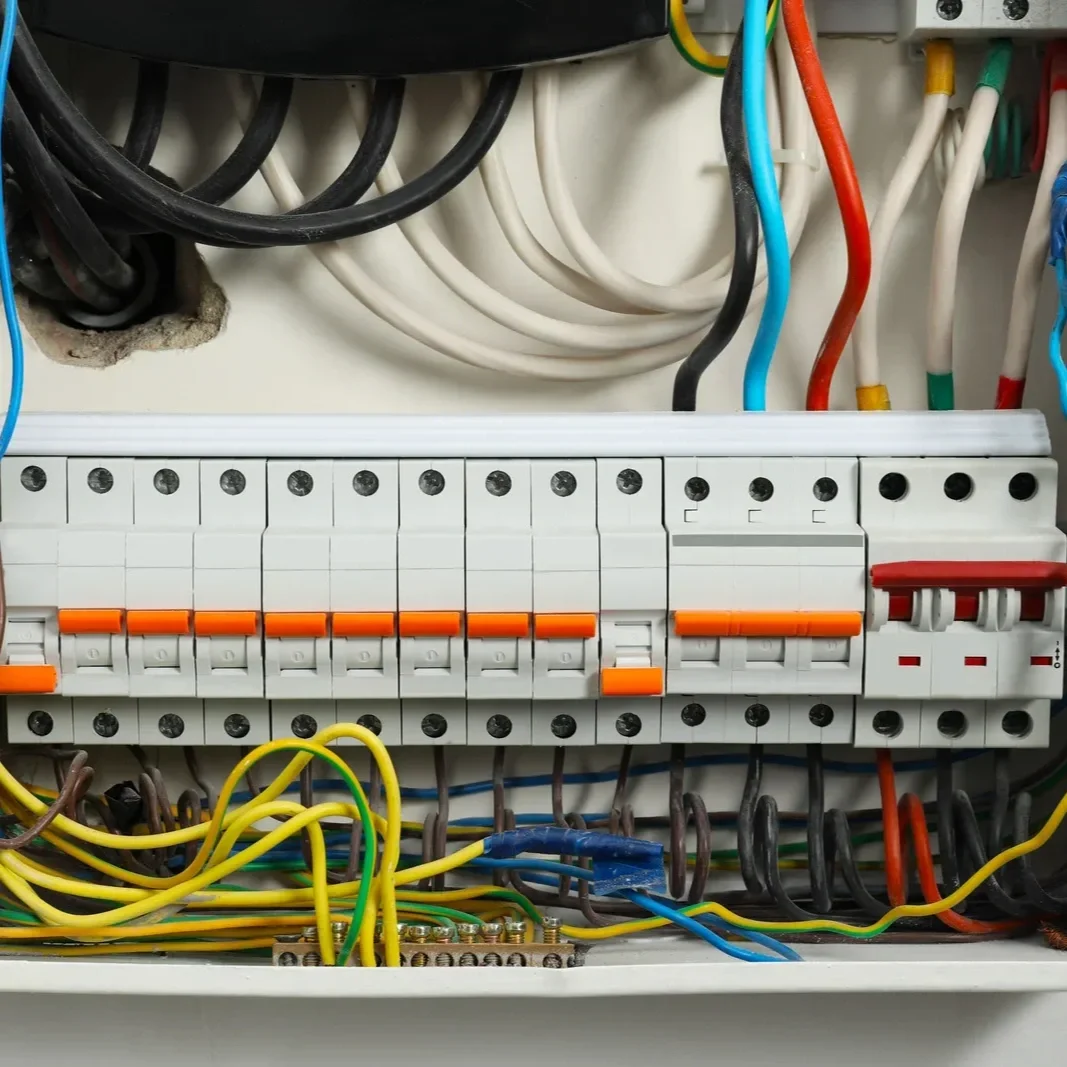
Protect your Virginia Beach home by inspecting attics and crawl spaces for frayed insulation, flickering lights, or burning odors.
Why Rodent Damage To Wiring Happens More Often Than Homeowners Expect
Rodent-related wiring damage surprises many homeowners because it develops quietly and often out of sight. Mice chew constantly to keep their teeth from overgrowing, and electrical wiring provides an appealing target. The outer insulation offers just enough resistance to wear teeth down while remaining accessible inside walls, attics, crawl spaces, and garages. In Virginia Beach, Virginia, mild winters and high humidity allow rodent populations to stay active year-round, increasing the likelihood of ongoing activity rather than seasonal intrusion.
Homes near marshes, wooded areas, or older neighborhoods experience higher rodent pressure due to nearby shelter and food sources. Once mice enter a structure, they follow utility lines, plumbing penetrations, and wall cavities that conveniently guide them toward wiring. Chewing often begins long before homeowners notice any electrical symptoms. Damage accumulates gradually, with insulation stripped away a little at a time until bare conductors become exposed. That slow progression explains why rodent damage frequently surfaces as a sudden electrical problem even though chewing occurred over weeks or months.
How Chewed Wiring Changes Electrical Behavior
Electrical wiring relies on intact insulation to control current flow and prevent unintended contact. When mice chew through insulation, several electrical behaviors change immediately. Exposed conductors may touch nearby materials, metal framing, or other wires, creating short circuits or partial faults. Even when conductors do not make direct contact, damaged insulation increases resistance and heat buildup along the wire.
In Virginia Beach homes, humidity worsens these effects. Moist air lowers resistance around damaged insulation, allowing electricity to leak into surrounding materials. That leakage does not always trip breakers immediately. Instead, it creates intermittent faults that come and go depending on moisture levels, temperature, and load. Homeowners may notice flickering lights, unexplained breaker trips, or outlets that stop working sporadically. These symptoms often appear inconsistent, making wiring damage harder to pinpoint without targeted inspection.
Early Electrical Signs That Point To Rodent Damage
Electrical symptoms linked to rodent damage tend to follow certain patterns. Breakers that trip without an obvious cause often signal damaged wiring. Unlike overload-related trips, rodent damage trips may occur when specific circuits activate rather than during heavy usage. Lights may dim or flicker when appliances turn on, indicating compromised conductors struggling to carry current reliably.
Another common sign involves dead outlets or switches that stop working suddenly, while others on the same circuit continue functioning. Mice rarely chew wiring evenly. Damage usually concentrates in one location where access remains easy. As a result, only portions of a circuit fail initially. In Virginia Beach, houses with crawl spaces or attics, these partial failures frequently align with areas rodents favor for nesting and movement.
Non-Electrical Clues Inside The Home
Electrical symptoms rarely appear alone. Rodent presence often leaves physical evidence throughout the home. Droppings, nesting material, shredded insulation, and gnaw marks around baseboards or attic access points suggest active infestation. Scratching or rustling sounds at night further reinforce suspicion, especially when heard near walls or ceilings where wiring runs.
In coastal Virginia Beach neighborhoods, mice often enter through small gaps created by settling, moisture-related wood movement, or aging exterior materials. Homes with older siding, crawl space vents, or poorly sealed utility penetrations experience higher entry rates. Electrical issues paired with these signs strengthen the case for wiring damage rather than isolated electrical failure.
Why Rodents Target Certain Areas Of The Electrical System
Mice do not chew randomly. They follow predictable paths shaped by shelter, warmth, and accessibility. Wiring near kitchens, garages, attics, and crawl spaces faces a higher risk because these areas offer food sources, nesting material, and consistent warmth. Appliances generate heat that attracts rodents, drawing them toward wiring behind refrigerators, dishwashers, and HVAC equipment.
In Virginia Beach homes, crawl spaces often remain humid and temperate year-round, creating ideal rodent habitats. Wiring routed through these spaces becomes an easy target. Attics also attract rodents seeking dry nesting areas above insulation. Electrical runs through attic spaces frequently suffer insulation damage before homeowners ever see visible signs elsewhere in the home.
Why Does Chewed Wiring Often Smell Before It Fails Completely
One overlooked warning sign involves unusual odors. Damaged wiring heats unevenly as electricity passes through compromised insulation. That heat can scorch insulation, wood, or nearby materials, releasing a faint burning smell. Homeowners may notice this odor intermittently, often near walls or outlets, without visible smoke or sparks.
In Virginia Beach’s humid climate, these odors may dissipate quickly, making them easy to dismiss. Moist air absorbs and carries smells away before they linger. Still, recurring electrical odors deserve attention, especially when paired with flickering lights or breaker activity. Smell often precedes visible damage and signals ongoing heat generation behind walls or in concealed spaces.
The Difference Between Rodent Damage And Normal Wear
Electrical wiring does degrade over time, but rodent damage produces distinct characteristics. Normal wear occurs gradually and evenly across insulation surfaces. Rodent damage appears irregular, with jagged edges, bite marks, and uneven exposure along the wire. Insulation may look shredded rather than cracked or brittle.
In Virginia Beach, houses with mixed-age wiring, distinguishing between these causes matters. Older wiring materials may crack due to age, while newer wiring typically remains flexible unless physically damaged. Finding localized damage surrounded by otherwise intact insulation strongly suggests chewing rather than aging. Recognizing this difference helps avoid misdiagnosis and incomplete repairs.
Why Rodent-Damaged Wiring Creates Fire Risk Quickly
Chewed wiring represents a significant fire risk because it removes the protective barrier designed to contain heat and current. Exposed conductors generate sparks or sustained heat when they contact surrounding materials. Even without direct contact, damaged insulation allows arcing across small gaps, producing extremely high localized temperatures.
In coastal environments like Virginia Beach, moisture accelerates this danger. Damp wood, insulation, and framing conduct electricity more readily, expanding the area affected by arcing. Fires caused by rodent damage often start slowly, smoldering inside walls or ceilings before detection. Because these fires develop away from visible outlets or appliances, homeowners may not associate them with electrical issues until damage becomes extensive.
Why Problems Often Appear At Night Or During Certain Weather
Rodent activity peaks at night, which coincides with reduced household electrical use. That timing creates misleading patterns. Damage may worsen overnight, but symptoms appear later when circuits activate in the morning. Homeowners often assume morning appliance use triggered the issue, overlooking overnight rodent activity as the root cause.
Weather also influences symptom timing. Rain and humidity increase conductivity around damaged wiring. In Virginia Beach, storms often precede unexplained electrical behavior. Moisture seeps into walls and crawl spaces, interacting with exposed conductors. Electrical issues that appear after rainy periods frequently trace back to insulation damage rather than weather alone.
How Rodent Damage Affects Breakers And GFCI Devices
Chewed wiring alters how current flows through a circuit, which directly affects breaker and GFCI behavior. When insulation disappears, electricity may leak to ground or between conductors in unpredictable ways. Breakers respond when current exceeds design limits, while GFCI devices respond to imbalance rather than overload. Rodent damage often produces small leakage currents that trip GFCI outlets repeatedly without an obvious cause. Homeowners in Virginia Beach frequently reset these devices, assuming moisture alone caused the issue, not realizing damaged wiring continues feeding the imbalance.
Breakers may trip intermittently as damaged conductors heat and cool. During low load periods, the circuit may appear normal. Once appliances turn on, increased current exposes weak points created by chewing. These trips often feel random and resist pattern recognition, which delays diagnosis. Repeated resets do not resolve the underlying fault and may worsen heat damage at the exposed area. Understanding how rodent damage interacts with protective devices helps explain why symptoms escalate over time rather than remaining static.
Why Visual Inspection Rarely Tells The Full Story
Many homeowners attempt to confirm rodent damage through visual inspection alone. Unfortunately, most wiring runs behind drywall, inside ceilings, or beneath insulation, where damage remains hidden. Even when attic or crawl space access exists, chewed sections may lie beneath insulation or behind structural members. Finding no visible damage does not rule out wiring compromise.
In Virginia Beach homes, insulation often retains moisture, which clings to damaged wiring and hides burn marks or discoloration. Rodents may also chew wiring in wall cavities that show no outward signs. Electrical testing often reveals issues before visual evidence appears. Relying solely on what can be seen delays corrective action while damage continues spreading quietly through concealed pathways.
Why Rodent Damage Often Affects Multiple Circuits
Mice travel along predictable routes that often follow bundled wiring runs. When multiple cables pass through the same hole or conduit, rodents may chew several wires in one area. Damage may span multiple circuits simultaneously, producing confusing symptoms throughout the home.
Homeowners may notice unrelated rooms losing power or behaving erratically at the same time. In Virginia Beach, houses with older construction, wiring bundles remain common in attics and crawl spaces. Rodent damage in these locations creates widespread impact rather than isolated failure. Addressing only one affected outlet or breaker without investigating shared pathways often leaves additional damage uncorrected.
The Interaction Between Rodent Damage And Older Wiring Types
Older wiring materials respond differently to rodent chewing than modern insulation. Cloth-wrapped or rubber-insulated wiring found in older Virginia Beach homes lacks the durability of modern thermoplastic insulation. Once compromised, these materials degrade rapidly under heat and moisture exposure.
Rodents chew through older insulation faster, exposing conductors more completely. Moisture then accelerates breakdown, causing insulation to crumble further even without continued chewing. Homes with mixed wiring types face compounded risk where rodents damage newer wiring while older sections fail due to age and exposure. Recognizing wiring type helps assess urgency and scope when rodent damage becomes suspected.
Why Temporary Electrical Fixes Increase Risk
Homeowners sometimes attempt temporary fixes when electrical symptoms appear mild. Using extension cords to bypass dead outlets, replacing tripped breakers repeatedly, or avoiding affected circuits may seem like practical short-term solutions. These actions allow rodent damage to persist without resolution.
Temporary workarounds often shift load onto other circuits, increasing stress elsewhere in the system. In Virginia Beach homes, added humidity and salt exposure accelerate degradation wherever load increases. Ignoring rodent damage allows chewing to continue, expanding affected areas. Temporary fixes address symptoms while increasing long-term fire risk by spreading electrical stress unpredictably.
How Rodent Damage Interacts With Insulation And Framing
Chewed wiring rarely exists in isolation. Rodents nest near damaged areas, pulling insulation into contact with exposed conductors. That proximity creates ideal ignition conditions. Insulation fibers trap heat and may smolder when exposed to arcing or sustained warmth.
Wood framing surrounding damaged wiring absorbs heat slowly, delaying detection. In Virginia Beach’s humid climate, damp wood conducts electricity slightly better, expanding the zone affected by leakage current. Fires caused by rodent damage often smolder within insulation and framing long before smoke becomes visible. Understanding this interaction highlights why wiring damage demands prompt attention even when outward symptoms appear minor.
Why Rodent Damage Often Goes Undiagnosed After Pest Removal
Eliminating rodents does not automatically resolve electrical risk. Many homeowners focus on pest control while overlooking wiring inspection afterward. Chewed insulation remains damaged even after rodents leave. Electrical symptoms may improve temporarily if chewing stops, but exposed conductors continue aging under heat and moisture stress.
In Virginia Beach homes, humidity accelerates post-damage deterioration. Insulation continues breaking down, and corrosion develops on exposed copper or aluminum conductors. Months later, electrical issues resurface seemingly unrelated to the original infestation. Wiring inspection following pest removal matters as much as eliminating the rodents themselves.
FAQs
Common early signs include unexplained breaker trips, flickering lights, outlets that stop working intermittently, and GFCI devices tripping without obvious moisture exposure.
Yes. Once insulation is compromised, arcing and heat buildup can begin immediately. Fire risk increases rapidly, especially in humid environments like Virginia Beach.
Removing rodents stops further chewing but does not repair existing damage. Wiring inspection and repair remain necessary to eliminate ongoing electrical risk.
Electrical testing, thermal imaging, and circuit analysis identify insulation failure and heat buildup even when damage is concealed.
Coverage varies by policy. Many policies cover resulting fire damage but not preventive wiring repairs, making early detection financially beneficial.