
When Should You Replace an Outlet? Advice for Virginia Beach Residents
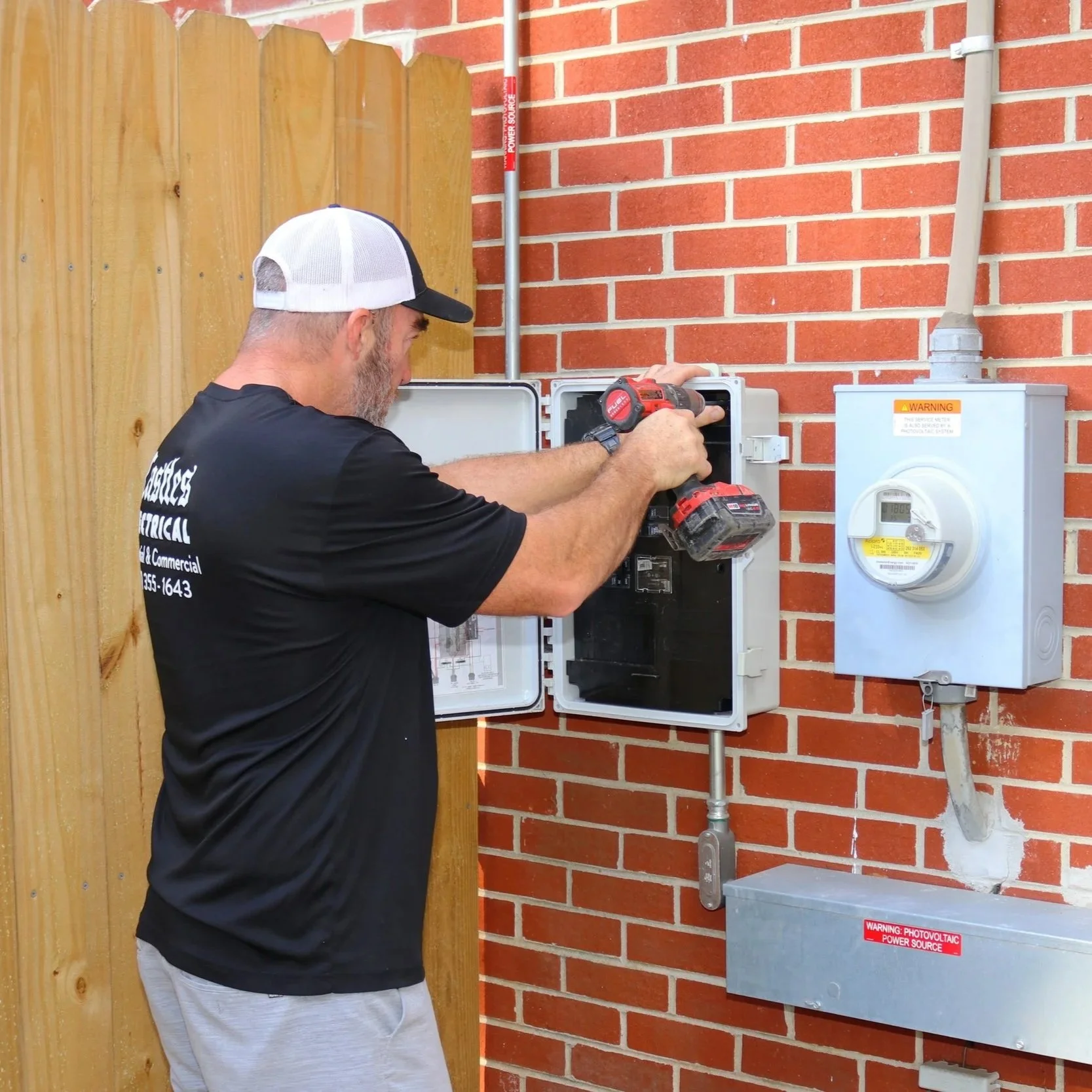
Identify warning signs like scorch marks or loose plugs to determine when it’s time to replace your home's electrical outlets.
When Outlet Wear Becomes A Safety Issue Rather Than An Inconvenience
Outlets experience gradual wear every time a plug is inserted or removed. Metal contacts inside the receptacle flex slightly to grip prongs, and over the years of use, that tension weakens. Once contact pressure drops, electricity no longer transfers cleanly. Resistance increases at the contact point, creating heat that stays hidden inside the outlet body and wall box. Early stages often feel like loose plugs that fall out easily, which many homeowners treat as a nuisance rather than a warning sign.
In Virginia Beach homes, humidity and salt air accelerate internal corrosion. Corroded contacts lose conductivity faster than their dry environment counterparts. Heat builds more quickly, especially when higher wattage devices operate. Lamps may flicker, chargers feel warm, or outlets buzz faintly. Those behaviors indicate mechanical wear turning into electrical stress. Replacing an outlet at that stage prevents escalation into scorched wiring, tripped breakers, or smoke behind the wall.
Loose Plug Fit And What It Really Means Inside The Outlet
A loose plug fit signals worn contact springs inside the outlet. Those springs grip plug blades tightly when new, maintaining consistent electrical contact. Over time, metal fatigue reduces spring tension. Electricity jumps micro gaps rather than flowing smoothly, producing heat and microscopic arcing. Arcing damages contact surfaces further, accelerating the decline.
Virginia Beach residents often notice loose fit in bedrooms and living rooms where daily device use occurs. Phone chargers, vacuum cleaners, and space heaters stress outlets repeatedly. Warm wall plates or discoloration around the receptacle indicate heat migration outward. Once an outlet reaches that point, replacement restores contact integrity and reduces hidden thermal buildup. Ignoring loose fit allows wear to progress invisibly behind finished walls.
Discoloration And Heat Marks As Replacement Signals
Visible discoloration around an outlet faceplate rarely comes from surface dirt alone. Brown or yellow staining often indicates prolonged heat exposure. Plastic materials change color when subjected to elevated temperatures over time. Even slight heat discoloration suggests internal resistance issues. Heat marks around screw heads or slots provide similar clues.
In coastal Virginia Beach homes, homeowners sometimes attribute discoloration to humidity or age without considering heat as the source. Removing the faceplate frequently reveals darker marks on the outlet body itself. Those marks indicate heat stress inside the device. Replacing outlets showing discoloration addresses the symptom and prevents further damage to wiring insulation behind the box.
Outlets That Feel Warm To The Touch
Outlets should remain near room temperature during normal operation. Warmth suggests electrical energy converting into heat due to resistance. Causes include worn contacts, loose terminal screws, or overloaded circuits. Warmth may feel mild initially, but it intensifies under heavier loads.
In Virginia Beach homes with older wiring, warm outlets appear most often where modern appliances exceed original design expectations. Kitchens, laundry areas, and bedrooms with window air conditioners experience the highest stress. Replacing the outlet alone may solve the issue if wear causes the resistance. In some cases, replacement also prompts inspection of circuit capacity and connection quality upstream, reducing future risk.
Cracked, Brittle, Or Damaged Outlet Bodies
Physical damage compromises insulation integrity. Cracks expose internal components and allow movement of conductive parts. Brittle plastic loses its ability to isolate heat and electricity safely. Impact damage from furniture or repeated plug force accelerates failure.
Humidity and temperature fluctuations in Virginia Beach contribute to plastic aging. Older outlets become brittle faster than modern formulations. Once cracks appear, replacement becomes necessary regardless of electrical performance. Damaged housings allow internal heat to escape unevenly and expose users to shock risk. Replacing damaged outlets restores proper insulation barriers and mechanical stability.
Outlets That Spark During Plug-In or Removal
Small sparks may appear occasionally when plugging in high-draw devices. Persistent or bright sparks indicate worn contacts or loose connections. Arcing erodes metal surfaces rapidly and generates heat that damages surrounding materials.
Virginia Beach homeowners sometimes notice sparks during vacuuming or heater use and dismiss them as normal. Repeated sparking accelerates outlet failure and increases fire risk. Replacement eliminates worn contact surfaces and restores smooth current transfer. Electricians also evaluate whether the device load matches the circuit capacity when sparks appear frequently.
Outlets With A Burning Or Acrid Odor
Odors provide early warning of insulation breakdown. Burning plastic or chemical smells indicate overheating inside the outlet or wiring box. Odors may appear intermittently under load before visible damage occurs.
In humid coastal environments, odors may linger longer due to slower dissipation. Virginia Beach residents should treat electrical odors seriously, even if outlets appear normal externally. Replacement addresses the immediate source and prompts inspection of the conductor condition. Odors signal that materials have already experienced thermal stress and should not remain in service.
Outlets That Stop Holding Plugs Securely
Gravity-assisted plug slippage reflects weakened internal springs. Devices that partially unplug increase resistance further, compounding heat issues. Extension cords and power strips plugged into loose outlets magnify the problem by adding weight and movement.
Virginia Beach homes often rely on power strips due to limited outlet placement in older rooms. Loose outlets combined with power strips create unstable connections prone to overheating. Replacing outlets restores grip strength and reduces reliance on temporary solutions that stress wiring further.
Older Two-Prong Outlets And Modern Usage Demands
Two-prong outlets indicate older wiring systems without grounding. While some two-prong outlets function mechanically, they limit safety options for modern electronics. Lack of grounding increases shock risk and reduces protection device effectiveness.
Virginia Beach homes built decades ago still contain two-prong outlets in bedrooms and living areas. Modern usage often exceeds original design assumptions. Replacing two-prong outlets with properly grounded three-prong outlets improves safety and compatibility. Replacement typically involves verifying grounding paths rather than simply swapping devices, aligning electrical systems with current expectations.
Outlets With Repeated Breaker Trips Or Device Failures
Outlets associated with frequent breaker trips or device failures may suffer from internal degradation. Resistance at the outlet increases current draw unpredictably, stressing both devices and protective equipment.
In Virginia Beach homes, repeated trips during seasonal appliance use often trace back to weak outlets rather than solely overloaded circuits. Replacement removes one variable from the equation and helps identify whether circuit capacity or device load needs adjustment. Addressing outlet conditions first clarifies larger system behavior without unnecessary guesswork.
Outlets in High-Moisture Areas And Accelerated Wear
Bathrooms, kitchens, garages, and exterior locations expose outlets to moisture that accelerates internal corrosion. Even when outlets appear dry, humidity migrates through wall cavities and outlet boxes. Corrosion forms on contact surfaces, increasing resistance and heat. GFCI outlets in these areas face additional stress from frequent tripping and resetting, which wears internal components faster than standard outlets.
Virginia Beach’s coastal environment intensifies moisture exposure. Salt particles carried by air attract water and settle inside enclosures. Outlets near exterior walls, patios, or laundry areas degrade sooner than interior bedroom outlets. Replacing outlets in these locations more frequently prevents failure during peak use. Modern weather-resistant and tamper-resistant outlets provide improved durability compared to older designs.
Outlets Installed During Past DIY Or Partial Renovations
Outlets installed during DIY projects or partial renovations often deserve closer scrutiny. Inconsistent wiring practices, improper torque on terminals, or reused aged components shorten outlet lifespan. Even if the outlet itself appears new, underlying conductors or connections may not meet current standards.
Virginia Beach homeowners frequently update visible features without addressing electrical fundamentals. New paint or flooring may hide old wiring behind fresh surfaces. Outlets installed quickly to support modern electronics sometimes connect to circuits not designed for the load. Replacing such outlets as part of a broader electrical evaluation improves long-term reliability and reduces nuisance failures.
The Role Of Outlet Age In Replacement Decisions
Age alone does not dictate replacement, but older outlets lack modern materials and design improvements. Plastic formulations, contact metallurgy, and terminal design have advanced significantly. Older outlets fatigue faster and tolerate less heat.
In Virginia Beach homes over thirty years old, outlets may remain original despite decades of use. Even if functioning, those outlets operate closer to failure thresholds than modern equivalents. Proactive replacement during remodeling or service upgrades reduces risk and aligns electrical infrastructure with current usage patterns.
How Replacement Timing Affects Overall Electrical Health
Replacing outlets at the right time prevents cascading issues. Worn outlets stress connected devices and upstream wiring. Heat migrates into conductors, degrading insulation further back. Early replacement stops damage progression before it reaches junction boxes or panels.
Virginia Beach residents benefit from replacing outlets during planned maintenance rather than emergency situations. Scheduled replacement allows electricians to inspect circuits methodically and address minor issues before they escalate. Timing replacement strategically reduces disruption and long-term repair costs.
Why Outlet Replacement Often Reveals Hidden Issues
Removing an outlet often exposes conditions unseen from the surface. Electricians frequently discover brittle insulation, loose splices, or undersized conductors once the device comes out. Replacement becomes an opportunity to correct hidden hazards rather than simply swap components.
In Virginia Beach homes, outlet replacement sometimes reveals aluminum wiring, improper grounding, or shared neutrals. Addressing those findings improves safety beyond the outlet itself. Viewing replacement as diagnostic rather than cosmetic leads to better system outcomes.
Outlets That No Longer Meet Code Or Safety Expectations
Electrical codes evolve based on real-world failure data. Outlets installed decades ago may remain functional but fail to meet modern safety expectations. Tamper-resistant designs reduce child injury risk, while weather-resistant designs improve durability in damp areas.
Virginia Beach residents renovating or selling homes often encounter code-driven outlet replacement requirements. Upgrading outlets proactively avoids last-minute surprises during inspections. Modern outlets provide measurable safety improvements even when older outlets appear serviceable.
Balancing Replacement Cost With Risk Reduction
Outlet replacement ranks among the most cost-effective safety upgrades. Compared to panel replacements or rewiring, outlet upgrades require minimal disruption. The cost of replacement pales compared to damage from electrical fires or repeated device failures.
In Virginia Beach homes where humidity and age combine to accelerate wear, replacement offers strong risk reduction value. Investing in timely outlet replacement preserves wiring health and protects occupants without major renovation.
FAQs
Outlets often last twenty to thirty years under light use, but heavy use and humidity shorten their lifespan significantly.
Not always. Replacement priority depends on location, usage, age, and observed wear rather than a fixed schedule.
Simple replacement may appear straightforward, but improper wiring introduces hazards. Professional replacement verifies connections and circuit integrity.
Modern outlets provide better contact pressure and materials that reduce heat buildup and arcing compared to older designs.
Usage patterns, environmental exposure, and installation quality influence how quickly outlets wear out.