
Light Fixture Making Noise? Dangers for Virginia Beach Homes
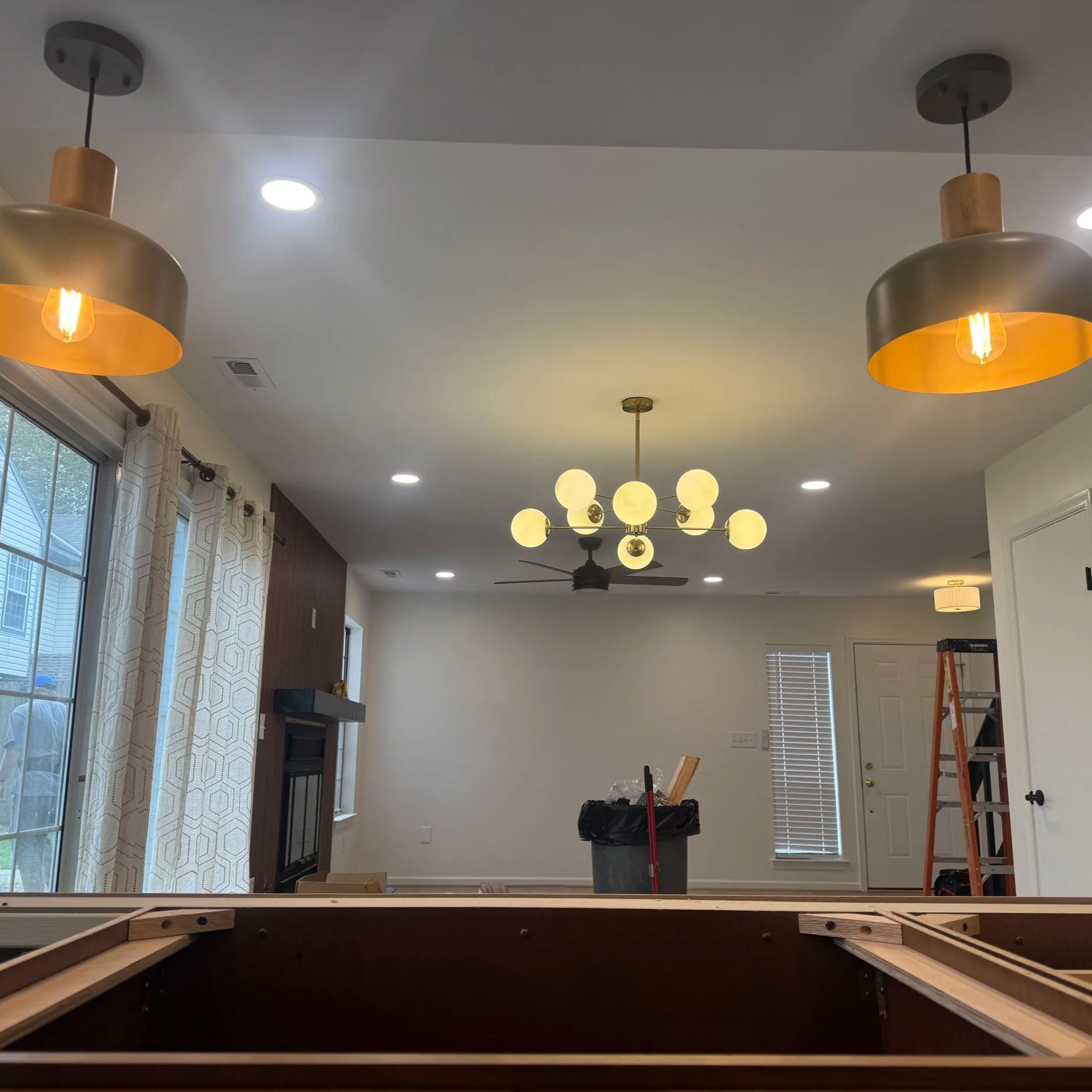
Professional inspections are vital for Virginia Beach residents to ensure humming light fixtures don't lead to serious household electrical fires.
Why Noisy Light Fixtures Are More Than A Minor Annoyance
A light fixture that hums, buzzes, crackles, or pops often gets dismissed as an irritation rather than a warning. Homeowners in Virginia Beach, Virginia, frequently mention these sounds in passing, assuming they relate to bulbs, age, or harmless vibration. In reality, noise from a light fixture almost always indicates electrical instability somewhere in the circuit. Electricity should flow silently. When sound enters the equation, energy is no longer moving cleanly through its intended path, and that disruption deserves attention.
Noise occurs when electrical current encounters resistance, loose connections, or incompatible components. Each sound reflects movement or vibration at a point that should remain stable. Over time, that instability worsens. Metal components heat, insulation degrades, discrepancies in voltage become more pronounced, and stress spreads to surrounding wiring. A fixture making noise today often signals conditions that can escalate into overheating, arcing, or failure inside the ceiling or wall cavity, where visual inspection rarely occurs.
Common Types Of Light Fixture Noise And What They Indicate
Different sounds point toward different electrical conditions, and recognizing those distinctions helps clarify risk. A steady hum or buzz often originates from vibration within the fixture or wiring, usually caused by loose connections or magnetic interference from certain components. Crackling or popping sounds suggest momentary arcing or intermittent contact, which introduces bursts of heat. Clicking may indicate thermal expansion and contraction as components heat up and cool down during operation.
In Virginia Beach homes, buzzing frequently appears when dimmer switches interact poorly with fixtures or bulbs not designed for that type of control. Popping sounds may accompany temperature changes as wiring expands in response to load. Crackling raises greater concern because it often reflects electricity jumping across small gaps inside wire connections or fixture sockets. Each sound represents a different failure mode, yet all share a common theme of electrical instability that should not persist unchecked.
Loose Wiring Inside Fixtures And Ceiling Boxes
Loose wiring stands as one of the most frequent causes of noisy light fixtures. Over time, vibration from ceiling fans, doors closing, or even traffic can loosen wire nuts and terminal screws inside fixture boxes. Once connections lose their firm contact, electricity no longer flows smoothly. Instead, it creates micro arcs or vibrations that translate into audible noise.
Ceiling boxes in older Virginia Beach homes often lack adequate space, forcing wires into tight bends that stress connections. Heat cycles from regular use cause metal conductors to expand and contract, gradually loosening fasteners. As resistance increases at those points, sound accompanies the heat being generated. That heat then accelerates the deterioration of insulation and metal surfaces. Noise becomes the earliest outward sign of damage that continues behind the ceiling long after the sound is ignored.
Fixture Design And Component Compatibility
Not all light fixtures interact equally with every electrical setup. Some fixtures contain transformers, ballasts, or drivers that regulate voltage for specific bulb types. When components are mismatched or begin to fail, vibration and noise follow. Older fluorescent fixtures commonly buzz due to aging ballasts, while certain LED fixtures produce hum when paired with incompatible dimmers or wiring conditions.
In Virginia Beach residences, retrofitting older fixtures with modern bulbs sometimes introduces noise without obvious installation errors. LEDs draw power differently than incandescent bulbs, revealing weaknesses in wiring or switches that previously went unnoticed. Transformers inside low-voltage fixtures may vibrate when internal components degrade or when the supplied voltage fluctuates. Noise in these cases indicates stress within the fixture assembly itself, which can overheat or fail prematurely if left unresolved.
The Role Of Voltage Fluctuations
Voltage irregularities contribute significantly to noisy lighting. Small fluctuations cause components inside fixtures to vibrate or chatter, producing hums and buzzes. These fluctuations may originate from overloaded circuits, shared neutrals, or inconsistent utility supply. In coastal areas like Virginia Beach, storms and humidity sometimes exacerbate voltage instability, especially in older neighborhoods with aging infrastructure.
When fixtures receive uneven voltage, internal components attempt to compensate, generating sound as they work harder. Over time, that stress shortens component lifespan and increases heat production. Noise often intensifies during periods of high electrical demand, such as evenings when multiple appliances operate simultaneously. Persistent sound reflects an electrical environment that lacks stability, placing both fixtures and wiring under ongoing strain.
Heat And Noise As Linked Warning Signs
Noise and heat frequently appear together in problematic fixtures. Resistance creates both sound and temperature rise, and each accelerates the other. A buzzing fixture may feel warm to the touch, or the ceiling around it may trap heat. That heat weakens insulation and plastic components, increasing the likelihood of further noise and eventual failure.
In Virginia Beach homes with insulated ceilings and limited airflow, heat buildup remains hidden longer. Noise becomes the only early warning before damage progresses. As heat accumulates, wire insulation may harden or crack, exposing conductors. At that stage, arcing becomes more likely, dramatically increasing fire risk. Sound provides an audible clue that thermal stress is already at work behind the scenes.
Environmental Stress In Coastal Homes
Coastal conditions introduce unique challenges for electrical systems. High humidity infiltrates ceiling cavities and fixture boxes, introducing moisture that corrodes metal components. Corrosion increases resistance, which in turn generates heat and sound during electrical flow. Salt carried by coastal air accelerates oxidation, particularly in fixtures near exterior walls or in rooms with less climate control.
Temperature swings also contribute. Fixtures mounted on ceilings experience greater fluctuation between day and night temperatures. Expansion and contraction loosen connections gradually, increasing vibration. In Virginia Beach, these environmental factors compound normal aging, making noisy fixtures more common and more concerning. Addressing noise promptly helps counteract the accelerated wear that coastal conditions impose on electrical components.
How Dimmers And Switches Contribute To Fixture Noise
Light fixture noise often traces back to switches rather than the fixture itself. Dimmer switches regulate brightness by rapidly cycling electrical current, which can introduce vibration when components are not perfectly matched. Older dimmers designed for incandescent bulbs frequently struggle with modern LED fixtures, producing hums or buzzes that resonate through the fixture housing. Even standard switches can contribute when internal contacts wear and create an inconsistent electrical flow.
In many Virginia Beach homes, dimmers were added during renovations without upgrading wiring or verifying compatibility. As electrical demand shifts, switches experience thermal stress that loosens internal connections. That looseness allows tiny movements each time current passes, generating an audible vibration that travels through connected fixtures. Noise originating at the switch often intensifies under partial load conditions, such as dimmed settings, revealing instability that continues even when lights appear to function normally.
Why Noise Often Appears After Fixture Replacement
Homeowners frequently report noise beginning shortly after installing a new light fixture. New fixtures tend to be more sensitive to underlying electrical issues that older fixtures tolerated quietly. Modern components operate with tighter tolerances and respond audibly to voltage irregularities or loose wiring that previously went unnoticed. A new fixture does not create the problem, but it exposes conditions already present in the circuit.
In Virginia Beach homes with aging wiring, replacing a fixture can shift weight or tension on existing connections inside ceiling boxes. Wire nuts disturbed during installation may loosen slightly, introducing resistance. New fixtures with lighter housings transmit vibration more readily, making sound easier to hear. Noise appearing after replacement often signals that wiring conditions require attention rather than indicating a defective fixture alone.
Fire Risk Associated With Noisy Light Fixtures
Noise from a light fixture reflects energy escaping its intended path. As resistance increases, heat builds at connection points inside boxes and fixture housings. Over time, that heat degrades insulation, loosens connections further, and increases the likelihood of arcing. Electrical arcing produces extreme localized temperatures capable of igniting surrounding materials.
Ceiling cavities pose a particular risk because heat and sparks remain hidden. In Virginia Beach, homes with wood framing and insulation near fixtures, ignition can occur without immediate visible signs. Electrical fires linked to lighting circuits often begin slowly, smoldering behind ceilings before spreading. Noise acts as an early indicator that conditions inside the fixture or wiring are trending toward that outcome rather than remaining stable.
Why Breakers Rarely Address Lighting Noise
Circuit breakers protect against excessive current, not vibration or resistance-related heat at specific connections. A noisy light fixture may operate well within amperage limits while still generating damaging heat locally. Breakers remain closed while components deteriorate quietly. That disconnect between protection and failure mode often leads homeowners to underestimate the seriousness of lightning noise.
Even advanced protective devices focus on detecting specific fault patterns rather than subtle resistance changes. Lighting circuits rarely draw enough current to trigger overload protection, allowing noise-related issues to persist indefinitely. Addressing fixture noise requires direct inspection of components and connections rather than relying on breaker response to intervene.
Professional Evaluation and Long-Term Solutions
Resolving noisy light fixtures involves examining the entire lighting circuit, not just the audible fixture. Licensed electricians inspect ceiling boxes, wiring connections, switches, and load conditions together. Thermal imaging identifies heat buildup hidden behind surfaces. Compatibility checks confirm whether fixtures, bulbs, and dimmers operate within appropriate parameters.
Corrective work may include reterminating wiring, replacing worn switches, upgrading dimmers, or redistributing lighting loads. In some Virginia Beach homes, addressing voltage imbalance or shared neutral issues stabilizes multiple fixtures at once. Professional evaluation focuses on restoring quiet, efficient electrical flow while reducing long-term fire risk associated with vibration and heat.
FAQs
Buzzing during dimming usually indicates incompatibility between the dimmer and the fixture or bulb. Electrical cycling at partial power causes vibration when components are not designed to work together, which can worsen over time if left unaddressed.
Crackling often signals arcing or intermittent contact inside wiring or the fixture. That condition produces heat and increases fire risk, making prompt inspection important even if the light still works.
Yes. Noise reflects resistance and vibration that generate heat. Over time, heat degrades insulation and connections, increasing the likelihood of arcing and ignition within ceilings or walls.
LED fixtures can reveal existing electrical issues more readily due to their sensitive drivers and lower tolerance for voltage irregularities. Noise usually reflects wiring or compatibility problems rather than the bulb alone.
Reducing use lowers stress on components, but continued operation allows damage to progress. Scheduling a professional evaluation helps identify and correct the cause before safety risks increase.