
Is Your Outlet Hot to the Touch? Warning Signs for Virginia Beach Residents
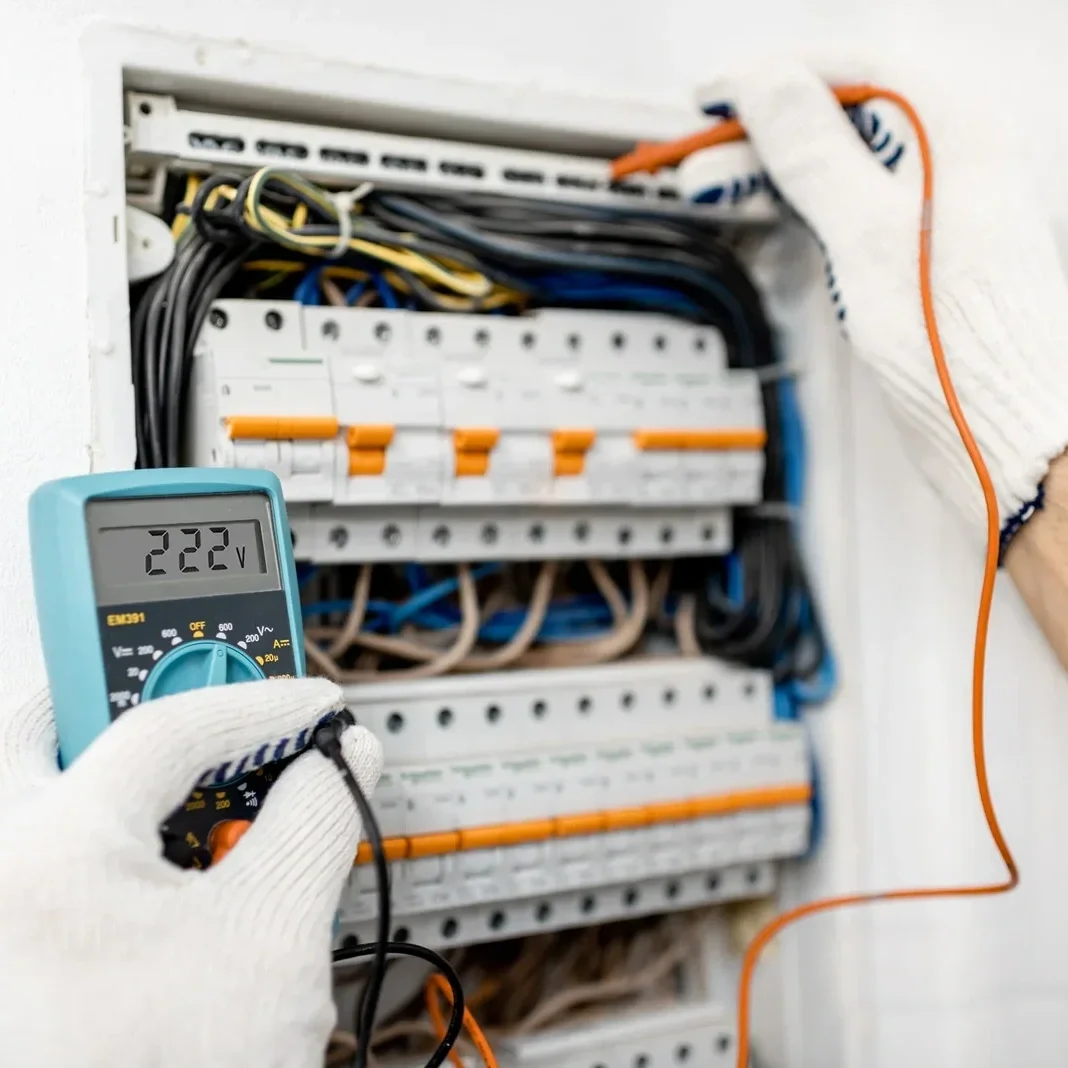
A hot or discolored outlet is a serious warning sign of faulty wiring that requires immediate professional electrical inspection.
Why A Warm Outlet Is Not A Normal Condition
A wall outlet that feels warm to the touch often raises questions for homeowners in Virginia Beach, Virginia, especially when everything plugged into it appears to be working normally. Electricity does generate some heat as it flows, but outlets are designed to dissipate that heat safely through solid metal contacts and properly sized wiring. When warmth becomes noticeable at the faceplate or surrounding wall, electrical energy is no longer moving as efficiently as it should. Heat builds when resistance increases somewhere along the path, and outlets are frequently where that resistance reveals itself first.
Warmth at an outlet signals that electrical components inside the box are under stress. That stress may come from loose terminal connections, worn contact springs, or wiring that no longer matches modern electrical demand. Over time, heat accelerates wear on every component involved. Plastic outlet bodies soften, metal contacts oxidize faster, and insulation behind the wall begins to degrade. Homeowners often underestimate the seriousness because power still flows, yet the conditions that create warmth steadily push the outlet closer to failure while damage spreads out of sight.
How Electrical Resistance Turns Into Heat
Electrical resistance develops whenever current struggles to pass cleanly through a connection. In a healthy outlet, plug prongs press firmly against contact surfaces, creating minimal resistance. As outlets age, those contact points loosen or corrode. Each time electricity flows, microscopic resistance generates heat. That heat further weakens metal tension, increasing resistance even more. The cycle repeats, often unnoticed, until warmth becomes apparent during normal use.
In Virginia Beach homes, humidity plays a significant role in accelerating resistance. Moisture in the air promotes oxidation on metal components, especially inside outlet boxes located on exterior walls. Salt carried inland from the coast compounds the issue, reducing conductivity over time. Appliances drawing moderate current may suddenly push a weakened outlet past its ability to dissipate heat. What begins as slight warmth during heavy use gradually becomes noticeable even under light loads as resistance continues to climb.
Loose Connections Inside Outlet Boxes
Loose wiring connections remain one of the most common causes of hot outlets. Over years of use, vibration from plugging and unplugging devices gradually loosens terminal screws or backstabbed connections. Wiring that no longer sits firmly against metal terminals creates small gaps where electricity must bridge imperfect contact. Heat develops at those junctions, transferring outward through the outlet body and faceplate.
Builder-grade outlets installed in many Virginia Beach homes rely heavily on spring tension rather than robust screw connections. Those springs weaken with age and repeated thermal cycling. As current flows, metal expands and contracts, slowly backing connections out of alignment. Heat buildup becomes more pronounced during periods of high demand, such as summer months when air conditioning units and dehumidifiers run more frequently. Left unaddressed, loose connections continue deteriorating until insulation damage or arcing begins behind the wall.
Overloaded Circuits And Outlet Heat
Outlets often serve as the visible endpoint of overloaded circuits. Many homes were wired when electrical usage looked very different from what it does today. Living rooms once powered lamps and televisions, while modern households support multiple electronics, chargers, and entertainment systems from the same outlets. Kitchens and bedrooms frequently rely on shared circuits that now carry far more load than originally intended.
When circuits operate near capacity for extended periods, wiring and outlets experience sustained heat stress. That heat does not always trigger breaker trips, especially when loads remain just below rated limits. Outlets connected to these circuits feel warm as current pushes through connections under strain. In Virginia Beach, seasonal changes increase load further as portable heaters, window units, or pool equipment come online. Outlet warmth under these conditions signals that the circuit struggles to support present-day demands without degrading over time.
The Role Of Worn Outlet Components
Outlets contain internal components designed to maintain tight contact with plug prongs. Over time, repeated use weakens those components. Contact springs lose tension, metal surfaces pit, and internal connections loosen. A plug that once fit snugly begins to wiggle slightly. Even small movements increase resistance and heat generation during use.
Worn outlets also struggle to handle devices that draw steady current over long periods. Space heaters, hair dryers, and kitchen appliances place continuous demand on outlet contacts. Heat accumulates faster when contacts no longer maintain firm pressure. Homeowners may notice plugs feeling warm when unplugged or outlets remaining warm long after devices are removed. Those symptoms indicate internal wear that worsens each time the outlet carries a load, making replacement more than a cosmetic upgrade.
Environmental Stress In Coastal Homes
Virginia Beach’s coastal environment adds unique stress to electrical outlets. High humidity infiltrates walls and electrical boxes, introducing moisture that corrodes metal components. Salt particles carried by coastal air settle on outlet contacts, accelerating oxidation. Corroded surfaces resist electrical flow more than clean metal, producing additional heat under normal operation.
Temperature fluctuations between day and night also contribute. Expansion and contraction cycles loosen connections incrementally over time. Outlets located on exterior walls, in garages, or near bathrooms often experience these effects more severely. Homeowners may notice warmth appearing seasonally, especially during humid months, as environmental factors compound existing weaknesses within the outlet. These conditions make routine inspection and proactive replacement especially important in Virginia Beach, Virginia.
When Outlet Heat Signals A Broader Wiring Issue
A hot outlet sometimes reflects deeper problems beyond the device itself. Wiring feeding the outlet may have degraded insulation, compromised splices, or shared neutral issues affecting voltage stability. When wiring struggles upstream, heat often appears first at the outlet because it serves as the point of connection between wiring and devices.
In many homes, electricians trace warm outlets back to junction boxes hidden behind walls or ceilings. Loose splices or aging connectors introduce resistance that transfers heat along the circuit. Even if only one outlet feels warm, the entire circuit may operate under stress. Ignoring that warning allows heat-related damage to spread beyond the visible outlet, increasing repair complexity and fire risk throughout the home.
Why Breakers Often Stay Silent
Homeowners frequently assume circuit breakers will shut off power before outlet heat becomes dangerous. Breakers respond primarily to excessive current, not gradual heat buildup from resistance. A circuit may remain within amperage limits while still generating damaging heat at outlets and connections. Breakers remain closed while outlets deteriorate quietly.
Modern protection devices improve the detection of certain faults, but many Virginia Beach homes still rely on older breaker technology. Even newer systems may not detect heat caused by loose connections until significant damage occurs. Outlet warmth serves as an early warning that protective devices have not addressed, making direct attention to the outlet itself essential rather than waiting for a breaker response.
How High-Demand Appliances Stress Outlets Over Time
Certain appliances place sustained stress on outlets that many homeowners do not immediately associate with heat buildup. Devices like space heaters, window air conditioners, dehumidifiers, and even older refrigerators draw steady current for long periods rather than short bursts. Outlets feeding these appliances operate under continuous load, which magnifies any weakness in contact pressure or wiring integrity. Even a slightly loose terminal or worn contact spring can generate noticeable heat when subjected to hours of uninterrupted current flow.
In Virginia Beach homes, seasonal appliance use makes this problem harder to spot. A portable heater may only run a few months each year, allowing heat damage to accumulate gradually rather than all at once. By the time warmer months arrive, the outlet may already be compromised, yet symptoms disappear when the appliance is unplugged. When another high-demand device later uses the same outlet, heat returns more quickly and more intensely. Over successive seasons, repeated thermal stress accelerates internal wear until the outlet begins heating even under moderate loads, reflecting long-term degradation rather than a single appliance issue.
Improper Outlet Installation And Past Repairs
Outlet heat frequently traces back to installation practices that looked acceptable at the time but failed under real-world conditions. Outlets installed using backstab connections instead of screw terminals depend on spring tension alone to maintain contact. As years pass, those springs relax, increasing resistance and heat generation. In some Virginia Beach homes, outlets were replaced cosmetically during renovations without addressing wiring conditions or connection methods, leaving hidden weaknesses untouched.
Past repairs also contribute when wire insulation was nicked, stripped improperly, or bent sharply to fit shallow boxes. Damaged conductors resist electrical flow unevenly, producing localized heat that travels to the outlet face. Overfilled electrical boxes reduce airflow and trap heat, worsening the problem. Each shortcut may seem minor on its own, yet combined, they create outlets that warm quickly under normal use. These conditions often go unnoticed until warmth becomes consistent, by which point internal damage has already progressed.
Why Heat Can Spread Beyond One Outlet
A warm outlet rarely exists in isolation. Electrical circuits distribute current across multiple devices, outlets, and junctions. When one outlet develops resistance, current seeks alternate paths, placing additional stress on upstream connections. Junction boxes feeding the outlet may heat, even if the outlet itself receives attention first. Over time, resistance at one location destabilizes voltage and current distribution across the entire circuit.
Electricians working in Virginia Beach frequently find that a hot outlet is simply the first visible symptom of broader circuit strain. Other outlets on the same run may show early signs of loosening or discoloration once inspected. Shared neutrals or compromised splices amplify these effects by introducing uneven load distribution. Treating a single outlet without evaluating the full circuit allows heat-related damage to continue elsewhere, setting the stage for repeated issues that appear unrelated but stem from the same underlying imbalance.
Fire Risk Associated With Hot Outlets
Heat at an outlet represents uncontrolled energy escaping where it should not. As temperatures rise, plastic outlet bodies soften and lose structural strength. Insulation on connected wiring begins to break down, exposing conductors. Once insulation degrades, arcing becomes more likely, producing even higher temperatures in concentrated areas. Wood framing, dust, and debris inside wall cavities provide fuel for ignition when exposed to sustained heat or sparks.
Electrical fires linked to outlets often start slowly, smoldering behind walls before visible smoke appears. In Virginia Beach homes with wood construction and older insulation materials, fire spreads rapidly once ignition occurs. Outlet warmth acts as an early warning sign that conditions are trending toward that outcome. Addressing heat early interrupts the chain of deterioration that leads from resistance to ignition, reducing the likelihood of damage extending far beyond the original outlet location.
FAQs
Residual heat may linger after heavy appliance use, but persistent warmth often indicates resistance inside the outlet or wiring feeding it. Loose connections or corroded contacts continue generating heat even at low current levels, making inspection important.
A warm outlet signals abnormal conditions but does not always require an emergency response. Heat accompanied by discoloration, burning odors, buzzing sounds, or loose plugs increases urgency and warrants immediate attention.
Outlet replacement may resolve heat caused by worn contacts, but underlying wiring or load issues often remain. Without addressing those factors, heat may return at the same outlet or appear elsewhere on the circuit.
Older homes often use wiring methods and materials more susceptible to loosening, corrosion, and overload. Combined with modern electrical demand and coastal humidity, these factors increase outlet heat risk.
Outlets should be evaluated whenever warmth, loose plugs, or visible damage appears. In coastal environments like Virginia Beach, periodic professional inspections help identify developing issues before heat leads to failure.