
Is Your Outlet Arcing? Signs and Dangers for Virginia Beach Homes
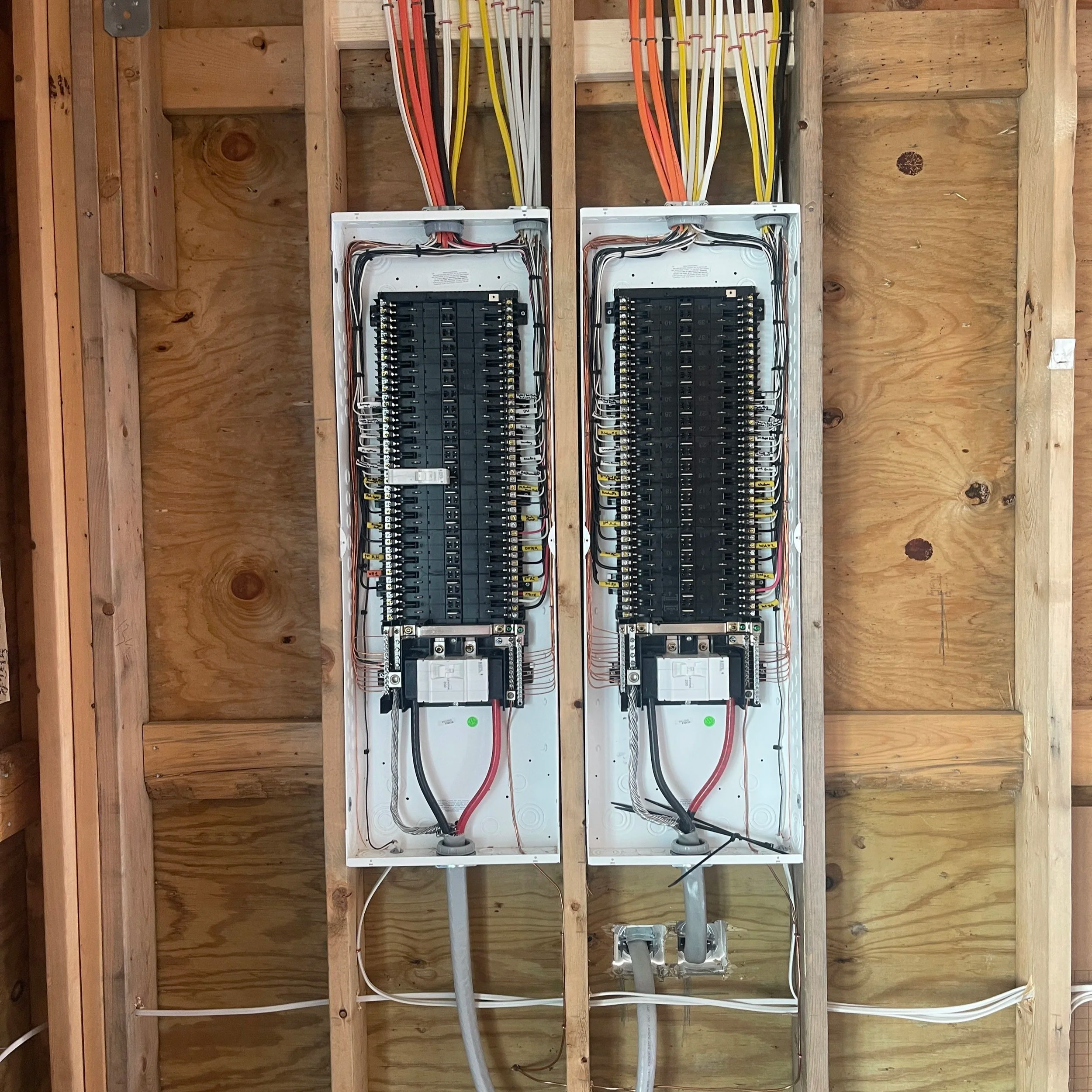
Visible scorch marks on a Virginia Beach home's outlet are a serious sign of electrical arcing and immediate fire danger.
What Outlet Arcing Really Means Inside Your Electrical System
Outlet arcing refers to electrical current jumping across a gap rather than flowing smoothly through a solid connection. Inside a wall outlet, electricity should move cleanly from the wiring to the device plug with firm contact at every point. When that pathway breaks down, even slightly, electricity looks for another route. That route becomes a visible or audible arc, often accompanied by sparks, popping sounds, or a brief flash when plugging something in. Homeowners in Virginia Beach, Virginia, frequently notice arcing during routine use, especially in older homes where outlets have endured decades of wear.
Arcing matters because it represents uncontrolled electrical energy, releasing heat in concentrated bursts. Each arc erodes metal contacts inside the outlet, worsening the gap that caused the problem in the first place. Over time, arcs become stronger and more frequent. Heat transfers into the outlet body, the wiring behind it, and nearby insulation. Unlike a breaker trip, arcing does not always interrupt power immediately. Electricity continues flowing while damage accumulates quietly behind the wall, creating conditions where ignition becomes increasingly likely without any dramatic warning.
Common Causes Of Arcing In Residential Outlets
Loose connections sit at the top of the list when diagnosing arcing outlets. Repeated plug insertion slowly loosens internal contact springs, especially in heavily used outlets such as those in kitchens, living rooms, and bedrooms. Once plugs no longer fit snugly, electricity must bridge small air gaps during operation. That jump produces sparks. In Virginia Beach homes, humidity accelerates corrosion inside outlets, weakening metal surfaces and increasing resistance even when plugs feel tight.
The wiring method also plays a role. Backstabbed connections, common in many builder-grade installations, rely on spring tension rather than screw terminals. Over time, those springs lose grip. Heat cycles from daily appliance use cause expansion and contraction, gradually loosening the connection further. Damaged cords, bent prongs, and oversized appliance plugs compound the problem. Each imperfect connection increases the likelihood of arcing events that slowly degrade both the outlet and the wiring feeding it.
Why Arcing Often Appears Intermittent At First
Many homeowners dismiss early arcing because it does not happen every time an outlet is used. Intermittent behavior often reflects small variations in load and contact pressure. A lamp may spark only when switched on, or a vacuum may trigger a brief flash when plugged in but operate normally afterward. That inconsistency creates a false sense of safety. Arcing occurs most often during moments of high current draw, when electricity demands peak and resistance becomes more pronounced.
As internal outlet damage progresses, arcing becomes easier to trigger. Carbon deposits form on contact surfaces, creating conductive paths that worsen future arcs. Heat damages plastic outlet housings, reducing structural integrity. Over time, even light loads may produce sparks. In Virginia Beach, temperature and humidity shifts further influence expansion and contraction inside outlet boxes, making arcing seem unpredictable while steadily advancing toward failure.
The Fire Risk Behind Walls And Outlet Boxes
Electrical fires linked to outlet arcing rarely start at the visible faceplate. They begin behind it. Each arc generates intense heat in a very small area, hot enough to char wood framing or melt wire insulation. Insulation breakdown exposes bare conductors, increasing the chance of sustained arcing or short circuits. Combustible dust inside wall cavities adds fuel. Once ignition occurs, fire spreads along studs and wiring pathways, often unnoticed until smoke emerges.
Virginia Beach homes with older construction face an elevated risk due to aging materials and outdated wiring practices. Aluminum wiring, cloth insulation, or ungrounded outlets respond poorly to arcing stress. Even newer homes are not immune, especially where high-demand devices concentrate usage on a limited number of outlets. Arcing serves as an early warning that heat is escaping containment and moving into places never designed to handle it.
Why Breakers Do Not Always Stop Outlet Arcing
Circuit breakers protect against overloads and short circuits, not all forms of arcing. Many arcs draw current below the breaker’s trip threshold. Electricity continues flowing while sparks damage outlet components. Standard breakers respond slowly to these conditions, allowing repeated arcs over long periods. Only when arcing escalates into a full short or overload does the breaker intervene, often after significant damage has already occurred.
Arc fault circuit interrupters improve detection, but many Virginia Beach homes lack them in older circuits. Even where present, AFCIs may not detect every arc type, especially those caused by loose outlet contacts rather than damaged wiring. Relying solely on breaker protection leaves gaps in safety coverage. Visual and audible signs at outlets provide critical clues that require direct attention rather than waiting for a breaker response.
Environmental Factors In Coastal Virginia Beach Homes
Coastal conditions accelerate outlet degradation. Salt-laden air infiltrates homes, settling on metal components inside outlets and junction boxes. Moisture combines with salt to promote corrosion, reducing conductivity and increasing resistance at contact points. Corroded contacts arc more easily under load. Even homes several miles inland experience these effects due to prevailing winds and humidity.
Garage outlets, exterior walls, and rooms with higher moisture levels show symptoms sooner. Temperature swings between day and night also stress materials, loosening connections incrementally. In Virginia Beach, seasonal storms and power fluctuations add another layer of electrical stress. Outlets that appear functional during dry months may begin arcing during humid seasons as environmental factors compound existing weaknesses.
How Aging Wiring Amplifies Outlet Arcing Risks
Outlet arcing rarely exists as an isolated problem, especially in homes where the wiring system itself has aged alongside the outlets. Many Virginia Beach, Virginia homes still rely on wiring installed decades ago, when electrical demand was lighter, and materials differed significantly from modern standards. Copper conductors oxidize over time, and insulation materials harden, crack, or lose flexibility. As wiring stiffens, movement at connection points increases stress on outlet terminals, making solid contact harder to maintain under normal use.
Aging wiring also struggles with today’s electrical loads. Circuits originally intended for lamps and radios now support televisions, chargers, computers, and appliances that draw higher current for longer periods. Increased load raises operating temperatures along the wire run, which further weakens insulation and expands conductors. Expansion and contraction cycles loosen terminations inside outlet boxes. Arcing becomes more frequent as electricity encounters inconsistent contact surfaces. Ignoring these conditions allows deterioration to progress beyond the outlet, spreading heat damage deeper into walls and ceilings, where repairs become more complex and disruptive.
Improper Repairs And DIY Modifications
Well-intentioned DIY repairs often contribute to outlet arcing, particularly when homeowners attempt quick fixes without addressing underlying issues. Replacing a faceplate, tightening a visible screw, or swapping an outlet without inspecting wiring conditions may temporarily reduce symptoms while leaving critical problems unresolved. Incorrect wire stripping, improper torque on terminal screws, or mixing incompatible devices introduces new points of resistance that encourage arcing during normal operation.
In Virginia Beach homes, renovation projects sometimes involve extending circuits or adding outlets without recalculating load capacity. Splicing wires inside cramped boxes increases heat concentration and reduces airflow. Wire nuts that loosen over time or connections wrapped improperly with tape create unstable contact points. Each shortcut compounds electrical stress, increasing the frequency and intensity of arcing events. Professional electricians often discover multiple layers of past modifications contributing to a single arcing outlet, illustrating how small missteps accumulate into serious hazards.
The Impact of High-Demand Appliances On Outlets
Certain appliances place unique stress on outlets due to their startup characteristics and sustained current draw. Refrigerators, window air conditioners, space heaters, and power tools demand significant current when starting, even if their steady state draw seems reasonable. That initial surge challenges outlet contacts, especially if they have loosened or corroded over time. Each surge increases the likelihood of a visible spark or audible pop during use.
In Virginia Beach households, seasonal equipment changes amplify these stresses. Space heaters appear during cooler months, while dehumidifiers and portable air conditioners run during humid summers. Outlets not designed or rated for repeated high demand experience accelerated wear. Heat builds at contact points, weakening springs and terminals. Over time, appliances that once operated quietly begin producing sparks during connection or operation. Addressing outlet arcing in these cases requires evaluating both the outlet condition and whether the circuit adequately supports the appliance load long term.
Why Arcing Can Spread Beyond A Single Outlet
Outlet arcing often indicates broader circuit issues rather than a localized defect. When resistance increases at one outlet, current redistributes along the circuit, placing additional stress on upstream and downstream connections. Junction boxes, switches, and other outlets on the same circuit may experience elevated temperatures even if no visible arcing occurs there initially. Over time, multiple points along the circuit degrade simultaneously.
In homes across Virginia Beach, electricians frequently trace arcing outlets back to shared neutral issues or compromised connections at other locations. A failing neutral creates uneven voltage distribution, increasing stress on outlets throughout the circuit. Arcing may appear at the weakest link first, but damage rarely stays confined. Left unaddressed, these conditions lead to widespread insulation breakdown and heightened fire risk across entire rooms or floors of the home.
Modern Safety Devices And Their Limitations
Arc fault circuit interrupters provide improved protection against certain arcing conditions, yet they do not eliminate risk entirely. AFCIs monitor electrical patterns and shut down power when specific arc signatures appear. Many older Virginia Beach homes lack these devices outside of newer bedroom circuits. Even where installed, AFCIs may not detect low-level arcing caused by worn outlet contacts or loose terminal screws.
AFCIs complement but do not replace physical inspection and maintenance. Outlets with degraded contacts continue generating heat even if arcs remain below detection thresholds. Relying solely on protective devices creates blind spots. Comprehensive safety depends on maintaining solid mechanical connections, proper load distribution, and healthy wiring conditions. Modern devices add a layer of defense, but foundational electrical integrity remains essential for long-term safety.
Professional Evaluation And Corrective Strategies
Addressing outlet arcing effectively requires a systematic approach rather than isolated component replacement. Licensed electricians evaluate outlet condition, wiring integrity, circuit loading, and environmental influences together. Thermal imaging identifies hidden heat patterns behind walls and within boxes. Load testing reveals circuits operating near capacity. Visual inspection uncovers corrosion, improper connections, and past modifications contributing to instability.
Corrective strategies may include replacing outlets with higher quality devices, reterminating wiring using proper methods, redistributing loads across circuits, or upgrading wiring segments that show heat damage. In some Virginia Beach homes, panel improvements or additional dedicated circuits reduce stress on existing outlets. Professional intervention interrupts the cycle of arcing and deterioration, restoring predictable electrical flow and reducing fire risk without relying on temporary fixes.
FAQs
Early signs include brief sparks when plugging in devices, faint popping sounds, scorch marks on the outlet face, or a burning odor. Outlets may feel warm during use or fail to hold plugs securely. These symptoms often appear intermittently before becoming consistent.
Short-duration arcing still causes damage each time it occurs. Heat generated during brief arcs degrades metal contacts and insulation, increasing the likelihood of more severe arcing later. Repeated minor events accumulate into a serious fire risk over time.
Yes, appliances with damaged cords, bent prongs, or internal electrical faults can trigger arcing at otherwise functional outlets. Identifying whether the issue follows the appliance or remains at the outlet helps determine the root cause.
Older homes often use outdated wiring methods and materials that are more susceptible to loosening, corrosion, and overload. Combined with modern electrical demand and coastal humidity, these factors increase the likelihood of outlet arcing.
Outlets showing arcing signs should not remain in service. Continued use allows damage to progress behind walls. Prompt evaluation and replacement reduce the chance of ignition and prevent broader circuit damage.