
Outlet Feels Warm? What Virginia Beach Homeowners Should Know
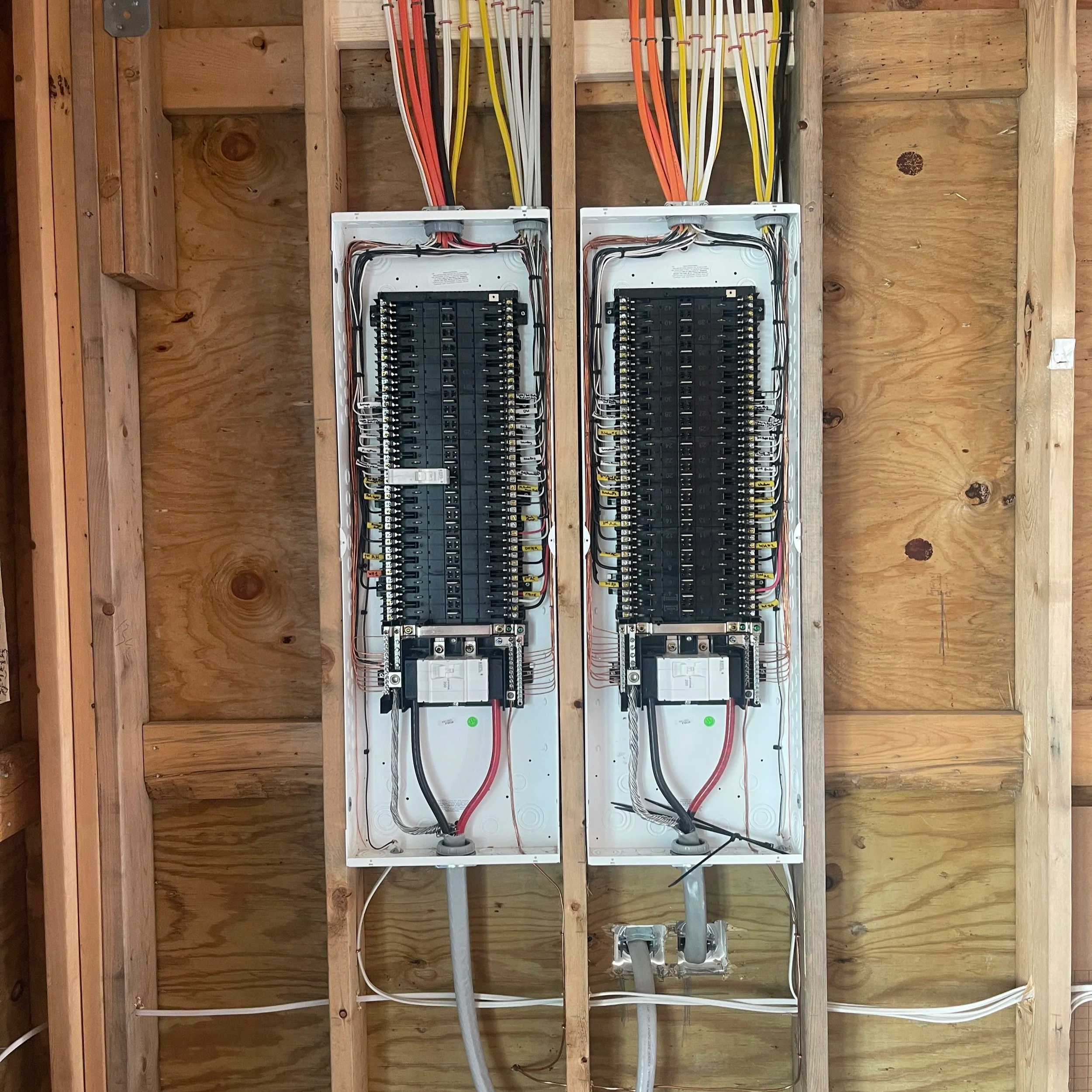
A warm outlet can signal overloaded circuits or faulty wiring; Virginia Beach homeowners should unplug devices and consult a professional.
Why A Warm Outlet Is Never Normal
An outlet that feels warm to the touch often gets brushed off as harmless, especially if it still works and nothing smells burned. Many homeowners in Virginia Beach, Virginia, assume warmth comes from devices drawing power or from normal electrical activity behind the wall. In reality, outlets should remain close to room temperature during normal operation. Electrical systems are designed so that heat generated by current flow dissipates safely through conductors and devices without transferring noticeable warmth to outlet surfaces. When heat reaches the faceplate or outlet body, something in that system is no longer operating as intended.
Warmth at an outlet signals resistance somewhere in the electrical path. Resistance occurs when electricity struggles to move smoothly through a connection. That struggle converts electrical energy into heat. Over time, heat degrades insulation, weakens metal components, and loosens connections further, creating a cycle that feeds on itself. A warm outlet rarely stays just warm. Without correction, temperatures tend to rise incrementally, increasing the risk of arcing, melting, or ignition behind the wall.
How Electrical Resistance Creates Heat
Electricity prefers solid, continuous contact. When connections loosen, corrode, or wear down, resistance increases. That resistance forces electricity to work harder to pass through the affected point. The energy lost during that effort becomes heat. Even a small increase in resistance can generate significant temperature changes, especially when current flows continuously.
In Virginia Beach homes, resistance often develops quietly. Humidity promotes corrosion on metal contacts. Salt carried inland accelerates oxidation. Thermal expansion from everyday use loosens terminals over time. These factors combine to create subtle resistance points that slowly heat up under normal loads. Because breakers monitor current rather than temperature, they remain closed while heat builds at outlets. The outlet feeling warm is often the first tactile warning homeowners receive that resistance has reached a problematic level.
Loose Plug Connections And Internal Contact Wear
One of the most common reasons an outlet feels warm is due to worn internal contact tension. Outlets rely on spring-loaded metal contacts to grip plug prongs tightly. That pressure maintains a stable electrical contact. Over years of use, those springs weaken. Plugs fit loosely, shifting slightly when cords move, or devices vibrate.
As contact loosens, electricity no longer flows evenly across the metal surfaces. Small gaps form where the current must bridge imperfect contact points. That bridging generates localized heat. Each heating cycle weakens the contacts further, allowing even more movement and heat generation. In Virginia Beach homes, high humidity accelerates contact corrosion, reducing surface area and worsening resistance. A warm outlet often coincides with plugs that feel loose or fall out easily, both symptoms of internal contact failure progressing together.
Backstab Wiring And Heat Buildup
Many residential outlets are wired using backstab connections rather than screw terminals. Backstab wiring relies on spring clips inside the outlet to hold conductors in place. While fast to install, these clips lose tension over time. As tension drops, the wire connection becomes less secure, increasing resistance at that point.
In Virginia Beach neighborhoods built during periods when backstab wiring was common, warm outlets frequently trace back to failing spring connections. Heat develops at the wire termination inside the outlet box rather than at the plug itself. That heat transfers through the outlet body, warming the faceplate. Because the failure occurs behind the device, homeowners may not notice loose wiring until heat becomes noticeable. Left unaddressed, backstab failures can lead to arcing inside the box, further increasing fire risk.
High Load Devices And Continuous Heat
Outlets serving high-demand devices experience more stress than those used occasionally. Space heaters, window air conditioners, dehumidifiers, microwaves, and hair dryers draw sustained current that amplifies any existing resistance. When these devices plug into outlets with marginal connections, heat generation increases significantly.
In Virginia Beach, seasonal appliance use makes this pattern common. Dehumidifiers running during humid months and heaters during cooler periods place a continuous load on outlets. If the outlet already shows signs of wear, that sustained current pushes temperatures higher. The outlet may feel warm only during or after device use, creating a false sense of safety when the device is unplugged. In reality, the heat reflects a connection struggling under load rather than an isolated appliance issue.
Corrosion And Coastal Environmental Stress
Coastal conditions introduce challenges that inland homes rarely face. Moisture infiltrates outlet boxes through walls, especially on exterior-facing outlets. Salt in the air accelerates corrosion on metal components. Corrosion reduces conductive surface area and increases resistance, both of which contribute to heat generation.
In Virginia Beach homes, outlets located on exterior walls, in garages, or near bathrooms often show warmth sooner than those in protected interior spaces. Corrosion rarely affects all outlets equally. It targets the most exposed or heavily used locations first. A warm outlet often represents the point where environmental stress has exceeded the outlet’s ability to dissipate heat safely, signaling that replacement or repair is overdue.
Why Breakers Do Not Trip When Outlets Overheat
Many homeowners expect a warm outlet to trigger a breaker trip. Circuit breakers respond to excessive current, not localized heat caused by resistance. A warm outlet may draw normal amperage while generating dangerous temperatures at the contact point. Because overall current remains within limits, the breaker sees no fault and stays engaged.
This mismatch between protection and failure mode creates a blind spot. Heat builds slowly, damaging components without triggering system shutdown. In Virginia Beach homes with wood framing and insulation packed tightly around outlet boxes, that hidden heat becomes especially dangerous. Relying on breakers alone leaves mechanical wear and resistance-related hazards unchecked.
Why Warm Outlets Often Indicate Broader Electrical Aging
A warm outlet rarely exists in isolation. It often appears alongside other subtle symptoms such as flickering lights, buzzing sounds, or outlets that no longer grip plugs firmly. These signs point toward system-wide aging rather than a single defective device.
Homes in Virginia Beach built decades ago now support far more electrical demand than originally intended. Added electronics, appliances, and charging devices push circuits harder. Over time, cumulative stress affects outlets, wiring, and panel connections. Discovering a warm outlet often provides an opportunity to evaluate other components on the same circuit before additional failures appear elsewhere.
When Warmth Turns Into A Fire Hazard
Heat inside an outlet box does not dissipate easily. Insulation, dust, and debris surrounding the box trap warmth, allowing temperatures to rise gradually. As plastic components soften and insulation degrades, the risk of arcing increases. Arcing produces intense localized heat capable of igniting nearby materials.
In Virginia Beach homes, where humidity and corrosion already weaken materials, this progression can move faster than homeowners expect. A warm outlet today can become a hot outlet tomorrow and a fire source later if ignored. Addressing the issue while symptoms remain mild prevents escalation into more serious and costly repairs.
When To Take Action On A Warm Outlet
Any outlet that feels noticeably warm warrants attention, especially if warmth persists when no high-load device is in use. Warmth accompanied by loose plugs, discoloration, buzzing, or intermittent power loss requires prompt evaluation. These signs indicate that resistance has progressed beyond normal wear.
Electricians assessing warm outlets inspect wiring terminations, outlet condition, box fill, and circuit loading together. In Virginia Beach homes, inspections often include checking for corrosion caused by coastal exposure. Correcting the issue may involve replacing the outlet, reterminating wiring, or addressing upstream connections contributing to heat buildup. Early action reduces fire risk and restores safe operation before damage spreads behind walls.
Why Warm Outlets Can Affect Nearby Wiring And Devices
Heat generated at a single outlet rarely stays confined to that outlet alone. Electrical boxes contain not only the outlet but also wire connections feeding other parts of the circuit. When an outlet runs warm, heat transfers into the surrounding conductors and insulation. Repeated exposure to elevated temperatures dries out insulation, reducing its flexibility and protective qualities. Once insulation hardens or cracks, wires become more vulnerable to movement, vibration, and incidental contact with metal components inside the box.
In Virginia Beach homes, this process often unfolds slowly due to environmental factors. Humidity softens insulation initially, then heat cycles accelerate breakdown. As wiring degrades, resistance increases not just at the outlet but along connected conductors. That added resistance can cause other outlets on the same circuit to begin warming as well, even if they still function normally. A warm outlet frequently represents the first visible symptom of broader heat stress spreading through part of the circuit.
Why DIY Fixes Often Miss The Real Problem
Homeowners sometimes attempt to address a warm outlet by tightening the faceplate, swapping plugs, or limiting the use of certain devices. While reducing load may temporarily lower the temperature, it does not correct the underlying resistance causing heat buildup. Tightening the outlet mounting screws does not restore worn internal contacts or compromised wire terminations.
In Virginia Beach residences, improper DIY attempts can unintentionally worsen the situation. Disturbing aged or corroded wiring may loosen connections further or damage insulation. Replacing an outlet without correcting backstab wiring upstream leaves resistance points untouched. Electrical heat issues require identifying exactly where resistance originates rather than treating surface symptoms. Without proper diagnosis, warmth often returns and progresses despite repeated minor adjustments.
How Warm Outlets Relate To Voltage Stability
The resistance that causes outlets to warm also affects voltage delivery. As resistance increases, voltage drops across the affected connection. Devices plugged into that outlet may receive inconsistent power, leading to flickering lights, slow appliance startup, or electronics resetting unexpectedly. These voltage irregularities add stress to devices while further heating the connection.
In Virginia Beach homes with multiple electronics and smart devices, voltage instability caused by warm outlets can create cascading effects. Sensitive equipment draws higher current to compensate for reduced voltage, which generates additional heat at already compromised points. This feedback loop accelerates wear on outlets, wiring, and connected devices. Recognizing a warm outlet as part of a voltage stability issue helps explain why symptoms often extend beyond heat alone.
Why Warm Outlets Should Not Be Ignored Even If They Still Work
A working outlet that feels warm can create a false sense of security. Power flow continues, so homeowners assume the system remains safe. In reality, continued operation under heat stress speeds deterioration. Each hour of use pushes materials closer to their failure thresholds. Plastic components soften, metal contacts lose shape, and insulation weakens further.
In Virginia Beach homes, fires caused by electrical failures often trace back to components that remained functional until the moment they failed catastrophically. Warm outlets represent a stage where intervention remains relatively simple and affordable. Ignoring that stage allows damage to progress into walls, ceilings, or panels, where repairs become more invasive and costly.
When Professional Evaluation Becomes Necessary
Calling an electrician becomes important when an outlet feels warm consistently or shows additional warning signs. Professionals use thermal imaging, voltage testing, and physical inspection to identify resistance points accurately. Evaluations include checking wire terminations, outlet condition, circuit loading, and upstream connections that may contribute to heat.
In Virginia Beach, electricians also account for coastal environmental factors when diagnosing warm outlets. Corrosion, moisture intrusion, and aging materials often require broader corrective measures beyond a single outlet replacement. Professional evaluation restores safe electrical performance and helps prevent similar issues from developing elsewhere on the system.
FAQs
Outlets should remain close to room temperature during normal use. Noticeable warmth indicates resistance or poor contact that requires attention.
Yes. Heat can originate from wiring or internal connections behind the outlet, even without a device plugged in, especially if resistance is present upstream.
Limiting use reduces immediate stress, but the outlet should still be inspected. Continued operation, even at low load, allows heat-related damage to progress.
Not always. If resistance exists in wiring connections or upstream devices, replacement alone may not resolve the issue. Diagnosis determines the correct repair.
Inspection should be scheduled promptly once warmth is noticed. Early evaluation prevents escalation into overheating, arcing, or fire hazards.