
Outlet Popping Sound in Your Virginia Beach Home? Don’t Ignore It
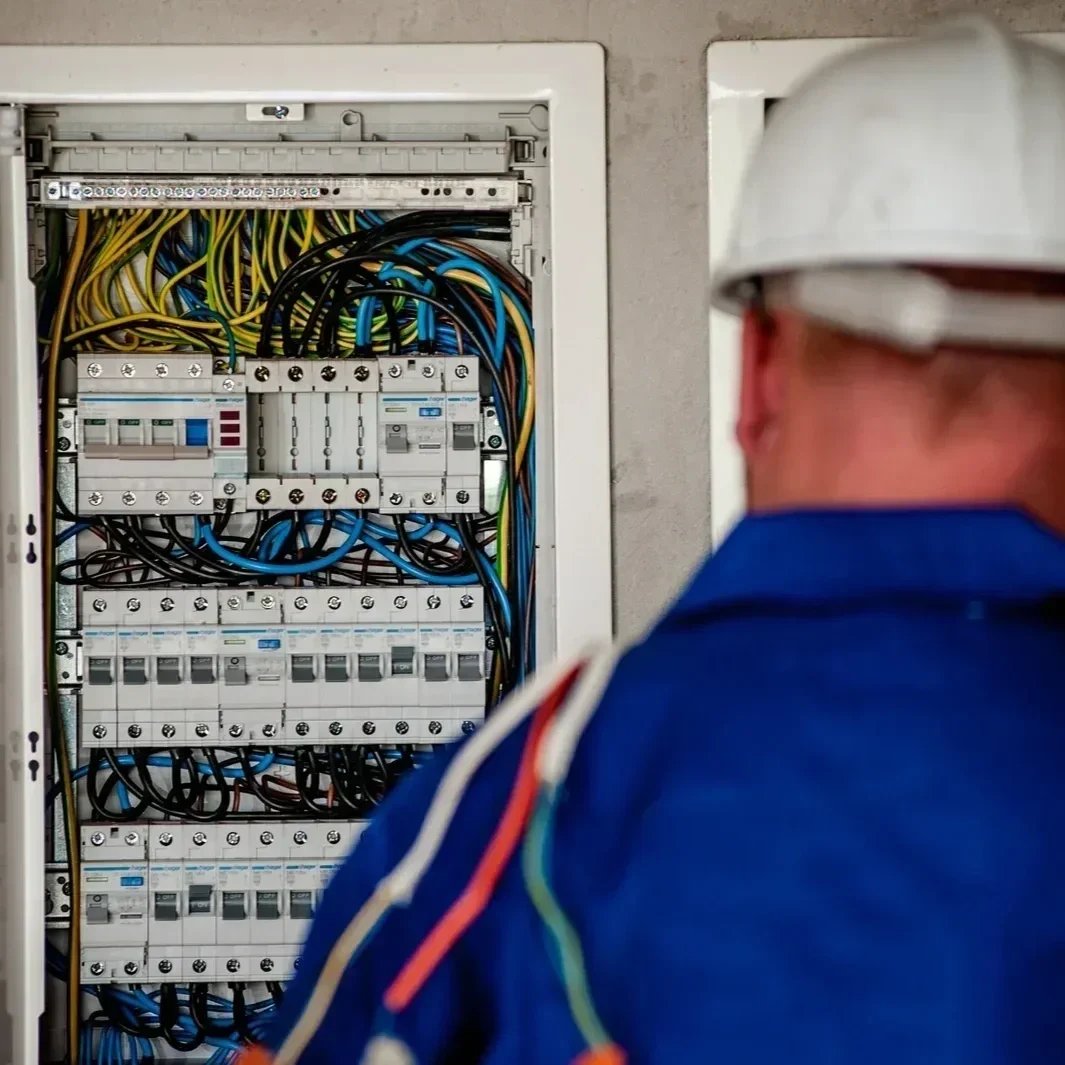
A popping outlet is a major fire hazard. Don't risk your home—contact a Virginia Beach electrician to inspect your wiring.
What A Popping Sound From An Outlet Really Means
A popping sound coming from an outlet often stops homeowners in their tracks, especially when it happens without warning. In Virginia Beach, Virginia, many people hear a brief pop and assume it was static, a plug shifting, or a harmless electrical quirk. In reality, popping noises are almost never random. That sound is usually electricity discharging energy where it should not, often through air rather than solid metal contact. Electrical systems are designed to operate silently. Any audible noise coming from an outlet signals abnormal electrical behavior.
Popping sounds typically indicate arcing. Arcing occurs when electricity jumps across a gap caused by loose connections, damaged contacts, or deteriorated wiring. That jump produces heat, light, and sound in a fraction of a second. While the pop itself may seem minor, the conditions that create it often worsen over time. Each arc damages metal surfaces further, making the next arc easier and more intense. A popping outlet represents an early warning that electrical energy is escaping its intended path inside the wall.
Why Arcing Produces Sound And Heat
Electricity prefers the path of least resistance. When a solid metal connection exists, current flows smoothly and quietly. When that connection weakens, resistance increases and gaps form. Electricity then leaps across those gaps as an arc. That leap creates a popping or snapping sound as energy rapidly ionizes air and releases heat.
In Virginia Beach homes, arcing often develops gradually. Humidity and salt exposure promote corrosion on metal components. Thermal expansion from normal electrical use loosens terminals over time. Once resistance reaches a tipping point, arcing begins. The sound may occur only occasionally at first, often when a device turns on or a cord moves. As damage accumulates, popping becomes more frequent and louder. Each audible event reflects heat intense enough to degrade insulation and weaken nearby materials.
Loose Plug Connections As A Common Trigger
One of the most frequent causes of outlet popping is a loose plug connection. Outlets rely on internal spring tension to grip plug prongs tightly. That pressure maintains consistent electrical contact. Over years of use, those internal springs weaken. Plugs begin to sit loosely, shifting slightly when cords move or appliances vibrate.
When a loose plug shifts under load, electrical contact breaks momentarily. Current jumps the small gap, producing a pop. That arc generates heat that further damages the outlet contacts. In Virginia Beach homes, high humidity accelerates corrosion on these contacts, reducing surface area and increasing resistance. A popping sound often accompanies other symptoms such as flickering lights, loose-fitting plugs, or outlets that feel warm to the touch. These signs tend to appear together as contact wear progresses.
Backstab Wiring And Internal Arcing
Many residential outlets use backstab wiring, where conductors are pushed into spring clips rather than secured under screw terminals. While code-compliant, this method proves less durable over time. The spring clips lose tension, allowing wires to move slightly under load. That movement creates intermittent contact, which leads to arcing inside the outlet box.
In Virginia Beach neighborhoods built during periods when backstab wiring was common, popping sounds often originate behind the outlet rather than at the plug. Arcing occurs at the wire termination inside the device. Homeowners may hear a pop without seeing sparks or smelling anything unusual, making the issue easy to dismiss. Over time, repeated arcing damages insulation and outlet bodies, increasing fire risk behind walls where detection is delayed.
Moisture And Coastal Environmental Effects
Coastal conditions significantly influence electrical behavior in Virginia Beach homes. Moisture infiltrates outlet boxes through walls, especially on exterior-facing outlets. Salt carried inland accelerates oxidation on metal parts. Corrosion increases resistance and reduces contact quality, both of which encourage arcing.
When moisture combines with electrical energy, popping sounds may occur more frequently. Small arcs form more easily across corroded or damp surfaces. These arcs dry out insulation and degrade protective coatings, making future arcing even more likely. Outlets in bathrooms, kitchens, garages, and exterior walls often experience these conditions first. A popping sound in these locations often reflects environmental stress, pushing already weakened components beyond safe operating limits.
High Load Devices And Sudden Demand Changes
Popping sounds frequently coincide with high-demand devices turning on or off. Space heaters, hair dryers, microwaves, dehumidifiers, and window air conditioners draw significant current when starting. That sudden demand stresses outlet contacts and wiring connections. If resistance exists anywhere in the path, arcing may occur at the weakest point.
In Virginia Beach, seasonal appliance use makes this pattern common. Dehumidifiers run heavily during humid months. Heaters are used during cooler periods. When these devices cycle, a compromised outlet may produce a pop as current surges through a poor connection. The device itself may function normally, masking the problem while damage continues behind the scenes. Each pop reflects a moment when electrical stress exceeded what the connection could handle safely.
Why Breakers Rarely Trip When Outlets Pop
Many homeowners expect a popping outlet to trip a breaker immediately. Circuit breakers protect against excessive current, not arcing caused by resistance. An outlet can arc repeatedly while drawing normal amperage overall. Because the breaker does not detect an overload, it remains closed.
This creates a dangerous blind spot. Arcing produces extremely high localized temperatures without triggering system shutdown. In Virginia Beach, homes with wood framing and insulation surrounding outlet boxes, the heat can ignite nearby materials over time. Popping sounds often serve as the only warning before damage escalates. Relying on breakers alone leaves arcing-related hazards unchecked.
Why A Popping Outlet Is Not a One-Time Event
Homeowners sometimes hear a pop once and never again, leading them to believe the issue resolved itself. In most cases, arcing conditions remain present even if the sound does not repeat immediately. Electrical connections rarely heal. Damage from one arc increases resistance and makes future arcing more likely, even if it occurs later.
Environmental changes, appliance use, or vibration may trigger the next event days or weeks later. In Virginia Beach homes, humidity fluctuations often determine when popping returns. A single popping sound should be treated as evidence of an underlying problem rather than an isolated incident. Early attention prevents further degradation and reduces the likelihood of more severe arcing developing unnoticed.
Why Ignoring Popping Sounds Increases Fire Risk
Each arc damages metal and insulation incrementally. Over time, that damage accumulates. Insulation dries out, cracks, or melts. Carbon deposits form on contact surfaces, lowering resistance for future arcs and intensifying them. The outlet box becomes a concentrated heat source surrounded by combustible materials.
Fires caused by electrical arcing often begin as smoldering events behind walls. They may burn slowly before becoming visible, which delays detection and increases damage. In Virginia Beach homes, where coastal conditions already weaken materials, the progression from popping sound to fire hazard can move faster than expected. Treating popping noises as urgent warnings helps interrupt that progression early.
When A Popping Outlet Requires Immediate Attention
Any popping sound from an outlet warrants inspection, especially if accompanied by warmth, discoloration, loose plugs, or flickering power. Popping that occurs repeatedly or during normal device operation signals active arcing that should not be ignored.
Electricians evaluating popping outlets inspect contact tension, wiring terminations, outlet condition, and circuit loading together. In Virginia Beach, evaluations also consider moisture intrusion and corrosion. Correcting the issue may involve replacing the outlet, reterminating wiring, or addressing upstream connections contributing to resistance. Early intervention reduces fire risk and restores safe electrical performance before damage spreads further into the system.
Why Popping Sounds Often Affect More Than One Outlet
A popping sound heard at one outlet often signals conditions affecting more than that single device. Electrical circuits distribute power through multiple outlets and junction points, so resistance or damage at one location can influence others along the same path. When arcing occurs, voltage stability across the circuit can fluctuate slightly, increasing stress on neighboring outlets and connections. Those outlets may not pop audibly yet, but they often experience elevated heat or subtle wear as current reroutes around the compromised point.
In Virginia Beach homes, electricians frequently find that a popping outlet sits near the beginning or middle of a circuit where the load is higher. That position exposes it to greater stress than downstream outlets. Over time, however, damage at that location can accelerate aging elsewhere on the circuit. Addressing only the noisy outlet without evaluating adjacent devices allows hidden wear to continue developing, setting the stage for future failures that seem unrelated but share the same root cause.
Why DIY Repairs Can Make Popping Worse
Hearing a pop often prompts homeowners to investigate on their own. While curiosity is understandable, DIY attempts can unintentionally worsen arcing conditions. Tightening faceplates, wiggling plugs, or replacing devices without addressing wiring terminations can disturb already compromised connections. Movement may increase gaps at contact points, making arcing more frequent.
In Virginia Beach homes, older wiring and corrosion add complexity that DIY repairs rarely address correctly. Pulling an outlet forward may loosen brittle insulation or corroded conductors. Replacing an outlet without correcting backstab wiring upstream leaves resistance untouched. Popping sounds represent a condition where precision matters. Proper diagnosis focuses on restoring solid metal-to-metal contact throughout the affected section of the circuit rather than making surface-level adjustments.
How Outlet Popping Relates To Voltage Irregularities
Arcing that causes popping also interferes with voltage delivery. Each arc represents a momentary interruption in current flow. That interruption can cause lights to flicker, electronics to reset, or appliances to hesitate during startup. These symptoms may appear sporadically, making them easy to overlook or misattribute.
In Virginia Beach homes with modern electronics and smart devices, voltage irregularities caused by arcing can shorten equipment lifespan. Devices draw additional current to compensate for unstable voltage, increasing heat at already compromised outlets. This cycle accelerates wear on both the outlet and connected devices. Recognizing popping sounds as part of a broader voltage stability issue helps explain why seemingly unrelated electrical quirks often appear together.
Why Popping Can Occur Even With Nothing Plugged In
Some homeowners hear popping sounds when no device is plugged into the outlet. This situation often confuses people, but it still points to arcing behind the wall. Wiring connections, splices, or internal outlet components can arc under load from downstream devices on the same circuit. Electricity flows through the outlet box even if the receptacle itself is unused.
In Virginia Beach homes, this scenario commonly involves shared circuits feeding multiple rooms. A device operating elsewhere may stress a compromised connection at an unused outlet, producing a pop. Because no plug is present, homeowners may assume the sound came from another source. In reality, the outlet box remains part of the electrical path and can arc under load regardless of local use.
Why Professional Evaluation Prevents Escalation
Electrical arcing does not improve with time. Each popping event worsens the condition that caused it. Professional evaluation identifies whether the issue stems from outlet wear, wiring termination failure, moisture intrusion, or broader circuit problems. Electricians use testing tools to locate resistance points accurately rather than relying on visible symptoms alone.
In Virginia Beach, professional assessments often include checking for corrosion, environmental exposure, and aging materials that influence arcing behavior. Repairs may involve replacing outlets, reterminating wiring under screw terminals, correcting upstream failures, or addressing moisture-related damage. Taking action early keeps popping sounds from progressing into sustained arcing, overheating, or fire hazards hidden behind walls.
FAQs
Popping usually results from electrical arcing caused by loose connections, worn contacts, damaged wiring, or corrosion. Electricity jumps across gaps, creating sound and heat.
Yes. Popping indicates arcing, which produces intense localized heat. Repeated arcing increases fire risk and damages wiring and outlet components over time.
Avoid using the outlet until it has been inspected. Continued use allows arcing to continue and increases the chance of overheating or fire.
Moisture and humidity increase corrosion and reduce contact quality, making arcing more likely. Coastal environments like Virginia Beach increase this risk.
Inspection should be scheduled promptly after any popping sound is heard. Early evaluation prevents escalation into more serious electrical damage or fire hazards.