
What Every Property Needs for Reliable EV Charger Setup
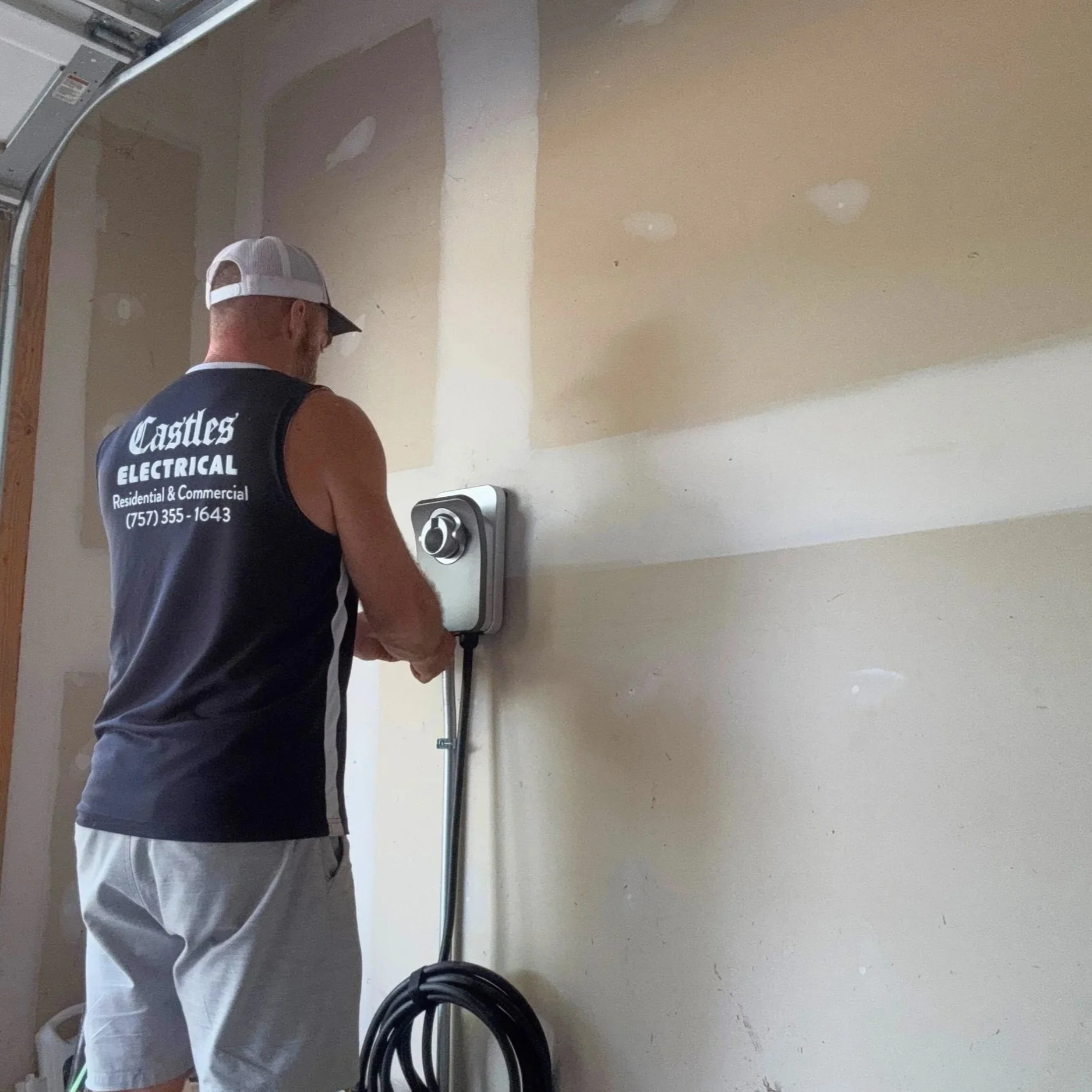
Whether it's a residential or commercial property, setting up a reliable electric vehicle (EV) charging station requires meticulous planning, the right equipment, and proper installation.
Electric vehicles (EVs) are becoming a significant part of the future of transportation, offering a clean and energy-efficient alternative to traditional gas-powered cars. As the number of EV drivers grows, the need for reliable, accessible charging stations has never been more important. Whether it's a residential or commercial property, setting up a reliable electric vehicle (EV) charging station requires meticulous planning, the right equipment, and proper installation. Here's what every property needs to create a setup that will keep EV owners charged and ready to go.
Proper Electrical Infrastructure
A key factor in creating a reliable EV charger setup is making sure that the property's electrical infrastructure can handle the increased demand. Most homes and commercial buildings are built with standard wiring designed for general use, rather than high-power electric vehicle charging. Upgrading the electrical panel might be necessary to confirm it can provide enough power for the charging station without overloading the system.
For most residential properties, a Level 2 charger, which operates on a 240-volt circuit, is the best option. Level 1 chargers, which plug into standard 120-volt outlets, are slow and not practical for most users. The installation of a Level 2 charger often involves running a dedicated line from the electrical panel to the charger's location, which may require a panel upgrade if the current system can't handle the added load.
For commercial installations, the electrical demand can be more significant, especially if multiple chargers are being installed. Planning for the right electrical capacity is crucial to prevent issues with power distribution across the property. Commercial properties may also need to account for future expansions or growth in EV charging needs.
Choosing the Right EV Charger
Not all EV chargers are the same, so choosing the right one for the property is crucial. The two main types of chargers are Level 1 and Level 2. Level 1 chargers are ideal for people who don't drive often or for properties where charging speed isn't a top priority. However, for anyone relying on their EV as their primary mode of transportation, a Level 2 charger will make a significant difference in speed and convenience.
For commercial properties, multiple Level 2 chargers will likely be necessary to accommodate multiple vehicles simultaneously, especially in high-traffic areas. When selecting a charger, it's essential to ensure that it's compatible with the most popular EV models on the market. Many chargers now come with smart technology that can monitor usage, schedule charging times, and provide maintenance notifications, making them even more user-friendly for both homeowners and businesses.
Installation Location
Choosing the proper location for an EV charger is as important as the charger itself. The charging station should be conveniently located, allowing the vehicle to park easily and connect to the charger. For residential properties, this typically means placing the charger in a garage or on an exterior wall of the house near the driveway. For commercial properties, charging stations should be placed in easily accessible locations, near parking spaces, and in well-lit areas for enhanced safety.
Consideration should also be given to the length of the charging cable. A cable that's too short might not reach the car's charging port, while one that's too long can become tangled and messy. Ideally, the charging station should be placed where the cable can easily reach the car's charge port without excessive slack. It's also important to keep the location clear of any obstructions, like trash bins or large equipment, to avoid accidents or inconvenience.
Safety Precautions
When installing an EV charging station, safety should always be a priority. Electric vehicles require high-voltage systems, which, if installed improperly, can pose serious risks, including electrical fires or electrical shock. Professional installation by a licensed electrician is significant to making sure the system is installed safely and in accordance with local codes and regulations.
Charging stations must be installed with proper grounding to prevent electrical hazards. A dedicated circuit should be used for the charger to prevent overloading other circuits. Additionally, weatherproofing measures should be implemented for outdoor chargers, particularly in areas prone to rain, snow, or extreme temperatures. This includes using weather-resistant covers and making sure the wiring and outlets are sealed to prevent water damage.
Reliable Power Supply
For a dependable and efficient charging experience, a stable power supply is essential. Frequent power interruptions or unreliable electrical connections can compromise the charger's performance and prevent the vehicle from charging fully. It's essential to select an installation location that offers consistent and reliable access to electricity. In some areas, a backup power source, like a generator or solar-powered system, can be considered to keep the charging station operational during power outages.
For commercial properties, it's also important to set up a system to monitor and track the power usage of each charging station. Many modern charging stations come with software that can analyze charging patterns, detect faults, and provide real-time data on power consumption. These tools can be invaluable in handling the energy load and minimizing potential disruptions.
Compliance with Local Codes and Regulations
Every state, city, or municipality may have different codes and regulations regarding electrical installations. For both residential and commercial properties, it's crucial to work with an experienced electrician who is familiar with the local regulations to ensure the charging station is compliant. Local codes may dictate the setup of wiring, the number of chargers that can be installed in a given area, and the configuration of the electrical panel.
Working with a licensed professional who stays up-to-date on changes to codes and regulations will guarantee that the charging station meets all necessary standards. This will not only keep the property safe but also avoid any penalties or issues during inspections.
Ongoing Maintenance and Support
Once the EV charging station is operational, regular maintenance will help keep the system running smoothly and effectively. Like any piece of electrical equipment, EV chargers require regular inspections to verify that everything is functioning properly. For homeowners, this may mean checking the charging cable for signs of wear, keeping the station clean and free from dust and debris, and verifying it is securely mounted to prevent accidents.
For commercial properties, regular maintenance is essential since more people will be using the chargers. Regular inspections of the electrical components, wiring, and the charging stations themselves will minimize downtime and prevent larger issues from arising. Many modern chargers offer remote diagnostic capabilities, alerting property owners to potential concerns before they become serious.
Cost Considerations
The cost of installing an EV charging station will vary depending on the type of charger, the complexity of the installation, and the property's existing electrical infrastructure. Residential installations typically range from a few hundred to a few thousand dollars, depending on whether the electrical panel requires an upgrade. Commercial installations can be significantly more expensive, particularly when multiple charging stations are installed and electrical upgrades are required.
While the upfront expense may seem steep, the long-term benefits of installing an EV charger are well worth it. For homeowners, it offers the convenience of home charging, while for businesses, it provides an added service that can attract more customers and employees.
Incentives and Rebates
As more governments push for green energy solutions, many local and state governments present rebates and incentives for businesses and homeowners who install EV chargers. These incentives can help offset the installation expenses, making it a more reasonable option for both residential and commercial property owners. Tax credits for businesses that provide EV charging stations are becoming more common, and some utilities offer discounted rates for charging during off-peak hours.
Incorporating an EV charging station into a property is a step towards a greener future, and the installation process, when done correctly, can offer long-term benefits. By focusing on the right infrastructure, equipment, and safety measures, property owners can provide an essential service to electric vehicle owners and stay ahead of the curve as the world gravitates toward more sustainable energy solutions.
Get reliable and lasting EV charging station installation, interior lighting installation, exterior lighting installation, recessed lighting installation, security lighting installation, and outlet & switch installation & repairs with Castles Electrical in the Virginia Beach area. We ensure prompt response time during emergencies and complete projects on time and within budget. Call today to learn more about our services.