
Wet and Wired: Why GFCI Outlets Are Your Best Friends
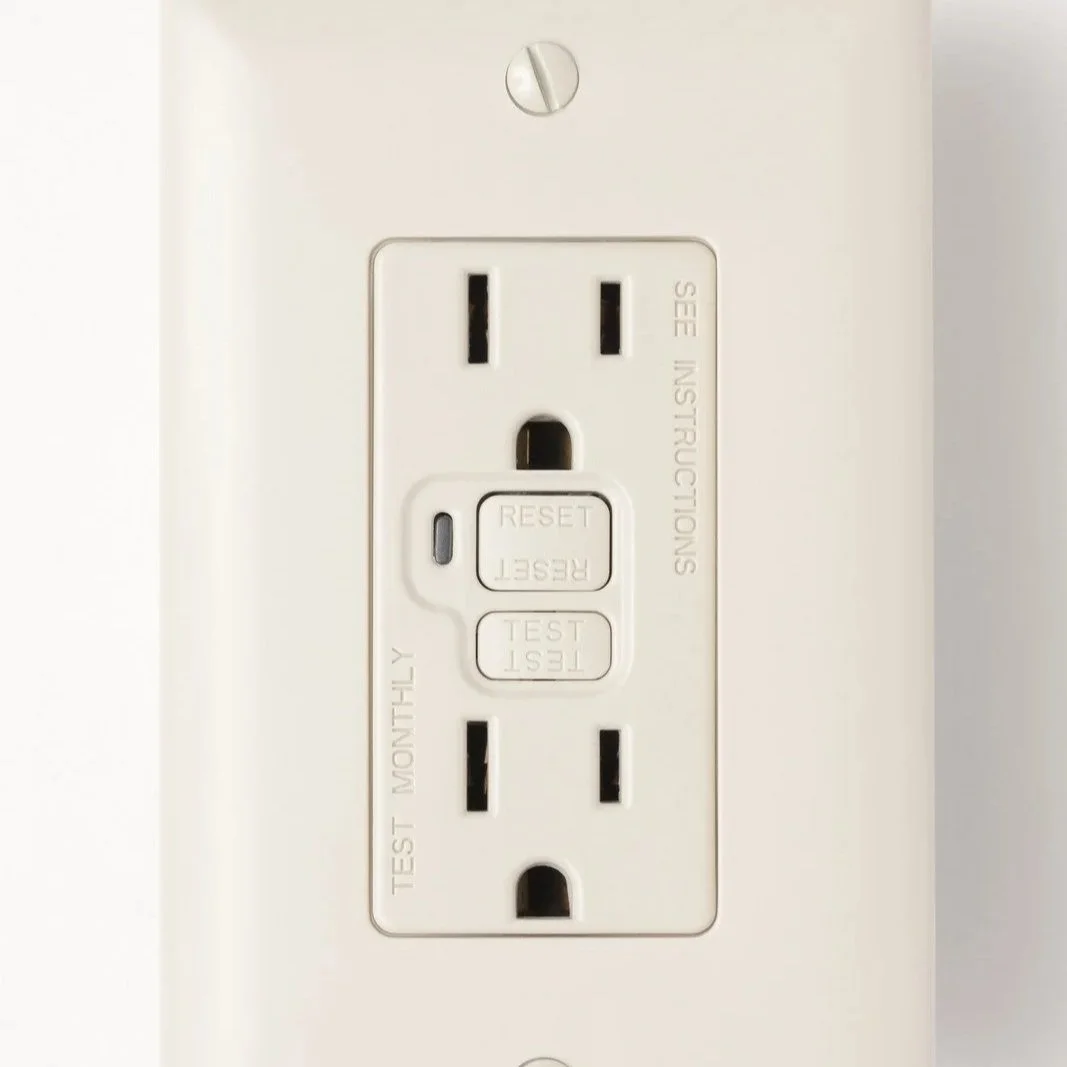
Whether it's a splash from a sink or humidity from a hot shower, GFCI outlet installation provides rapid protection before a minor accident turns into a potentially dangerous situation.
In the real world, outlets are often found in kitchens, bathrooms, garages, laundry rooms, and outdoor spaces —precisely the places where water tends to accumulate. That's a recipe for risk if the right outlets aren't installed. Traditional outlets may carry the power, but they lack the intelligence to react when water enters the picture.
That's where GFCI outlets prove their worth. GFCI stands for Ground Fault Circuit Interrupter, but what it really means is peace of mind. These smart sockets cut power the instant they sense electricity going where it shouldn't. Whether it's a splash from a sink or humidity from a hot shower, GFCI outlet installation provides rapid protection before a minor accident turns into a potentially dangerous situation.
A Kitchen Without GFCI Is Playing With Fire
Kitchens are packed with appliances, water sources, and endless opportunities for a minor spill to become a significant electrical hazard. Coffee makers sit next to sinks. Blenders operate near wet counters. Dishwashers and disposals are often hidden under cabinets, with electrical cords running through damp zones.
Professional electricians understand how to place GFCI outlets in all the right kitchen locations. Any outlet within six feet of a water source is automatically upgraded. That includes outlets near sinks, countertops, islands, and appliance garages.
In one home, a family regularly used a stand mixer under a cabinet near the sink. The outlet looked fine until the toddler dumped a cup of water on the counter. Sparks flew, the breaker tripped, and the cleanup turned into a conversation about better protection. After a GFCI outlet installation, the area became safer, smarter, and far more kid-friendly.
Bathrooms Need More Than A Fan To Stay Safe
Bathrooms are humidity headquarters. Between steamy showers and soaking tubs, the air practically vibrates with moisture. Hair dryers, electric razors, curling irons, and lighted mirrors only raise the stakes.
Older homes often feature outlets that were installed long before anyone considered the risk of wet feet and exposed cords. GFCI outlets didn't even exist in residential construction until the 1970s, and some homes still rely on outdated receptacles that would fail modern inspections.
During one bathroom remodel, a GFCI outlet was installed to replace a two-prong plug that had been in use for decades. The homeowner didn't realize how risky the setup had become until the electrician pointed out water stains behind the sink. With the upgrade, the new outlet not only passed code, but it could shut off power instantly if future splashes got too close.
Professionals also evaluate fan wiring, heated towel rack connections, and radiant floor systems. All these elements can be integrated with GFCI protection to create a unified safety net throughout the room.
Garages Pack Power And Peril
Garages are multitasking spaces. One minute it's a gym, the next it's a woodshop, followed by a storage unit or rainy-day art studio. Water tracks in on shoes, tools spill onto concrete floors, and utility sinks overflow without warning.
GFCI outlet installation in garages isn't just a nice touch; it's a crucial safety feature. It's often required by code. Outlets used for chest freezers, power tools, air compressors, or EV chargers need to be protected. Even if the appliance rarely moves, conditions in a garage can change fast, especially in winter or during wet seasons.
In one two-car garage, the original outlets were decades old and cracked with age. A professional upgrade added GFCI outlets near the workbench, laundry machines, and overhead storage where a portable dehumidifier was installed. With those in place, the garage became a more reliable and much safer part of the home.
Outdoor Outlets Should Never Be Left Unprotected
Outlets outside the home are exposed to every possible element: rain, snow, sprinklers, dust, and curious animals. Without GFCI protection, a plugged-in string of patio lights could go from decorative to dangerous with one unexpected downpour.
Electricians often install weatherproof covers and GFCI outlets in tandem, providing homeowners with a double layer of protection against electrical hazards. Whether powering holiday lights, hedge trimmers, or a pressure washer, outdoor receptacles deserve just as much thought as indoor ones.
A GFCI outlet can even be installed on a switch, allowing homeowners to control outdoor lights or seasonal décor from inside. It's a simple way to add convenience while reducing risk.
GFCI Outlets Don't Just Trip, They Talk
Some people think GFCI outlets are just bossy plugs that cut the fun when things get exciting. In reality, they're more like cautious lifeguards, ready to blow the whistle before trouble starts.
Professionally installed GFCI outlets feature reset and test buttons. If the outlet trips, it doesn't necessarily mean it's broken. It means it worked. Resetting it is as easy as pushing a button. If something feels off, the test button allows you to check functionality without needing to call for backup.
In one case, a homeowner's outlet kept tripping every time they used the garage freezer. A quick inspection revealed the outlet was protecting against a faulty power cord that had frayed under the unit. Without GFCI, that unnoticed damage could have sparked a fire. Instead, the outlet spoke up and protected the home.
Electrical Codes Evolve, And So Should Outlets
Electrical standards change for a reason. GFCI outlets have become the baseline requirement in any area where water might be present. That includes laundry rooms, utility closets, basements, wet bars, pool areas, and any other area where water and wiring intersect.
Professional electricians stay current on code changes and adapt installation plans accordingly. They know how to wire GFCI outlets so that they protect downstream outlets, creating a chain of safety that extends across multiple rooms. In large kitchens or multi-sink bathrooms, multiple GFCI zones may be used to avoid nuisance tripping and maintain balanced protection.
A basic outlet may work, but that doesn't make it smart. Upgrading to a GFCI outlet helps a home stay current, safe, and ready for whatever the family throws at it.
Upgrades Without The Guesswork
GFCI outlet installation is straightforward for professionals who are knowledgeable about the process. It's not just about swapping out one plug for another. Electricians evaluate wiring, test loads, check grounding, and confirm the condition of the panel and breakers.
In older homes, circuits may be piggybacked across multiple outlets, making it unclear which outlet serves which part of the room. Mapping those connections and installing the right GFCI outlets in the correct locations requires experience.
One homeowner learned this the hard way. They thought they needed just one GFCI outlet in the bathroom. The single outlet also powered a hidden outlet in the closet and a shared circuit in the guest room. Without a complete evaluation, the wrong plug could have been protected while the others remained vulnerable. A professional approach revealed the whole picture.
GFCI Is Not Just For New Builds
People sometimes assume GFCI protection is only for brand-new homes or luxury remodels. In reality, any home can benefit from these upgrades. Whether it's a 1950s bungalow or a 1990s ranch, GFCI outlets can be installed with minimal disruption, working seamlessly with existing wiring systems.
Electricians identify target areas, match the amperage and load requirements, and replace existing receptacles quickly and cleanly. Homeowners don't have to tear up walls or rewire entire rooms to bring their outlets up to date.
The result is immediate safety improvement with long-term benefits. Insurance providers like it. Inspectors love it. And future buyers often view it as a sign that the home has been well-maintained.
Comfort Comes With A Reset Button
The best upgrades are the ones you forget about because they work so well. GFCI outlets fall into that category. They blend into the wall, quietly doing their job until the day they stop something far worse from happening.
Professionals handle the details, from load calculations to box depth, so homeowners never have to think about why the outlet matters. They know it does.
GFCI outlet installation isn't about what might go wrong. It's about creating a home where things go right, even when water, power, and daily life try to complicate the story. And when that outlet trips? It's not a failure. It's a small victory for safety, and another reason to thank the quiet guardian built into the wall.
Trust Castles Electrical in the Virginia Beach area for professional interior lighting installation, exterior lighting installation, recessed lighting installation, security lighting installation and outlet & switch installation & repairs. We have built a strong reputation on quality workmanship and reliable services. Our licensed electricians bring years of experience and expertise. Get your free estimate today!