
Why Does My Breaker Trip Only in Summer? Virginia Beach Guide
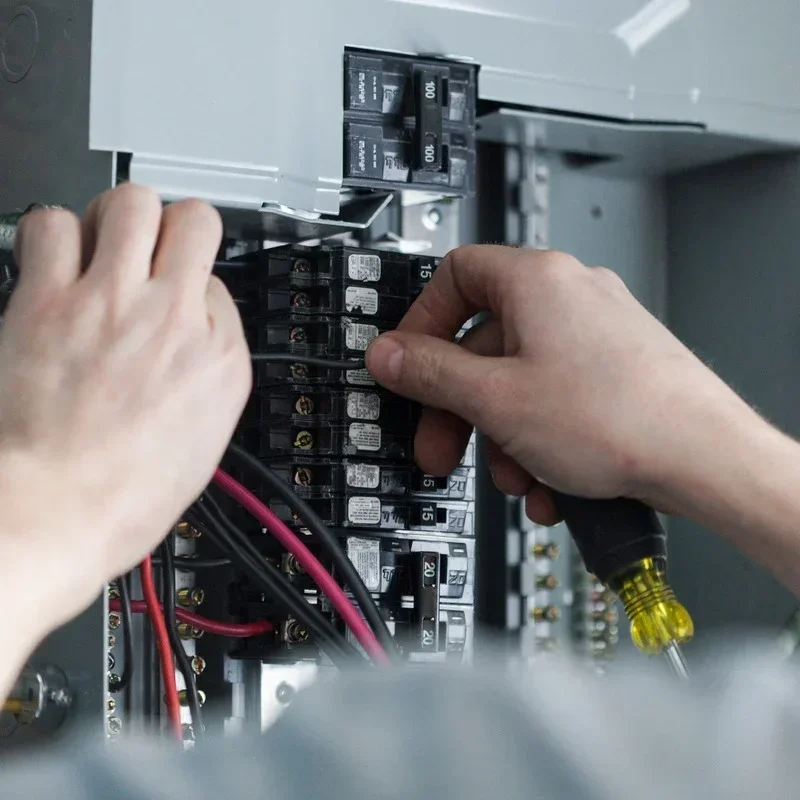
High temperatures and heavy AC usage often lead to tripped breakers; professional electrical inspections can ensure your home stays cool.
Seasonal Breaker Tripping Is A Load Problem, Not A Coincidence
Homeowners across Virginia Beach often notice a frustrating pattern where circuit breakers behave perfectly fine most of the year, then begin tripping repeatedly once summer settles in. Many assume heat alone causes the issue, but breakers do not trip simply because the weather turns warm. Summer exposes electrical systems to higher demand, longer runtimes, and sustained stress that remain hidden during cooler months. When breakers trip only in summer, the electrical system is signaling overload, imbalance, or degradation that only becomes visible when demand peaks.
Air conditioning, dehumidifiers, pool equipment, additional refrigeration, and increased devices all stack onto circuits that may already be operating close to their limits. Breakers exist to interrupt power before wiring overheats, not to inconvenience homeowners. When summer loads push circuits beyond their safe operating range, breakers respond exactly as designed. Seasonal tripping often reveals circuits that were marginal long before summer arrived, even if no obvious problems appeared during spring or fall.
Air Conditioning Load And Continuous Runtime Stress
Air conditioning systems represent the single largest seasonal electrical load in most Virginia Beach homes. Unlike many appliances that cycle briefly, air conditioners run for extended periods during hot, humid weather. Compressors, condenser fans, and air handlers draw substantial current, especially during startup. Older systems or units struggling against humidity may cycle frequently, creating repeated inrush currents that stress both breakers and wiring.
Homes built decades ago often have air conditioning added after original construction, sometimes without full electrical upgrades. Circuits originally designed for lighting or light appliance use may now share space with cooling equipment. Over time, wiring insulation, breaker mechanisms, and connections age. Summer heat combined with long runtime exposes those weaknesses. Breakers begin tripping not because they fail, but because sustained load pushes them beyond acceptable thermal thresholds.
Humidity And Dehumidification Equipment Overloading Circuits
Virginia Beach summers bring high humidity that encourages homeowners to run dehumidifiers alongside air conditioning. Dehumidifiers draw significant current, especially during continuous operation in basements, crawl spaces, and coastal homes prone to moisture intrusion. Many dehumidifiers plug into standard outlets on general-purpose circuits already serving multiple rooms.
When combined with air conditioning, refrigerators, and entertainment equipment, dehumidifiers can quietly overload circuits without immediate warning. Breakers may tolerate the load briefly, then trip after sustained heat buildup. Homeowners often misinterpret delayed tripping as random behavior, not realizing breakers respond to temperature over time rather than instantaneous current alone. High humidity does not directly trip breakers, but the equipment used to control it often does.
Thermal Effects On Aging Breakers And Panels
Electrical breakers contain thermal components that respond to heat generated by current flow. Over years of service, breaker mechanisms wear and calibration drifts. Summer heat raises ambient temperatures inside electrical panels, reducing the margin between normal operating conditions and trip thresholds. Panels located in garages, utility rooms, or exterior walls experience even greater temperature swings.
A breaker nearing the end of its service life may tolerate winter loads but trip under summer conditions that push it slightly beyond its comfort zone. Panel bus bars and internal connections also expand with heat, which can increase resistance at contact points. Higher resistance generates more heat, accelerating the cycle. Seasonal tripping often indicates that breakers or panel components have aged to the point where summer load reveals their limitations.
Undersized Circuits And Modern Electrical Demand
Many Virginia Beach homes were wired during eras when electrical demand looked very different. Lighting loads were lower, electronics were fewer, and cooling systems were less common. Modern households place heavier demands on circuits through home offices, entertainment systems, smart devices, and kitchen appliances running simultaneously.
Summer amplifies those demands as families spend more time indoors with air conditioning running continuously. Circuits that appeared adequate during cooler months suddenly face sustained demand they were never designed to handle. Breakers trip as a protective response to prevent conductor overheating inside walls. Seasonal tripping highlights a mismatch between modern usage patterns and legacy electrical infrastructure.
Outdoor Equipment And Seasonal Additions
Summer introduces equipment that remains dormant the rest of the year. Pool pumps, outdoor kitchens, irrigation controllers, landscape lighting transformers, and electric grills all add load. In many homes, outdoor circuits were added incrementally over time, sometimes sharing capacity with indoor circuits in ways homeowners forget.
Outdoor receptacles exposed to humidity and salt air also suffer from corrosion that increases resistance. As resistance rises, heat builds under load, causing breakers to trip even at currents that once seemed acceptable. Seasonal breaker tripping often coincides with outdoor equipment operation patterns that only occur during warmer months, revealing issues hidden during the rest of the year.
Shared Neutral and Multi-Wire Circuit Complications
Some homes use multi-wire branch circuits where two hot conductors share a neutral. When wired correctly, these circuits operate safely, but improper modifications or aging connections can create imbalances. Summer loads may stress one leg more than the other, overheating shared neutrals, and triggering breakers or damaging wiring.
Homeowners may notice tripping on one breaker while another remains stable, even though devices appear unrelated. Seasonal demand shifts can expose wiring configurations that operate close to failure margins. Electricians frequently uncover shared neutral issues during summer service calls because high load conditions bring problems to the surface.
Voltage Drop And Utility Supply Stress
Summer demand affects not only individual homes but the entire electrical grid. During peak heat, utility supply voltage can sag slightly as neighborhood demand increases. Lower voltage forces appliances to draw higher current to perform the same work. Higher current increases heat in wiring and breakers, making tripping more likely.
Homes at the end of distribution lines or in older neighborhoods may experience greater voltage fluctuation during summer. Breakers respond to increased current draw rather than voltage itself, so homeowners often overlook the role of utility conditions. Seasonal tripping patterns sometimes reflect broader infrastructure strain rather than isolated household issues.
Breaker Sensitivity And Heat Accumulation Inside The Panel
Breakers operate using a combination of magnetic and thermal response, and the thermal side plays a larger role during prolonged summer demand. As current flows through a breaker, internal components heat up gradually. Once the internal temperature crosses a calibrated threshold, the breaker trips to interrupt power. Summer conditions raise the starting temperature inside the electrical panel, especially in garages or utility spaces without climate control. That elevated baseline means breakers reach their trip point faster, even when current levels remain technically within rated limits.
Heat accumulation inside panels also compounds when multiple breakers carry higher loads simultaneously. Air conditioning, refrigeration, and auxiliary equipment all contribute heat to the panel enclosure. Poor ventilation, dust buildup, and aged insulation restrict heat dissipation. Over time, breakers become more sensitive because repeated heating alters internal metals and springs. Seasonal tripping patterns often reveal panels that operate safely in mild conditions but struggle to shed heat when summer demand pushes everything closer to its thermal edge.
Loose Connections That Only Fail Under Summer Load
Loose electrical connections often remain undetected until summer demand exposes them. Connections at breaker terminals, neutral bars, and splices inside junction boxes may carry normal loads for months without issue. Under sustained summer current, resistance at those loose points generates heat. Heat causes metal expansion, which loosens connections further, increasing resistance again. That feedback loop progresses quietly until breakers trip seemingly without warning.
Homeowners may reset a breaker only to have it trip again after a short period. That behavior often points to a loose connection heating gradually rather than an instantaneous overload. Summer load provides the duration and intensity needed to trigger failure. Without inspection, homeowners may blame the breaker itself while the real issue sits deeper within the panel or wiring system, continuing to degrade each time power cycles.
Breaker Tripping Linked To Aging Wiring Insulation
Electrical wiring insulation degrades over decades, especially in warm, humid environments like Virginia Beach. Insulation becomes brittle, less heat-resistant, and more susceptible to damage from minor overheating. During summer, higher currents raise conductor temperatures inside walls. Wiring that tolerated moderate heat in cooler months may approach unsafe temperatures under sustained summer loads.
Breakers respond to protect wiring, not the other way around. Seasonal tripping can indicate insulation approaching its thermal limits. Homes with older non-metallic cable, cloth-insulated wiring, or mixed wiring eras face a higher risk. Electricians often discover insulation discoloration or stiffness during summer service calls, confirming that breaker trips served as early warnings rather than nuisances.
Appliance Cycling And Inrush Current Effects
Many summer appliances cycle on and off repeatedly throughout the day. Air conditioners, heat pumps, pool pumps, and refrigeration compressors draw a brief surge of current each time they start. That inrush current may exceed steady state levels several times for a fraction of a second. While breakers tolerate brief surges, repeated cycling under high ambient temperatures increases cumulative stress.
As summer heat intensifies, equipment cycles more frequently. Breakers experience repeated thermal loading without adequate cooldown periods. Over time, that pattern leads to nuisance tripping even when the average current appears acceptable. Seasonal breaker behavior often reflects cumulative stress rather than a single oversized load, especially in homes with aging equipment or inefficient cooling systems.
DIY Modifications And Circuit Sharing Issues
Homeowners sometimes modify electrical systems over the years without fully accounting for load calculations. Adding outlets, extending circuits, or installing outdoor equipment can push circuits closer to capacity. Those changes may remain unnoticed until summer demand peaks. Breakers trip only during summer because baseline usage rises enough to exceed safe limits.
Circuit sharing creates additional complications. Kitchens, living rooms, and bedrooms may share circuits that now support more electronics than originally intended. Summer gatherings, additional refrigeration, and entertainment systems amplify usage patterns. Breakers respond predictably, but homeowners may perceive the timing as mysterious. Electricians tracing summer-only tripping often uncover layered modifications that slowly eroded safety margins.
Why Resetting Breakers Repeatedly Makes Things Worse
Repeatedly resetting a breaker without addressing the underlying cause accelerates wear. Each trip generates heat and mechanical stress inside the breaker. Over time, calibration drifts and sensitivity increase. Breakers that once tolerated borderline conditions become more prone to nuisance tripping.
More importantly, repeated tripping allows wiring and connections to heat and cool repeatedly, accelerating insulation degradation and loosening terminals. Summer tripping that appears intermittent often becomes persistent if ignored. Professional evaluation identifies whether the breaker itself, the circuit load, or upstream wiring causes the issue, preventing progressive damage that leads to more serious failures.
How Electricians Diagnose Seasonal Breaker Issues
Electricians approach seasonal breaker tripping by measuring actual circuit load under real operating conditions. Load testing during summer reveals patterns that remain invisible during cooler months. Infrared scanning identifies hot spots inside panels and junction boxes. Voltage measurements capture utility fluctuations that affect current draw.
Rather than guessing, electricians analyze how circuits behave over time. That includes evaluating breaker age, panel condition, wiring type, and appliance demand. In Virginia Beach, environmental factors always factor into diagnosis. Solutions may involve redistributing loads, upgrading circuits, replacing aging breakers, or correcting wiring deficiencies. Each fix targets the root cause rather than treating symptoms.
FAQs
Summer introduces higher electrical demand from air conditioning, dehumidifiers, and longer appliance runtimes. Those sustained loads raise temperatures inside wiring and breakers, triggering protective trips that do not occur under lighter winter usage.
Ambient heat contributes indirectly by raising the starting temperature inside the electrical panel. Breakers trip due to current and heat combined, not air temperature alone, but summer conditions reduce the margin before protective limits are reached.
Sometimes, but often the breaker reacts correctly to overload, heat buildup, or wiring issues. Aging breakers may become more sensitive, but professional evaluation determines whether replacement or circuit correction addresses the true cause.
Replacing a breaker without assessing circuit load and wiring risks masks deeper problems. Electricians test load conditions, inspect connections, and evaluate panel health before recommending replacement.
Yes. Breaker tripping indicates heat or overload conditions that stress wiring and connections. Ignoring seasonal trips allows progressive degradation that increases the chance of overheating and electrical fires over time.
Castles Electrical offers electrical panel installation, electrical panel replacement, whole home rewiring, new construction wiring, generator installation, and backup power solutions to home and business owners in the Virginia Beach area. As a family-owned business, safety and quality are our top priorities. Call today to schedule an appointment.