
Why Is My Switch Sparking? Electrical Safety Tips for Virginia Beach Residents
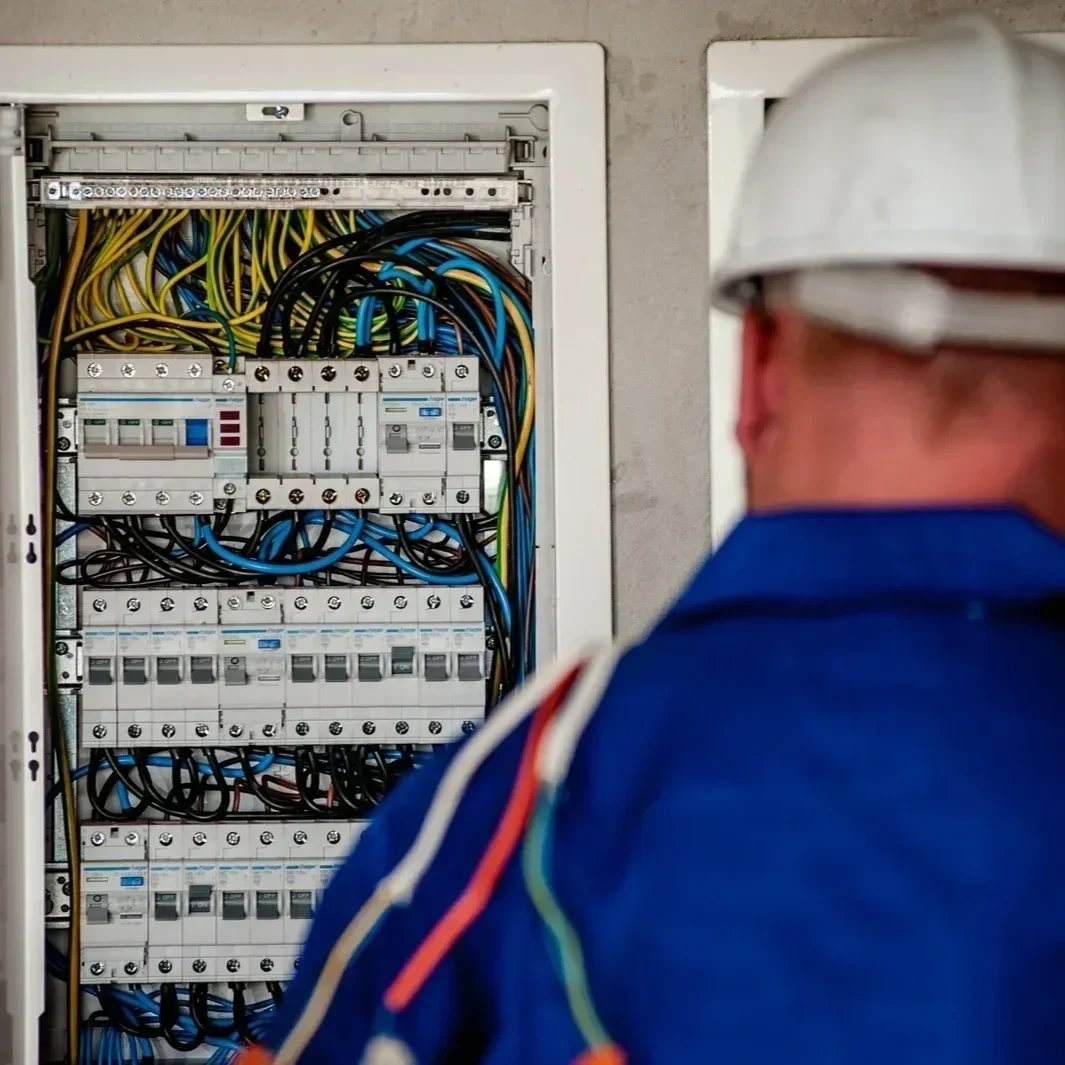
A sparking light switch poses a serious fire risk; contact a Virginia Beach electrician immediately if you notice electrical arcing.
What A Sparking Switch Actually Indicates Inside The Wall
A light switch that sparks when flipped often catches homeowners off guard because the action feels simple and familiar. Flip the switch, light turns on, end of story. When a visible spark appears, even briefly, the electrical system is revealing activity that normally stays hidden inside the wall. Every switch controls the flow of electricity by opening and closing a circuit. When contacts inside the switch separate or reconnect, electricity wants to keep moving. A small spark can occur as current jumps across that gap, but properly functioning switches contain and control that energy safely without visible flashes.
Visible sparking usually means the internal components no longer manage that energy effectively. Worn contacts, loose wiring, or excessive load can allow electricity to arc in ways the switch was not designed to handle. Over time, repeated arcing degrades metal contacts, increases resistance, and creates heat inside the switch box. In Virginia Beach homes, humidity and salt air can accelerate corrosion on internal parts, making arcing more pronounced and frequent. What starts as an occasional flicker can quietly evolve into a sustained safety risk hidden behind the switch plate.
Normal Versus Abnormal Electrical Arcing
Not all arcing carries the same level of concern, and understanding the difference helps homeowners respond appropriately. A very faint spark deep inside the switch during operation can occur as part of normal circuit interruption, especially on older mechanical switches. That activity typically stays contained, produces no sound, and does not worsen over time. Problems arise when sparks become visible, audible, or accompanied by popping sounds, burning odors, or warmth around the switch plate.
Abnormal arcing reflects poor contact quality or excessive electrical stress. When contact surfaces wear down, electricity concentrates at smaller points instead of spreading evenly. Concentrated current produces higher temperatures and brighter sparks. Each spark leaves microscopic damage that increases resistance further, leading to progressively worse behavior. In coastal environments like Virginia Beach, moisture intrusion speeds up this degradation. Ignoring visible sparking allows internal damage to the compound, raising the likelihood of switch failure or ignition inside the wall cavity.
Loose Wiring Connections Behind The Switch
Loose wiring remains one of the most common causes of sparking switches. Inside every switch box, conductors connect to terminals that rely on tight mechanical contact to carry current safely. Over time, vibration, thermal expansion, and contraction can loosen those connections. When electricity flows across a loose connection, resistance rises sharply. Electricity seeks the easiest path, and when contact becomes inconsistent, arcing fills the gap.
Loose connections often develop gradually, producing intermittent symptoms. Homeowners may notice occasional sparks or flickers long before consistent problems appear. Each instance of arcing heats the wire and terminal, loosening the connection further. In Virginia Beach homes with older wiring methods or prior DIY work, electricians frequently find wires secured inadequately or pushed into backstab terminals that lose grip strength over time. Addressing loose wiring early prevents damage from spreading beyond the switch itself into surrounding conductors and insulation.
High Load Devices And Switch Stress
Light switches do more than control lights in many modern homes. Ceiling fans, exhaust fans, outdoor lighting systems, and smart lighting controls often draw higher or more complex electrical loads. Standard switches have specific ratings for current and voltage. When loads exceed those ratings, internal contacts degrade faster. High-wattage bulbs, multiple fixtures on one switch, or added equipment increase stress every time the switch operates.
In summer months, Virginia Beach residents may use ceiling fans continuously while running air conditioning systems that already strain circuits. Increased ambient heat raises baseline temperatures inside electrical boxes. Combined with high load switching, that heat accelerates wear on contact surfaces. Sparking becomes more visible as the switch struggles to manage energy flow. Continued operation under these conditions shortens switch lifespan and raises fire risk behind finished walls.
Aging Switches And Mechanical Wear
Switches contain moving parts that wear out with use. Springs lose tension, contact surface pit, and alignment shifts slightly over the years of operation. In older Virginia Beach homes, many switches remain original to construction. Decades of daily use gradually erode their ability to break and make circuits cleanly. Worn switches require more force to operate or feel loose, yet still appear functional to homeowners.
Mechanical wear changes how quickly contacts separate when flipped. Slower separation allows electricity to arc longer, producing visible sparks. Each arc damages the contact surface further, creating a cycle of increasing resistance and heat. Aging switches rarely fail all at once. Instead, they provide warning signs like sparking, buzzing, or warmth that indicate replacement is overdue. Recognizing those signs allows homeowners to address the issue before damage extends beyond the switch.
Humidity, Corrosion, And Coastal Conditions
Virginia Beach’s coastal environment introduces challenges that inland homes rarely face. Salt carried in the air promotes corrosion on metal components, even indoors. Humidity penetrates wall cavities and electrical boxes, especially in older construction or homes near the shoreline. Corrosion reduces effective contact area and increases resistance, both of which contribute to arcing.
Moisture also affects insulation and device housings, making them more susceptible to heat damage. Switches located near exterior walls, bathrooms, kitchens, or garages experience higher exposure. Electricians working in coastal areas often find corrosion-related failures that would take much longer to appear elsewhere. Sparking switches in these environments warrant prompt attention because environmental factors continue working against electrical components even when usage patterns remain unchanged.
Improper Switch Types And Mismatched Applications
Not all switches suit every application. Dimmer switches, smart switches, and specialty controls require compatibility with connected loads. Installing a dimmer not rated for certain LED fixtures or ceiling fans can create an irregular current flow that produces arcing. Similarly, using standard switches on motor loads designed for motor-rated switches increases contact stress.
Homeowners upgrading lighting fixtures or adding smart controls sometimes overlook load compatibility. Initial operation may appear normal, but internal stress builds with each use. Over time, sparking develops as contacts degrade unevenly. Electricians frequently trace sparking issues back to mismatched devices rather than wiring faults alone. Correcting the switch type restores proper electrical behavior and reduces long-term risk.
Sparking Switches And Fire Risk Inside Wall Cavities
Sparking inside a switch does not stay confined to the device itself. Each arc produces heat, and heat transfers outward into the electrical box, surrounding wiring, and nearby building materials. Electrical boxes installed in drywall or wood framing rely on insulation and spacing to contain normal operating temperatures. Repeated arcing pushes those materials beyond their intended exposure limits. Over time, insulation around conductors can dry out, crack, or shrink back, exposing bare copper that worsens arcing conditions.
In Virginia Beach homes, where humidity already affects material stability, heat damage progresses faster than many homeowners expect. Wood framing subjected to repeated low-level heating can become brittle and more susceptible to ignition. Fire investigations frequently trace ignition points to switches that showed warning signs long before failure. Sparking represents uncontrolled electrical discharge, not a harmless visual quirk. Treating it as a serious safety indicator helps prevent damage that extends far beyond the switch location.
Switch Box Crowding And Heat Retention Problems
Modern electrical systems often pack more conductors into switch boxes than older designs anticipated. Multi-gang boxes, traveler wires for three-way switches, grounding conductors, and smart device wiring all compete for limited space. Crowded boxes restrict airflow and trap heat. When a switch arcs, heat has nowhere to dissipate, raising temperatures faster and prolonging exposure.
Crowding also increases the chance that loose conductors or damaged insulation come into close proximity with metal components. Minor movement when flipping a switch can shift wires enough to create additional arcing points. Electricians servicing sparking switches frequently discover boxes filled beyond practical capacity, even if technically code-compliant at installation. Correcting crowding issues reduces heat retention and stabilizes electrical behavior over the long term.
Backstab Connections And Switch Reliability
Backstab wiring appears frequently in switch-related spark issues. Backstab terminals rely on internal spring clips to hold conductors rather than mechanically tightened screws. Over time, those clips lose tension due to thermal cycling and vibration. As the grip weakens, resistance rises at the connection point, creating ideal conditions for arcing when current flows.
Sparking associated with backstab connections often worsens gradually. Homeowners may notice occasional flashes at first, then louder pops or visible sparks later. Electricians correcting these issues typically move conductors to screw terminals, restoring solid mechanical contact. That change alone often eliminates sparking and stabilizes circuit performance. Backstab failures rarely resolve on their own, and continued use accelerates deterioration inside the switch box.
Shared Circuits And Unexpected Load Interaction
Switches sometimes control lighting on circuits shared with outlets or other loads. When multiple devices draw power simultaneously, voltage fluctuations and current surges occur at the switch contacts. Those interactions remain invisible until wear develops. Summer usage patterns in Virginia Beach often increase load diversity, with air conditioning, fans, and lighting operating together for longer periods.
As load interaction increases, marginal switches struggle to interrupt current cleanly. Arcing becomes more visible during operation, especially when loads change suddenly. Electricians evaluating sparking switches often identify shared circuit configurations that amplify stress. While sharing circuits is common and allowed, aging components become less tolerant of complex load behavior. Upgrading switches or redistributing loads improves reliability and safety.
DIY Repairs That Increase Sparking Risk
Well-intentioned DIY repairs sometimes introduce new hazards. Improper stripping of conductors, loose terminal screws, or incorrect device orientation can create unstable connections. Using electrical tape to compensate for damaged insulation rarely solves underlying issues and may trap heat instead. Homeowners replacing switches without addressing box condition, wire integrity, or device compatibility often see sparking persist or worsen.
In some cases, homeowners install decorative metal plates or oversized devices that interfere with proper switch mounting. Misalignment prevents contacts from seating correctly inside the device, increasing arcing during operation. Professional electricians approach switch replacement as a system repair rather than a component swap, reducing the chance of introducing secondary problems.
Why Ignoring A Sparking Switch Escalates Repair Scope
Electrical issues rarely remain static. A sparking switch places ongoing stress on wiring, devices, and surrounding materials. Each arc slightly degrades contact surfaces and insulation, expanding the affected area. What begins as a single device replacement can escalate into wiring repair, box replacement, or drywall remediation if ignored.
Virginia Beach homeowners often delay action because sparking appears brief or infrequent. Unfortunately, intermittent arcing causes cumulative damage that does not reset between uses. Electricians responding later may find charred insulation, brittle conductors, or heat-damaged boxes that require more extensive work. Early intervention limits repair scope and reduces disruption inside finished walls.
How Electricians Diagnose Sparking Switch Problems
Professional electricians evaluate sparking switches through a combination of visual inspection, load analysis, and thermal assessment. They examine contact condition, wiring terminations, box configuration, and environmental exposure. Infrared tools identify hidden heat buildup that indicates active resistance points.
Diagnosis also includes evaluating circuit design, load compatibility, and device ratings. Electricians consider how the switch interacts with connected equipment and usage patterns unique to the household. In Virginia Beach, environmental factors like humidity exposure and salt air infiltration inform repair strategies. Effective diagnosis focuses on long-term stability rather than temporary symptom suppression.
FAQs
A faint internal spark can occur during normal operation, but visible or audible sparking indicates abnormal arcing. Visible sparks suggest worn contacts, loose wiring, or excessive load that should be evaluated promptly to reduce fire risk.
Humidity and salt air contribute to corrosion on internal components, increasing resistance and arcing potential. Coastal conditions accelerate wear, making sparking more likely as switches age.
Sparking indicates active electrical stress. Continued operation allows damage to progress. Replacing or repairing the switch and addressing underlying wiring issues reduces risk and prevents broader system damage.
Yes. Using switches not rated for the connected load, such as standard switches on motor loads or incompatible dimmers, increases arcing. Proper device selection restores stable operation.
Not always, but sparking often reveals loose connections or aging components within the circuit. Professional inspection determines whether wiring repair, device replacement, or both are required.
Get reliable and lasting EV charging station installation, interior lighting installation, exterior lighting installation, recessed lighting installation, security lighting installation, and outlet & switch installation & repairs with Castles Electrical in the Virginia Beach area. We ensure prompt response time during emergencies and complete projects on time and within budget. Call today to learn more about our services.