02 — Listing
Why the Panel’s Listing Decides
Virginia’s 2021 building codes adopt the 2020 National Electrical Code. As the code training material summarizes NEC section 110.3(B), equipment that is listed or labeled must be installed and used in accordance with the instructions in its listing or labeling. For a residential panel, that listing is tied to the breakers it was evaluated with.
How UL explains it
In a long-standing explanation to electrical inspectors, UL said breaker manufacturers submit their breakers for testing and evaluation with their own panelboards. In UL’s words, listed circuit breakers “are not intended to be interchanged between panelboards that are produced by another manufacturer.”
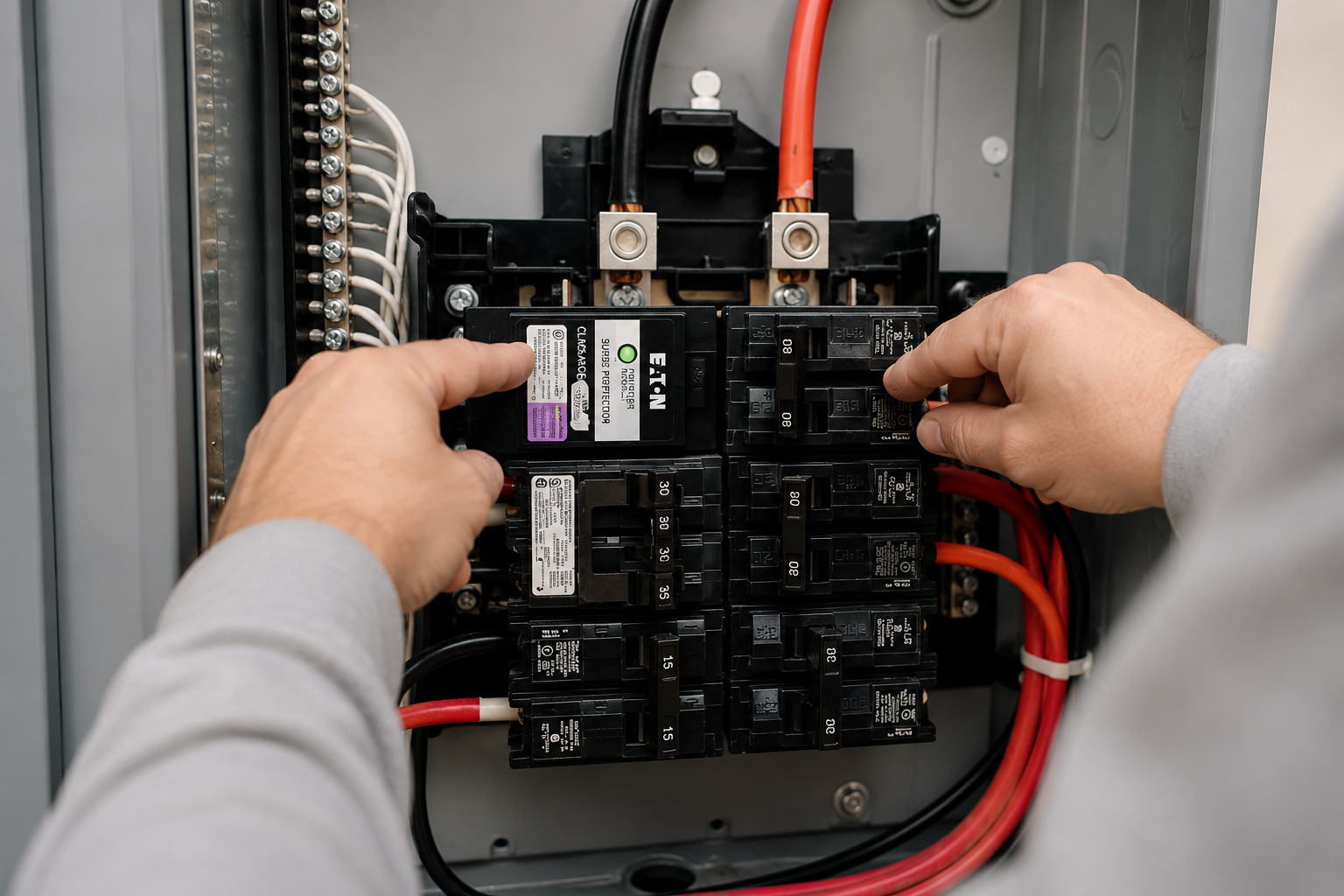
Code training material makes the consequence plain: placing one manufacturer’s breaker in another manufacturer’s panel, without a classification for that panel, conflicts with 110.3(B) and the product listing. One breaker manufacturer raises a mechanical concern, noting that knockoff breakers may be poorly matched to the panels they claim to support, which can lead to loose connections or arcing at the breaker-to-bus connection.
Where the accepted types are written
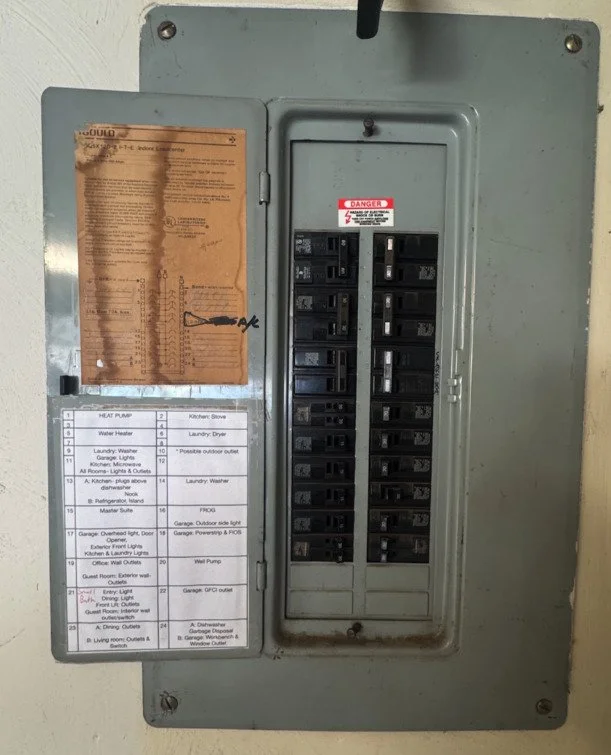
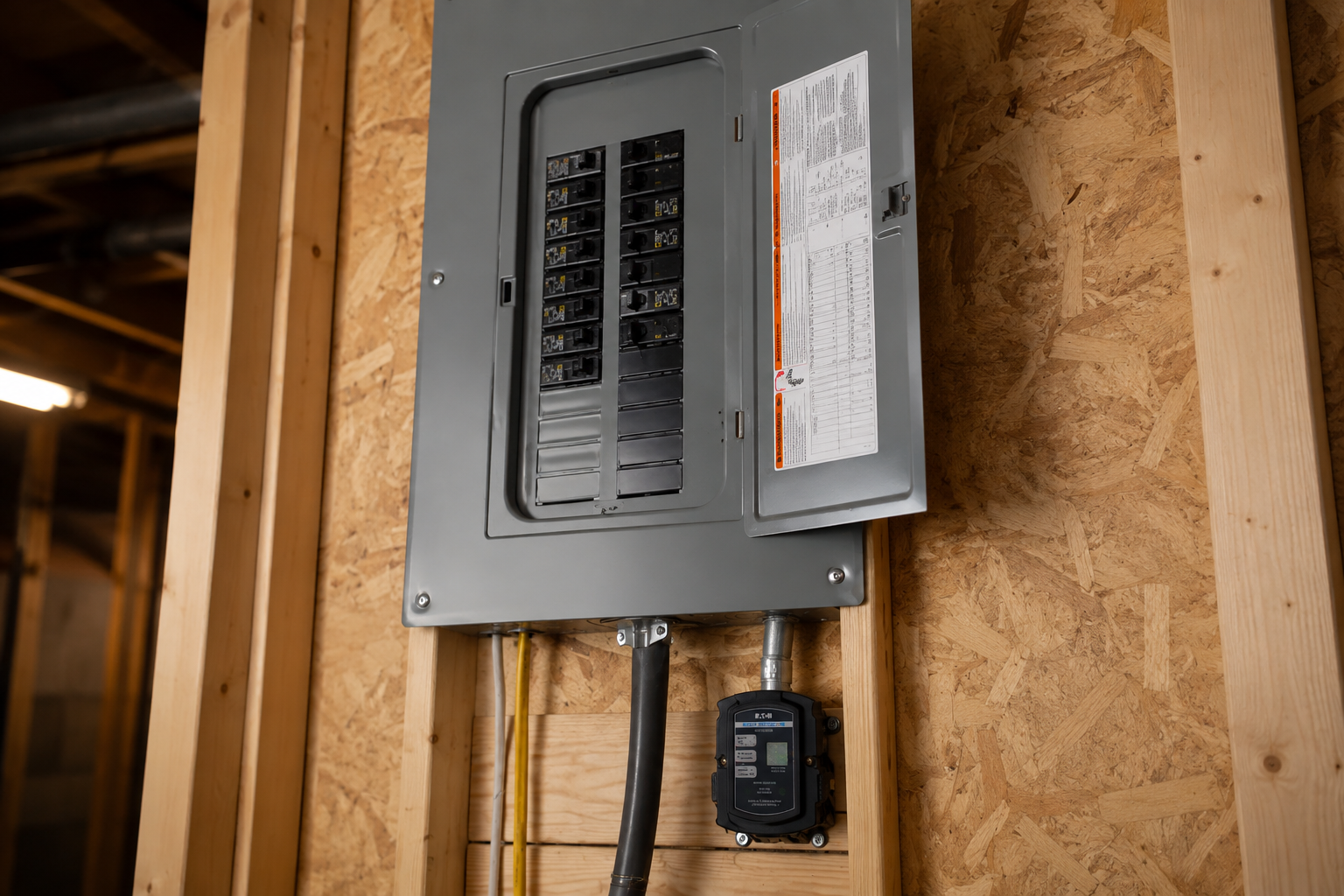
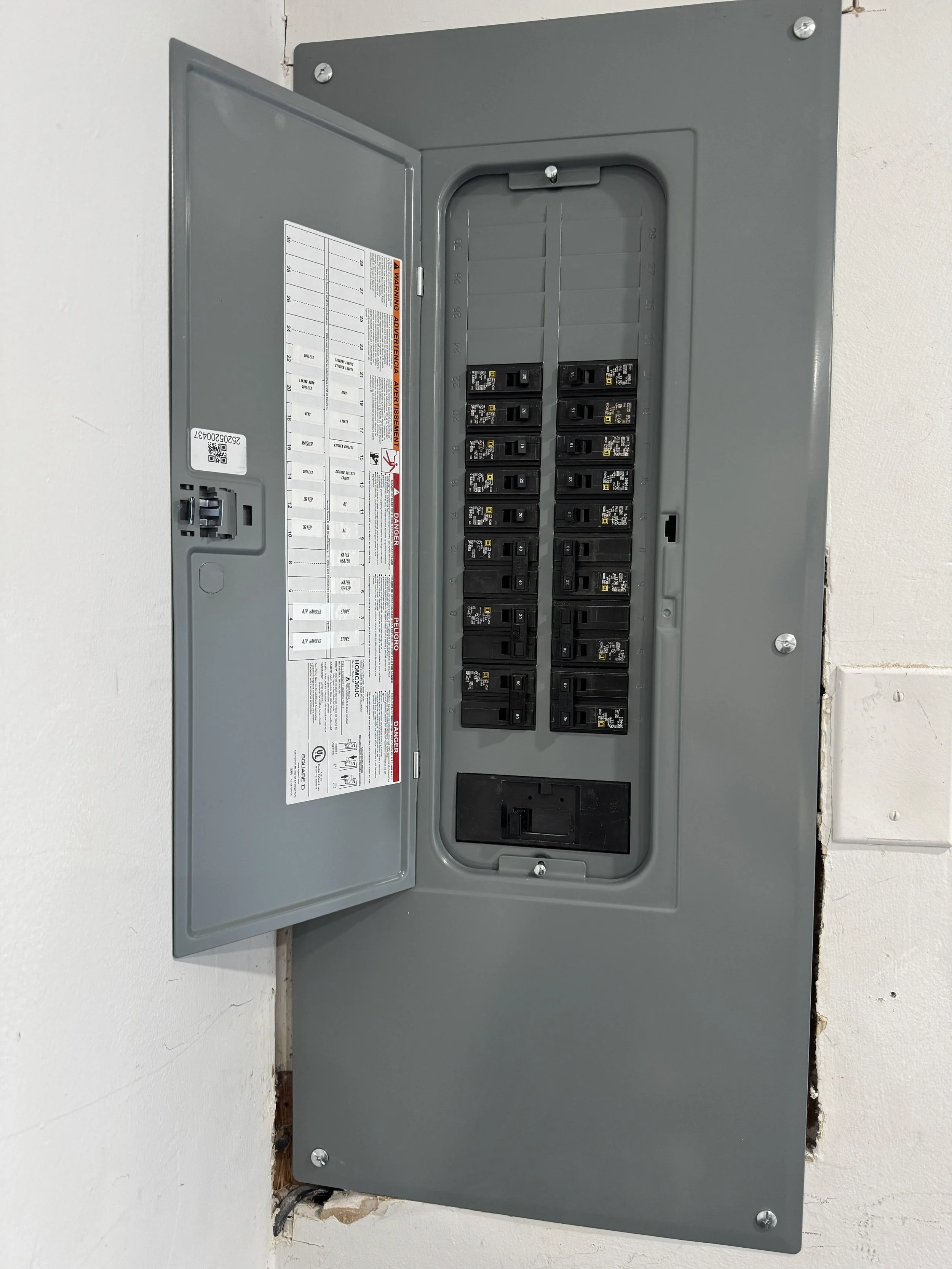
The label is usually inside the door, and on most models it names the breaker types the panel accepts. On a panel from the 1980s, it is often faded, painted over, or torn, and whatever remains is still the starting point for identifying the panel.
03 — Classified Breakers
What a UL Classified Replacement Breaker Is
There is a second legitimate path. UL has described a separate category, “Circuit Breakers, Molded-case, Classified for Use in Specified Equipment,” filed under the code DIXF. These are breakers UL has “investigated and found suitable for use in place of other Listed circuit breakers in specific Listed panelboards.”
The keyword is specific. UL has said the literature or instruction sheet packed with each classified breaker spells out any limitations and names the panelboard it was evaluated with, and that compatibility between breaker and panel is addressed as part of the evaluation. A classified breaker belongs in the panels its literature names, and those panels only. We install the breaker the panel’s own listing calls for.
04 — Knockoffs and Counterfeits
Knockoff, Clone, and Counterfeit Breakers
Some breakers on the market fit neither path. One breaker manufacturer separates them into two groups. A knockoff or clone copies the design and function of a well-known brand, comes from a different company, and may lack a listing from a recognized safety organization such as UL. A counterfeit is an illegal imitation that falsely claims to come from a reputable manufacturer, often with fake logos, labels, and certifications.
The same manufacturer adds that clones may be legal to sell. Legal or not, the concern is performance: it notes such breakers may not trip reliably during an overload or short circuit.
The Electrical Safety Foundation International (ESFI) says counterfeit, unbranded, and unlisted breakers can appear legitimate yet be made with substandard materials and lack proper testing. Its advice for homeowners is to buy electrical equipment from reputable retailers and trusted suppliers, look for products certified and listed by recognized testing laboratories, and check with the Consumer Product Safety Commission for active recalls.
A counterfeit recall from 2010
On August 2, 2010, the CPSC announced a recall of about 43,600 counterfeit circuit breakers bearing the name of a major manufacturer. They had been sold to electrical product distributors and wholesalers nationwide from March 2005 through July 2006. The remedy listed was inspection and replacement, and the notice reported no incidents.
The notice also described marks that set a genuine breaker apart from the fakes, including how the amp rating appeared on the handle and the maker’s insignia molded into the side. That side insignia is hidden by the panel cover and neighboring breakers once a breaker is installed. Counterfeits had reached ordinary supply channels, so a breaker’s source deserves a second look.
05 — Comparison
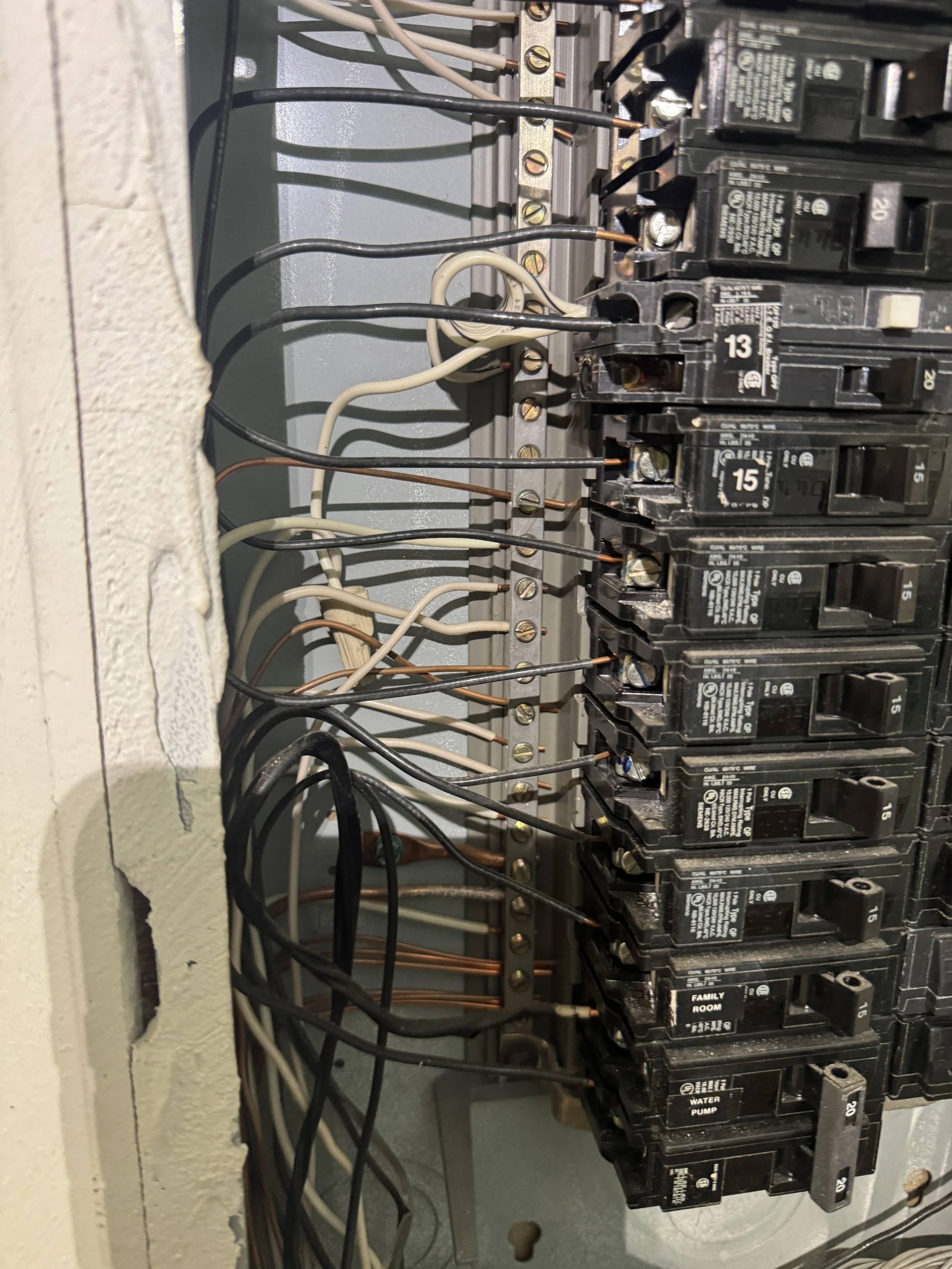
Five Breakers That Fit a Panel, and Which Ones Belong
06 — Why Castles
What Goes Into a Castles Breaker Replacement
The panel gets identified before a part gets ordered
Whatever is left of the label tells us which breakers your panel was evaluated with.
The breaker is tested before it is replaced
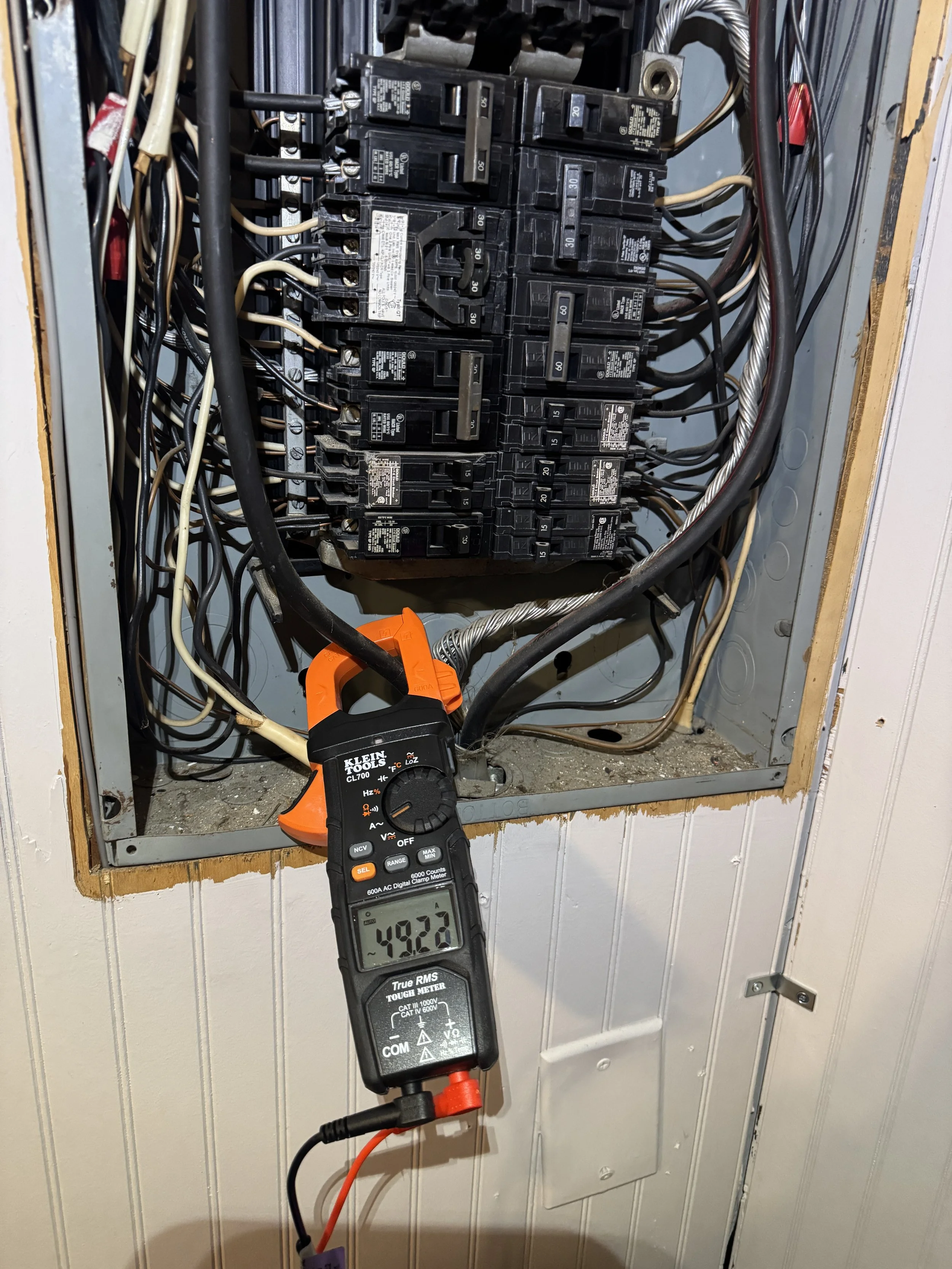
A dead circuit is not proof the breaker failed, so it gets checked first.
07 — Process
How We Replace a Breaker in a Chesapeake Panel
A breaker replacement starts by confirming that the breaker is the failed part. When the trouble lies out on the circuit, the work shifts to tracing the wiring, covered on our electrical repair and troubleshooting page for Chesapeake.
Name the failed circuit
Which circuit stopped working, and a photo of the panel label if you can take one safely.
Confirm the failure
We test the breaker and the circuit it serves to find where the fault sits.
Match the replacement
Type, amperage, and pole count are matched to the circuit, and the replacement is a UL-listed breaker the panel’s listing allows.
Install and remake connections
The approved breaker goes in, loose or overheated connections are corrected, and the circuit is tested.
Explain what we found
You hear what failed, what was replaced, and anything else in the panel worth watching.
Sometimes the label is gone, the panel cannot be identified, or the breaker it lists is no longer available. We tell you that directly. That weighs on whether repair still makes sense, and a new panel gets its own free installation estimate.
08 — FAQS
Chesapeake Panel Repair FAQs
09 — Proof
A Panel Job, Reviewed on Google
One customer’s review describes an old panel updated by an electrician who made sure everything worked before closing it back up.
From our five-star Google reviews
Google 5.0 Rated by Hampton Roads Customers
Castles Electrical maintains a 5.0 rating on Google. The reviews below load as a live widget, so this page shows current feedback from real Castles Electrical customers.