02 — Scope
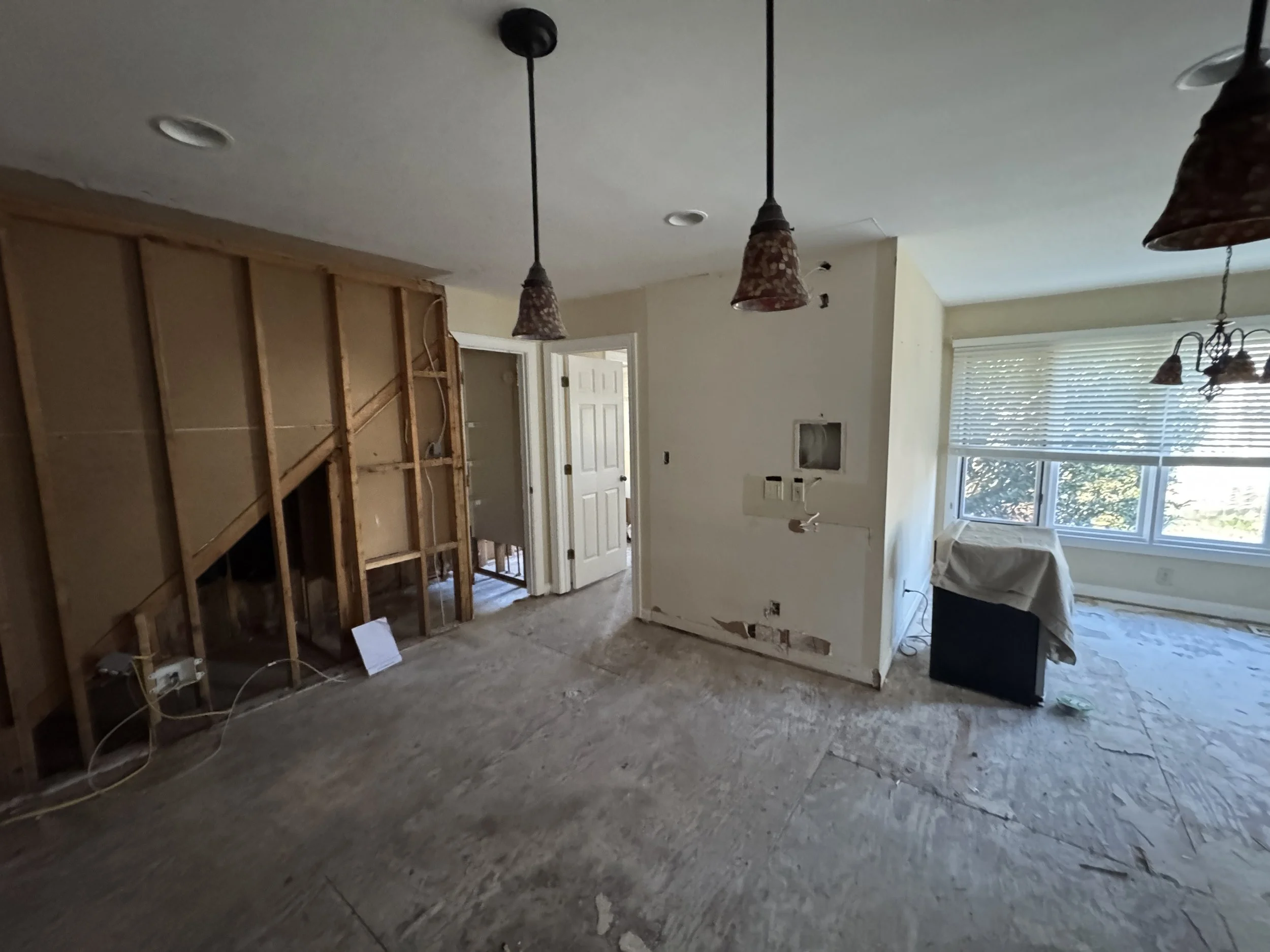
Inside the Walls and Outside Them
03 — Historic Interiors
New Wiring in an Old Interior
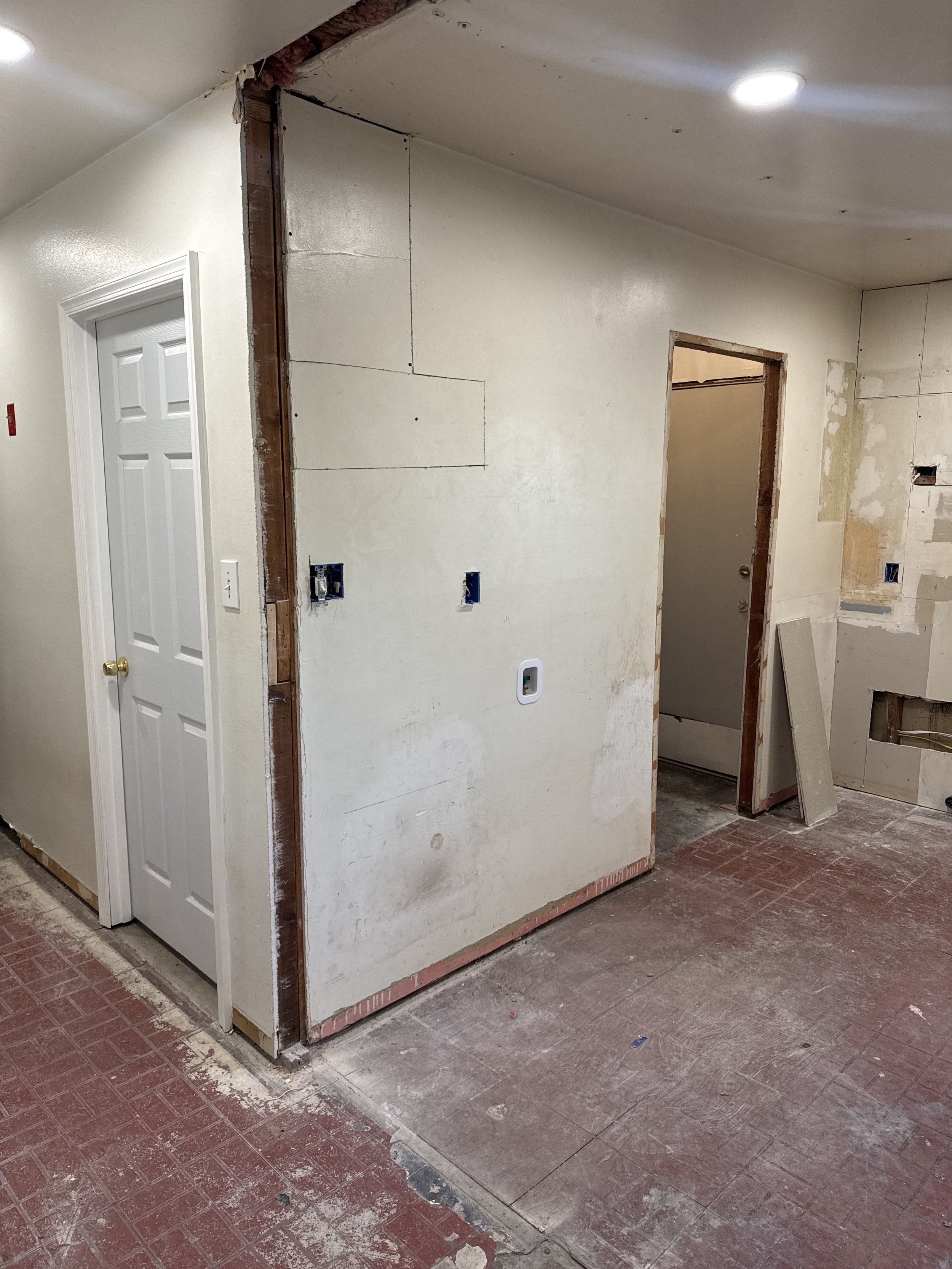
The National Park Service’s Preservation Brief 18, on rehabilitating historic interiors, notes that the visible parts of old systems, such as light fixtures and switchplates, can contribute to a building’s character. It starts with an assessment, noting the location and condition of a building’s existing heating, plumbing, and electrical systems. It recommends that new wiring be installed as inconspicuously as possible, in secondary spaces, in the attic or basement where possible, or in closets.
The brief also encourages repairing deteriorated plaster, and notes that where plaster is too far gone and walls are not highly ornamented, gypsum board may be an acceptable replacement. It adds that rehabilitation still has to meet building and life safety codes, and that close coordination with code officials can protect significant interiors.
For a South Norfolk rewire, that guidance points toward routing new circuits through the attic, the crawlspace, and closet walls where the house allows, and toward deciding early which original fixtures or switchplates you want kept. It is federal preservation guidance, and the city’s review and the building code set the requirements.
04 — Inspections
Chesapeake’s Inspections During a Rewire
New wiring is inspected before it disappears behind walls and ceilings. Chesapeake’s electrical inspections include a rough-in inspection before wiring is concealed and a final inspection once the installation is complete, so wall and ceiling openings stay open until the rough-in passes.
The city says it makes every effort to inspect on the requested date, while noting that the Virginia Uniform Statewide Building Code allows two working days from a request. Phone requests for next-business-day inspections must come in by 3 p.m. Monday through Friday, and requests after 3 p.m. on Friday or over the weekend are scheduled for Tuesday.
Inspectors normally leave a yellow inspection card at the job site with the result. We request the inspections as the permit holder, and the city sets the time and plans patching around them, which is why a rewire runs in stages.
If plaster repair or painting is planned, schedule that work to follow the final inspection so finished walls are not reopened later for a small correction.
05 — Smoke Alarms
Smoke Alarms While the Ceilings Are Open
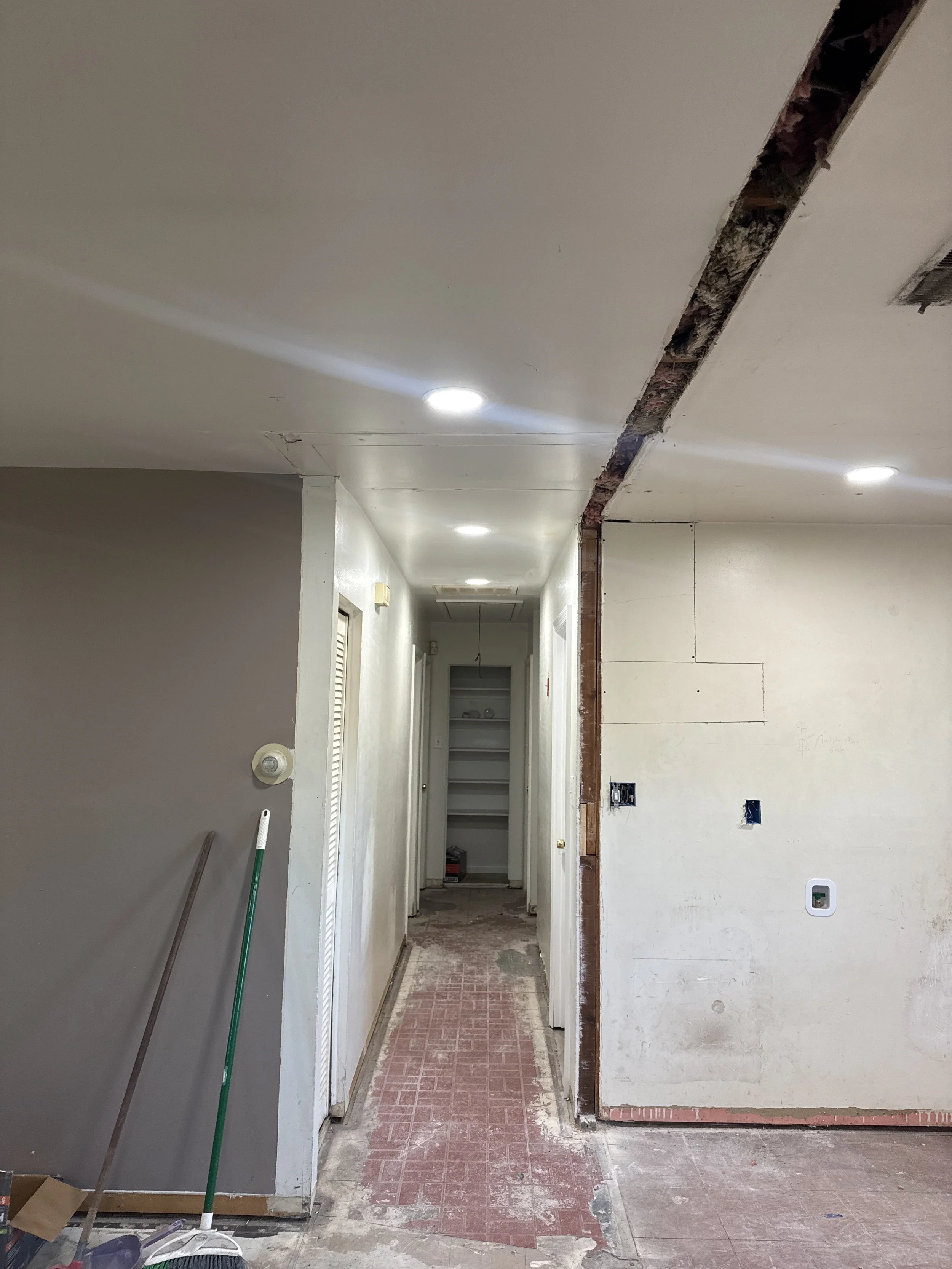
A rewire opens ceilings and walls that stay closed the rest of the time, making it a practical time to check smoke alarm age and placement. Virginia’s existing building code says that when smoke alarms are repaired or replaced, the new devices must be listed to UL 217 and no more than 10 years from their date of manufacture, and battery-only alarms must have a 10-year sealed battery.
Whether a project adds hardwired or interconnected alarms is a scope decision made with you and confirmed with the building official, and we list it separately on the estimate. Replacing an alarm is also a chance to confirm that each sleeping area and hallway you use is covered.
06 — Process
How We Rewire a South Norfolk House
Find the original service point
We trace where electricity first entered the house and how the earliest circuits spread from there, then follow what later owners added.
Plan routes around the frame
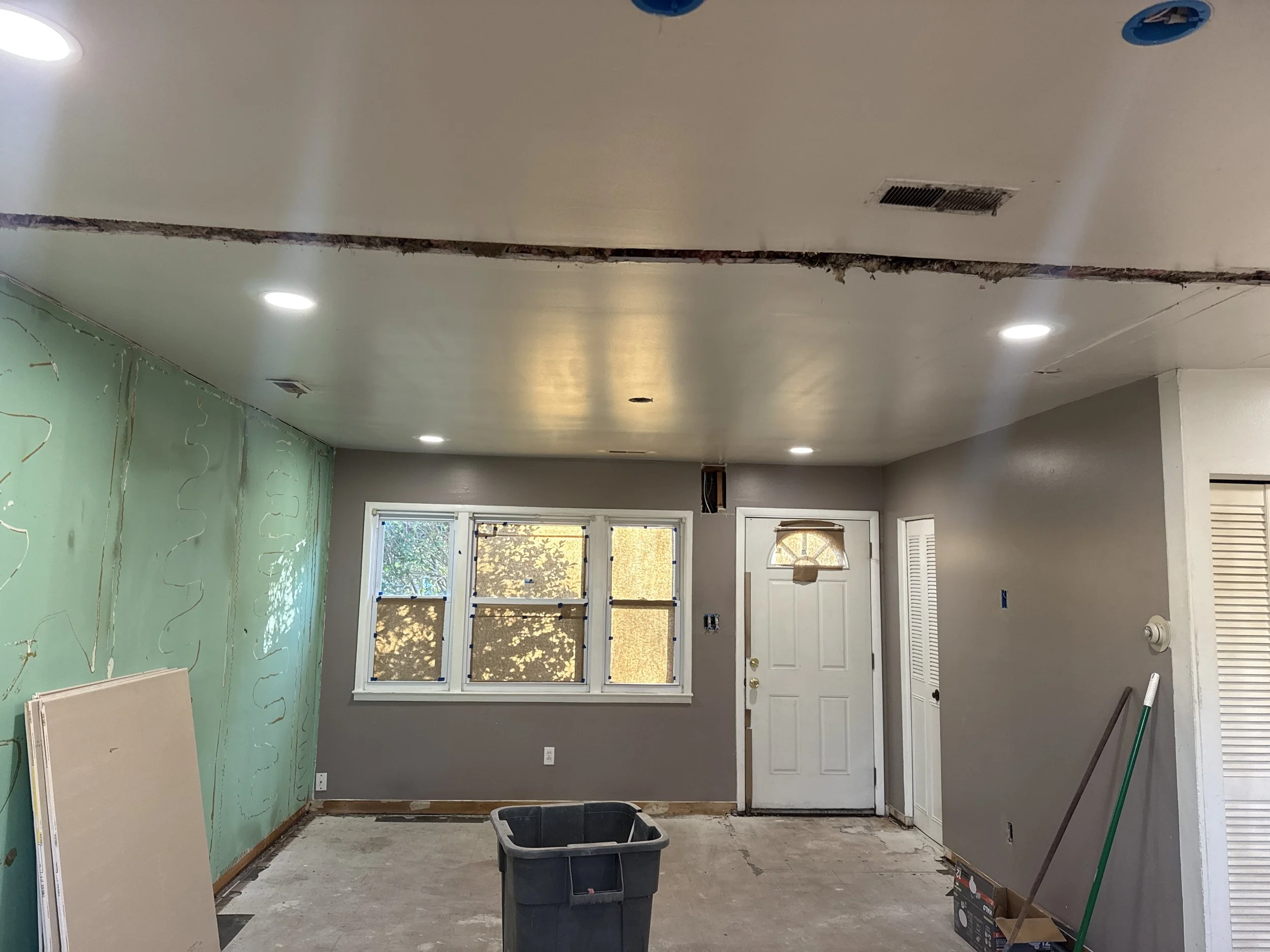
Plaster, fire blocking, and later framing changes can close off routes, so we map routes through the attic, crawlspace, and closets before cutting any opening.
Permit and any exterior review
We pull the electrical permit and confirm any exterior item with city planning staff.
Replace circuits in sections
Old circuits are disconnected as new grounded runs go in, so the house is never left relying on a mix of both longer than necessary.
Inspection
The city inspects the new wiring, and the panel directory is rewritten to match the new circuits.
07 — Why Castles
Rewiring Planned Around the Original Wiring
We find out how the house was first electrified
The original service point and the earliest circuits set the routes for the new ones.
Aluminum gets handled two ways, and you choose
Copper replacement or a listed-connector repair, priced side by side on the scope.
08 — FAQS
Chesapeake Rewiring FAQs
09 — Proof
Receptacle Problems Caught in a Review
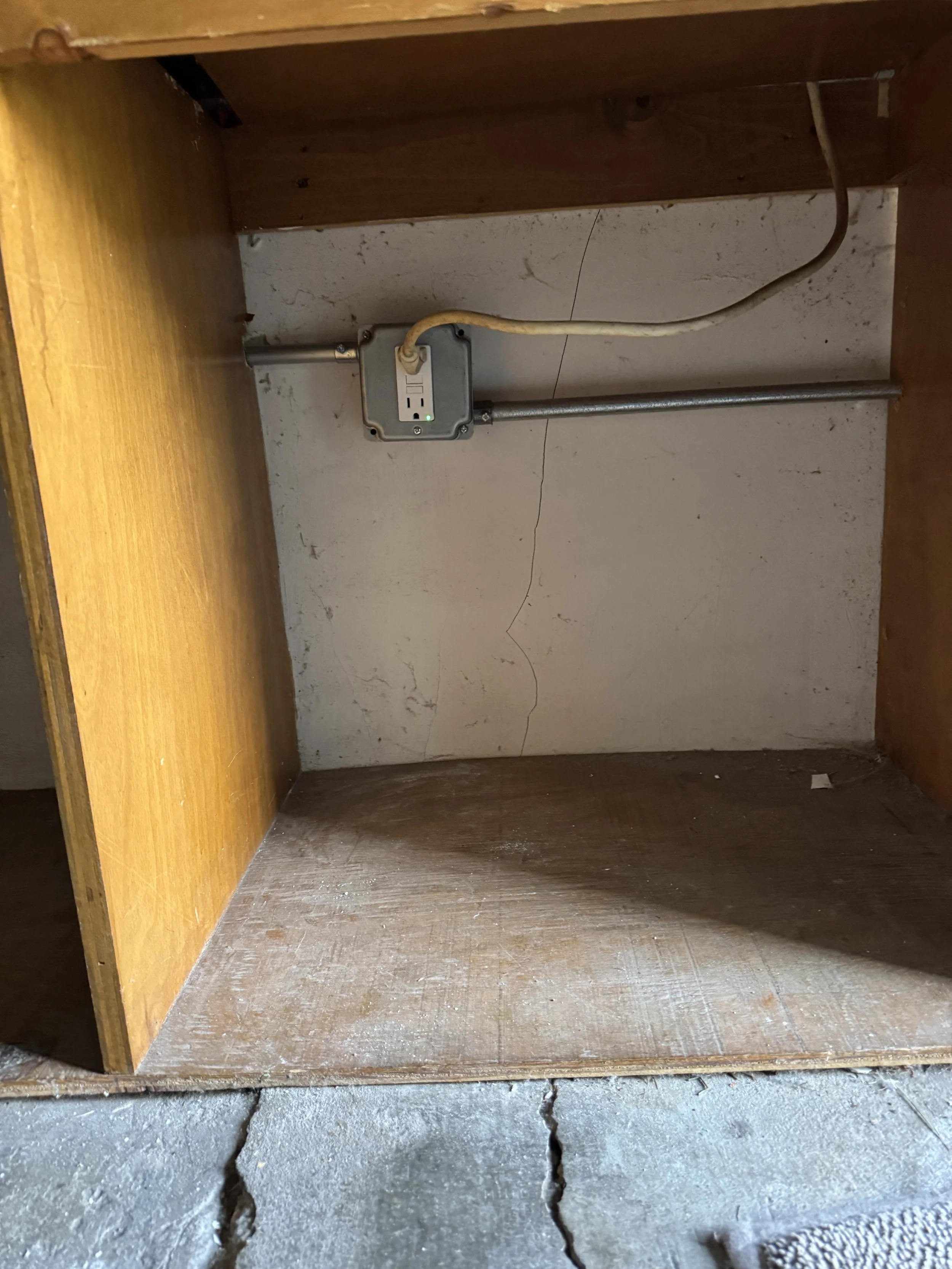
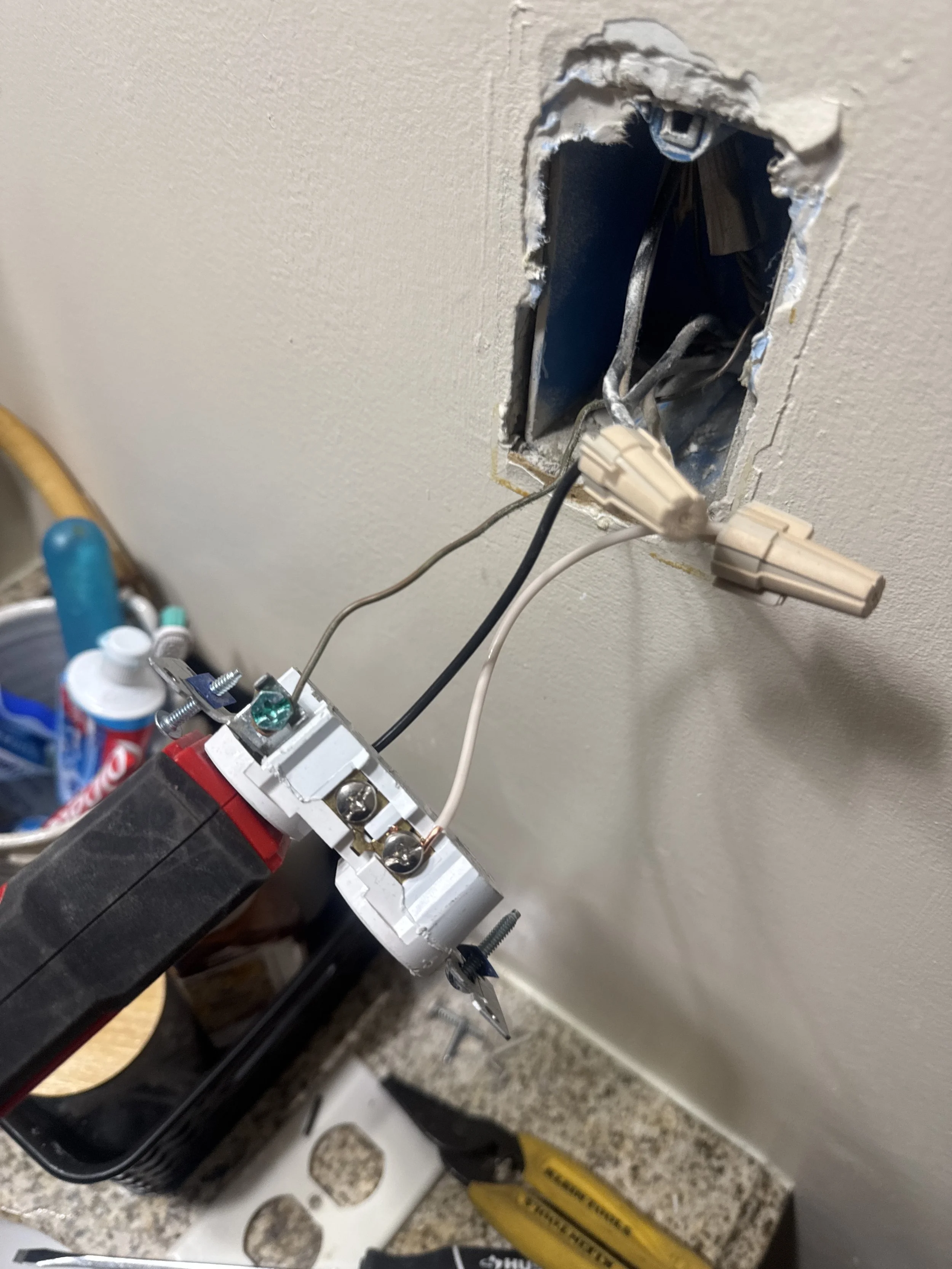
One review describes two interior receptacles that were not wired correctly, found during an inspection and replaced.
From our five-star Google reviews
Google 5.0 Rated by Hampton Roads Customers
Castles Electrical maintains a 5.0 rating on Google. The reviews below load as a live widget, so this page shows current feedback from real Castles Electrical customers.