
Breaker Trips During Storms in Virginia Beach? It’s More Common Than You Think
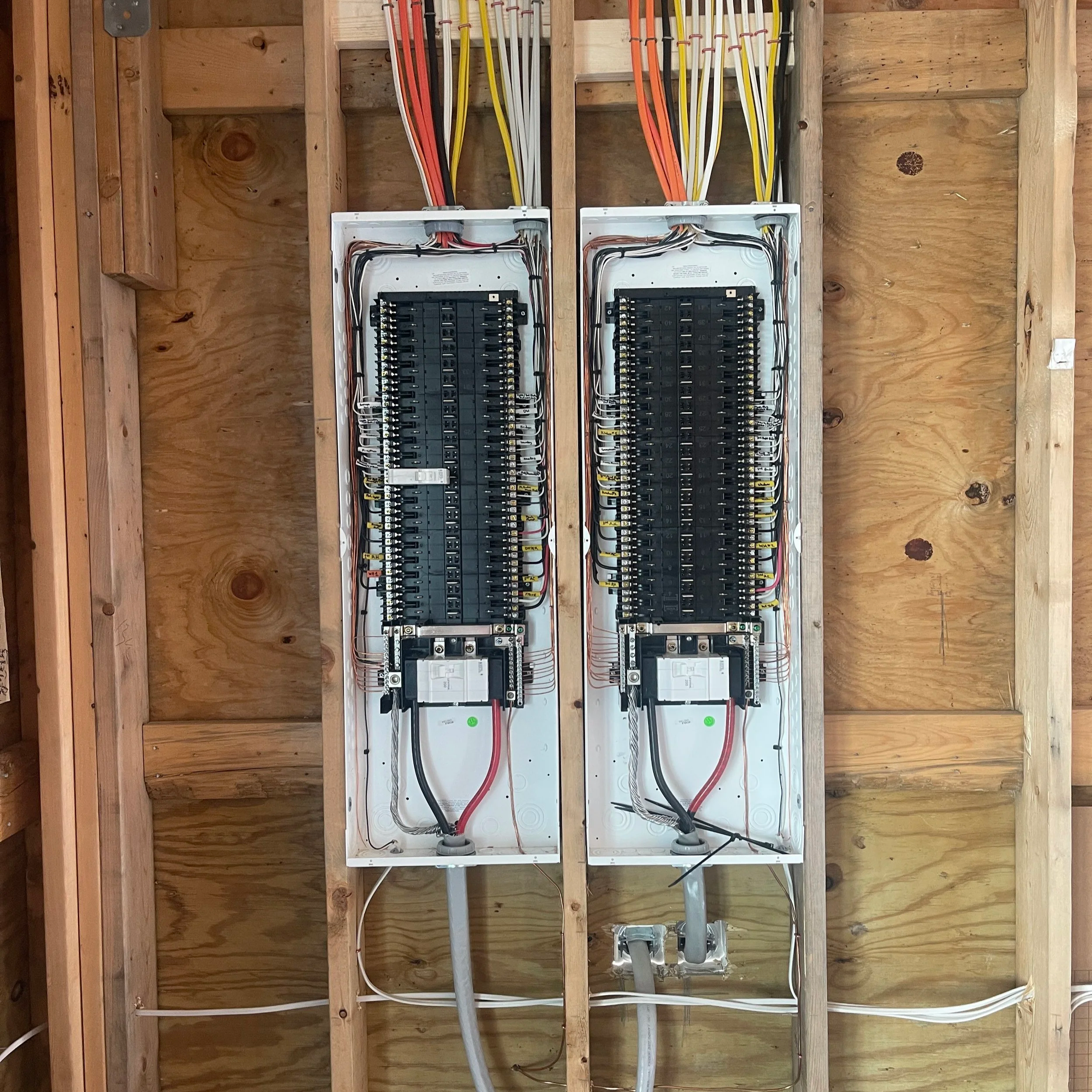
Frequent power surges and moisture during Virginia Beach storms often cause circuit breakers to trip, requiring professional electrical inspection.
Why Storms Expose Electrical Weaknesses in Virginia Beach Homes
Breaker trips during storms rarely come out of nowhere. Storm conditions place electrical systems under stress in ways that fair weather never does. In Virginia Beach, storms bring a mix of heavy rain, wind, pressure changes, and rapid humidity spikes that interact directly with residential electrical infrastructure. Electrical systems operate best under stable conditions. When those conditions change quickly, small vulnerabilities that stay hidden the rest of the year suddenly matter. Breakers trip because they are responding exactly as designed, protecting wiring and equipment from heat, imbalance, or fault conditions triggered by the storm environment.
Many homeowners assume storm-related breaker trips must involve lightning or utility issues. While those factors play a role in some cases, most storm-related trips originate inside the home. Moisture intrusion, shifting loads, and pressure on aging components all contribute. Virginia Beach homes face added challenges due to coastal air and frequent weather swings. Storms do not create electrical problems from scratch. They accelerate existing weaknesses until the breaker responds.
How Wind and Rain Affect Exterior Electrical Pathways
Storm-driven wind and rain place immediate pressure on exterior electrical components. Service masts, weatherheads, meter bases, and exterior conduit all experience movement during high winds. Even slight movement can stress connections that already lack ideal tension. As rain enters small gaps around exterior penetrations, moisture follows wiring paths toward interior components. Electrical systems tolerate limited moisture, but repeated exposure increases resistance and leakage over time.
Virginia Beach homes often rely on exterior wall runs for service entry and branch circuits. During storms, driving rain pushes moisture into areas that remain dry under normal conditions. Wiring insulation absorbs humidity, and metal components cool rapidly under rainfall. These changes alter how electricity flows through connections. Breakers trip when resistance and heat build beyond acceptable limits. The timing coincides with storms, but the cause traces back to physical stress and moisture migration rather than rainfall alone.
Moisture Intrusion Inside Panels and Junction Points
Electrical panels and junction boxes are designed to stay dry, but storm conditions challenge that design. Pressure changes during storms pull humid air into enclosures, especially in garages, crawl spaces, and exterior walls. Moisture settles on breaker contacts, bus bars, and terminal screws. Even light condensation increases resistance at contact points, which leads to localized heating when current flows.
In Virginia Beach, salt carried in storm air accelerates corrosion on damp metal surfaces. Corrosion reduces the conductive area, forcing electricity through smaller paths. As the current concentrates, heat rises. Breakers respond to heat accumulation rather than moisture itself. Storm-related trips often occur after rain has been falling for some time rather than immediately, reflecting the gradual buildup of moisture and resistance inside electrical components.
Ground Fault Conditions Triggered by Storm Moisture
Storms create ideal conditions for ground fault situations. Water lowers insulation resistance, allowing current to leak toward grounded surfaces. Ground fault circuit interrupters and combination breakers detect this imbalance and trip to prevent shock hazards. Exterior outlets, garage circuits, crawl space wiring, and circuits feeding outdoor equipment face the highest exposure.
Virginia Beach homes with aging seals, cracked conduit, or poorly protected junction boxes see ground fault trips most often during storms. These trips may appear random, affecting different circuits depending on where moisture enters. The breaker trips because the current no longer returns cleanly along its intended path. Storms reveal these leakage paths by saturating areas that remain dry during normal weather.
Wind-Driven Load Fluctuations on Electrical Systems
Storm winds change how homes use electricity. HVAC systems cycle more frequently as pressure and temperature fluctuate. Sump pumps, pool pumps, and drainage systems activate in response to rising water levels. Exterior lighting and security systems respond to reduced visibility. These overlapping demands increase electrical load during storms, sometimes unexpectedly.
Breakers respond to sustained load and heat rather than brief spikes. During storms, multiple systems may run longer and more often than usual. Even if each device operates within its rated range, combined operation raises circuit temperature. In homes where circuits already operate near capacity, storm-driven load changes push breakers past their thermal limits. Trips occur not because of one device, but because of cumulative stress amplified by weather conditions.
Aging Wiring and Storm-Related Stress
Older wiring systems struggle more during storms because materials degrade over time. Insulation stiffens, conductors lose flexibility, and connection points loosen after decades of thermal cycling. Storm conditions accelerate these weaknesses by introducing rapid temperature shifts and moisture exposure. Wiring that functions adequately during calm weather may falter when conditions change quickly.
Virginia Beach homes built before modern moisture and grounding standards often show this behavior. Storm-related breaker trips serve as warnings that wiring has little tolerance left for environmental stress. Continued exposure without corrective work increases the likelihood of permanent damage, including insulation breakdown or conductor corrosion that persists even after storms pass.
Neutral and Ground Integrity During Storm Conditions
Neutral and grounding conductors play a critical role in system stability. Storm conditions stress these conductors by increasing moisture exposure at bonding points and grounding electrodes. Soil saturation changes ground resistance, altering how fault current dissipates. Loose or corroded neutral connections respond poorly to these changes, creating an imbalance across circuits.
Breakers may trip when neutral integrity degrades during storms, especially on multi-wire branch circuits. Voltage fluctuations occur as loads shift unevenly, and breakers detect abnormal conditions. These issues rarely appear during dry weather because ground resistance and connection stability remain within acceptable ranges. Storms reveal weaknesses that already exist in neutral and grounding paths.
Why Breakers Trip Instead of Failing Silently
Breakers are designed to interrupt power before damage escalates. During storms, breakers encounter combinations of heat, moisture, and load fluctuation that exceed safe operating thresholds. Tripping prevents wiring insulation from overheating and reduces the risk of shock or fire under compromised conditions.
Homeowners sometimes view storm-related trips as nuisance events. In reality, the breaker is responding appropriately to protect the system. Ignoring repeated storm trips allows underlying issues to worsen. Each storm compounds corrosion, loosens connections further, and expands leakage paths. The breaker’s response provides valuable information about system health rather than an inconvenience to override.
How Utility Conditions Interact With Residential Systems
Storms affect utility supply quality as well. Voltage fluctuations, brief outages, and uneven restoration place additional stress on residential panels. While utilities manage transmission side issues, residential systems must absorb the impact of unstable supply. Loose connections and aging breakers react more aggressively to voltage irregularities.
Virginia Beach experiences frequent storm-related utility disturbances due to coastal weather patterns. Residential systems already operating near tolerance limits struggle to adapt smoothly. Breakers trip as internal temperatures rise or fault conditions emerge during unstable supply periods. Utility influence acts as a catalyst, revealing weaknesses within the home rather than serving as the sole cause.
Outdoor Equipment and Storm-Sensitive Circuits
Outdoor electrical equipment reacts differently during storms than it does in dry, calm weather. Pool pumps, irrigation controllers, landscape lighting transformers, and exterior outlets all sit closer to moisture sources and ground contact than interior systems. During storms, water saturation around conduit entries and junction points increases dramatically. Even when equipment remains weather-rated, seals degrade over time, allowing moisture to migrate inward under sustained rain and wind pressure.
In Virginia Beach homes, outdoor circuits often share pathways with interior wiring before returning to the panel. Moisture introduced outdoors does not stay isolated. It travels along conductors, enters junction boxes, and alters resistance along the entire run. Breakers trip when the combined effect of leakage, resistance, and load crosses safe limits. These trips may appear disconnected from outdoor equipment use, but storm conditions activate vulnerabilities that remain dormant the rest of the year.
Service Entrance Stress During Severe Weather
The service entrance represents one of the most exposed parts of a home’s electrical system. Wind causes overhead service lines to sway, placing tension on the weatherhead and service mast. That movement transfers force to connections inside the meter base and panel. Even minor movement matters when connections already lack ideal torque or show corrosion.
Heavy rain compounds the issue by forcing moisture into service fittings that normally shed water. Over time, repeated storms degrade sealing compounds and gaskets. Virginia Beach’s coastal air accelerates this wear process. Breakers may trip as heat builds at stressed service connections or as voltage fluctuates due to unstable contact. Storm-related trips tied to the service entrance often increase in frequency with each major weather event, reflecting cumulative mechanical wear rather than isolated incidents.
Lightning Proximity and Indirect Electrical Effects
Direct lightning strikes receive most of the attention, but indirect lightning effects cause far more residential breaker trips. Nearby strikes induce voltage surges that travel along utility lines and grounding systems. Even when surge protectors function correctly, residual energy passes through the panel. Breakers respond when internal components heat or experience a momentary imbalance.
Virginia Beach storms produce frequent lightning activity due to coastal convection patterns. Homes without modern surge protection experience greater stress during these events. Breakers trip not because they fail, but because internal thermal elements respond to abnormal energy flow. Repeated indirect surges accelerate breaker aging, making storm-related trips more likely over time, even during moderate weather events.
Why Storm-Related Trips Often Worsen Over Time
Storm-related breaker trips rarely remain isolated events. Each trip reflects conditions that cause incremental damage. Moisture encourages corrosion, heat weakens insulation, and mechanical movement loosens connections further. After each storm, the system recovers only partially. The next storm builds on previous damage, increasing the likelihood of additional trips.
Virginia Beach homeowners often notice a pattern where storms that once caused occasional trips begin triggering them more frequently. That progression indicates diminishing tolerance within the electrical system. Breakers trip sooner, circuits trip more easily, and recovery takes longer. Ignoring early storm-related trips allows minor vulnerabilities to evolve into persistent electrical instability.
Why Resetting Breakers During Storms Carries Risk
Resetting a breaker during a storm restores power temporarily, but underlying conditions often remain active. Moisture levels stay elevated, loads continue fluctuating, and external stress persists. Each reset allows heat and leakage to rebuild until the breaker trips again. Repeated resets under storm conditions accelerate wear on breaker components.
Breakers designed to protect wiring lose calibration accuracy when cycled excessively. Virginia Beach homes experiencing frequent storm resets often see breakers become overly sensitive or fail to trip when needed. Treating storm trips as a short-term inconvenience overlooks the protective role the breaker plays. Allowing the breaker to remain off until conditions stabilize reduces repeated stress and limits damage.
How Professional Evaluation Addresses Storm-Driven Trips
Electrical inspections focused on storm behavior and examined areas most affected by weather exposure. Electricians assess service entrance integrity, outdoor equipment connections, grounding systems, and panel condition. Moisture intrusion points receive particular attention, along with neutral and ground bonding integrity. Thermal imaging identifies hotspots that develop only under load or damp conditions.
In Virginia Beach homes, inspections often reveal layered issues rather than a single failure point. Slight corrosion at multiple locations combines with load fluctuations and aging components to create storm-specific trips. Addressing these factors together stabilizes performance across weather conditions rather than simply reducing nuisance trips temporarily.
FAQs
Heavy rain increases moisture intrusion and humidity, which raises resistance and leakage in wiring and electrical components. These conditions expose existing weaknesses that remain hidden during dry weather.
Yes. Wind, rain, pressure changes, and humidity affect electrical systems independently of lightning. Most storm-related trips occur due to moisture and load changes rather than direct electrical strikes.
Repeated resets during active storm conditions increase stress on breakers and wiring. Allowing the breaker to remain off until conditions stabilize reduces ongoing damage and improves safety.
Not always. Some issues relate to moisture intrusion, grounding, or aging components that can be corrected without full replacement. Persistent or worsening trips may indicate broader panel limitations.
Professional inspection, sealing moisture entry points, improving grounding, updating aging components, and balancing loads all improve system resilience during severe weather.