
Does Your Breaker Trip When It Rains in Virginia Beach? Here's Why
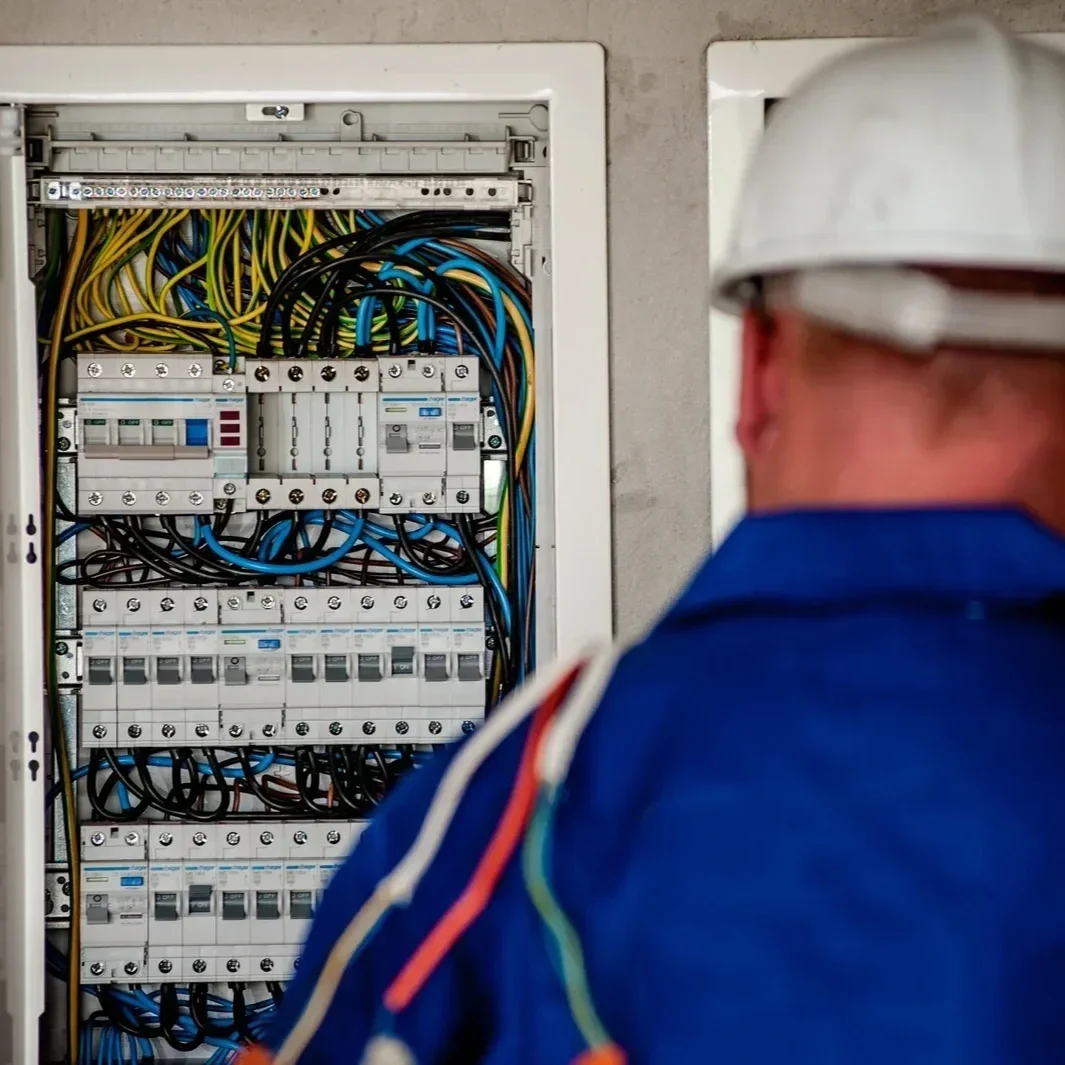
Rainwater can seep into outdoor outlets or panels, causing shorts that trip your breakers—a common issue during Virginia Beach storms.
Coastal Weather And How Moisture Finds Its Way Into Electrical Systems
Living in Virginia Beach, Virginia means dealing with a coastal climate that behaves differently from drier inland areas, especially when it comes to electrical systems. Heavy rain, wind driven moisture, high humidity, and salt in the air all work together to stress components that might perform fine in other regions. Electrical systems rely on dry, controlled environments to operate predictably, and rain events often expose vulnerabilities that stay hidden during fair weather. Moisture does not need to flood a space to cause trouble. Small amounts entering through conduit, exterior penetrations, or aging seals can change how electricity flows through a circuit and how protective devices react.
Rainstorms in this area often come with shifting air pressure and gusting winds that push water sideways, not just straight down. That movement allows moisture to reach exterior outlets, service masts, meter bases, and junction boxes that were never designed to handle prolonged saturation. Over time, materials expand and contract, sealants crack, and tiny gaps open around fittings. When rain hits those weak points, water follows gravity and capillary action straight into electrical pathways. Once moisture reaches conductors or terminations, breakers often trip as a protective response, not because the breaker failed but because conditions changed enough to create a fault or imbalance.
Ground Fault Protection And Why Rain Triggers It So Easily
Many homes in Virginia Beach, Virginia rely on ground fault circuit interrupter protection to reduce shock risk in areas exposed to moisture, including exterior circuits, garages, kitchens, and bathrooms. Ground fault protection monitors current flow and looks for even small differences between hot and neutral conductors. When rain introduces moisture into an outlet box, conduit, or connected device, electricity can begin leaking to ground through damp materials. That leakage does not need to be dramatic to cause a response. Even minor current diversion can trigger a breaker or device designed to shut power off quickly.
Rain often accelerates this process because moisture lowers resistance across surfaces that normally act as insulators. Dust, pollen, salt residue, and debris inside an outdoor box can absorb water and create conductive paths that did not exist when dry. A circuit that appears stable for months may trip repeatedly during storms because ground fault protection reacts exactly as designed. Homeowners sometimes assume the breaker itself has gone bad, but repeated rain related trips usually point to a location where water intrusion allows electricity to escape its intended path, even if no visible damage appears from the outside.
Exterior Wiring Methods And Long Term Exposure Issues
Exterior electrical wiring in coastal regions faces challenges that extend far beyond occasional rainstorms. Conduit connections loosen over time due to temperature swings, vibration, and settling of the structure. Plastic components become brittle under UV exposure, while metal fittings corrode faster in salty air. In Virginia Beach, Virginia, these factors combine to shorten the lifespan of exterior electrical hardware compared to inland environments. Rain acts as the trigger that reveals deterioration already in progress rather than the sole cause of the problem.
Water often enters systems at transition points where exterior wiring meets interior spaces. Service entrance conduits, meter bases, and wall penetrations all depend on proper slope, sealing, and drainage to keep moisture out. When those features degrade, water can travel along conductors and into breaker panels. Once moisture reaches the panel interior, breakers may trip unpredictably as humidity rises or condensation forms. Over time, corrosion develops on terminals, increasing resistance and heat buildup. That process raises the likelihood of nuisance trips during wet weather and increases the risk of more serious electrical failures if left unaddressed.
Underground Circuits And Saturated Soil Conditions
Many properties in Virginia Beach, Virginia use underground wiring to power landscape lighting, detached structures, docks, or pool equipment. Underground circuits face unique challenges during heavy rain because soil conditions change dramatically when saturated. Waterlogged soil can compromise insulation, stress splices, and allow current leakage where burial methods or materials no longer meet current standards. Even circuits buried correctly decades ago may struggle under modern moisture conditions due to insulation breakdown or shifting soil.
Rainfall also raises groundwater levels, which can submerge conduits and junction boxes never intended to sit below the water table. When water infiltrates underground enclosures, it often remains trapped long after surface conditions dry out. Breakers trip intermittently as moisture levels fluctuate, confusing homeowners who cannot link the issue to visible flooding. Over time, repeated exposure degrades conductors and splices, increasing resistance and heat while reducing reliability. Electrical systems react defensively by tripping breakers to limit damage, often long before obvious signs appear above ground.
Service Equipment Vulnerabilities During Storm Events
The main service equipment in a home often receives less attention than interior wiring, yet rain events frequently expose weaknesses at this critical point. In Virginia Beach, Virginia, service masts, weather heads, and meter bases sit directly in the path of wind driven rain. Those components rely on gravity and proper installation angles to shed water, but even slight misalignment can allow moisture to follow conductors downward. Over time, insulation stiffens, rubber grommets dry out, and small gaps form where conductors enter enclosures. Rainwater exploits those gaps efficiently, especially during prolonged storms.
Once moisture reaches service conductors or meter connections, electrical behavior changes quickly. Increased humidity inside enclosures can lead to condensation forming on live components even without direct water entry. Breakers respond to abnormal current flow, elevated resistance, or minor arcing conditions by tripping. These trips often occur only during or shortly after rain, leading homeowners to suspect coincidence rather than causation. Repeated exposure accelerates corrosion on lugs and terminals, which compounds the problem by creating heat under normal loads. Over time, what began as a weather related nuisance can evolve into a persistent reliability issue that surfaces every time rain hits the coastline.
Panel Location And Environmental Influence Inside The Home
Breaker panels installed in garages, basements, or utility rooms are especially sensitive to environmental changes caused by storms. High humidity levels during rain events can raise moisture content inside spaces that normally remain dry enough for electrical equipment. In coastal homes around Virginia Beach, Virginia, garages often lack full climate control and can experience rapid humidity spikes during heavy rain. Moist air enters through gaps, vents, or open doors, settling inside panels and creating condensation on metal components.
Moisture inside a panel does not need to drip to cause issues. Thin films of condensation can alter resistance at breaker contacts and bus bars, increasing the likelihood of trips under normal loads. Older panels with surface corrosion respond more aggressively to humidity changes, while newer panels may still trip as a protective measure when sensing irregular current behavior. Homeowners often reset breakers successfully once the storm passes, only to face repeated trips during the next rain event. That pattern usually signals an environmental influence rather than random failure, pointing toward moisture management and panel condition rather than load issues alone.
Appliance Circuits And Outdoor Connected Loads
Circuits that serve outdoor connected equipment often behave differently during rain because moisture affects both ends of the electrical path. Pool pumps, air conditioning condensers, landscape lighting, and exterior receptacles all interact directly with weather conditions. In Virginia Beach, Virginia, these systems experience higher exposure to moisture and salt air, which accelerates wear on electrical connections and insulation. Rain can introduce water into motor housings, disconnect boxes, or outlet covers that appear intact from a distance.
When moisture reaches connected equipment, electrical resistance changes inside motors and controls. Breakers detect these changes as abnormal conditions and trip to prevent damage. Homeowners sometimes focus on the breaker itself, overlooking the connected load that only becomes problematic during wet conditions. Over time, repeated moisture exposure inside appliances shortens lifespan and increases energy draw, creating a feedback loop where breakers trip more frequently as components degrade. Addressing rain related trips often requires evaluating the entire circuit path, not just the breaker or panel.
Common Installation Shortcuts That Surface During Rain
Many rain related electrical issues trace back to installation shortcuts that seemed harmless at the time. Exterior boxes mounted flush without proper sealing, conduit without drip loops, and fittings tightened without thread sealant all allow moisture pathways to develop. In coastal regions like Virginia Beach, Virginia, these shortcuts reveal themselves sooner due to constant environmental stress. Rain acts as a stress test, showing where systems lack redundancy against water intrusion.
Homeowners frequently encounter problems years after installation, long after the original work fades from memory. Electrical systems operate quietly until conditions change, making it easy to overlook marginal practices. Once rain triggers repeated breaker trips, identifying the root cause requires careful inspection of installation details rather than replacing components blindly. Proper sealing, drainage, and material selection play a significant role in long term reliability, especially in climates where moisture remains a constant presence rather than an occasional event.
FAQs
Breakers that trip only during rain usually react to moisture entering part of the electrical system. Water can reach exterior outlets, underground wiring, service equipment, or connected appliances, altering current flow enough to trigger protective devices even when everything appears normal during dry weather.
Repeated tripping during rain signals an underlying moisture issue that should not be ignored. While the breaker itself helps reduce risk by shutting power off, ongoing exposure to moisture can lead to corrosion, overheating, and eventual failure if the source of intrusion remains unresolved.
High humidity can contribute to breaker trips, especially in garages or utility spaces. Moist air can create condensation inside panels or on wiring, changing resistance and causing protective devices to respond even without visible water intrusion.
Outdoor outlets often share circuits with interior spaces. When moisture enters an exterior receptacle or box, the entire circuit can trip, cutting power to interior outlets or lighting connected to the same breaker.
Underground wiring should be evaluated if breaker trips coincide with rain events. Saturated soil, aging insulation, or submerged splices can allow current leakage that only appears when moisture levels rise.