
Breaker Trips Instantly? Here’s What Virginia Beach Electricians Say
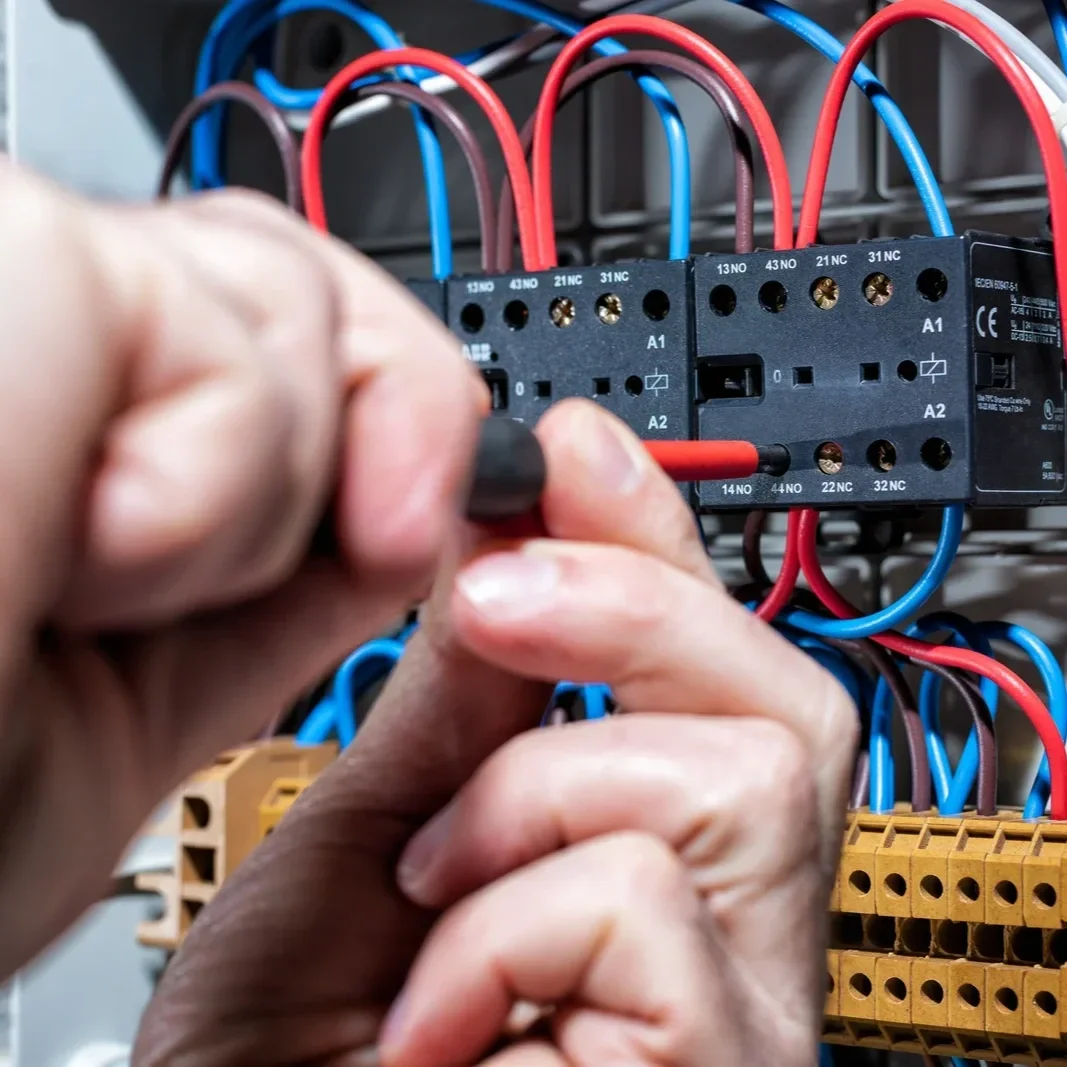
Expert Virginia Beach electricians recommend immediate professional inspection when breakers trip instantly to prevent electrical fires and ensure home safety.
Why Instant Breaker Trips Signal a Different Kind of Problem
A breaker that trips instantly behaves very differently from one that trips after several minutes or hours. Immediate trips point toward a fault condition rather than a gradual overload or heat buildup. In Virginia Beach homes, instant trips usually occur the moment power is applied, such as when a breaker is reset or an appliance is switched on. Breakers react instantly when they detect a short circuit or severe imbalance that could damage wiring almost immediately. The speed of the trip matters because it narrows the range of possible causes significantly.
Homeowners often describe these trips as frustrating because power never seems to stay on long enough to identify a trigger. In practice, instant trips indicate that electricity encounters a problem as soon as it attempts to flow through the circuit. That problem may be damaged wiring, a failed appliance, or a compromised connection that allows current to bypass its intended path. Virginia Beach electricians treat instant trips as high-priority issues because they suggest conditions capable of causing damage quickly if the breaker does not intervene.
Short Circuits and How They Develop Inside Residential Wiring
Short circuits occur when a hot conductor comes into contact with a neutral wire or a grounded surface. That contact creates a low resistance path that allows current to surge rapidly. Breakers detect that surge and trip almost immediately to prevent overheating and fire. In homes, shorts develop for several reasons, many of which progress quietly over time before reaching a tipping point.
Wiring insulation can degrade due to age, heat exposure, or physical damage. Rodents chewing insulation, nails driven into walls, or wires pinched during renovations all create conditions where conductors touch. In Virginia Beach, humidity accelerates insulation breakdown, especially in crawl spaces and attics. When a short finally forms, the breaker trips instantly every time power attempts to flow. Resetting the breaker without addressing the damaged wiring simply recreates the same fault condition.
Appliances That Cause Immediate Breaker Trips
Appliances rank among the most common triggers for instant breaker trips. Motors, heating elements, and internal wiring can fail suddenly, creating short circuits inside the device itself. When the appliance turns on, the breaker trips immediately. Unplugging the appliance often allows the breaker to stay on, confirming the source.
Virginia Beach electricians frequently encounter instant trips caused by aging water heaters, air conditioning components, pool pumps, and garage refrigerators. Coastal humidity affects appliance internals just as it does home wiring. Corrosion forms inside motors and control boards, increasing the chance of internal shorts. Appliances may appear to function normally until the moment failure occurs. Instant breaker trips tied to appliances usually repeat consistently until the faulty device is repaired or replaced.
Ground Fault Conditions That Trigger Immediate Shutdown
Ground fault protection reacts extremely fast. Ground fault circuit interrupters and combination breakers trip when they detect current leaking toward ground rather than returning along the neutral path. These devices trip within milliseconds to reduce shock risk. In Virginia Beach homes, moisture often plays a major role in ground fault conditions.
Water intrusion into outlets, junction boxes, or appliance housings creates unintended grounding paths. Exterior circuits, garage outlets, bathrooms, and kitchens see this behavior most often. When power is applied, the breaker detects an imbalance immediately and trips. Ground fault-related instant trips often worsen during humid weather or after heavy rain, reinforcing the connection between environmental conditions and electrical behavior.
Arc Fault Protection and Rapid Response Trips
Arc fault circuit interrupters detect dangerous arcing patterns within wiring. Arcing produces high heat without necessarily drawing excessive current. Arc fault devices monitor waveform irregularities and trip quickly when they identify signatures associated with sparking connections. Loose terminals, damaged conductors, and failing switches create arcing conditions that trigger immediate trips.
Homes in Virginia Beach built or updated under modern electrical codes often include arc fault protection on living area circuits. While arc fault devices reduce fire risk, they also reveal wiring issues that older breakers might tolerate silently. Instant trips tied to arc fault protection often point toward loose connections behind outlets, damaged cords, or deteriorating wiring runs rather than overload conditions.
Why Resetting the Breaker Changes Nothing
Instant trips repeat because the fault condition remains present. Resetting a breaker restores power momentarily, but electricity encounters the same problem as soon as it flows. Breakers trip by design to interrupt dangerous conditions. Repeated resets do not fix shorts, ground faults, or arcing issues.
Virginia Beach electricians often arrive after homeowners have reset breakers multiple times, hoping the issue resolves itself. In many cases, repeated resets increase wear on the breaker without addressing the underlying cause. Treating instant trips as persistent faults rather than temporary glitches prevents further damage and reduces diagnostic time once professional inspection begins.
Loose Connections That Behave Like Short Circuits
Loose connections can mimic short-circuit behavior under certain conditions. When conductors lose proper contact pressure, electricity jumps across small gaps, creating intense localized heat and arcing. Breakers may interpret these conditions as faults and trip instantly. Loose connections often develop gradually due to thermal cycling, vibration, or improper installation.
In Virginia Beach homes, panels and junction boxes exposed to humidity experience accelerated loosening as metal expands and contracts. At the moment power flows, unstable connections react unpredictably. Instant trips linked to loose connections often appear intermittent at first, then become consistent as damage progresses. Tightening or replacing affected connections resolves the issue once identified.
Wiring Damage Hidden Behind Walls
Some of the most difficult instant trip causes involve wiring hidden from view. Nails driven into walls, screws piercing cables, or wires crushed during renovations create latent faults. These faults remain dormant until conditions align. A breaker trips instantly when power reaches the damaged section.
Virginia Beach homes that have undergone multiple remodels face a higher risk of hidden wiring damage. Each renovation increases the chance of accidental contact with electrical runs. Breakers respond instantly because damaged conductors allow uncontrolled current flow. Identifying these issues requires systematic testing rather than guesswork.
Panel Issues That Cause Immediate Trips
Breaker panels themselves can cause instant trips when internal components degrade. Corroded bus bars, damaged breaker clips, or improper breaker seating create fault conditions at the panel rather than the branch circuit. When the breaker closes, contact instability triggers immediate shutdown.
Coastal air accelerates corrosion inside panels, even when panels remain indoors. Virginia Beach electricians frequently find panel-related issues behind instant trips, especially in older homes. Replacing breakers without addressing panel integrity may temporarily restore function, but underlying problems persist. Panel inspection remains critical when instant trips occur without obvious circuit faults.
Why Time of Day Rarely Matters With Instant Trips
Unlike overload or heat-related trips, instant trips show little sensitivity to time of day. They occur whenever power is applied because the fault exists continuously. Homeowners sometimes notice patterns based on when appliances run or when lights turn on, but the underlying condition remains present regardless of timing.
Instant trips provide valuable diagnostic clarity. The consistency of the response points toward structural electrical issues rather than usage patterns. Recognizing that distinction helps homeowners and electricians focus on wiring integrity, device condition, and panel health rather than chasing load-related explanations.
Environmental Factors That Accelerate Instant Trip Conditions
Virginia Beach’s coastal environment plays a quieter but persistent role in instant breaker trips. Salt carried in the air settles on electrical components over time, even inside walls and panels. That salt attracts moisture, which promotes corrosion on conductors, terminals, and device contacts. Corrosion reduces conductive surface area and weakens insulation, creating conditions where electricity finds unintended paths the moment power is applied. Instant trips often appear suddenly because the deterioration happens gradually until a critical threshold is reached.
Humidity also affects materials differently at various points in the system. Wiring in crawl spaces, attics, garages, and exterior walls experiences higher moisture exposure than interior runs. Insulation in those areas becomes brittle or porous over time, increasing the likelihood of leakage or shorts. When a breaker is reset, electricity encounters compromised sections immediately, triggering an instant response. Environmental influence explains why some homes develop instant trips without any recent changes or visible damage.
Extension Cords, Power Strips, and Plug-Connected Faults
Plug-connected devices and accessories frequently contribute to instant breaker trips. Extension cords pinched under furniture, power strips overloaded or damaged, and cords exposed to moisture create faults outside the wall. When a breaker trips instantly after being reset, disconnecting all plug-connected devices often reveals whether the issue lies within the circuit wiring or with something plugged in.
Virginia Beach electricians routinely find instant trips caused by outdoor extension cords used temporarily but left in place. Rain, salt air, and sun exposure degrade cord insulation quickly. Once insulation fails, conductors contact each other or ground surfaces. The breaker trips instantly every time power is applied until the cord is removed. These issues illustrate how faults do not always originate inside walls or panels, even though the breaker response feels severe.
Lighting Fixtures and Immediate Fault Conditions
Lighting fixtures, especially those exposed to moisture or heat, represent another common source of instant trips. Recessed lighting, exterior fixtures, and bathroom lights experience condensation, corrosion, and insulation breakdown over time. When wiring inside a fixture contacts the metal housing, a direct fault forms, and turning on the switch causes an immediate breaker trip.
Older fixtures in Virginia Beach homes often lack modern moisture protection. Retrofit LED fixtures installed into aging housings may also create compatibility issues if wiring integrity is compromised. Instant trips tied to lighting circuits frequently occur the moment a switch is flipped, offering a clear behavioral clue. Addressing fixture wiring and connections resolves these issues once identified.
Why Breakers Trip Instantly Instead of Buzzing or Delaying
Breakers respond differently based on the type of abnormal condition they detect. Overloads produce heat gradually, leading to delayed trips. Loose connections may buzz or warm before tripping. Short circuits and severe faults produce rapid current changes that breakers detect instantly. The internal mechanisms of breakers differentiate between these conditions to protect wiring appropriately.
Instant trips indicate that the breaker is sensing a condition capable of causing immediate damage. The absence of warning signs like warmth or noise does not reduce severity. In fact, instant trips suggest a more direct hazard than delayed ones. Understanding this distinction helps homeowners appreciate why instant trips require prompt investigation rather than observation.
FAQs
An immediate trip usually indicates a short circuit, ground fault, or severe wiring issue. The breaker senses a dangerous condition the moment power flows and shuts off to protect the circuit.
Yes. Appliances with internal shorts or failed components often trip breakers instantly. Unplugging appliances and resetting the breaker helps determine whether the fault lies in the device or the circuit.
Instant trips often indicate more direct hazards like shorts or ground faults. These conditions can cause damage quickly, which is why breakers respond without delay.
Repeated resets do not resolve the underlying issue and can increase wear on the breaker. Persistent instant trips call for professional inspection to locate and repair the fault.
Not always. Many instant trips relate to wiring, devices, or connections rather than the panel itself. Panel issues do contribute in some cases, which inspection can confirm.