
Budget Smart for a Safer Home Electrical Panel Replacement Guide
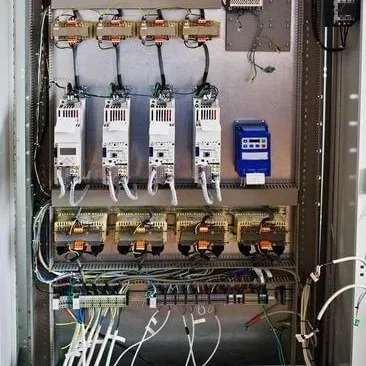
Frequent breaker trips, warm panel surfaces, lights dimming without reason, or a lack of capacity for new appliances may all point toward the need for replacement.
An electrical panel is where all the electricity entering your home gets sorted out and sent where it needs to go. Power comes in from the utility company, lands in this box, and then spreads across individual circuits. Each breaker in the panel acts like a safety valve, cutting power when a circuit is pushed too hard. Some older houses still use fuse boxes — a setup that worked fine decades ago but feels outdated next to modern breaker panels that reset with a simple flip. Electrical panels have grown more capable over the years, handling higher loads and offering built-in protections that older systems simply never had. Because this box plays such a central role, its condition directly affects daily comfort and overall safety. Frequent breaker trips, warm panel surfaces, lights dimming without reason, or a lack of capacity for new appliances may all point toward the need for replacement.
When replacement is necessary
Sometimes a panel can hang on for a long time before problems finally force attention. But when issues become constant, or renovations push the electrical system to its limits, replacement becomes more than a suggestion — it becomes a necessity. Adding square footage, upgrading a kitchen, or installing a high-demand appliance often requires more capacity than the old panel can give. Age, corrosion, discoloration, or obvious damage are also signs that the panel has reached the end of its useful life. A few older panel brands have been flagged for safety concerns, and electricians generally recommend replacing them even before symptoms appear. Repairs can help in isolated situations, but if the entire system is outdated or parts are no longer available, a full replacement is usually the smarter and safer option. Waiting too long can affect insurance coverage and increase the risk of fire or electrical failure.
Types of electrical panels
Homes typically rely on one of three main types of panels. The most common is the main breaker panel, which controls power for the entire home and includes a central shutoff switch. Subpanels get added when more circuits are needed or when electricity needs to reach detached areas like garages, workshops, or home additions. Fuse boxes are older systems that use melt-away fuses instead of breakers. While fuse boxes technically still work, they’re limited in capacity and offer fewer safety features. Modern breaker panels come in a wide range of sizes and styles, with better compatibility for today’s electrical loads. Subpanels are useful for expansions, while fuse boxes generally signal that an upgrade should be part of long-term planning.
Safety implications
A faulty or outdated panel isn’t just an inconvenience — it’s a genuine safety concern. Older breakers may not trip when they should, wiring can deteriorate, and poor grounding can create shock risks. These issues raise the chances of arc faults, overheating, and electrical fires. A malfunctioning panel may also fall short of code requirements, leaving homeowners exposed to liability or insurance disputes. Upgrading ensures that the home meets today’s safety standards for grounding, amperage, and breaker functionality. Insurance providers often pay close attention to electrical systems, and maintaining an updated panel helps avoid complications if a claim ever needs to be filed.
The components of replacement costs
Labor costs
Labor typically makes up a big portion of the overall panel replacement cost. It takes a licensed electrician with the right training to remove the old panel, mount the new one, adjust wiring, complete code-required upgrades, and test the system for reliability. Jobs buried in tight closets, behind finished walls, or in awkward locations take longer and cost more. Additional wiring fixes or grounding repairs also add to labor hours. Getting an itemized estimate helps homeowners see exactly what goes into the job and where potential extra charges might appear.
Panel price range
Electrical panels come in different sizes, capacities, and feature levels. A basic, lower-amperage panel costs less than larger models designed for more demanding homes. Smart panels, specialty breakers, or combination AFCI breakers increase the price. Mid-range brands provide good reliability and warranties, while premium options offer enhanced durability — especially useful in humid or coastal regions. Panels sold at big-box hardware stores may look similar to those from electrical supply companies, but professional-grade models often hold up better over the long term.
Materials and permitting fees
Material costs go beyond the panel itself. Breakers, conduit, wiring, grounding rods, and mounting hardware all add to the total. Homes needing service upgrades might require even more specialized materials. Permitting is another important line item. Electrical panel replacement must be inspected to ensure safety and code compliance. Skipping the permit isn’t worth the risk — it can lead to fines, safety hazards, or problems during resale. Reputable electricians handle permits as part of their service.
Additional upgrades
Panel replacement often opens the door to other helpful improvements, such as whole-house surge protection, AFCI or GFCI upgrades, or expanding amperage from 100 amps to 200 amps. These enhancements add cost but significantly improve safety and performance. Homes planning to add EV chargers, updated HVAC systems, or future expansions often benefit from these upgrades while the panel work is already underway.
Factors affecting panel replacement estimates
Home age and wiring condition
The older the home, the more likely it is that the panel upgrade will require additional work. Aluminum wiring, brittle insulation, knob-and-tube wiring, or mismatched circuits can all make panel replacement more complex. These systems may require updating before the new panel can be safely installed. Newer homes with modern wiring may only need the panel swapped, keeping labor lower and the project more straightforward.
Panel location and access
Where the panel sits in the home has a noticeable impact on cost. A panel in a clear, open space is much easier to replace than one squeezed behind appliances or tucked into a finished wall. Some locations require temporary demolition and later restoration. Building codes also require minimum clearances around the panel, so relocation may be necessary in tight or non-compliant spaces.
Amperage and service upgrades
Upgrading from a lower amperage to 200 amps or higher requires more than just a new panel. Thicker wiring, a compatible meter base, and sometimes utility-side improvements are needed. Homes preparing for electric vehicles, workshop tools, or large kitchen appliances may benefit from higher amperage now rather than facing another upgrade later.
Local market variations
Labor rates and material availability differ by region. Urban areas may have higher labor rates, while rural areas may have limited contractor options. Seasonal demand also affects prices — busy renovation seasons often raise costs. Collecting multiple quotes helps homeowners understand their local pricing landscape.
Comparing contractor quotes
Decoding quotes
A clear, detailed quote should spell out every component of the job: materials, labor, permit fees, and any expected upgrades. Some contractors use shorthand language, so homeowners shouldn’t hesitate to ask for clarification. It’s important to see which breakers are included, whether disposal is covered, and how much rewiring is expected.
Checklist for comparing bids
To compare quotes consistently, it helps to use a checklist. Important items include the panel brand and model, warranty details, the list of included upgrades, estimated timeline, and confirmation that the contractor is licensed and insured. A quote that looks too low may be missing essential components or relying on lower-quality materials.
Importance of warranties and guarantees
Strong warranties offer peace of mind long after installation day. Manufacturer warranties cover panel defects, while labor warranties protect against installation issues. Contractors who provide clear, written warranties and prompt follow-up support show a commitment to reliability and customer care.
DIY vs. professional installation
Electrical panel replacement is not a DIY-friendly project. Beyond the high risk of shock or fire, most regions require licensed electricians for this work. DIY installations can fail inspections, void warranties, or result in costly damage later. Professional installation protects the home and ensures compliance with code requirements.
Saving money on electrical panel replacement
Off-peak scheduling
Electricians may offer better rates during slower seasons or mid-week time slots. Homeowners with flexible schedules can often secure more favorable pricing by avoiding the busiest times of year.
Combining electrical projects
Bundling multiple electrical improvements into one project can reduce overall labor and permit expenses. For example, upgrading outlets or running new circuits during the panel replacement can be more efficient than scheduling those tasks separately.
Government rebates and incentives
Some local or state programs offer incentives for energy-efficient or safety-focused electrical upgrades. Checking utility company programs or government websites can reveal rebates that offset part of the project cost.
Maintenance to maximize lifespan
After the new panel is installed, simple habits help preserve its condition. Keeping the area dry and uncluttered, scheduling routine inspections, and making sure pests and moisture stay away all extend the panel’s lifespan and reduce repair costs.
Conclusion
Budgeting for electrical panel replacement involves understanding labor costs, material needs, code requirements, and the potential for hidden problems. Homeowners benefit from gathering detailed quotes, checking contractor credentials, and preparing for both expected expenses and possible surprises. A well-installed panel improves home safety, supports modern electrical demands, and boosts long-term property value. By planning ahead and choosing experienced professionals, homeowners can invest confidently in a project that protects their home for years to come.
Electrical Panel Replacement FAQs — Read This Before You Risk Delays or Safety Issues
How much does it typically cost to replace an electrical panel?
Costs depend on panel size, wiring condition, local labor rates, and required upgrades. Local quotes give the best estimate.
What are signs my electrical panel needs to be replaced?
Frequent breaker trips, flickering lights, burning smells, overheating, or an outdated fuse box or older panel model.
Can I replace an electrical panel myself to save money?
No. Panel replacement requires a licensed electrician due to safety risks and strict code requirements.
How do I choose the right contractor for electrical panel replacement?
Look for licensed, insured electricians with solid reviews, transparent pricing, and clearly stated warranty coverage.
Castles Electrical offers electrical panel installation, electrical panel replacement, whole home rewiring, new construction wiring, generator installation, and backup power solutions to home and business owners in the Virginia Beach area. As a family-owned business, safety and quality are our top priorities. Call today to schedule an appointment.