
What Is Reverse Polarity and Why It’s Dangerous in Virginia Beach Homes
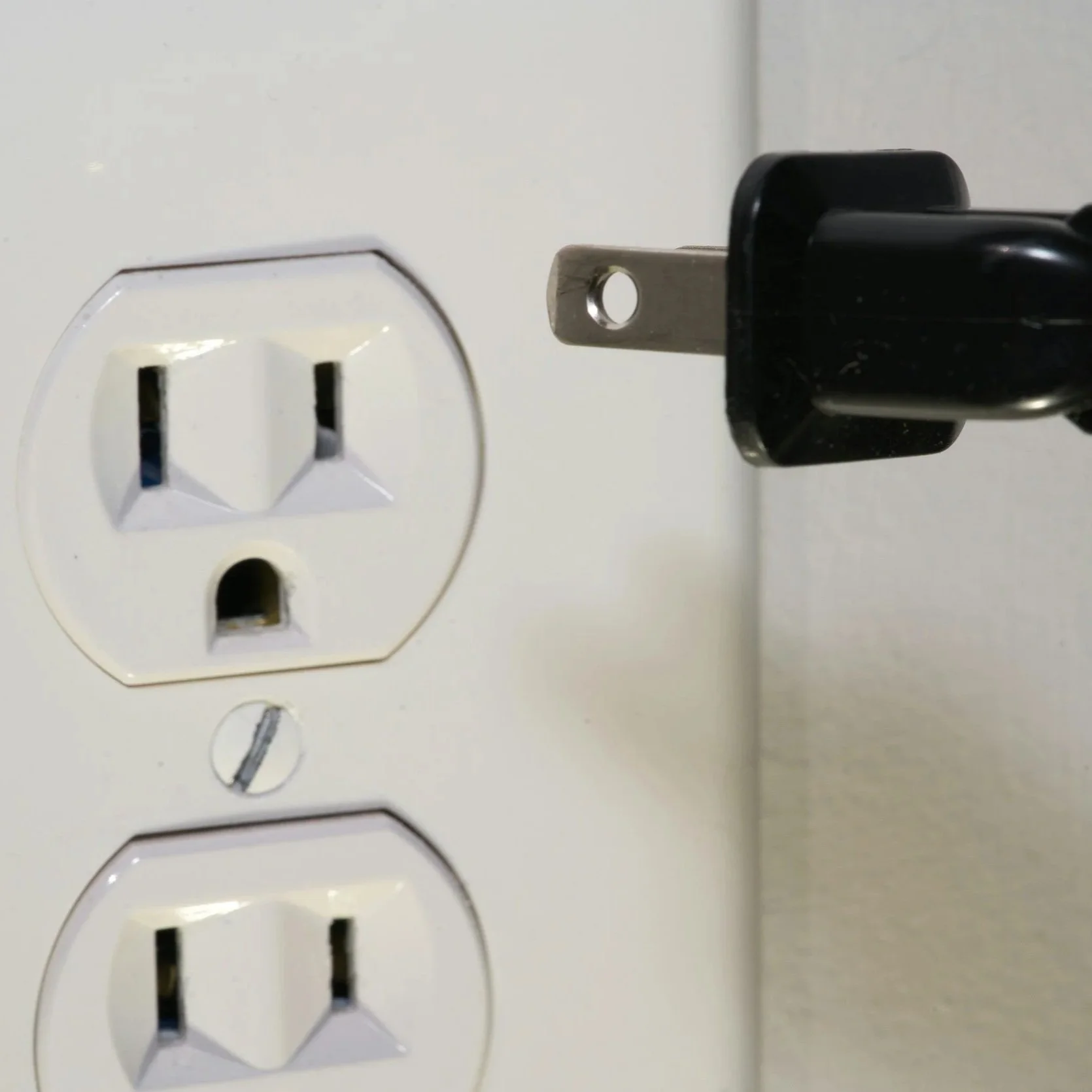
Reverse polarity occurs when hot and neutral wires are swapped, leaving appliances energized even when off and increasing shock risks.
What Reverse Polarity Means Inside A Residential Electrical System
Reverse polarity occurs when the hot and neutral conductors are connected to the wrong terminals at an outlet, switch, or fixture. Electricity still flows, which is why many homeowners never realize a problem exists, but the flow behaves differently than intended. Devices receive power, lights turn on, and appliances appear to function normally, masking the hazard behind everyday operation. The danger lies in where electrical energy remains present when a device is switched off. Components designed to be neutralized stay energized, creating shock and fire risks that feel invisible until something goes wrong.
In Virginia Beach homes, reverse polarity commonly appears in older wiring systems, DIY repairs, and partial electrical updates where older circuits meet newer devices. Homes built decades ago often used wiring methods that look similar at a glance but differ in function. When a homeowner replaces an outlet without understanding terminal orientation, polarity can flip easily. Over time, multiple small mistakes compound, leaving entire rooms wired incorrectly, even though everything appears to work during daily use.
Why Reverse Polarity Creates Shock Hazards
Electrical devices rely on correct polarity to control where live electricity exists inside their housings. When polarity reverses, metal components that should remain safe can carry voltage even when switches are off. Lamp sockets, appliance frames, and exposed screw shells become energized, turning normal contact points into shock sources. Touching a device feels unpredictable, especially when combined with moisture, bare feet, or grounded surfaces.
Virginia Beach homes face added risk due to coastal humidity and frequent barefoot indoor living. Damp skin lowers resistance, allowing current to pass more easily through the body. A homeowner changing a light bulb or unplugging an appliance may assume power is off when it is not. Reverse polarity transforms ordinary tasks into situations where shock becomes more likely without obvious warning signs.
How Reverse Polarity Increases Fire Risk Over Time
Fire risk from reverse polarity develops gradually rather than dramatically. Electrical components experience uneven wear because current flows through internal parts differently than designed. Switch contacts, plugs, and internal wiring heat inconsistently, accelerating insulation breakdown. Over time, heat damage creates resistance points that further concentrate energy and raise temperatures.
In Virginia Beach, environmental conditions speed this process. Salt air contributes to corrosion on terminals already stressed by incorrect current flow. Humidity affects insulation and metal surfaces, allowing small failures to grow faster. Reverse polarity often coexists with loose connections, outdated wiring, or overloaded circuits, creating layered risk rather than a single isolated defect. Fires linked to polarity issues frequently begin inside outlets, fixtures, or device housings where heat builds unnoticed.
Why Appliances Still Work With Reverse Polarity
One of the most misleading aspects of reverse polarity is that appliances usually operate normally. Modern devices often use polarized plugs or internal safeguards that tolerate incorrect wiring for a time. Electricity reaches motors, heating elements, and electronics, allowing appliances to function while internal safety assumptions fail silently. Homeowners interpret normal operation as proof of safety.
In reality, appliances depend on correct polarity to protect users and internal components. Safety switches, fuses, and grounding paths assume the hot conductor remains isolated. Reverse polarity defeats these assumptions. When failures occur, they do so unpredictably. A toaster may work safely for years before suddenly delivering a shock through its casing or overheating at a connection point. The delayed nature of failure makes reverse polarity especially dangerous in lived-in Virginia Beach homes.
Common Causes Of Reverse Polarity In Virginia Beach Homes
Reverse polarity typically results from human error rather than material failure. Outlet replacements performed without testing, swapped conductors during renovations, or older two-wire systems adapted incorrectly all contribute. In some cases, homeowners rely on wire color alone without accounting for faded insulation or nonstandard wiring practices used in older construction.
Virginia Beach neighborhoods include many homes built during periods when electrical codes differed significantly from current standards. Remodels performed over decades introduce layers of wiring styles. A single miswired outlet can pass incorrect polarity downstream, affecting multiple receptacles. Without proper testing, reverse polarity remains hidden until a device fails, someone receives a shock, or an inspection reveals the issue.
How Reverse Polarity Affects Grounding And Safety Devices
Grounding and polarity work together to create a predictable safety framework. Reverse polarity undermines that framework by placing voltage where grounding systems expect neutral conditions. GFCI outlets, surge protectors, and appliance safety features rely on correct polarity to function accurately. When polarity reverses, these devices may fail to trip when they should or behave inconsistently.
In Virginia Beach homes, ground integrity already faces challenges due to soil conditions and moisture. When polarity problems combine with imperfect grounding, protective devices lose effectiveness. A GFCI may still trip under certain conditions but fail under others. Surge protectors may not divert energy correctly. Reverse polarity does not disable safety devices outright, but it reduces reliability in ways that are difficult for homeowners to detect.
Why Reverse Polarity Often Goes Undetected
Reverse polarity produces few obvious symptoms. Lights turn on, outlets deliver power, and breakers remain stable. No burning smells or flickering necessarily appear. Without testing, homeowners have no reason to suspect a problem exists. Even basic outlet testers may go unused after installation or remodeling projects.
In Virginia Beach, many homes change hands without a thorough electrical evaluation. Cosmetic upgrades often precede safety checks. Reverse polarity discovered during home inspections frequently surprises sellers and buyers alike. The lack of visible warning signs allows the condition to persist for years, increasing cumulative risk rather than triggering early correction.
How Electricians Identify Reverse Polarity Safely
Professional electricians use specialized testing equipment to identify polarity issues quickly and accurately. Outlet testers provide initial indicators, while multimeters confirm conductor placement and voltage relationships. Panel inspections trace wiring paths to locate where polarity is reversed. Electricians also inspect upstream connections to determine whether the problem affects a single outlet or an entire circuit.
In Virginia Beach homes, electricians often find reverse polarity tied to past DIY repairs or outdated wiring transitions. Correcting the issue involves more than swapping wires at one outlet. Electricians verify that all downstream devices receive correct polarity and that grounding remains intact. Proper correction restores predictable behavior across the entire circuit rather than addressing symptoms in isolation.
When Reverse Polarity Requires Broader Electrical Updates
Sometimes reverse polarity signals deeper system issues. Older wiring without grounding, deteriorated insulation, or overloaded circuits may complicate simple corrections. In such cases, fixing polarity alone does not resolve underlying safety concerns. Electricians evaluate whether rewiring, panel updates, or protective device upgrades provide better long-term outcomes.
Virginia Beach homeowners often face decisions about incremental fixes versus comprehensive improvements. Reverse polarity serves as a warning sign that parts of the electrical system may no longer align with current safety expectations. Addressing polarity correctly opens the door to broader stability rather than leaving hidden risks in place.
How Reverse Polarity Impacts Light Fixtures And Switches
Light fixtures often reveal the hidden dangers of reverse polarity more clearly than outlets. When wiring reverses at a fixture, the threaded metal shell inside a bulb socket can remain energized even when the switch is off. Homeowners assume flipping the switch removes power, but reverse polarity keeps voltage present where fingers naturally go during bulb changes. That small design mismatch turns routine maintenance into a shock hazard that feels random and confusing.
Virginia Beach homes frequently use ceiling fixtures, exterior lights, and bathroom lighting that are exposed to humidity. Moisture increases conductivity, making even mild contact more dangerous. Reverse polarity at a switch may also cause internal switch components to carry voltage unexpectedly, increasing wear and heat over time. Switches may feel warm, click inconsistently, or fail earlier than expected, all while appearing outwardly normal during everyday use.
The Long-Term Effects Of Reverse Polarity On Wiring
Reverse polarity stresses wiring in subtle but persistent ways. Electrical systems assume current flows in a specific direction through insulation, terminals, and devices. When polarity reverses, those assumptions fail. Heat distribution changes, insulation ages unevenly, and connection points experience stress they were not designed to handle. These effects accumulate slowly rather than producing immediate failure.
In Virginia Beach, environmental exposure accelerates aging. Humidity and salt air already challenge wiring longevity. Reverse polarity compounds those challenges by introducing irregular thermal cycles and corrosion patterns. Over the years, wiring may develop brittle insulation, loosened terminals, or oxidized conductors that raise resistance. Increased resistance leads to higher heat, pushing the system closer to failure without dramatic warning signs.
Reverse Polarity And Two-Prong Outlet Conversions
Many Virginia Beach homes still contain two-prong outlets originally installed without grounding. When homeowners upgrade to three-prong outlets without adding proper grounding, polarity errors often follow. Some conversions rely on bootleg grounds or miswired connections that mask problems temporarily. Reverse polarity becomes more likely when older wiring meets newer devices without professional evaluation.
Two-prong systems lack clear visual cues for hot and neutral orientation, especially when insulation colors fade or differ from modern standards. Incorrect assumptions during outlet replacement create reversed connections that pass casual inspection. These conversions give a false sense of modernization while leaving underlying hazards unresolved. Reverse polarity combined with improper grounding increases shock risk significantly, especially when appliances with metal housings enter the picture.
Why Reverse Polarity Matters During Home Renovations
Renovations often expose hidden wiring issues. Walls open, outlets move, and circuits extend into new spaces. Each change introduces opportunities for polarity mistakes, particularly when work spans multiple decades of electrical standards. Reverse polarity discovered after renovation usually traces back to one overlooked junction box or hurried reconnection.
Virginia Beach renovation projects frequently focus on kitchens, bathrooms, and outdoor spaces, all areas where electrical safety matters most. Appliances, water sources, and human contact converge. Reverse polarity in these spaces raises risk far beyond inconvenience. Renovations that upgrade surfaces without verifying electrical fundamentals leave homeowners with modern appearances hiding outdated or unsafe wiring behaviors.
How Reverse Polarity Affects Modern Electronics
Modern electronics rely on internal power supplies designed with specific assumptions about incoming current. Reverse polarity disrupts those assumptions. While many devices tolerate incorrect polarity temporarily, long-term exposure increases failure rates. Power supplies heat unevenly, protective circuits behave unpredictably, and internal components age faster.
In Virginia Beach homes filled with smart devices, chargers, and entertainment systems, reverse polarity shortens equipment lifespan quietly. Homeowners may replace devices repeatedly without connecting failures to wiring issues. Electronics plugged into reversed outlets experience stress each time they power on, compounding damage over months and years. The cost appears as frequent replacements rather than a single dramatic event.
Why Outlet Testers Matter For Detecting Reverse Polarity
Simple outlet testers provide a first line of detection for polarity issues. These devices use indicator lights to reveal wiring conditions quickly. While not a substitute for professional evaluation, testers alert homeowners to problems that otherwise remain invisible. Reverse polarity often shows up clearly during testing, prompting further investigation.
Virginia Beach homeowners benefit from periodic testing, especially after renovations or outlet replacements. Outlet testers catch mistakes early, before damage accumulates. Using testers across multiple rooms helps identify whether polarity issues are isolated or widespread. Early detection allows correction before shocks, fires, or device failures force attention under less controlled circumstances.
FAQs
Reverse polarity usually shows up during outlet testing or professional inspection rather than during daily use. An outlet tester can indicate polarity problems, but an electrician confirms the issue and determines how widespread it is.
Yes. Devices may operate normally, but internal components and exposed metal parts can remain energized unexpectedly. The risk involves shock and fire rather than immediate device failure.
Simple outlet wiring errors may look easy to correct, but polarity problems often involve upstream connections or grounding issues. Professional evaluation prevents incomplete fixes that leave hidden hazards.
GFCI outlets may still trip in some situations, but reverse polarity reduces their reliability. Correct polarity allows safety devices to function as designed.
Yes. Older wiring systems, DIY repairs, and partial upgrades increase the likelihood of polarity issues, especially in homes built before modern electrical standards became common.