
Why Are Your Outlets Not Working in One Room? Virginia Beach Troubleshooting
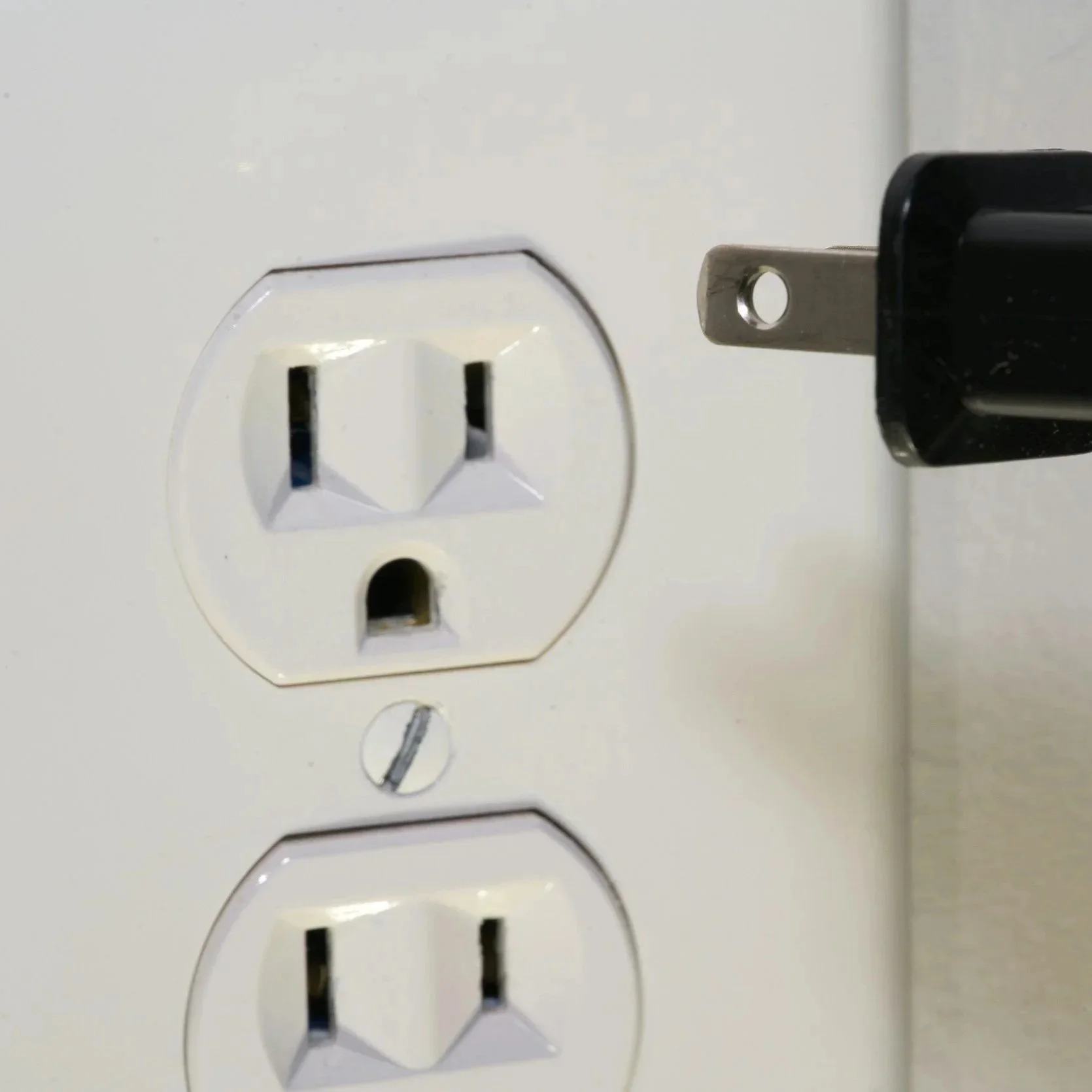
Professional troubleshooting helps identify whether your dead outlets are caused by a tripped GFCI, a faulty breaker, or loose wiring.
Understanding Why a Single Room Loses Power While the Rest of the House Works
When outlets stop working in just one room, the situation often feels confusing because the problem does not follow the pattern people expect from a full power outage. Lights may still work elsewhere, appliances hum along normally, and the breaker panel may not show an obviously tripped breaker. In Virginia Beach homes, this type of issue is common and usually tied to how residential circuits are designed and expanded over time. Most homes do not wire each room as an independent electrical island. Instead, electricians group rooms, outlets, and fixtures onto shared circuits based on load calculations, construction era, and code standards at the time the home was built.
Because of that shared design, a failure point anywhere along the circuit can disable all downstream outlets while leaving upstream devices unaffected. An outlet that appears dead may simply be the last stop on a chain of connections. Age, vibration, humidity, and repeated plug use slowly loosen wiring terminations inside boxes. Over time, one weak connection interrupts the flow of electricity beyond that point. The result is a room that suddenly loses usable outlets without warning, even though the home still feels fully powered in every other area.
How Tripped GFCI Devices Affect Entire Rooms
Ground fault circuit interrupter outlets play a major role in one-room outlet failures, especially in Virginia Beach homes, where moisture exposure is common. GFCIs are often installed in bathrooms, kitchens, garages, laundry rooms, and outdoor locations. What many homeowners do not realize is that a single GFCI can protect multiple downstream outlets, sometimes spanning an entire room or even multiple rooms. When a GFCI trips, every outlet wired after it on the circuit loses power, regardless of whether those outlets are near water.
In practice, this means a GFCI in a bathroom or garage may silently disable outlets in a bedroom, hallway, or living space. Homeowners frequently overlook these devices because the affected outlets do not look like GFCIs. Pressing the reset button restores power instantly if the GFCI tripped correctly. However, repeated tripping signals a deeper issue, such as moisture intrusion, deteriorated wiring insulation, or appliance faults. In coastal environments like Virginia Beach, salt air and humidity accelerate internal corrosion, increasing the likelihood of nuisance trips and eventual device failure.
Why Breakers Sometimes Appear Fine Even When Power Is Lost
Circuit breakers do not always trip visibly when a fault occurs. Some breakers trip internally but remain in a position that looks normal to the eye. Others may trip due to heat buildup rather than a sudden overload, especially on older panels or circuits serving multiple outlets with modern electrical demands. In Virginia Beach homes built decades ago, circuits were never designed for today’s electronics, space heaters, and charging devices.
A breaker that has weakened over time may fail to deliver consistent power without fully shutting off. That condition causes partial outages where voltage drops below usable levels. Outlets may appear dead even though a tester shows faint or inconsistent readings. Resetting the breaker fully, by switching it off and then back on, sometimes restores operation temporarily. Persistent issues indicate breaker degradation, overloaded circuits, or wiring faults that require professional evaluation rather than repeated resets.
Loose Connections Inside Outlets and Switch Boxes
One of the most common causes of a single-room outlet failure involves loose wiring connections inside electrical boxes. Many older installations rely on push-in connections at the back of outlets rather than side screw terminals. While faster to install, push-in connections loosen over time due to thermal expansion and contraction. Each time an appliance draws current, the wiring heats slightly, then cools when the load stops. That repeated cycle gradually weakens contact pressure.
When a connection loosens enough, electricity can no longer pass reliably through the outlet to downstream devices. The outlet itself may still test live, but anything wired after it loses power. In other cases, the outlet becomes completely dead while earlier outlets on the circuit still work. These failures rarely announce themselves dramatically. Instead, power disappears quietly, leaving homeowners puzzled. Left unaddressed, loose connections generate heat and increase fire risk, especially in walls with insulation that traps warmth.
How Shared Circuits Create Confusing Power Loss Patterns
Electrical circuits often serve multiple rooms, especially in homes where renovations or additions occurred over time. A bedroom may share a circuit with a hallway, closet, or adjacent living space. When an outlet stops working in one room, the fault may originate in a different area entirely. Homeowners focusing only on the affected room may miss the true failure point.
In Virginia Beach, where many homes have undergone incremental upgrades, electricians frequently encounter mixed wiring methods, junction boxes hidden behind drywall, and circuits extended beyond their original design. A loose splice or failing outlet in a different room can interrupt power flow to the room experiencing the outage. Troubleshooting requires tracing the circuit path rather than isolating the symptom location alone.
Environmental Factors That Accelerate Outlet Failures in Coastal Homes
Coastal conditions significantly influence electrical reliability. Humidity, salt air, and temperature swings affect metal components inside outlets and wiring terminations. Corrosion forms more quickly on copper and steel parts, increasing resistance and reducing contact quality. Over time, corrosion weakens connections enough to cause intermittent or complete power loss.
Moisture intrusion also plays a role. Outlets installed on exterior walls experience greater exposure to damp air, especially during storms. Even without visible water damage, elevated moisture levels degrade insulation and connectors inside boxes. In Virginia Beach homes, these environmental stresses shorten the lifespan of outlets compared to inland properties, making localized outages more common as systems age.
Why DIY Repairs Sometimes Make the Problem Worse
Homeowners often attempt quick fixes when outlets stop working. Swapping an outlet, tightening screws, or adding tape may restore power briefly, but improper techniques introduce new risks. Incorrect wire placement, reversed polarity, or loose ground connections create unstable conditions that fail again later. Without testing equipment and circuit knowledge, DIY work may mask deeper problems rather than resolving them.
Improper repairs also complicate future diagnostics. Electricians encountering modified wiring must first identify and correct past mistakes before addressing the original fault. In humid environments, even minor installation errors degrade faster, turning small issues into recurring outages. Professional troubleshooting focuses on restoring circuit integrity rather than applying temporary solutions.
The Role of Aging Wiring in Room-Specific Power Loss
Older Virginia Beach homes may still contain wiring methods no longer considered ideal for modern electrical demands. Aluminum wiring, cloth-insulated conductors, and outdated junction techniques all contribute to localized failures. These materials deteriorate over time, especially under thermal and environmental stress.
As wiring ages, insulation becomes brittle, and connections loosen. A single weak point interrupts downstream power delivery. Because aging wiring often fails gradually, homeowners may experience flickering outlets, intermittent operation, or outlets that stop working entirely without an obvious cause. Addressing these issues early prevents broader system failures and improves overall electrical safety.
What Electricians Evaluate During Professional Troubleshooting
Professional troubleshooting begins with identifying circuit boundaries and testing voltage consistency. Electricians inspect outlets, switches, junctions, and breakers to locate resistance points, corrosion, or thermal damage. In Virginia Beach homes, extra attention is given to moisture-prone areas and exterior walls.
Testing extends beyond visible components. Electricians verify grounding continuity, load balance, and breaker performance. By examining the circuit as a complete system, professionals locate the root cause rather than replacing components at random. That approach restores reliable power while reducing the risk of future outages or safety hazards.
How Outlet Backstabbing Causes Downstream Power Failures
Backstabbed outlets deserve special attention because they account for a large percentage of single-room outlet failures in older homes. Backstabbing refers to inserting wires into spring-loaded holes on the back of an outlet instead of wrapping them around screw terminals. While code-compliant at the time of installation, these connections rely on internal tension rather than mechanical fastening. Over years of use, that tension weakens. Appliances drawing current repeatedly heat the connection, then allow it to cool, slowly relaxing the grip on the conductor.
Once a backstabbed connection loosens enough, electricity no longer flows consistently through the outlet. Because many outlets are wired in series, power may still reach the failing outlet, but never continue past it. That leaves every downstream outlet in the room without power. The failure often feels random because the outlet itself may look fine from the outside. In reality, the problem sits quietly inside the box, worsening with each use until the circuit opens completely.
Why Half-Hot Outlets and Switched Receptacles Add Confusion
Some rooms contain half-hot outlets, where one receptacle is controlled by a wall switch and the other remains constantly powered. Over time, these configurations confuse troubleshooting efforts when outlets stop working. A broken tab, loose switch connection, or failed splice inside the switch box can disable power to part or all of the room’s outlets without affecting lights or other circuits.
In Virginia Beach homes, half-hot outlets were common in older construction before overhead lighting became standard. When switches or outlets in these setups fail, homeowners may assume the outlet itself is defective when the issue actually resides at the switch. Loose neutrals, worn switch contacts, or corroded terminals interrupt power delivery to multiple receptacles at once. Because the wiring logic is hidden, diagnosing these failures requires opening both outlet and switch boxes and testing connections systematically.
How Neutral Wire Failures Shut Down Entire Rooms
Neutral wire issues often go unnoticed until multiple outlets stop working at once. Unlike hot wires, neutral failures do not always trigger breakers or GFCIs. Instead, they silently interrupt the return path for electricity. When a neutral loosens or breaks at any point in the circuit, power cannot complete the circuit beyond that location.
In a room with several outlets wired together, a single loose neutral splice disables everything downstream. Lights may still function if they are on a different branch of the circuit, creating the illusion that power remains available. Neutral failures are especially dangerous because they can cause voltage fluctuations elsewhere on the circuit, stressing appliances and electronics. In coastal Virginia Beach environments, corrosion accelerates neutral degradation, making these failures more common over time.
Why Burned or Overheated Outlets Stop Working
Outlets subjected to high loads or poor connections often overheat internally. Space heaters, window air conditioners, and high-wattage appliances draw sustained current that exposes weak points in wiring. Over time, heat damages outlet contacts and insulation, increasing resistance until the outlet fails entirely.
Burned outlets may show discoloration, brittle plastic, or a faint odor, but sometimes damage remains hidden inside the box. Once internal components degrade, power flow stops or becomes intermittent. Downstream outlets wired past the damaged receptacle also lose power. In Virginia Beach homes, where humidity prevents heat from dissipating efficiently, thermal damage progresses faster and often goes unnoticed until outlets stop working.
The Impact of Junction Box Failures Behind Walls
Not all electrical connections are accessible at outlets or switches. Junction boxes hidden behind walls or ceilings connect branch circuits and extensions added during renovations. A loose splice or corroded wire nut inside one of these boxes can interrupt power to an entire room.
Because junction boxes are often concealed, homeowners rarely suspect them. Power loss appears localized to one room, but the failure point may sit several feet away. In homes with multiple remodeling phases, electricians frequently discover junction boxes buried behind drywall or insulation. Environmental exposure and aging materials cause these connections to loosen over time, leading to sudden outlet failures that seem to have no obvious source.
FAQs
Most room-specific outages occur because outlets share a circuit, and a single failed connection upstream interrupts power to all downstream receptacles.
Yes, circuits often serve multiple rooms, and a failure in one location can disable outlets elsewhere on the same circuit.
High-load appliances expose weak connections, causing overheating or loosening that interrupts power flow.
Basic replacement may restore power temporarily, but improper repairs can worsen underlying issues and create safety risks.
Older wiring methods and coastal environmental stress make room-specific outlet failures more common in aging homes.
Get reliable and lasting EV charging station installation, interior lighting installation, exterior lighting installation, recessed lighting installation, security lighting installation, and outlet & switch installation & repairs with Castles Electrical in the Virginia Beach area. We ensure prompt response time during emergencies and complete projects on time and within budget. Call today to learn more about our services.