02 — Process
How a Practice Generator Gets Built, Storage Room First
Storage walk-through
Every refrigerator, freezer, and logger found, along with the outlet and breaker that feed it.
Critical-load calculation
Storage units first, then the lighting and equipment your plan names, with single-phase or three-phase service confirmed.
Fuel and placement
Gas line capacity or propane sizing checked against the 72-hour target with our partner plumbing company, and a pad location chosen with service clearance.
Permit filed, then the pad
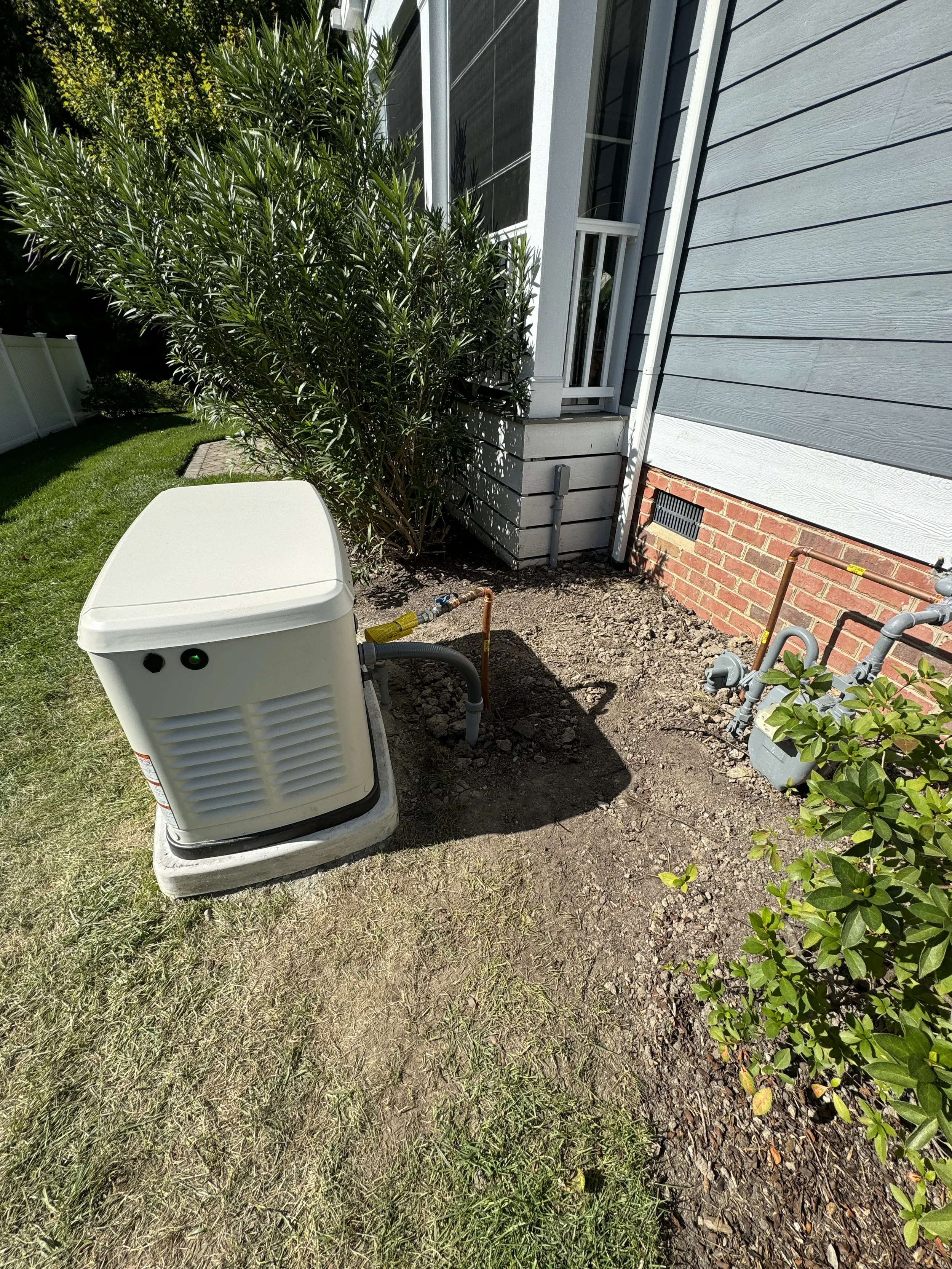
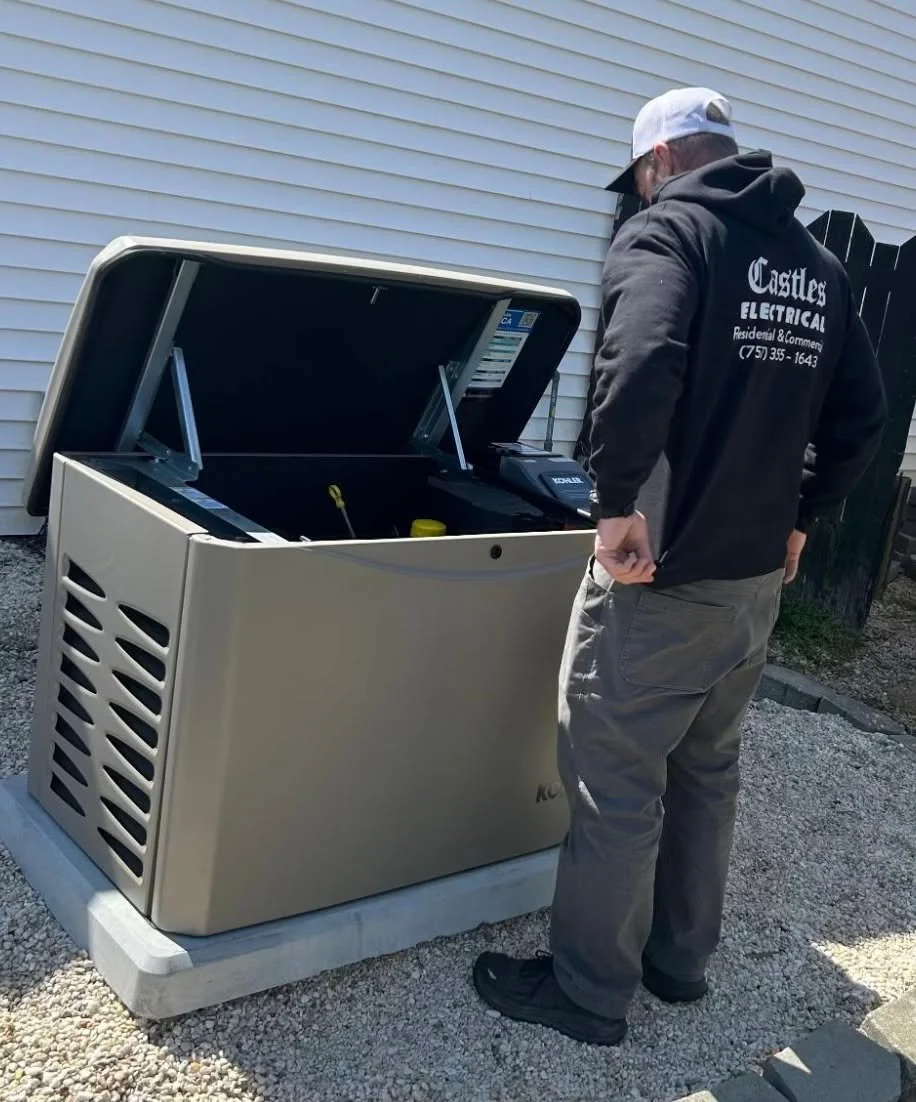
Generac unit set on its pad, automatic transfer switch and critical-load circuits wired, then the city inspection, requested on a day that suits your patient schedule, with the time set by the city.
Commissioning
A simulated outage transfer test, with the storage circuits the generator carries identified for your plan.

03 — Refrigeration Rules
Temperature and Record Rules for Pharmacy and Vaccine Refrigeration
The toolkit sets the ranges storage units hold at all times: refrigerators between 2 and 8 degrees Celsius (36 to 46 degrees Fahrenheit), and freezers between minus 50 and minus 15 degrees Celsius (minus 58 to plus 5 degrees Fahrenheit).
Virginia’s pharmacy regulation, 18VAC110-20-150, adds a record. A pharmacy that stocks cold-storage drugs needs a monitoring thermometer in the prescription department, daily temperature entries, and two years of those records, on paper or electronically.
For an electrician, that makes the thermometer or data logger part of the load, since a logger that loses power leaves a gap in the daily record.
04 — Outlets and Circuits
Outlets, Breakers, and Power Strips at the Storage Unit
The toolkit’s power supply guidance says to plug in only one storage unit per outlet, to avoid a fire hazard and an overload that could shut the power off. It calls for a safety-lock plug or an outlet cover and signs so no one unplugs a unit. It also asks providers to label fuses and circuit breakers, with signs such as DO NOT STOP POWER, so no one turns off power to a storage unit.
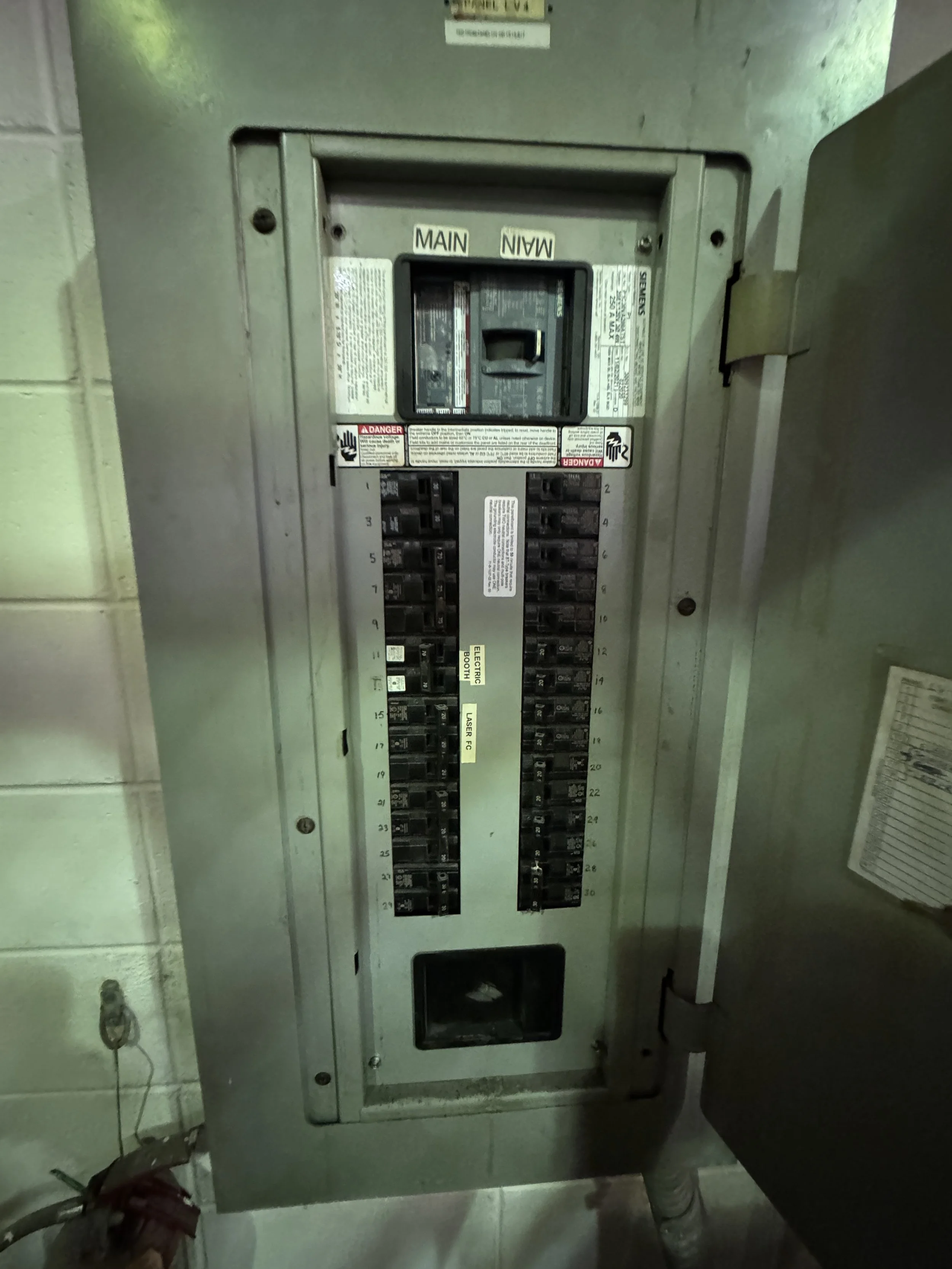
The same guidance names things to avoid: built-in circuit switches that may have reset buttons, outlets a wall switch can turn off, and multi-outlet power strips. A backup generator only helps a refrigerator whose outlet is fed from the transferred side of the system. The after-hours outage procedures also include a map showing where the circuit breakers are, which is why the panel and storage room lighting show up in the load list below.
Restart behavior after transfer
Some practices put a UPS or surge device between a storage unit and the wall. The guidance asks you to check its current rating and whether it restarts on its own when power returns, then write that into the emergency plan. Point those devices out at the site assessment so the load calculation accounts for them.
05 — Why Castles
What Your Vaccine Coordinator Gets
Storage Units Counted First
Refrigerators, freezers, and loggers placed at the top of the critical-load calculation.
Details for Your Written Plan
Transfer test and fuel details your coordinator can record.
06 — Standby Classification
How the Electrical Code Classifies a Small Office Generator
Optional standby systems fall under Article 702 of the 2020 National Electrical Code, the edition Virginia’s 2021 building code adopts. That article covers systems that supply backup power to public or private facilities or property where life safety does not depend on the system working, which generally fits a generator a Portsmouth dental office or pharmacy adds for cold storage and business continuity.
Hospital-style essential electrical systems are designed differently. Where a facility needs one, that is engineered work, and it is not what we install.
Equipment listing is part of the inspection picture. Generac spec sheets for its liquid-cooled standby generators list them as UL 2200 listed, the safety standard for stationary engine generator assemblies, and we install units according to the manufacturer’s instructions and the permit.
07 — Fuel
Planning Fuel Around the 72-Hour Line
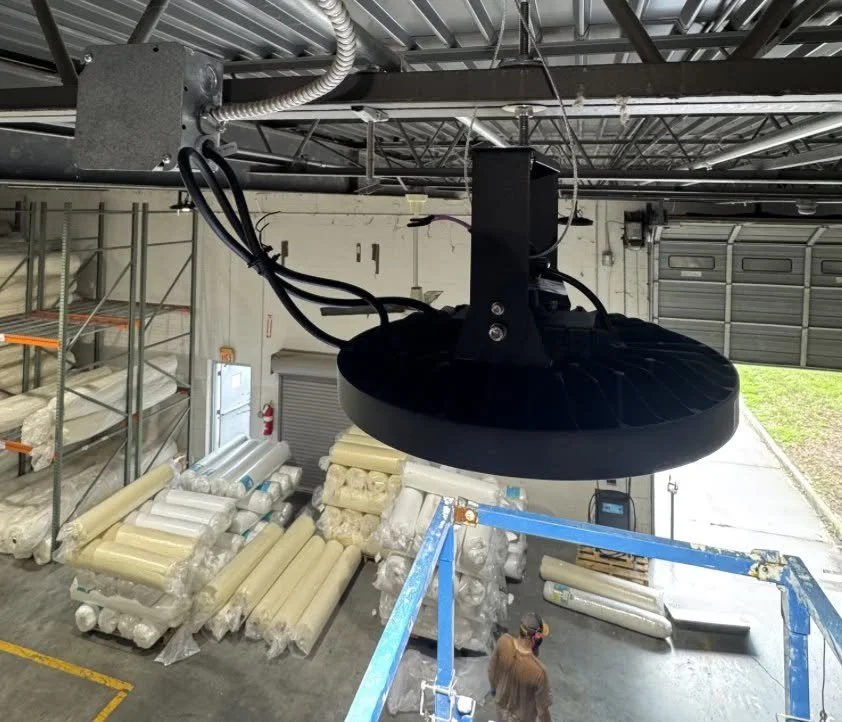
The CDC’s 72-hour fuel line is a planning target, and how a site meets it depends on the fuel. Fuel for the Generac standby units is either a utility gas line or a propane tank on the property, and which one a Portsmouth building has changes both the sizing and the plumbing visit.
A building on a utility gas line is fed continuously, so the question becomes whether the meter and piping can carry the generator at full load along with the building’s existing gas equipment.
A propane site must store its supply, so the tank is sized with the storage plan’s runtime in mind. Ask us to note the fuel source and supply the system was planned around in your written estimate, so your coordinator can cite them in the plan.
Either way, the piping and the connection at the unit are plumbing work. Castles wires the generator and the transfer switch; a partner plumbing company makes the fuel connection; and we coordinate the two visits so the inspection is not held up.
08 — Proof
Friendly Staff, an Itemized Estimate
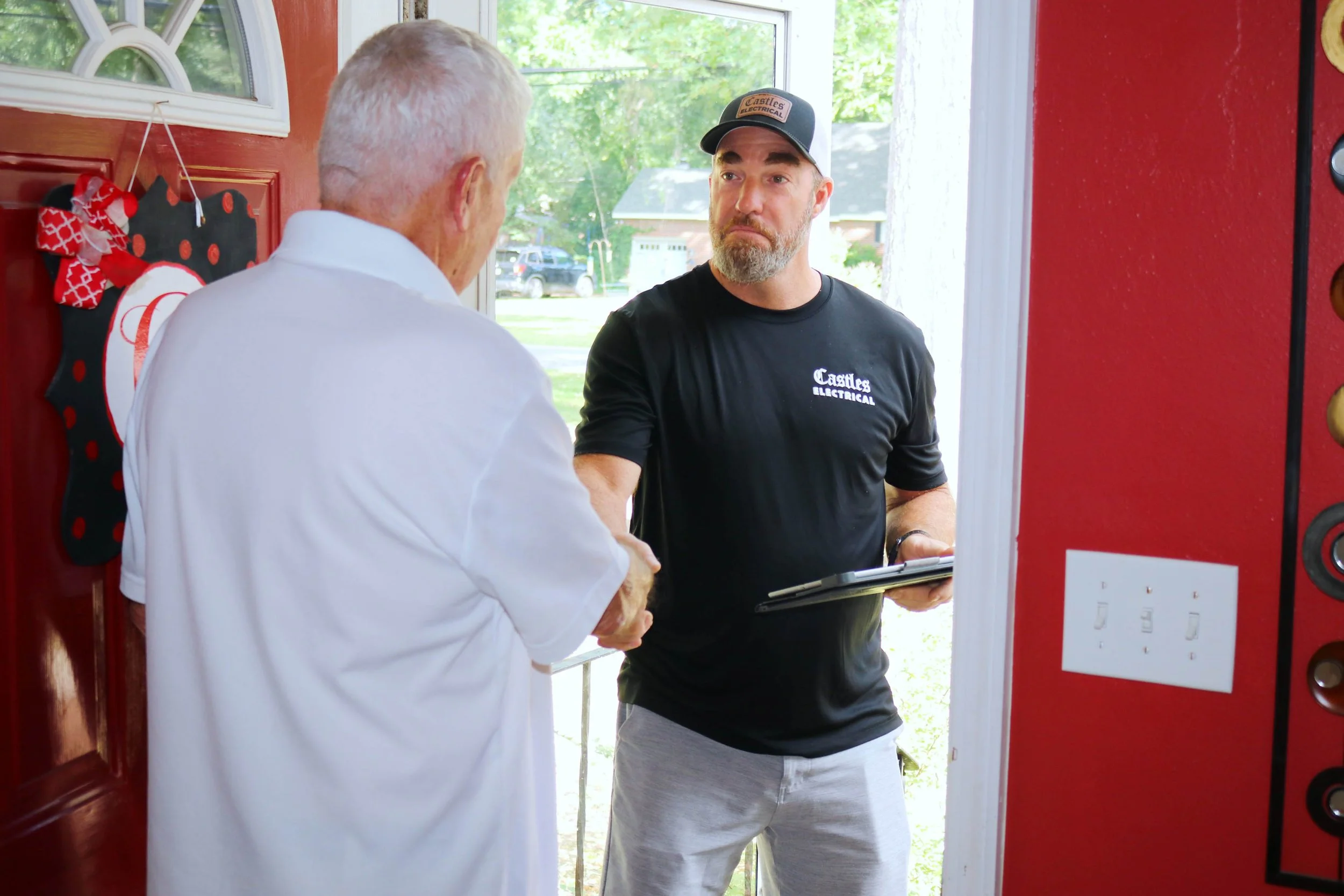
One review mentions an itemized estimate, and a whole-house generator review singles out friendly, professional staff.
From our five-star Google reviews
Google 5.0 Rated by Hampton Roads Customers
Castles Electrical maintains a 5.0 rating on Google. The reviews below load as a live widget, so this page shows current feedback from real Castles Electrical customers.
09 — FAQS