02 — Article 394
Extend the Old Circuit or Replace It? What Article 394 Allows
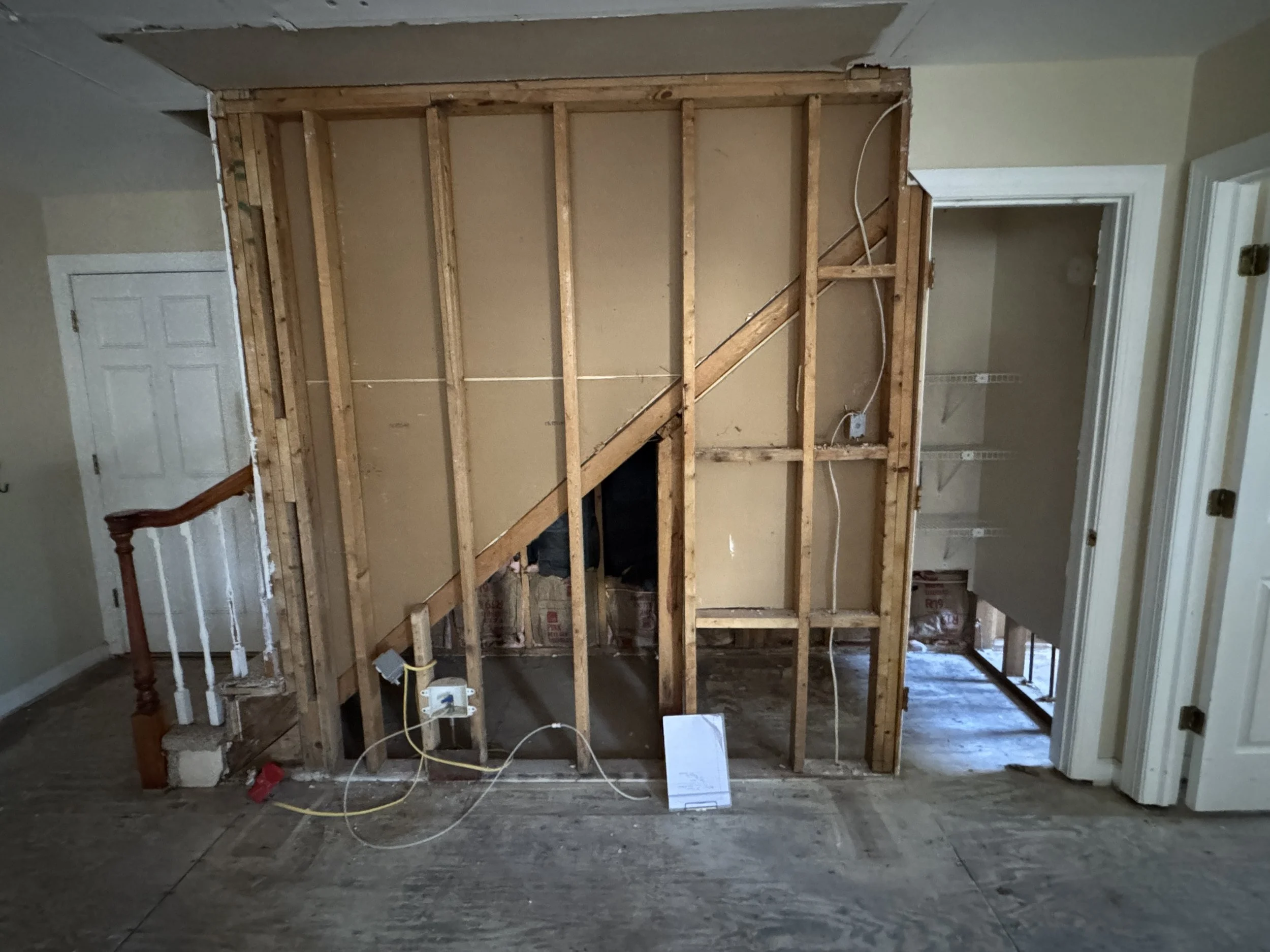
Can a new outlet simply be connected to an existing knob-and-tube circuit? The National Electrical Code allows that in a limited way. According to EC Magazine, the 1996 edition added language permitting concealed knob-and-tube in hollow walls, ceilings, and unfinished attics for extensions of existing installations, or elsewhere by special permission. The article gives connecting with NM cable as an example of an extension.
That 1996 language sat in Section 324.3, and by the 2002 edition the same limit appeared in Article 394. Today it appears in Section 394.10 of the code, which lists the uses permitted for concealed knob-and-tube, and extending an existing installation is still among them. The wording is narrow: those extensions, or other uses by special permission, and nothing more.
Outside those two cases, the section does not permit concealed knob-and-tube in hollow walls, ceilings, or unfinished attics. An extension still has to meet the rest of the code, including the rule against knob-and-tube in insulated hollow spaces, and the building official has the final say on a given house.
Keep in mind that an extension adds load and new splices to the wire, which may be a century old. So when a Portsmouth owner asks for another outlet or light in a knob-and-tube room, we test the circuit and explain what the code allows, and our recommendation is to replace that circuit back to the panel with grounded copper.
03 — Behind the Plaster
What Sits Between You and the Old Wire
The National Park Service covers historic plaster in Preservation Brief 21, Repairing Historic Flat Plaster: Walls and Ceilings. It explains that lath exists to hold plaster in place. With wood lath, narrow strips are nailed up with gaps between them, and the plasterer pushes wet plaster through the gaps. The plaster slumps down on the back side and hardens into keys, and those keys are what hold the plaster to the lath.
Three kinds of lath
The brief names three lath types found in historic buildings. Wood lath came first. Metal lath began appearing in parts of the country toward the end of the 19th century. Rock lath, a gypsum board made as a plaster base, was in use as early as 1900, and by the late 1930s it was used almost exclusively in residential plastering.
Which one a given Port Norfolk house has is something to confirm in that house, since its build date alone leaves the question open. The plaster itself also changed during those same years. Lime plaster was standard until the end of the 19th century, gypsum came into use around 1900, and the two were often combined in the early 20th century, which is right where Port Norfolk’s building years fall.
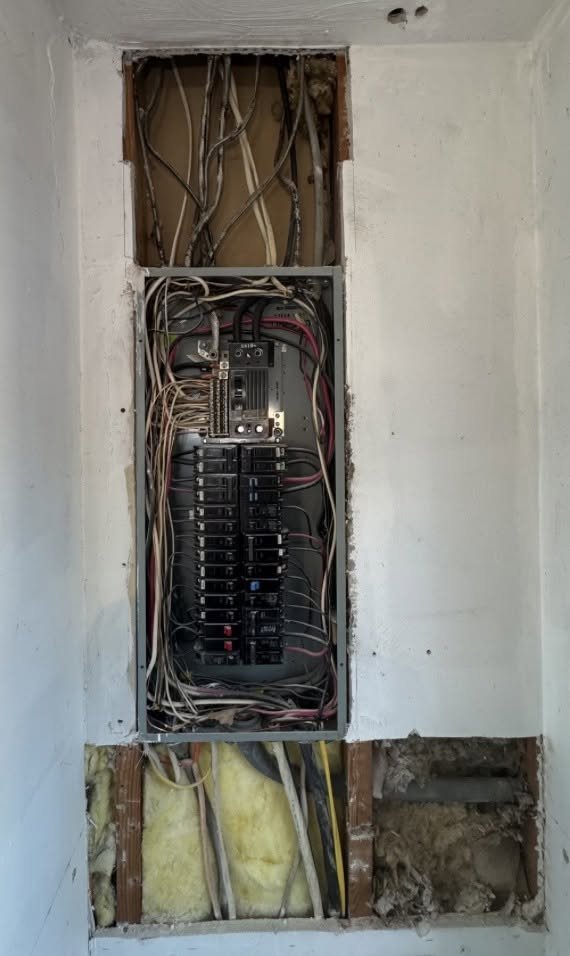
Knob-and-tube runs in the cavities behind that plaster, so every opening for new cable passes through it, and the keys around each opening are what hold the neighboring plaster.
Why the Park Service says keep it
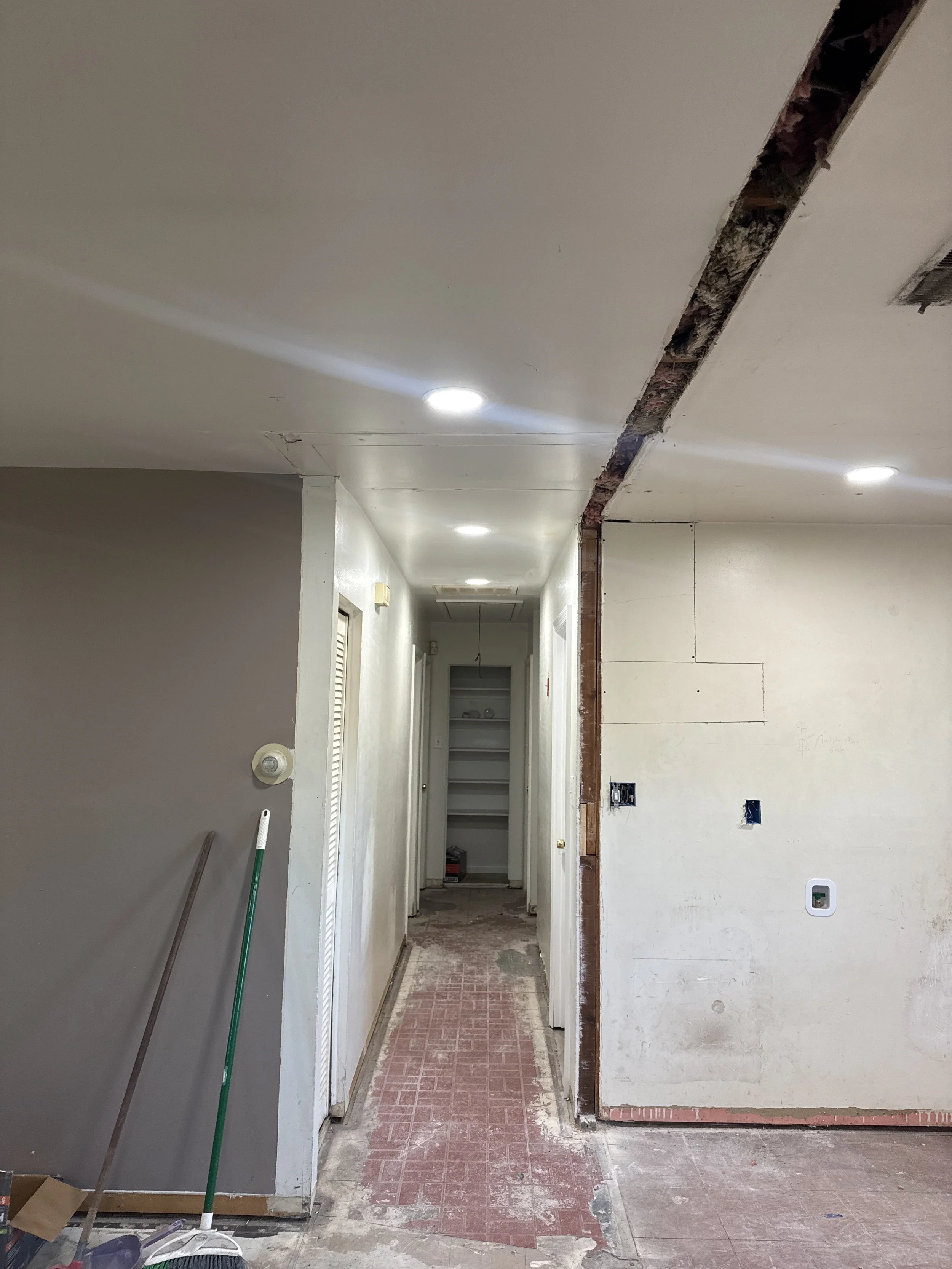
Brief 21 acknowledges that historic plaster may first appear so troubled that removing it seems the only alternative, then gives practical and historical reasons for saving it. It says plaster walls and ceilings contribute to the historic character of an interior and should be left in place and repaired if at all possible. With that in mind, we plan cable routes to limit openings in the walls.
04 — Patching
Leaving Openings Ready for Your Plasterer
Castles Electrical handles the electrical work, and a plasterer handles the subsequent repair.
The brief recommends allowing new plaster to cure for two to three weeks before painting, using an alkaline-resistant primer. Your plasterer sets the actual schedule.
Ceilings under the attic runs
Knob-and-tube often crosses attic joists directly above plaster ceilings, so the attic is where much of the replacement happens. We point out any loose or sagging ceilings we see along a planned attic route, so you can have them looked at before anyone works above them. Brief 21 also notes that heavy loads in a storage area above a rock-lath ceiling can cause cracks in the ceiling below.
05 — Process
Replacing Knob-and-Tube in a Portsmouth House, Step by Step
Trace the old system
Which runs are in service, which were abandoned, and where later owners spliced in or modified the original wiring.
Plan the routes
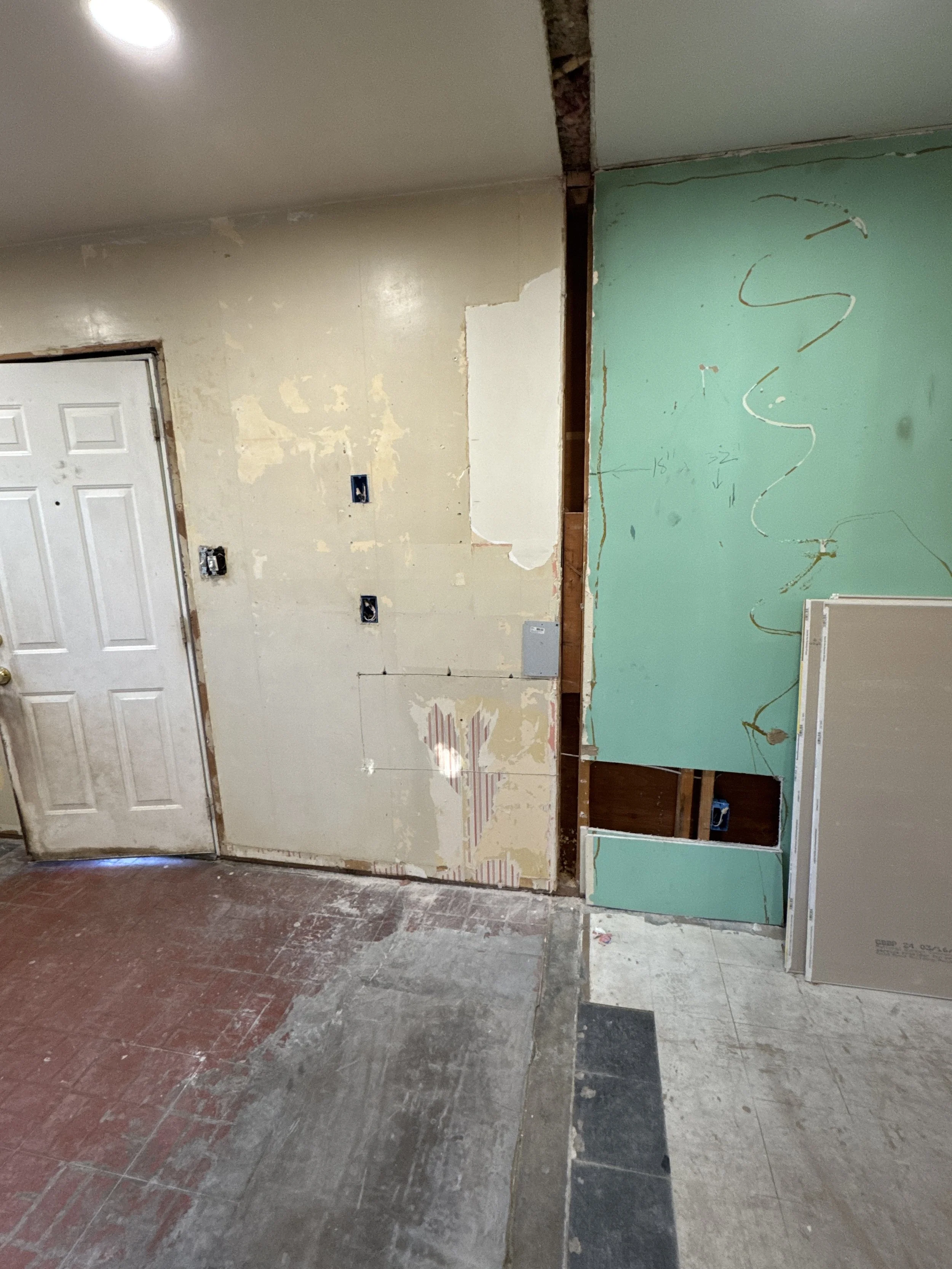
Cable routes are laid out to limit openings in the plaster.
Set the scope
Replace circuit by circuit or the whole house. You get a free written installation estimate, valid for 30 days.
Permit and rewire
New grounded copper circuits go in with grounded outlets, switches, and fixtures, and old runs are disconnected and retired.
Inspected, then the plasterer
The city inspects the work, you receive the inspection record, and plaster repair follows once the covered wiring has passed.
06 — FAQS
Portsmouth Knob-and-Tube FAQs
07 — Why Castles
Planned Around the Plaster
Routes Planned for Plaster
Cable routes laid out to limit openings in old walls.
Circuit-by-Circuit Scope
One circuit at a time or the whole house, based on test results.
Abandoned Runs Found
Old runs traced so abandoned wire is identified and taken out of service.
Grounded Devices
New grounded outlets, switches, and fixtures on the replaced circuits.
08 — Proof
An Accommodating Owner
One customer’s review calls the owner very accommodating and the service outstanding.
From our five-star Google reviews
Google 5.0 Rated by Hampton Roads Customers
Castles Electrical maintains a 5.0 rating on Google. The reviews below load as a live widget, so this page shows current feedback from real Castles Electrical customers.