01 — What We Find
What We Find Inside a Century-Old Portsmouth House
An old house rarely has one wiring system. It has several, stacked on top of each other by different owners in different decades.
The original circuits
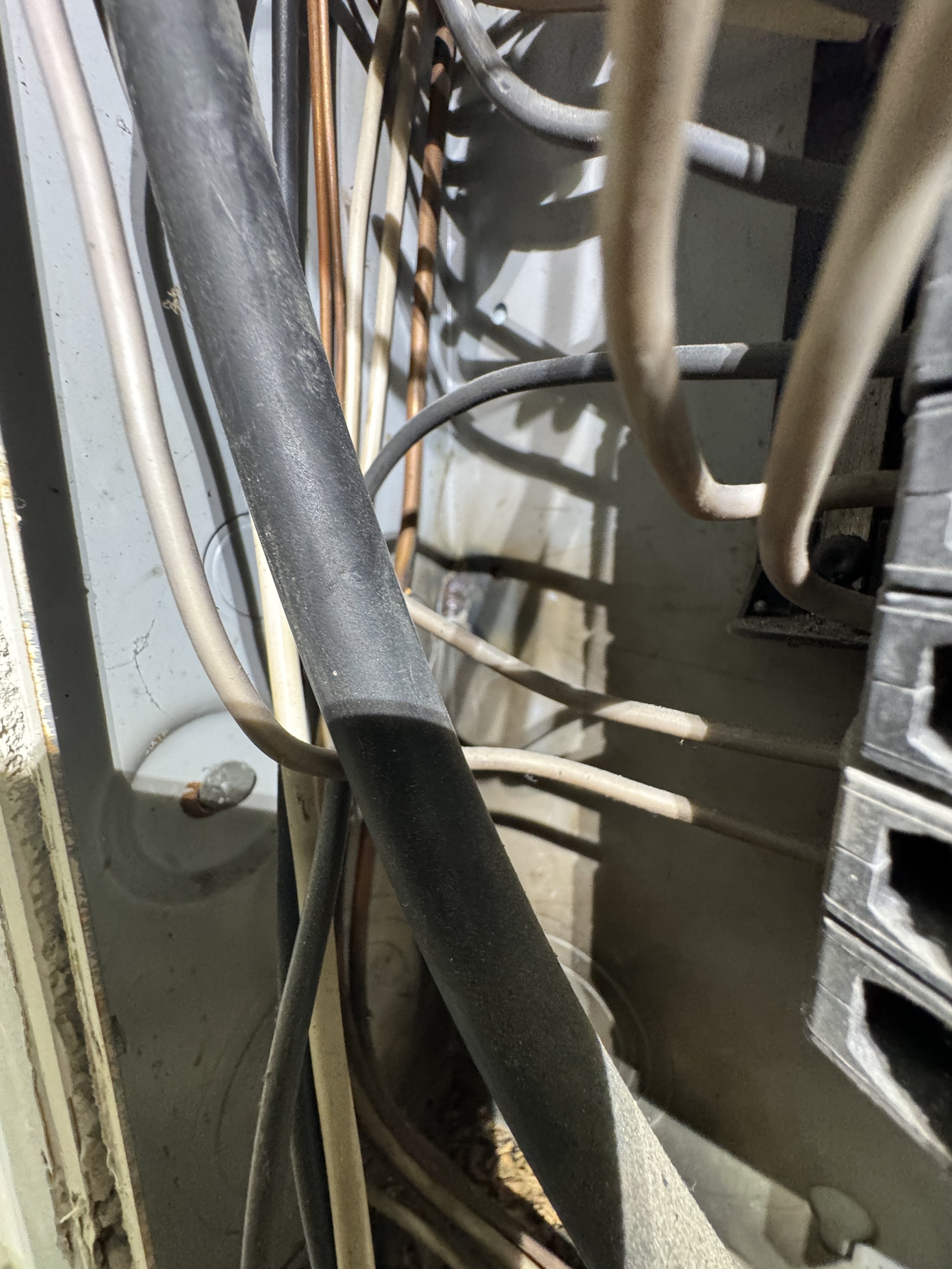
Homes of the 1910s were wired with knob-and-tube: separate hot and neutral conductors on ceramic knobs, no ground wire, and rubber-and-cloth insulation that turns brittle. Where those circuits are still live, they tend to feed ceiling lights and a handful of original outlets, and swapping the outlet does not replace the wire behind it.
The mid-century additions
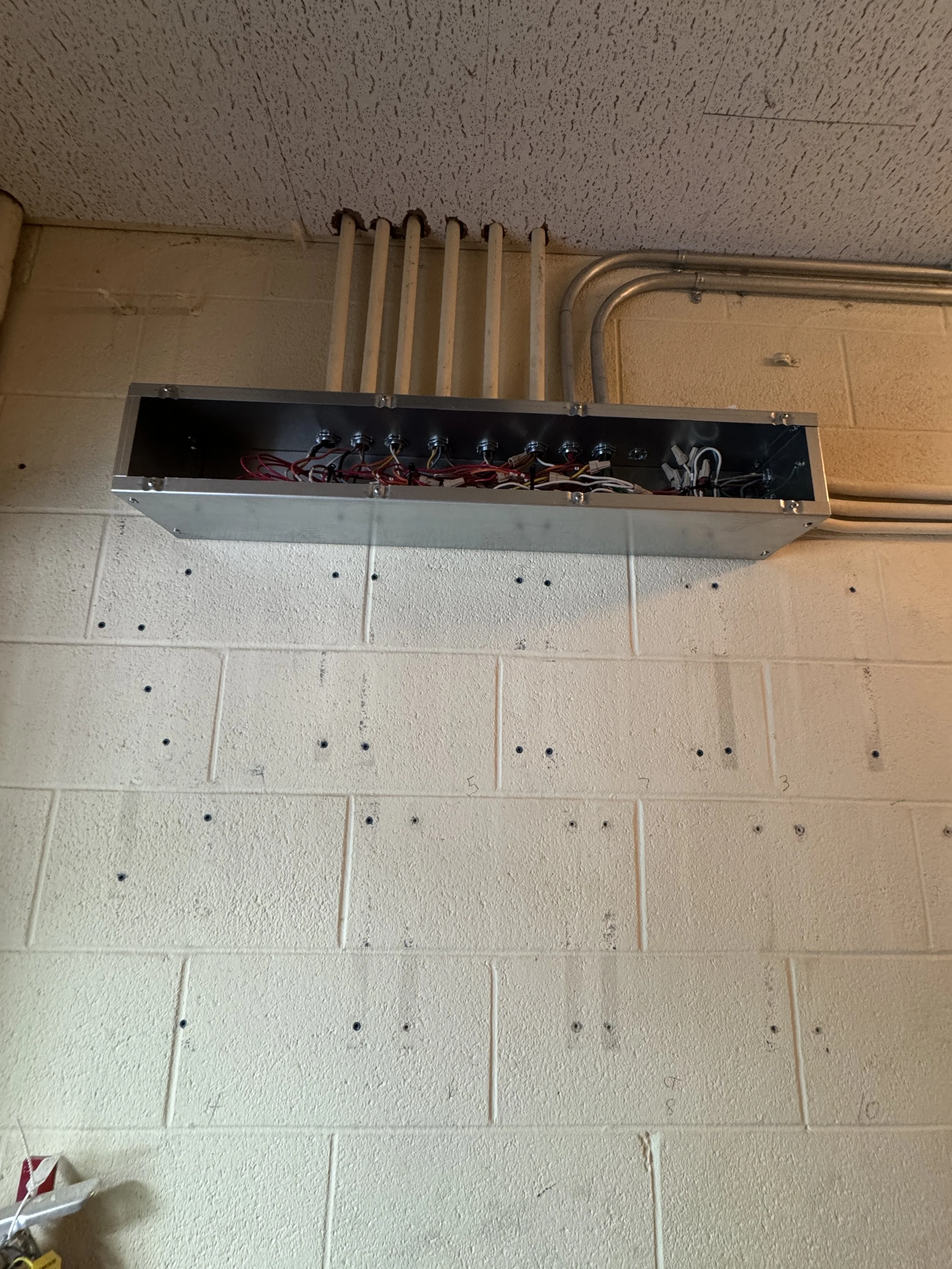
Later owners added circuits for the kitchen, laundry room, and window air conditioners. Those runs are early cable, with a ground conductor too small to count on or none at all. In plenty of houses, they are spliced into the original wiring up in a ceiling or attic, with no junction box around the splice.
The recent patches
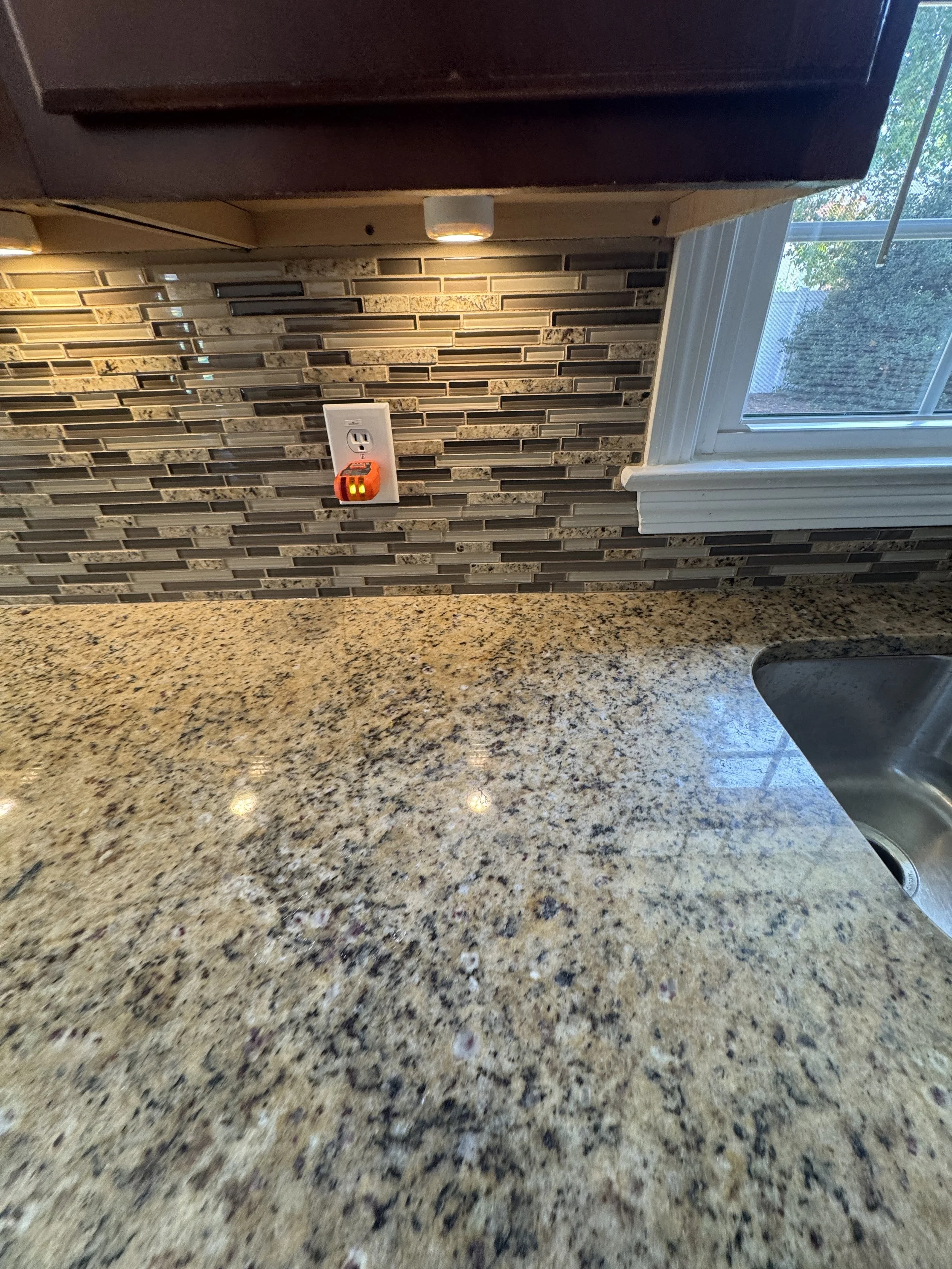
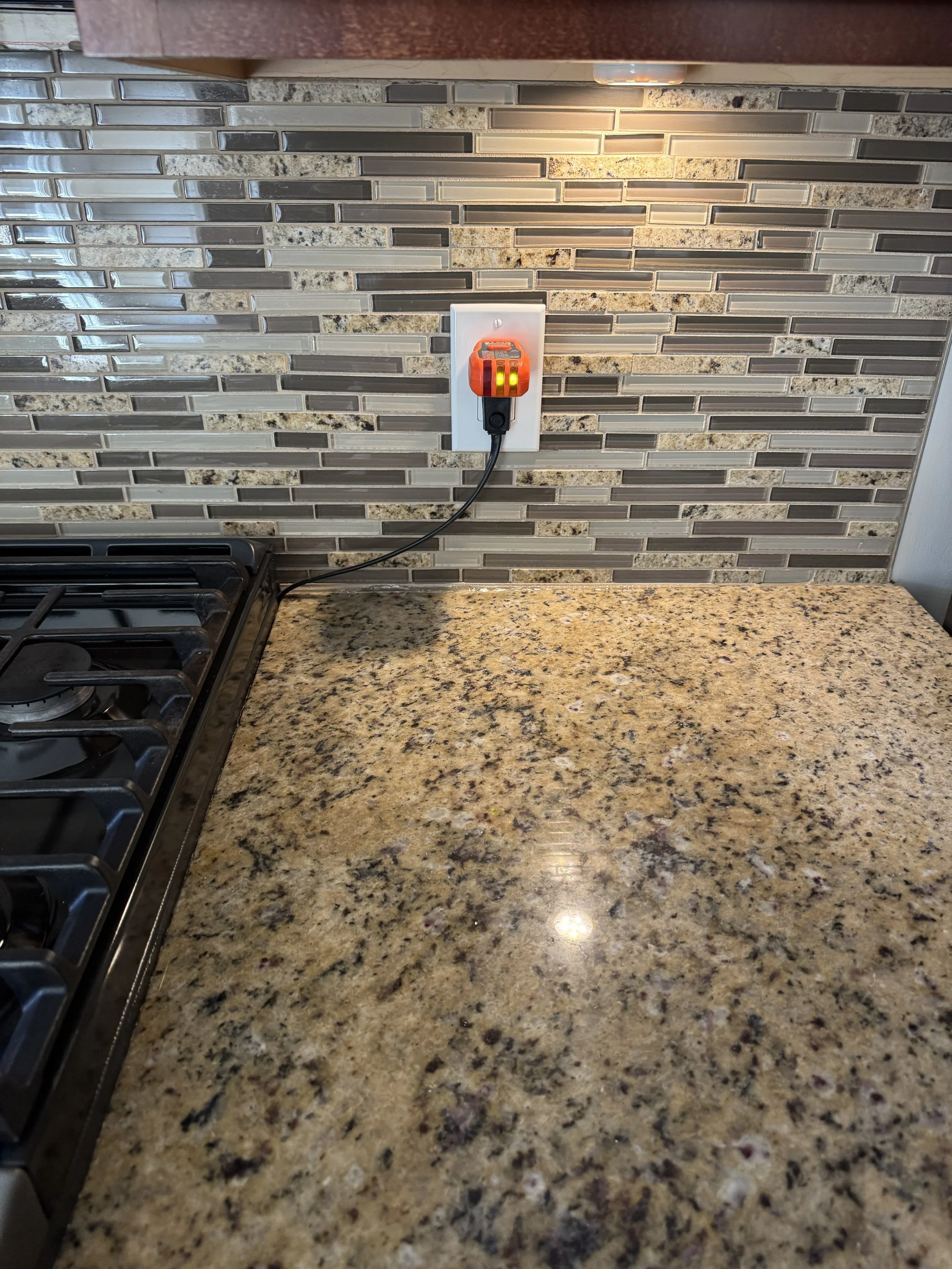
Newer cable shows up wherever a room was remodeled, and it can make a house look more up-to-date than it is. A three-prong outlet on an old two-wire circuit can have no ground behind it at all, and a jumper wire hidden behind the plate, sometimes called a bootleg ground, can fool a plug-in tester into showing a ground.
Work nobody pulled a permit for
Over the course of a century, some electrical work gets done without a permit or an inspection: a ceiling fan hung on a light box, a basement circuit run from the nearest outlet, an outdoor receptacle tapped off a bedroom. It shows up in no record, so testing is the only way to find it before the new wiring is planned around it.
The service that feeds it all
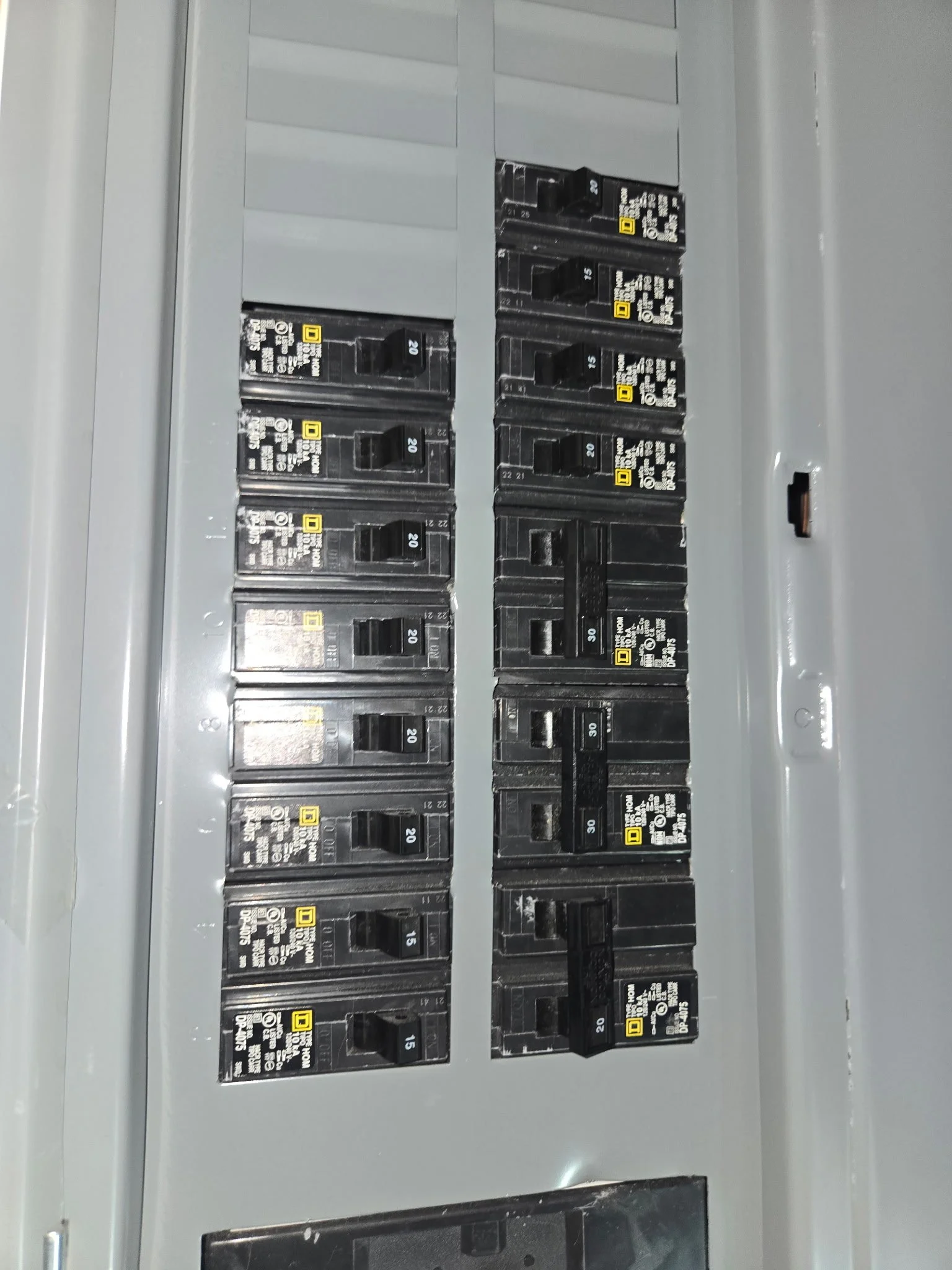
The panel shows its age too: breakers doubled up on one terminal, a subpanel added for an addition, a service sized for a far smaller electrical load than today’s appliances draw. A rewire and a service update are planned together, so the new circuits land in circuits built to carry them.
How Each Layer Changes the Rewire Plan
02 — Portsmouth Conditions
Cradock and Truxtun: Neighborhoods Wired in the Same Era
Cradock and Truxtun were built by the United States Housing Corporation beginning in 1918, when World War I brought a rush of workers to the Norfolk Naval Shipyard. Truxtun’s original houses were built with indoor plumbing and electric lights, so wiring has been part of those walls from the start.
For a rewire, that start date matters. Any original circuits that survive would date to the neighborhoods’ first years, and every owner since has built on top of them, one window unit and one remodel at a time. Two houses on the same street may have started out identical and ended up very different inside.
So we plan each house from what we test in it. A neighbor’s rewire can tell you roughly what era of wiring to expect, but it says little about how much of your job is replacement and how much is cleanup of past additions. In houses of this age, kitchens and rooms that were enclosed or added on are the usual places for splices and undersized runs to collect.
Older homes elsewhere in the city
The same layered pattern turns up in Portsmouth’s other early neighborhoods, including Olde Towne, Port Norfolk, and Park View, where many houses are just as old, or older.
04 — Process
How a Portsmouth Rewire Runs, Start to Finish
Test every circuit
We open the covers, test each circuit, and note which rooms run on which wiring generation. We walk you through what we found, room by room, when we deliver the estimate.
Decide between full and partial
If the original circuits are already gone from part of the house and the later work there is sound, a partial rewire may be enough. If the layers are tangled together, replacing everything is cleaner to install and easier to inspect. You will know which one applies to your house before you sign.
Permit and a power schedule
We pull the electrical permit and set the order in which rooms will lose power. If the job moves the meter on a house in a local historic district, that exterior step waits until the city confirms whether review applies.
Rewire section by section
We work through the house in planned sections, cutting small access openings, and let you know each day which rooms will be without power. New grounded circuits include the ground-fault and arc-fault protection that today’s code requires.
Inspect and document
The city inspects the work, and you keep the permit record and our circuit map. That gives the next owner, a home inspector, or your insurer a clear record of what was replaced.
05 — Scope
What a Portsmouth Rewire Includes
- Disconnecting and retiring original knob-and-tube and other ungrounded circuits
- New grounded copper circuits to every room on the rewire plan
- Correcting open splices and undersized branch runs left by past remodels
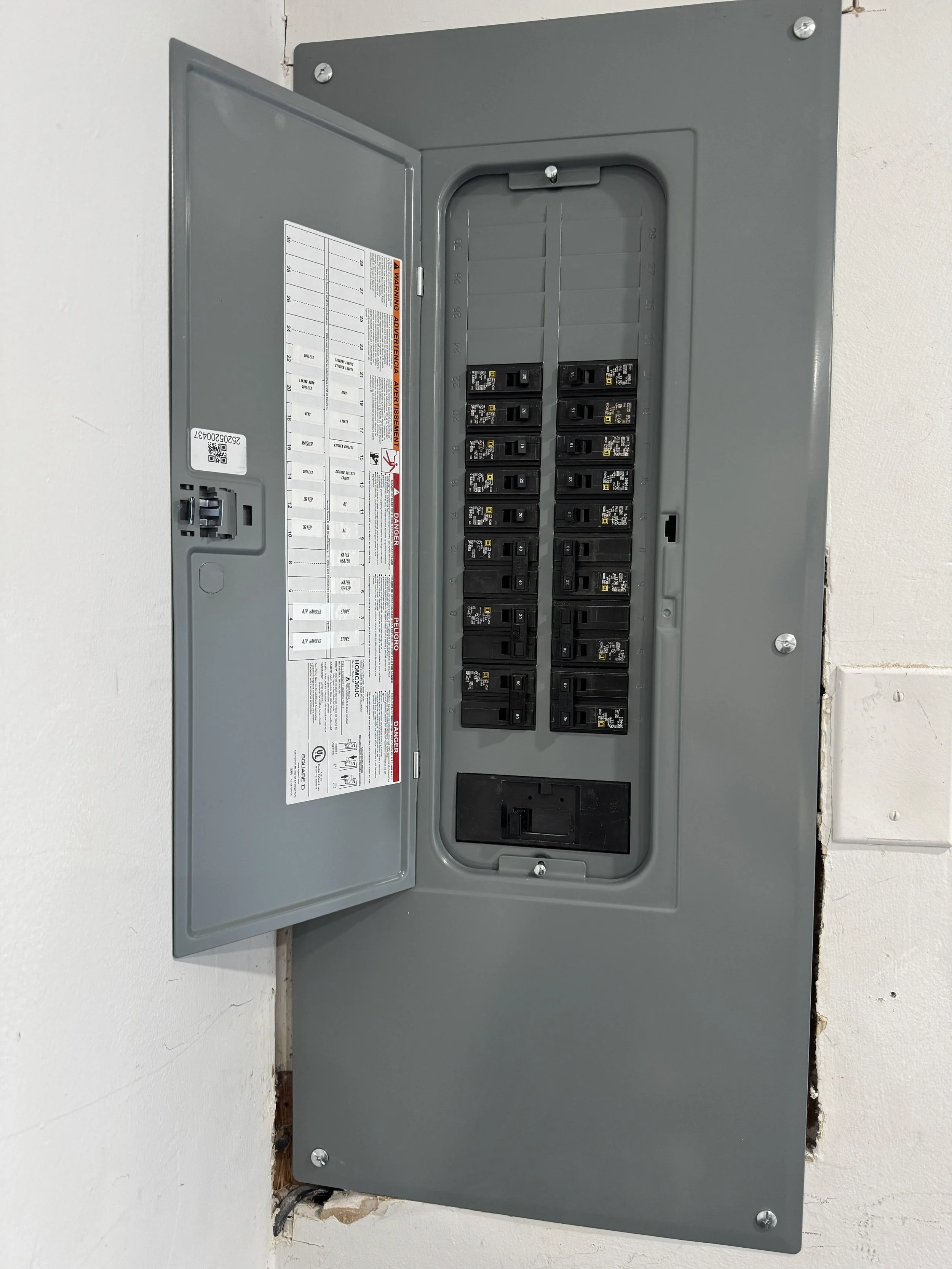
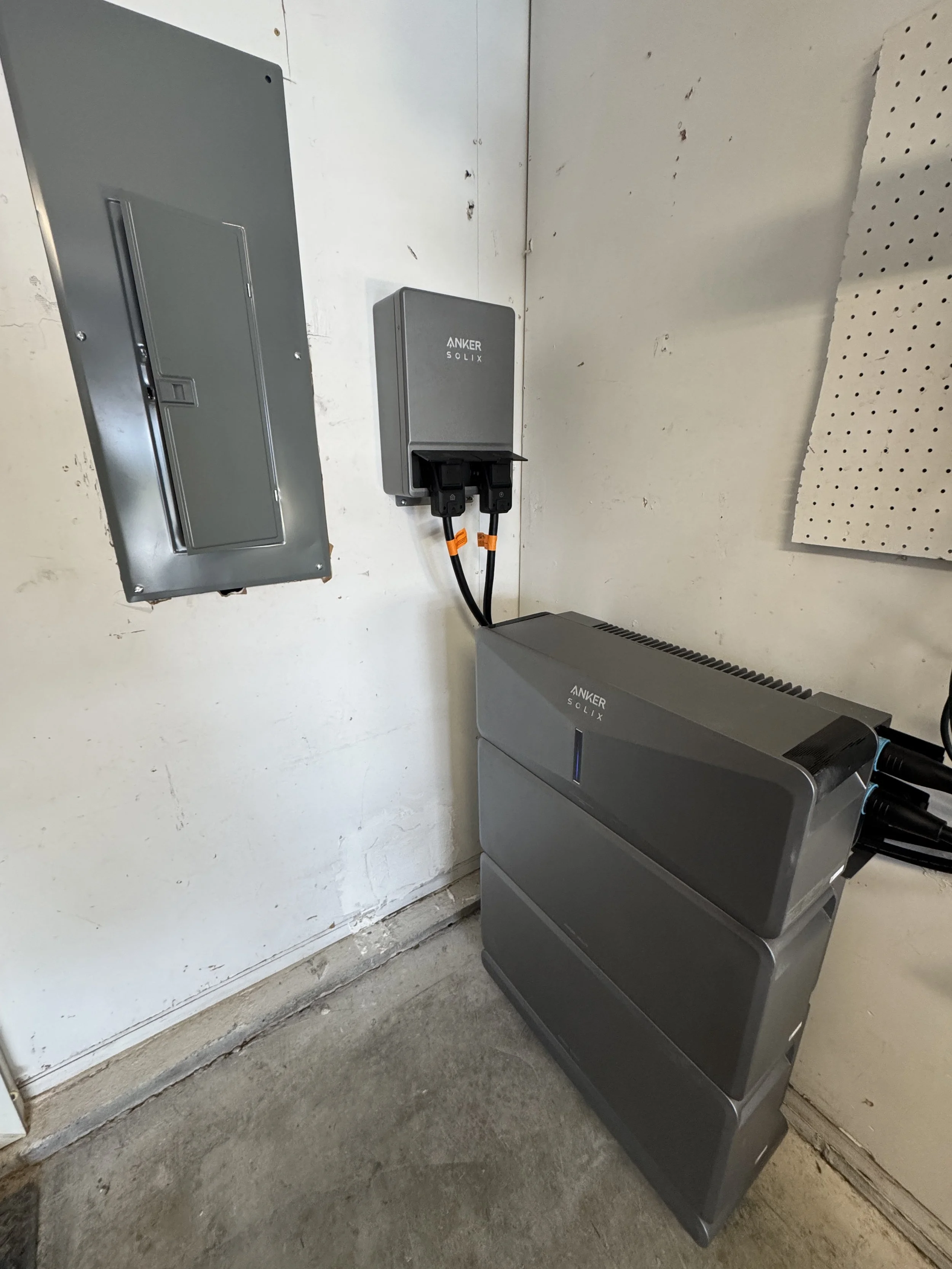
- A panel or service update where the existing one cannot carry the new circuits
- Dedicated circuits for the kitchen, laundry, and HVAC equipment
- A labeled panel directory
06 — FAQS
Portsmouth Rewiring FAQs
07 — Proof
Ground Wires Found and Fixed
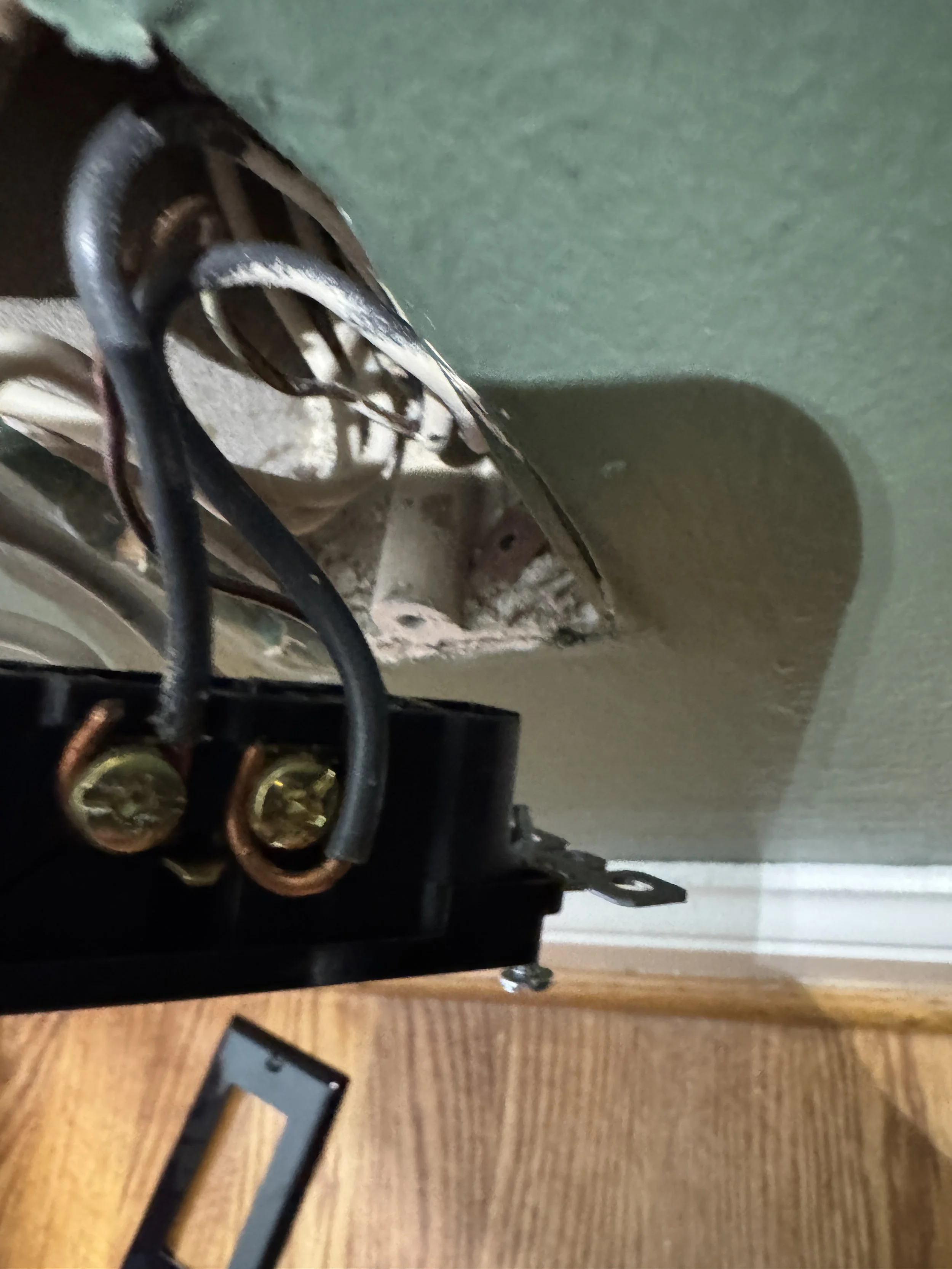
One Google review describes burnt ground wires that were tracked down and repaired.
From our five-star Google reviews
Google 5.0 Rated by Hampton Roads Customers
Castles Electrical maintains a 5.0 rating on Google. The reviews below load as a live widget, so this page shows current feedback from real Castles Electrical customers.