02 — Virginia’s Choice
Virginia’s Code and the Choice to Upgrade a Portsmouth Home
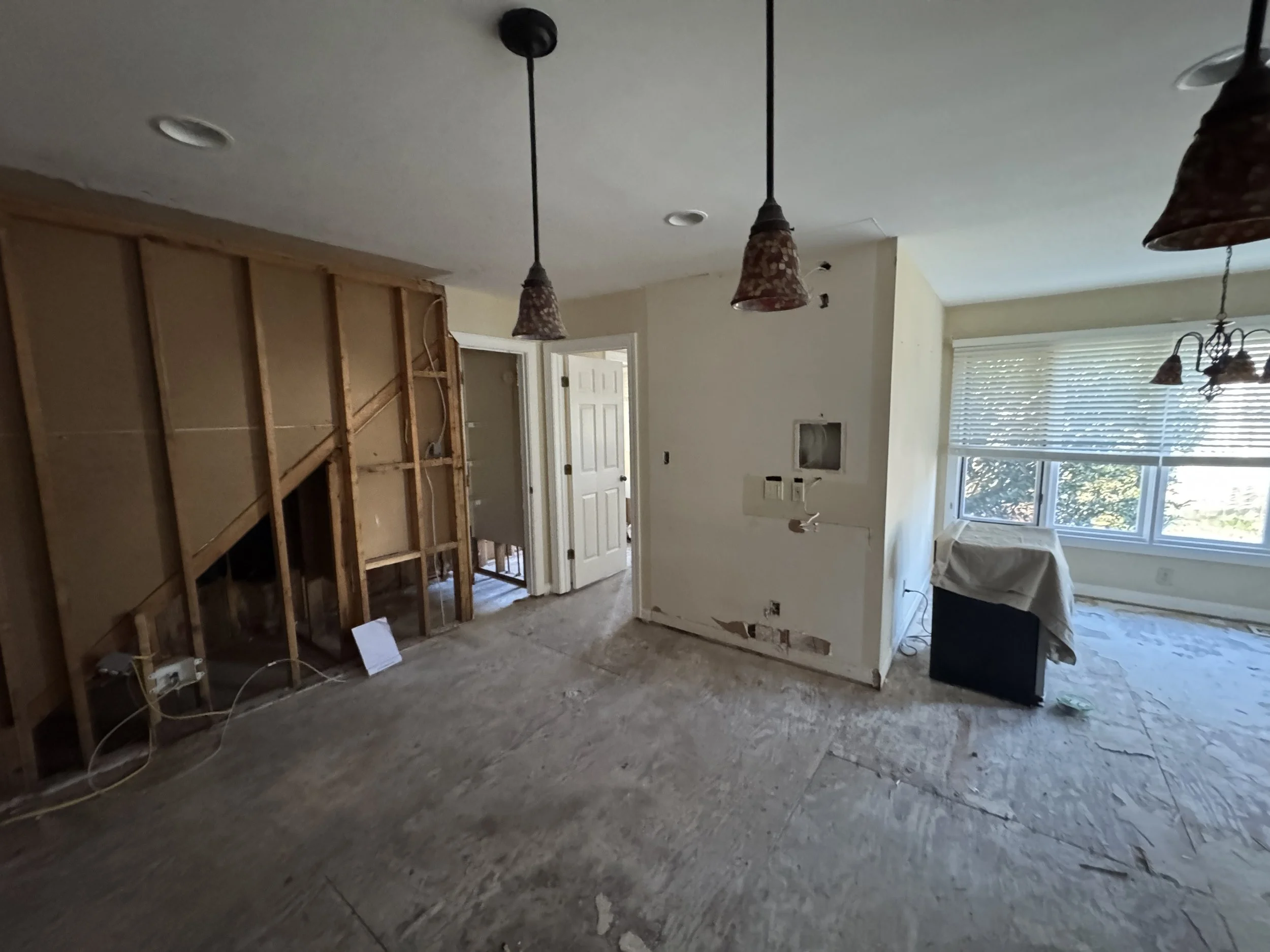
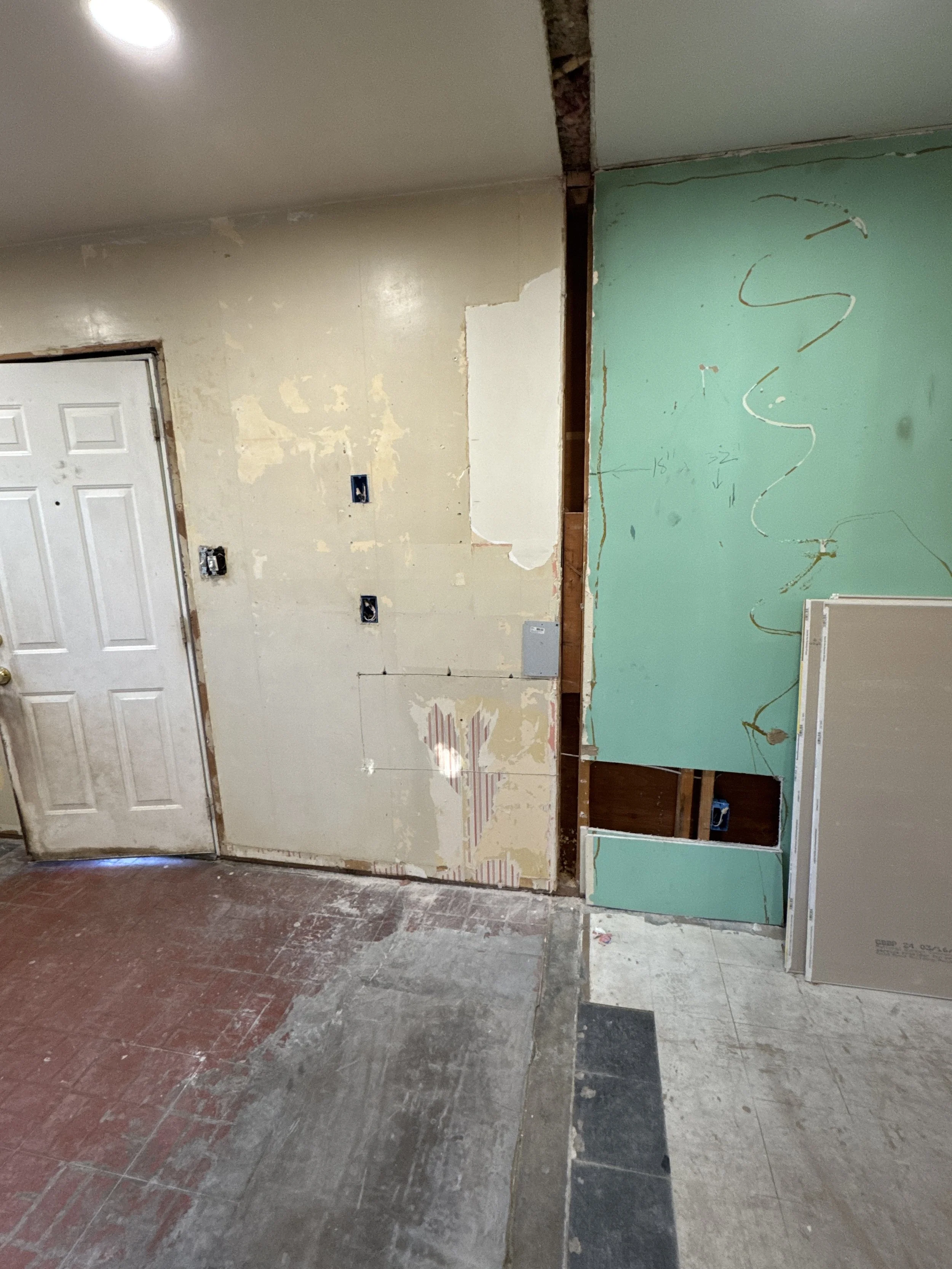
The national model residential code includes a section, R314.2.2, covering alterations, repairs, and additions. The International Code Council’s commentary explains that for permitted work of that kind, the smoke alarm requirements match those for new construction. Under that model section, subject to its exceptions, alarms in an altered home would generally need to be interconnected and take their power from the building wiring.
Virginia struck that section when it adopted the 2021 residential code. The state’s amendments say simply, “Delete Section R314.2.2.” Under Virginia’s residential code, a remodel on its own does not set off a house-wide alarm upgrade. Other rules still apply in some cases, including requirements for replacing alarms and for rental homes.
Virginia also removed the model code exception that allowed battery-powered alarms in certain altered homes.
Adding what the house was never built with
The 2021 Virginia Existing Building Code covers the other direction. Section 103.4 allows an owner to add alarms or other safety equipment that the house was never required to have, without bringing it fully up to current code, as long as the work poses no hazard and is permitted under the construction code. The section rests on Virginia Code Section 36-103, the state law on nonrequired equipment.
In an older Portsmouth house, that provision is the path for adding hardwired, linked alarms the house was never built with.
03 — Interconnection
Wired or Wireless: Linking Alarms in a Plaster-Ceiling House
Section R314.4 of the 2021 Virginia Residential Code applies when a dwelling unit needs more than one smoke alarm. The alarms must be interconnected so that the actuation of one alarm activates all of the alarms in that unit. The rule applies to the entire unit, so a linked pair upstairs with a stand-alone alarm on another level does not meet it.
The same section says that physical interconnection is not required where listed wireless alarms are installed, and that all alarms sound when one activates.
In an older Portsmouth house with plaster ceilings, we decide on a case-by-case basis whether a wired link or listed wireless alarms are appropriate. The table sets the two options side by side.
04 — Power Source
Power Source: House Wiring First, Battery Second
Section R314.6 has smoke alarms run on house power, with a battery that takes over in an outage. The wiring is permanent, which the FAQs below explain. The house-power rule applies where the building wiring is served from a commercial source, which for most homes means the utility.
For a Portsmouth house connected to the grid, the new-home standard is house power with battery backup. In practice, each alarm location needs a permanent feed from the house wiring as well as its link to the other alarms, so we plan the two together.
What national fire data shows
The National Fire Protection Association’s report on smoke alarms in US home fires, covering 2018 to 2022, found that hardwired alarms operated in 94 percent of fires considered large enough to trigger them, compared with 85 percent for battery-only alarms. Those rates count homes where alarms were present.
The report also found that missing or non-functional power sources, including missing, disconnected, or dead batteries and disconnected hardwired alarms, were the most common factors when alarms failed to operate.
05 — City Program
How the Portsmouth Fire Marshal’s Program Fits In
The Portsmouth Fire Marshal’s Office installs smoke alarms for homeowners who ask. They can call the office at 757-393-8689 to schedule an installation or complete the Smoke Detector Request Form on the city website. The form asks about the number of levels in the home and the working alarms already installed.
The program is for homeowners only, and the city notes that renters need to contact their rental office about smoke alarms.
Alarms that run on house wiring and sound together are electrical work, which is where we come in.
06 — Process
From First Call to a Tested Alarm Set
What the house has now
Bedrooms, levels, any fuel-burning appliances or attached garage, and the alarms up now.
Coverage review
We check alarm age, placement, power source, and whether the current set can link.
Plan on paper
The plan names wired or wireless interconnection and smoke, CO, or combination units. Installation estimates are free and honored for 30 days.
Permit, then the alarm circuit
We pull the electrical permit for the work, install a permanent alarm circuit with battery backup and the interconnection, then request the city’s inspection.
Test together
We set off one alarm with you to confirm the rest respond, and leave testing guidance behind.
07 — During Other Work
Planning Alarms Into a Rewire or Panel Change
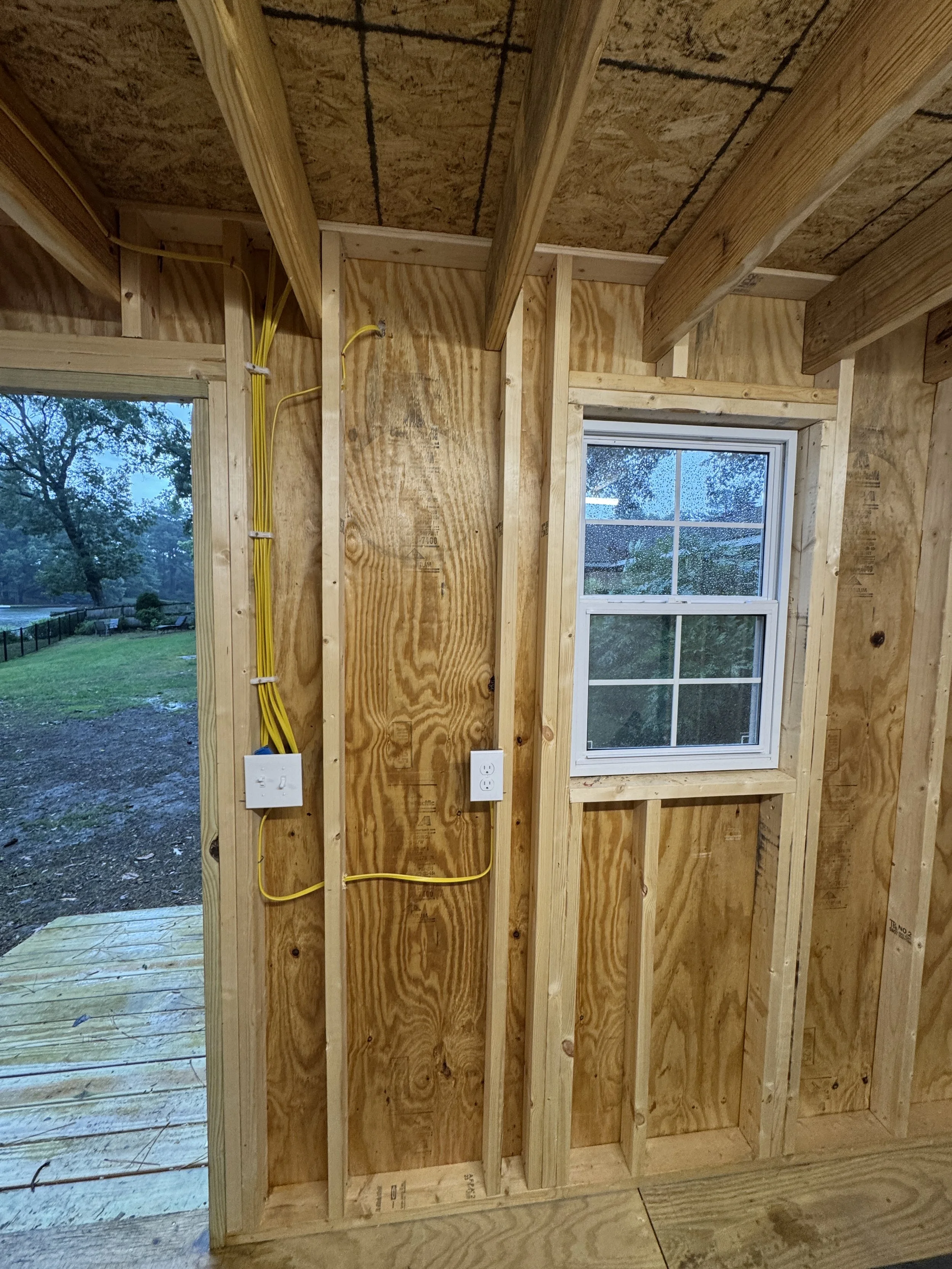
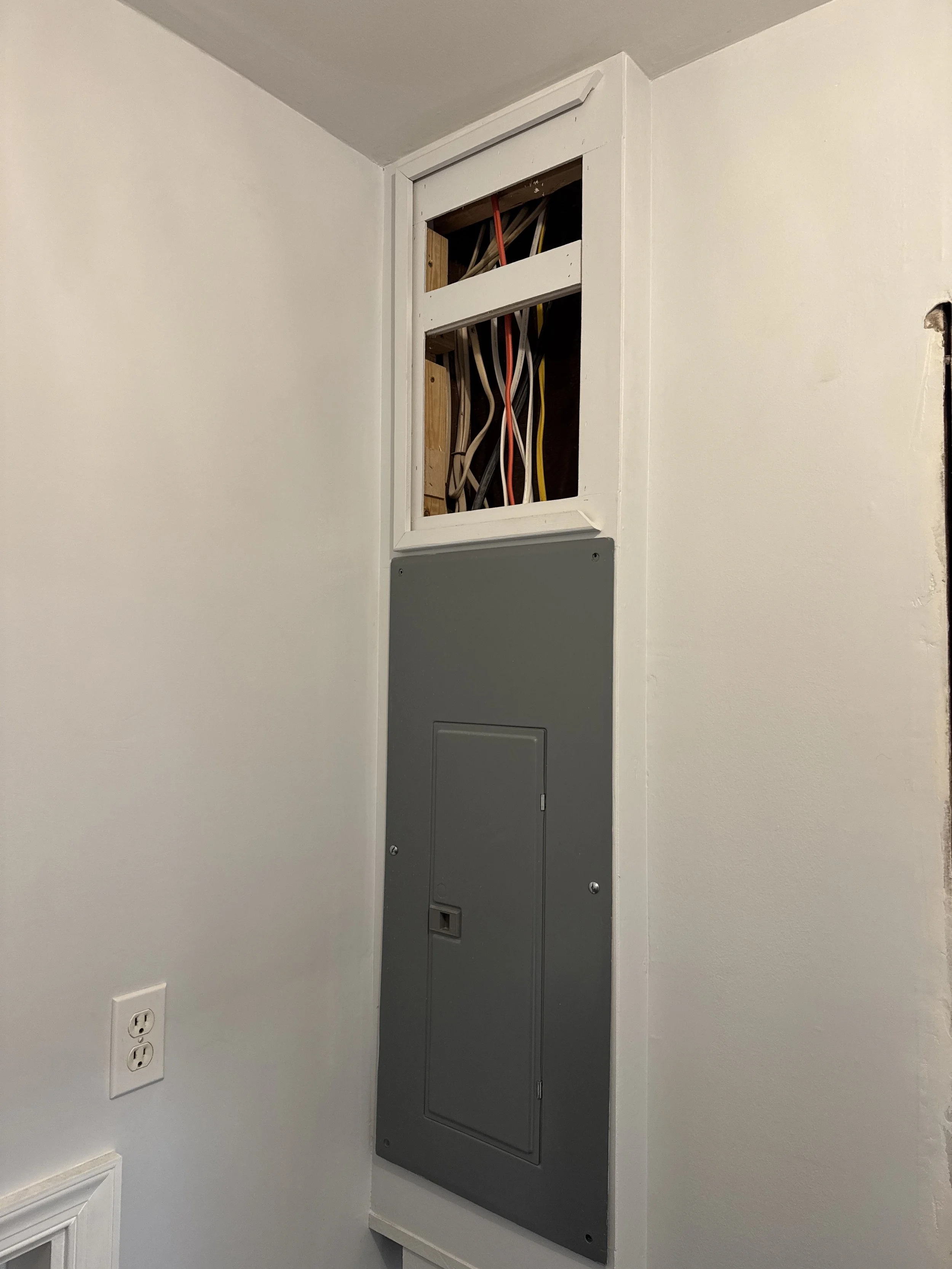
A panel replacement is a natural time to install a dedicated breaker for the alarms, and a whole-home rewire can run the feed to each level.
We plan where the alarm circuit lands in the new panel and how it reaches each level. Our Portsmouth whole-home rewiring page covers the larger project, and our Portsmouth panel upgrade and replacement page covers the panel side.
08 — Why Castles
Upgrades Built to the New-Home Standard
Wired In and Linked
Linked alarms on house power, with battery backup.
Timed to Your Plans
A remodel does not force the upgrade in Virginia, so you choose when the alarm work happens.
09 — Proof
A Fourth Call to the Same Electricians
One customer’s review says it was the fourth time they had used Castles. The electrician arrived on time, located the problem, and repaired it.
From our five-star Google reviews
Google 5.0 Rated by Hampton Roads Customers
Castles Electrical maintains a 5.0 rating on Google. The reviews below load as a live widget, so this page shows current feedback from real Castles Electrical customers.
10 — FAQS