
How much does electrical panel replacement in Virginia Beach cost?
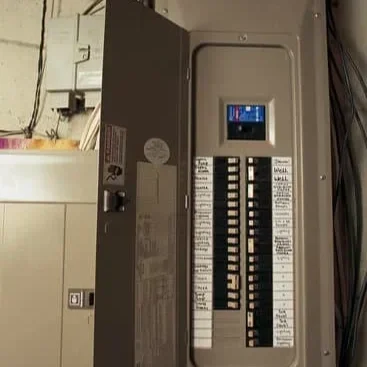
Installing a new panel improves safety, cuts down on headaches, and gives the home a much more dependable electrical setup.
Understanding electrical panel replacement costs
What is an electrical panel, and why replace it?
The electrical panel is basically the home’s main power station. Every circuit eventually winds up here, and each breaker inside is supposed to shut things down if something goes wrong. When a panel starts aging out, the breakers don’t react as quickly, metal parts wear down, and the entire system has a harder time keeping up with modern appliances. People usually choose to replace their panel when it’s clearly original to the home, when breakers trip for reasons no one can explain, or when new equipment—like an upgraded HVAC system—needs more breathing room. Sometimes an inspection uncovers issues that push replacement to the top of the list. Installing a new panel improves safety, cuts down on headaches, and gives the home a much more dependable electrical setup.
Average cost range in Virginia Beach
Replacement prices in Virginia Beach sit a little higher than in many inland cities. That’s partly due to the coastal climate, local permit requirements, and the higher skill level needed for reliable electrical work. A full replacement usually lands in a range that reflects both the materials and the hands-on labor. Larger homes or those with outdated wiring might sit closer to the upper end. Because salt air and humidity eat away at metal faster than most homeowners realize, electricians often use corrosion-resistant parts—another factor that nudges the cost upward. Local codes also lean heavily toward moisture protection, which adds a bit more to typical project totals.
Cost breakdown: labor vs. materials
The total cost usually breaks into two buckets. Materials include the new panel itself, breakers, grounding hardware, a surge protector if installed, and any updated wiring that needs to be added. Labor covers everything from removing the old panel to installing and labeling the new one, plus making sure the entire system meets code. Because only licensed electricians can legally handle this work, labor becomes a large portion of the final bill. If the current panel is buried behind drywall or tucked into a tight space, labor time usually increases. The choice of panel brand and amperage rating affects the materials side.
Cost factors unique to Virginia Beach
Virginia Beach brings some quirks that influence overall pricing. The coastal climate means electricians deal with more corrosion and moisture damage than usual, and that shapes both the material recommendations and the labor involved. Permit fees must also be factored in, since panel upgrades cannot be completed legally without inspection. Local electrical codes include specific rules for grounding and moisture resistance, which can add steps to the installation. Homes closer to the ocean or on older lots sometimes require additional grounding or surge protection. All these factors blend together to set the final price.
Types of electrical panels and their costs
Main circuit breaker panel costs
The main breaker panel is the command center for the house’s electrical system. It includes a main shutoff and feeds power to every individual circuit. Homeowners typically upgrade this panel when increasing capacity, replacing outdated equipment, or addressing safety concerns flagged during an inspection. Costs vary depending on amperage and brand. In Virginia Beach, electricians frequently install Siemens, Square D, Eaton, and GE panels. Houses with heavier electrical loads—EV chargers, large HVAC systems, hot tubs, or workshops—usually require higher-amperage models, which cost more.
Subpanel installation costs
Subpanels come into play when the main panel runs out of room or when a detached building or garage needs its own distribution. Subpanels themselves are less expensive because they don’t include a main disconnect, but installation costs depend on distance, wiring needs, and amperage. Homeowners often add subpanels during renovations, backyard upgrades, or when setting up hobby spaces that need dedicated circuits.
Fuse box vs. breaker panel cost comparison
Older homes in Virginia Beach commonly still have fuse boxes. While maintaining one may look cheaper, the ongoing hassle of replacing fuses, the limited circuit space, and the lack of modern safety features make an upgrade the smarter financial move long-term. Breaker panels provide better fire protection, more capacity, and full compatibility with today’s electrical codes. Replacing a fuse box means a complete panel upgrade, but it usually pays off through improved safety and system stability.
Upgrading amperage: hundred amp vs. two hundred amp panels
Panel amperage has a big influence on cost. A hundred-amp panel might still work for smaller homes, but many Virginia Beach households lean toward two hundred amps to support their current and future usage. Increasing amperage may require service entrance upgrades, meter modifications, or grounding improvements, all of which add to project time and cost. Although higher-amperage panels cost more, the extra capacity often prevents electrical issues down the road.
Primary cost components explained
Electrical permits and inspection fees
Permits are required for every panel replacement in Virginia Beach. The city checks the work to ensure it meets local code. These fees vary but must be included in the overall budget. Skipping permits isn’t an option—doing so can cause insurance issues or trouble during home sales.
Brand and quality of panel
Panel brands vary in durability, corrosion resistance, and warranty coverage. Higher-end brands may cost more up front but hold up better in humid or salt-heavy environments. Lower-cost options may meet basic needs but may not last as long in a coastal setting.
Age and condition of the existing panel
Older panels are usually harder to remove and may reveal underlying issues. Corrosion, outdated wiring, or unsafe modifications add hours to the job. In some homes, grounding upgrades or partial rewiring become necessary, increasing cost.
Additional system upgrades or repairs
Panel replacement sometimes includes extras like whole-home surge protection, new grounding rods, bonding improvements, or circuit rewiring. Homes near the water may particularly benefit from surge protection because of storm-driven power issues.
Labor charges and finding electricians
Hourly vs. flat rate pricing structures
Electricians may use flat-rate pricing for straightforward replacements or hourly pricing for more complex projects. Flat rates make budgeting easy, while hourly charges apply when troubleshooting or extensive rewiring is needed. Rates reflect the expertise and licensing required for panel work.
Choosing a licensed electrician: cost vs. value
Hiring someone who is licensed, insured, and experienced with Virginia Beach homes offers peace of mind. Quality work reduces the risk of future electrical failures, and reputable electricians often warranty their labor. In a coastal area where corrosion and storms create extra challenges, experience matters more than saving a small amount up front.
DIY risks and cost consequences
Replacing a panel yourself is extremely dangerous and typically illegal without proper licensing. DIY attempts can create fire hazards, void insurance, and fail future home inspections. Panel replacement is one of those projects where professional help is both mandatory and wise.
Comparing quotes and estimating your total costs
Homeowners should gather multiple quotes and compare the details—panel brand, amperage, materials, labor, permits, and recommended upgrades. A solid quote lays out each component clearly. Asking questions up front avoids surprises later.
Timeline and project considerations
How long does electrical panel replacement take?
The installation itself usually takes several hours. The entire process—including evaluation, permits, and inspections—can stretch into several days depending on scheduling. Homes that need rewiring or service upgrades may take longer.
What to expect during the replacement process
Before installation, the electrician reviews the current system and identifies any required updates. On installation day, power is turned off, the old panel is removed, the new one goes in, circuits are transferred, everything is grounded correctly, and tests are run. The final inspection confirms everything meets code. Clearing access around the panel helps the process go faster.
Temporary power loss planning and mitigation
Power will be off for part of the day. Homeowners should handle refrigeration needs, unplug sensitive devices, and charge essential electronics beforehand. Many electricians try to schedule work during hours when power loss is least disruptive.
Environmental and weather factors impacting costs
Humidity, salt air, and storm seasons influence both equipment selection and scheduling. Panels built with corrosion-resistant parts may cost more but last far longer in coastal neighborhoods. During active storm seasons, demand for electrical work sometimes increases, which can affect pricing and scheduling.
Saving on electrical panel replacement
Rebates, incentives, and utility credits
Certain safety or efficiency programs may offer rebates or credits for electrical upgrades. It’s worth checking local utilities or state programs to see if incentives are available.
Timing considerations for best pricing
Scheduling the work during slower seasons or pairing a panel replacement with a renovation may open opportunities for better pricing. Contractors often have more flexibility outside peak months.
Negotiation tips with contractors
Collecting several quotes gives homeowners leverage. Asking for itemized details, exploring alternative panel options, or inquiring about price matching can help trim costs without compromising safety.
Long-term savings from upgraded panels
Upgraded panels reduce the need for ongoing repairs, make future expansions easier, and may help lower insurance premiums. Many homeowners also notice fewer electrical problems and smoother appliance performance once the upgrade is completed.
Conclusion
Panel replacement costs in Virginia Beach depend on several factors: amperage, equipment quality, labor, permits, and the existing condition of the system. Coastal weather and salt air also influence the materials and practices used during installation. Understanding these elements helps homeowners prepare for the investment. Working with a licensed electrician ensures the job is safe, compliant, and built to last. Getting multiple quotes, planning ahead, and exploring available incentives can help manage costs while upgrading to a safer and more reliable electrical system.
Urgent Electrical Panel FAQs Every Homeowner Must Address
How long does electrical panel replacement usually take?
Installation generally takes a few hours, with extra time required for permits and inspections.
Are permits really required for panel replacement in Virginia Beach?
Yes. Permits and inspections are mandatory for code compliance and insurance protection.
What are signs that I need to upgrade my electrical panel?
Frequent trips, flickering lights, burning smells, or an outdated fuse box or older panel brand are all common indicators.
Can I replace an electrical panel by myself, or do I need a professional?
A licensed electrician is required due to the high voltage, safety risks, and legal requirements involved.
Castles Electrical offers electrical panel installation, electrical panel replacement, whole home rewiring, new construction wiring, generator installation, and backup power solutions to home and business owners in the Virginia Beach area. As a family-owned business, safety and quality are our top priorities. Call today to schedule an appointment.