
How To Budget For Electrical Panel Replacement
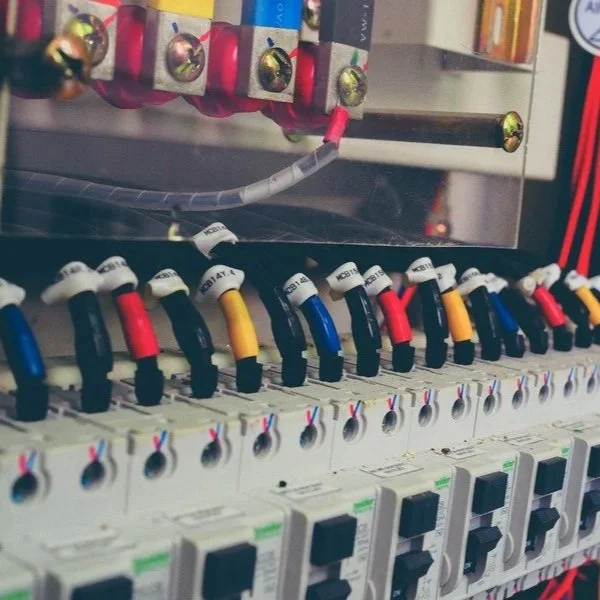
Regular inspections give electricians a chance to spot issues hidden behind the cover before they grow into bigger and more expensive problems.
Understanding the need for electrical panel replacement
Signs your electrical panel needs replacement
If the lights flicker when nothing in particular is running, breakers trip for no clear reason, or you hear odd sounds—little pops, faint buzzing, the sort of noises that make you pause—your panel may be telling you something isn’t right. Burnt smells or warm spots near the panel take things a step further and usually point to wiring breakdown, failing breakers, or heat that’s building where it shouldn’t. Once these symptoms show up, the system isn’t operating at full safety. Catching these hints early helps prevent electrical fires and keeps major appliances from taking the hit when voltage becomes unstable. Regular inspections give electricians a chance to spot issues hidden behind the cover before they grow into bigger and more expensive problems.
Risks of ignoring electrical panel issues
Letting an ailing panel limp along is risky business. Worn insulation and overheated wiring can spark fires, and breakers that stop reacting leave circuits unprotected. When the panel becomes unreliable, power fluctuations become more frequent—and those fluctuations shorten the life of TVs, refrigerators, air conditioners, and most electronic devices. Insurance companies may also take issue if a homeowner knowingly avoids repairs or waits too long to upgrade unsafe equipment. Addressing problems early protects the home, avoids costly losses, and prevents those sudden electrical failures that always seem to happen at the worst possible time.
Benefits of upgrading your panel
A modern electrical panel delivers power more cleanly, handles heavier loads, and includes safety features older systems simply weren’t built with. Upgrading opens the door for smart home devices, EV chargers, new HVAC systems, and home additions that demand more capacity. Buyers appreciate updated electrical systems, which help with resale value. More importantly, homeowners enjoy peace of mind knowing that the electrical backbone of the house is sturdy, compliant, and capable of keeping up with new technology.
When to consider a replacement vs. repair
Not every panel problem calls for a full replacement. Sometimes a breaker can be swapped out, or an isolated issue can be repaired. But when the panel is decades old, shows corrosion, lacks available breaker space, or belongs to a discontinued or recalled brand, repair becomes more of a temporary patch than a real solution. Code changes, the limits of older equipment, and the shrinking availability of replacement parts all push homeowners toward replacement in many cases. A licensed electrician can tell you whether repair buys meaningful time or simply postpones an inevitable upgrade.
Factors influencing replacement costs
Panel type and size
The style and size of the panel make a noticeable difference in the budget. Swapping a fuse box for a breaker panel usually costs more because the wiring has to be reconfigured. Breaker panels vary by amperage—100-amp, 150-amp, 200-amp, and higher—and each level affects price. Smart panels with monitoring features sit at the upper end of the spectrum. Larger homes or properties with energy-hungry appliances often need higher capacity, which increases both labor and materials.
Home age and electrical system condition
Older homes come with surprises. Some use aluminum wiring, outdated grounding systems, or cloth-covered conductors that no longer meet code. Those features often need to be upgraded before a panel can be replaced safely. If the home is historic, electricians have to work carefully around older framing and plaster. In newer homes, the job might be straightforward. In older ones, the panel upgrade can turn into a broader electrical refresh.
Local permits and building codes
Permits, inspections, and code requirements are part of the budgeting process, whether you plan for them or not. They ensure the installation meets modern safety standards and keep homeowners protected legally and financially. Permit fees and inspection requirements vary by region, and utilities often must verify the installation before final approval. Skipping these steps isn’t worth the risk.
Labor and installation complexity
Not all panel replacements are created equal. A panel tucked into a tight closet or wedged behind water heaters and storage shelves may take longer and cost more to replace than a panel in an open basement or garage. Electricians with more experience generally charge higher rates, but that experience often saves time and prevents mistakes. Electrical panel replacement isn’t a DIY project—professional installation keeps the home safe and avoids expensive corrections later on.
Estimating the overall cost
Pricing breakdown: materials vs. labor
Materials typically include the panel itself, breakers, wiring updates, grounding parts, and any protective devices required by code—such as surge protection or AFCI/GFCI upgrades. Costs rise with amperage, brand, and feature options. Labor covers removing the old panel, installing the new one, rerouting or updating circuits, testing, and coordinating with inspectors or the utility company. A simple replacement may stay on the low end of the range, while homes needing significant rewiring, surge protection, or service-line upgrades will land on the higher side.
Geographic location factors
Electrical panel replacement costs shift depending on where you live. Areas with higher labor rates naturally push the total price upward. Rural homes sometimes face travel surcharges or limited contractor availability. Getting a few local estimates helps set a realistic expectation for your area. Comparing bids often reveals big differences in what contractors include in their pricing.
Additional system upgrades
Many upgrades tie into the panel replacement process. Adding AFCI or GFCI protection, improving grounding systems, or installing a whole-home surge protector may be required to meet current codes. Subpanels and dedicated appliance circuits are also common add-ons. While these increase the upfront cost, completing them during the replacement often saves money long term.
Emergency vs. planned replacement
Emergency replacements tend to cost more because they happen on short notice, often outside normal business hours. Homeowners dealing with immediate hazards can’t shop around as easily. A planned replacement allows time to compare quotes, review materials, and schedule work at a convenient time. Planning ahead almost always results in calmer decision-making and better prices.
Hidden and unforeseen expenses
Permit, inspection, and utility coordination fees
Beyond the panel itself, homeowners should budget for regional permit fees, inspection charges, and possible utility-company coordination costs. Some areas require temporary service disconnection and reconnection, and those steps may come with extra fees. If an inspection fails, a reinspection fee may also apply.
Drywall repair and home restoration
Panels installed in finished parts of the home sometimes require electricians to cut through drywall or open sections of framing to access wiring. After installation, these areas must be patched and painted. It’s wise to set aside funds for minor wall repair if your panel isn’t located in an unfinished space.
Upgrades to main service line
Many older homes need a new service line from the panel to the utility connection before the upgrade can happen. If the service line can’t handle the amperage required by the new panel, it must be replaced. This extra step improves safety but increases the overall budget.
Unexpected electrical problems
Once work begins, electricians may uncover hidden issues such as deteriorated wiring, rodent damage, corrosion, or DIY modifications completed by a previous homeowner. A contingency fund helps homeowners handle these surprises without derailing the project.
Comparing contractor quotes
What to look for in a quote
A thorough quote breaks down labor, materials, permits, warranties, and any optional or required upgrades. Homeowners should look for details such as surge protection, grounding improvements, and accurate labeling. Vague quotes leave too much room for unexpected charges.
Questions to ask potential contractors
Ask contractors about their license and insurance status, experience with similar installations, and whether they provide references. Clarify the timeline, cleanup expectations, payment schedule, and warranty coverage. A good contractor answers questions clearly and willingly.
Warranties and post-installation support
Strong warranties protect homeowners from defects and installation issues later on. Contractors should provide written warranty terms and explain what happens if problems arise. Reliable support after installation adds significant value.
Reputation and reviews
Checking reviews, BBB ratings, and neighborhood recommendations can reveal a contractor’s reliability. Consistent concerns in reviews are worth noting. Balancing cost with reputation usually leads homeowners to the best long-term fit.
Financing and payment options
Personal savings vs. credit
Paying from savings avoids interest and keeps overall costs down. When that isn’t an option, credit cards and personal loans fill the gap—but they raise the final cost through interest or fees. Homeowners should compare financing options carefully to avoid unnecessary debt.
Home improvement loans and grants
Home equity loans, HELOCs, and certain grant programs can help cover electrical upgrades. Each option has its own repayment terms and interest rates, so comparing benefits is important.
Utility company incentives
Some utilities offer incentives or rebates when homeowners upgrade outdated electrical equipment. It’s worth checking local programs to see whether any apply.
Government assistance programs
Low-income and senior homeowners may qualify for assistance programs aimed at essential electrical repairs. Local housing authorities or nonprofit groups can provide guidance on available options.
Long-term value and ROI
Energy efficiency and monthly savings
A modern electrical panel distributes electricity more efficiently, reducing circuit strain and keeping appliances running smoothly. Over time, homeowners may notice reduced energy waste and better overall system performance.
Enhanced home safety and insurance benefits
A safer panel lowers the risk of residential electrical fires and shock hazards. Insurance companies often prefer updated systems and may offer better policy options or reduced premiums once the upgrade is complete.
Impact on property resale value
Buyers gravitate toward homes with updated electrical systems. A new panel signals that the home is ready for the future and free of outdated hazards, helping it stand out positively in a competitive market.
Accommodating future needs
Upgraded panels support modern appliances and allow for new additions such as EV chargers, updated HVAC units, or smart home systems. Investing now can prevent multiple upgrades later.
Money-saving tips for panel replacement
Bundling electrical projects
If you’re planning additional electrical work—rewiring, lighting upgrades, outlet additions—combining them with the panel replacement can lower overall labor and permit costs.
Off-season scheduling
Some electricians offer more flexible pricing during slower parts of the year. Homeowners with flexible timelines may secure better rates by avoiding peak seasons.
Sourcing your own materials
Some homeowners purchase panels or breakers themselves, but this must be coordinated carefully with the electrician to ensure compatibility and warranty validity.
Seeking multiple estimates
Collecting several quotes helps identify pricing differences, potential upcharges, and the overall value each contractor offers.
Step-by-step process for panel replacement budgeting
Assessing your needs and setting priorities
Homeowners should review their current electrical systems, future plans, and desired features. Priorities help guide conversations with electricians.
Requesting and reviewing quotes
Comparing estimates and asking detailed questions allows homeowners to make confident decisions and avoid misunderstandings.
Building a contingency fund
Setting aside extra funds helps absorb unexpected issues, such as hidden wiring problems or code-required upgrades.
Creating and tracking a budget timeline
Breaking the project into phases—planning, permitting, installation, inspection—helps homeowners stay organized and track expenses.
Conclusion
Budgeting for an electrical panel replacement takes careful planning and a good understanding of the home’s electrical needs. Panel size, system condition, permit requirements, and installation complexity all shape the final cost. Preparing ahead, gathering multiple quotes, and setting aside contingency funds lead to a smoother upgrade process. With a well-planned replacement, homeowners gain a safer electrical system, future-ready capacity, and long-term value.
Urgent Electrical Panel Budget Questions Every Homeowner Should Know
What is the average cost to replace an electrical panel?
Costs vary by panel size, labor rates, and local market conditions. Local estimates offer the most accurate information.
How long does electrical panel replacement typically take?
Most installations take several hours, with extra time required for permitting and inspections.
Can I replace an electrical panel myself to save money?
No. Panel replacement must be handled by a licensed electrician due to safety risks and building code requirements.
Will my insurance cover any of the replacement costs?
Insurance may help if damage occurred due to a covered event. Upgrades due to wear or outdated equipment are usually not covered.
Castles Electrical offers electrical panel installation, electrical panel replacement, whole home rewiring, new construction wiring, generator installation, and backup power solutions to home and business owners in the Virginia Beach area. As a family-owned business, safety and quality are our top priorities. Call today to schedule an appointment.