
Sizzling Sound Near a Switch? Virginia Beach Electricians Warn What It Means
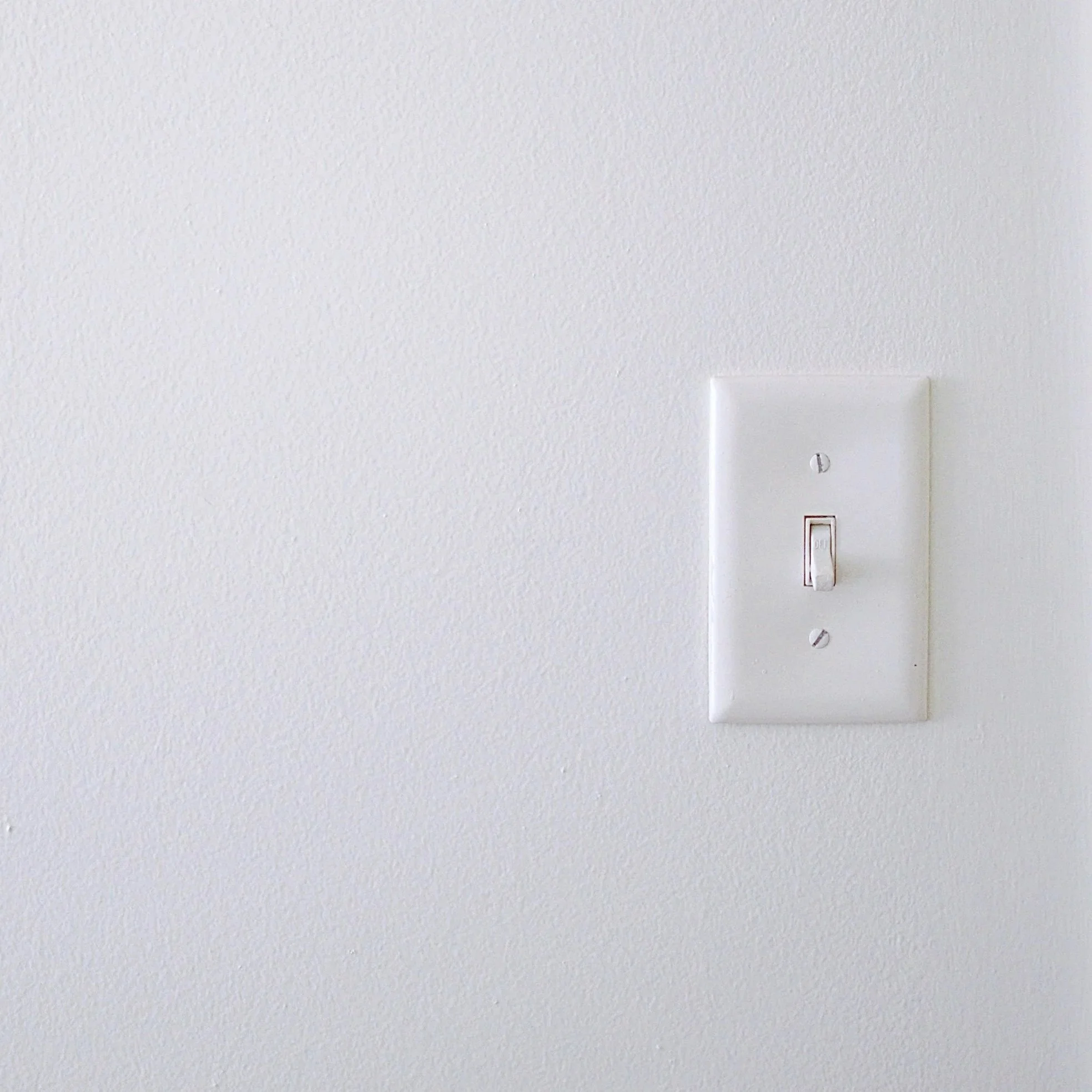
A sizzling sound from your switch often indicates dangerous electrical arcing, a serious fire risk requiring immediate professional electrical repair.
Why A Sizzling Sound Is Never Normal
A sizzling sound coming from a light switch immediately changes the conversation from inconvenience to safety. Electrical systems are designed to operate silently, aside from the faint click when a switch toggles on or off. Any sustained noise suggests electricity is no longer flowing cleanly through its intended path. In Virginia Beach homes, that sound often reflects heat, resistance, or arcing occurring behind the wall. Each of those conditions signals that electrical energy is being released in uncontrolled ways rather than performing useful work.
Sizzling frequently develops gradually. Homeowners may first notice a faint hiss during use, followed by crackling or popping sounds that grow more noticeable over time. Coastal humidity, salt air, and aging materials common in the area accelerate deterioration inside switch boxes. Metal contacts corrode, insulation weakens, and connections loosen just enough to create resistance. Resistance converts electrical energy into heat, and heat creates sound as materials expand, contract, or arc. The noise serves as an audible warning that internal conditions have shifted into unsafe territory.
Loose Wire Connections Inside The Switch Box
One of the most common causes of sizzling near a switch involves loose wiring connections. Switches rely on firm mechanical contact between conductors and terminals to move electricity efficiently. Over time, vibration, thermal cycling, and material fatigue loosen screws or degrade push-in connections as current passes through a compromised connection, resistance increases, generating heat and sound. The sizzling often becomes more noticeable when the switch is under load, such as when controlling overhead lights or ceiling fans.
Virginia Beach homes experience additional stress from environmental exposure. Humidity enters wall cavities, especially in older construction without modern vapor barriers. Moisture accelerates oxidation on copper conductors and steel screws, further weakening connections. A loose wire does not always stop electricity from flowing, which creates a deceptive sense of normal operation. Instead, electricity struggles through a narrowed contact point, producing heat that gradually damages insulation and switch components. Left unaddressed, these conditions often escalate into visible scorching or complete switch failure.
Arcing At The Switch Contacts
Arcing represents a more severe condition where electricity jumps across small gaps instead of traveling through solid metal contact. Inside a switch, arcing occurs when internal contacts wear down, become pitted, or lose alignment. Each time the switch operates, a brief arc may form, releasing intense heat and creating a sizzling or buzzing sound. Over time, repeated arcing erodes contact surfaces further, widening gaps and increasing arc intensity.
Environmental factors common to Virginia Beach make arcing more likely and more dangerous. Moist air lowers resistance thresholds, allowing electricity to jump more easily across compromised contacts. Salt particles accelerate corrosion, roughening metal surfaces and encouraging uneven current flow. Arcing produces carbon deposits that conduct electricity, allowing future arcs to occur even when the switch remains untouched. These deposits spread gradually, turning isolated contact damage into a broader hazard inside the switch box.
Overloaded Switches And Heat Buildup
Switches are designed to control specific electrical loads, yet many homeowners unknowingly exceed those limits. Adding higher wattage lighting, installing ceiling fans, or upgrading fixtures without considering switch ratings places additional stress on internal components. Overloaded switches generate heat during normal operation, which can manifest as sizzling sounds when materials expand or insulation softens under sustained temperature rise.
In older Virginia Beach homes, original switches may still control modern loads they were never designed to handle. Plastic housings degrade faster under heat, while metal components lose spring tension. Heat buildup rarely triggers immediate failure. Instead, it weakens the switch gradually, increasing resistance and promoting arcing. The sizzling sound often appears intermittently at first, coinciding with peak usage periods or warm weather. Continued operation under overload conditions allows damage to the compound behind the wall, raising fire risk incrementally.
Moisture Intrusion And Coastal Electrical Stress
Moisture plays a significant role in sizzling sounds near switches, especially in coastal regions. Virginia Beach homes face constant exposure to humidity, wind-driven rain, and salt air infiltration. Even small amounts of moisture entering a switch box can alter electrical behavior. Damp insulation loses resistance, metal components corrode, and leakage current increases. These changes allow electricity to travel along unintended paths, generating heat and sound.
Moisture-related sizzling often worsens during rainy periods or seasonal humidity spikes. Homeowners may notice noise during storms or after prolonged damp weather. Unlike visible leaks, moisture inside walls remains hidden while quietly degrading electrical components. Over time, corrosion spreads, resistance increases, and the switch becomes less stable electrically. Without intervention, moisture-related issues tend to affect multiple switches or outlets along the same wall or circuit, expanding the scope of risk.
Heat Damage To Insulation And Switch Materials
As electrical components age or operate under stress, the insulation surrounding conductors becomes vulnerable to heat damage. Insulation materials soften, crack, or pull back from terminals, exposing bare copper. When exposed conductors sit near metal boxes or other wires, electricity may arc or leak, producing sizzling sounds. Heat damage often begins subtly, with insulation discoloration hidden behind the switch plate.
Virginia Beach’s warm climate accelerates this process. Elevated ambient temperatures reduce the margin between normal operating heat and damaging heat. Once insulation integrity declines, problems escalate faster. Exposed conductors allow increased arcing and heat generation, which further damages nearby materials. Sizzling sounds may appear even when the switch is off, indicating leakage current rather than active load flow. These conditions demand prompt attention because insulation failure removes one of the system’s most important protective barriers.
Switch Age And Wear-Related Failure
Switches experience mechanical wear every time they are used. Springs lose tension, contacts wear unevenly, and internal alignment shifts. Older switches common in long-established Virginia Beach neighborhoods often reach a point where internal components no longer meet safely. Wear-related failure rarely presents as a clean on-off malfunction. Instead, switches continue functioning while generating heat, noise, and intermittent instability.
As components degrade, electrical contact becomes inconsistent. Current may momentarily break and reestablish as internal parts vibrate or expand with heat, producing sizzling or crackling sounds. Wear-related issues often coincide with other symptoms, such as flickering lights or delayed response when toggling the switch. These signs indicate that internal tolerances have shifted beyond safe limits. Continued use accelerates wear further, increasing the likelihood of sudden failure or localized overheating inside the wall.
Shared Circuits And Downstream Electrical Stress
Sizzling sounds near a switch may also reflect stress originating elsewhere on the circuit. Shared circuits common in older homes carry lighting, outlets, and appliances together. Heavy loads downstream increase current flow through the switch even if the switch itself controls only lighting. Elevated current magnifies heat at marginal connections, making weaknesses audible.
In Virginia Beach homes, shared circuits often serve multiple rooms, creating complex load patterns that change throughout the day. A switch that remains quiet during light usage may sizzle when appliances cycle on elsewhere. These interactions complicate diagnosis because the sound appears localized while the contributing factors span the circuit. Understanding how shared loads affect switch behavior highlights the importance of evaluating electrical systems holistically rather than focusing on isolated components.
What Happens Inside The Wall When Sizzling Is Ignored
Ignoring a sizzling sound allows heat and electrical stress to continue building inside the wall cavity, where damage remains hidden from view. Electrical boxes are designed to contain sparks briefly, not sustain ongoing heat exposure. As sizzling persists, temperatures rise around conductors, switches, and mounting hardware. Wood framing near the box dries out over time, lowering its ignition threshold. Dry materials ignite more easily, especially when exposed to repeated heat cycles rather than a single intense event.
In Virginia Beach homes, humidity adds another layer of complexity. Moisture trapped in wall cavities interacts with heat to accelerate chemical breakdown of insulation and metal components. Corroded conductors increase resistance, which generates even more heat during normal use. The process becomes self-reinforcing. Each time the switch operates, conditions worsen incrementally. Electrical damage spreads slowly but steadily, often without triggering a breaker or obvious visual warning until the situation becomes severe.
Why Sizzling Sounds Sometimes Stop And Then Return
One of the most misleading aspects of a sizzling switch involves intermittent behavior. Homeowners may hear noise one day and silence the next, leading to the assumption that the issue resolved itself. Electrical problems rarely disappear on their own. Temporary quiet often results from cooling, reduced load, or momentary changes in humidity. As soon as conditions shift again, heat and resistance return, bringing the sound back with them.
In coastal environments like Virginia Beach, daily humidity swings influence electrical behavior. Moisture may condense inside walls overnight and evaporate during warmer hours, altering resistance levels. A switch might sizzle only during certain times of day or weather patterns. Intermittent symptoms often indicate early-stage failure rather than resolution. Waiting for consistency before taking action allows underlying damage to deepen, making eventual repairs more extensive and disruptive.
Fire Risk Associated With Audible Electrical Activity
Sizzling represents active energy release, not a passive condition. Electrical fires often originate from prolonged low-level heating rather than dramatic sparks. When heat builds slowly, materials carbonize instead of igniting immediately. Carbon conducts electricity, allowing current to travel along unintended paths. That process expands the affected area over time, increasing the chance of ignition when conditions align.
Virginia Beach fire investigations frequently trace origins back to wall cavities where early warning signs were overlooked. Audible cues like sizzling or crackling often precede visible damage by weeks or months. Switch-related fires rarely start with flames shooting from the wall. Instead, they develop quietly until insulation, wood, or accumulated debris reaches ignition temperature. Treating sound as a serious indicator helps interrupt that progression before structural damage occurs.
Why Breakers Do Not Always Trip During Sizzling Events
Homeowners often assume a breaker would trip if a switch problem became dangerous. Breakers respond to current levels and certain fault conditions, not all heat-related issues. Sizzling caused by resistance or arcing may generate enough heat to damage components without drawing excessive current. As a result, breakers remain closed while damage progresses.
Arc fault protection improves detection, but not all homes have it installed, especially older Virginia Beach properties. Even with modern protection, some arcing remains localized and intermittent, escaping immediate detection. Relying on breakers as the sole safeguard creates a false sense of security. Audible symptoms provide critical information that protective devices may not capture until later stages.
What A Professional Inspection Typically Involves
Evaluating a sizzling switch requires more than replacing the visible component. Electricians begin by isolating power and examining the switch, wiring, and box for signs of heat, corrosion, or insulation damage. Connections are checked for tightness, proper termination, and material compatibility. Testing equipment measures voltage stability and identifies abnormal resistance patterns.
In Virginia Beach homes, inspections often extend beyond the switch box. Adjacent outlets, fixtures, and panel connections receive attention to identify shared circuit stress or environmental exposure issues. Moisture pathways, wall penetration points, and panel conditions all influence long-term outcomes. Addressing the immediate cause without understanding the contributing factors risks recurrence. A comprehensive approach stabilizes the system rather than chasing isolated symptoms.
FAQs
A sizzling sound indicates abnormal electrical activity and should never be considered safe. While severity varies, the sound signals heat, resistance, or arcing that can escalate if left unaddressed.
Humidity contributes to corrosion and insulation breakdown, which can lead to sizzling, but it usually works alongside loose connections or aging components rather than acting alone.
Discontinuing use reduces immediate stress, but the underlying issue remains. Turning off the power at the breaker and arranging an inspection provides a safer path forward.
Downstream fixtures can influence switch behavior by increasing load or introducing faults. Professional evaluation helps determine whether the issue originates at the switch or elsewhere on the circuit.
Replacement helps when the switch itself has failed, but wiring, load, and environmental factors often contribute. Comprehensive inspection prevents recurrence and addresses root causes.