02 — Process
Five Steps Toward the Certificate of Occupancy
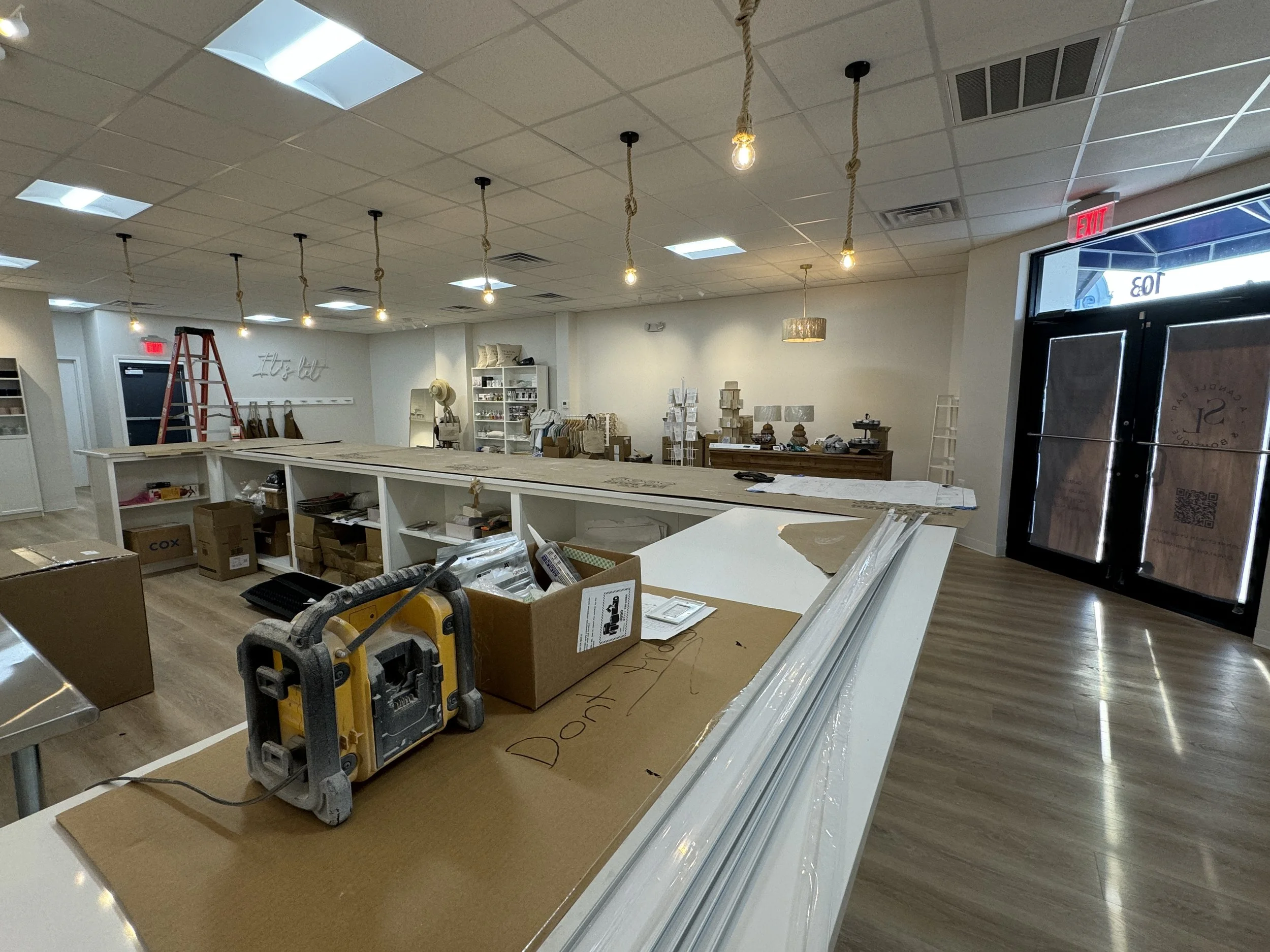
Compare the old use to the new one
Existing service, panel capacity, and the equipment you plan to bring in.
List what changes
The circuits, equipment, and lighting the new use needs.
File the commercial permit
With the documents the plan review asks for, from the owner’s engineer where sealed drawings are required.
Rough-in and final inspections
Requested as soon as each stage of the work is ready.
Certificate of occupancy request
Made once all required inspections are complete; the city requests up to 5 business days to process it.
Leave slack around the opening date. Suffolk’s certificate of occupancy guide recommends at least a one-week buffer between the completion of construction and move-in or a grand opening, and the city says it cannot guarantee an inspection on the requested date.
03 — Why Castles
What Suffolk Businesses Hire Us For
Tenant Fit-Outs
Power laid out for the new floor plan.
Equipment Matched to the Service
New equipment checked against the building’s service.
High-Bay and LED Lighting
Fixtures and controls planned before the permit.
Fire Code Cleanup
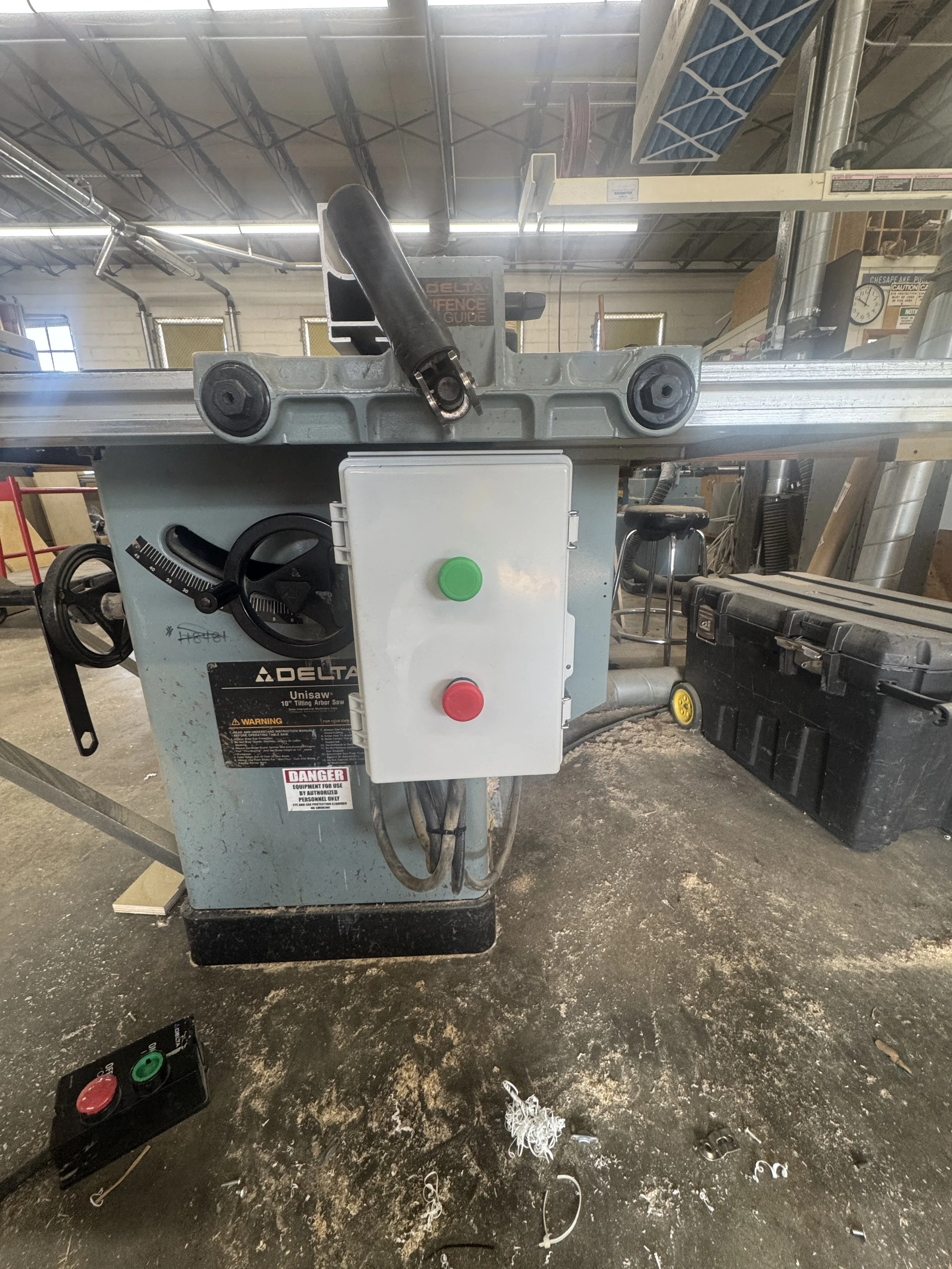
We clear the working space at the panel and replace the cords the last tenant left behind.
04 — Fire Code
What Virginia’s Fire Code Expects in a Used Space
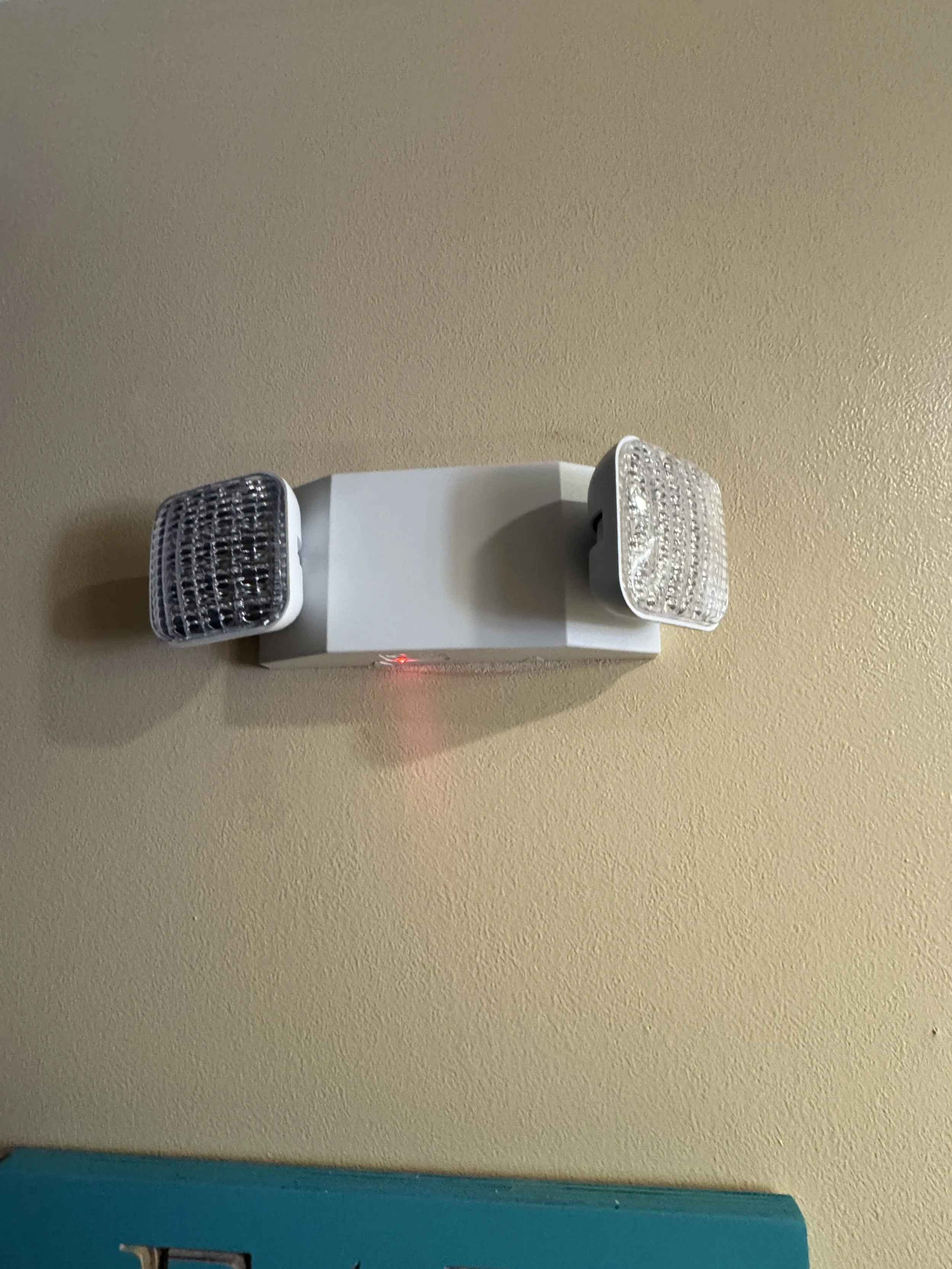
A previous tenant often leaves behind electrical habits: cords run to workstations, power strips plugged into power strips, a missing box cover, and shelves stacked in front of the panel. Suffolk amended its fire prevention chapter to align with Virginia’s Statewide Fire Prevention Code, which addresses each of these.
Extension cords can’t serve as permanent wiring or run through walls, ceilings, floors, or under doors, and they are meant for portable appliances. Power strips must be plugged directly into a permanent wall receptacle, and space heaters can’t run on extension cords. Open junction boxes and open splices are not allowed, and switch and outlet boxes need covers.
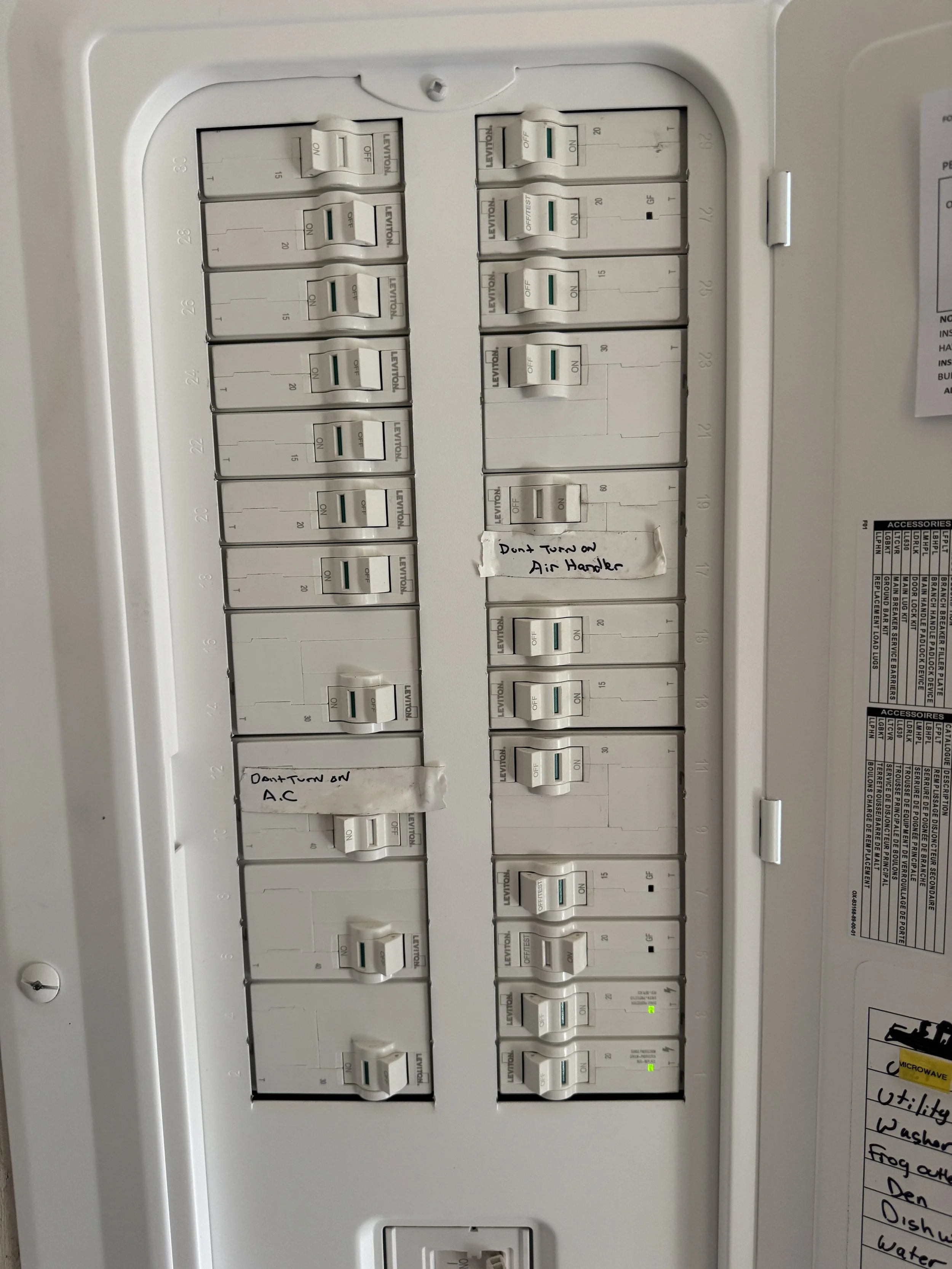
In front of electrical service equipment, the code requires working space at least 30 inches wide, 36 inches deep, and 78 inches high, kept free of stored materials. Panel areas must be lit; each breaker’s purpose must be legibly marked unless it is obvious; and a door to an electrical control room must have a sign indicating so. Abandoned cable in an accessible ceiling plenum is tagged for future use or removed.
05 — Lighting Code
Lighting Retrofits and Virginia’s Energy Code
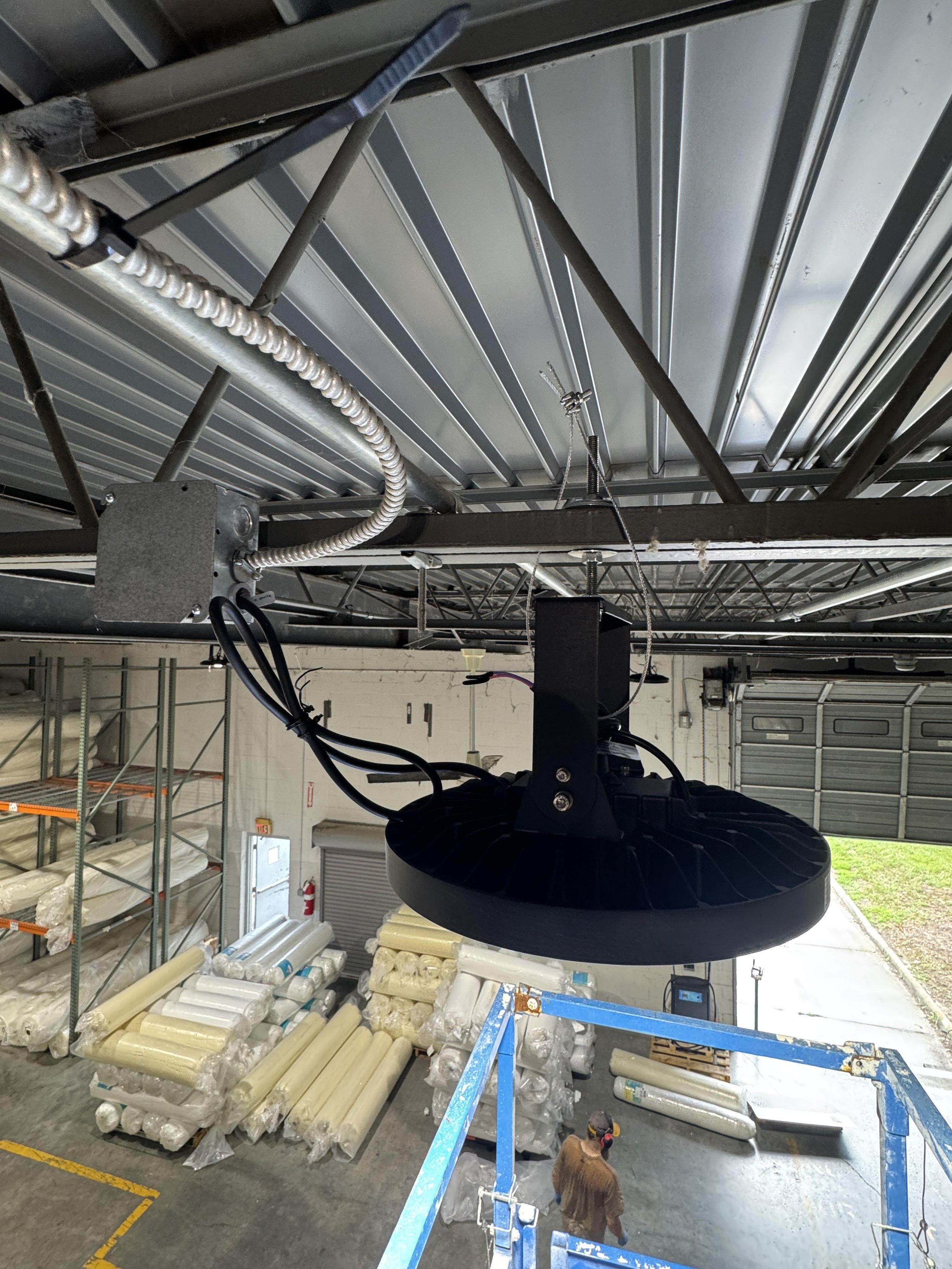
Virginia’s existing-building code sends altered commercial lighting to the lighting section of the state energy code. The exception is small: replacing less than 10 percent of the fixtures in a space, as long as the new fixtures do not raise the existing interior lighting power. Replacing the high-bay or LED fixtures across a whole shop floor is well past that line.
Once the energy code applies, lighting controls are required. The code requires occupant-sensor controls in space types that include storage rooms, restrooms, breakrooms, enclosed and open offices, corridors, conference rooms, and warehouse storage areas, as well as small enclosed spaces of 300 square feet or less. We plan the sensors and controls into the retrofit before the permit is filed.
06 — Phase and Load
Single-Phase, Three-Phase, and the Equipment You Bring In
In Dominion Energy’s territory, the utility supplies single-phase service at 240 or 208 volts and three-phase service at 208 or 480 volts, among other arrangements. Every motor has to match the voltage and phase of the building’s service, and motors draw four to six times their running current when they start, which is why a large compressor can dim the lights.
Dominion provides three-phase service to customers with one three-phase motor larger than 5 horsepower, one air conditioning or heat pump unit larger than 5 tons, or three-phase motors totaling at least 15 horsepower, provided the motors are properly sized for their use.
For a new service or an upgrade, Dominion assigns a work request number, may request a load letter and an electrical riser diagram, and asks that service requests be submitted as far in advance as possible. Parts of Suffolk are served by an electric cooperative instead, and its own requirements apply there.
07 — Engineering
When Drawings Need an Engineer’s Seal
A 480-volt three-phase service is under the 600-volt line, so a job at 800 amps or less in a building of three stories or less and outside the excluded uses can fall within the exemption.
08 — Proof
Praise for the Office and the Electrician
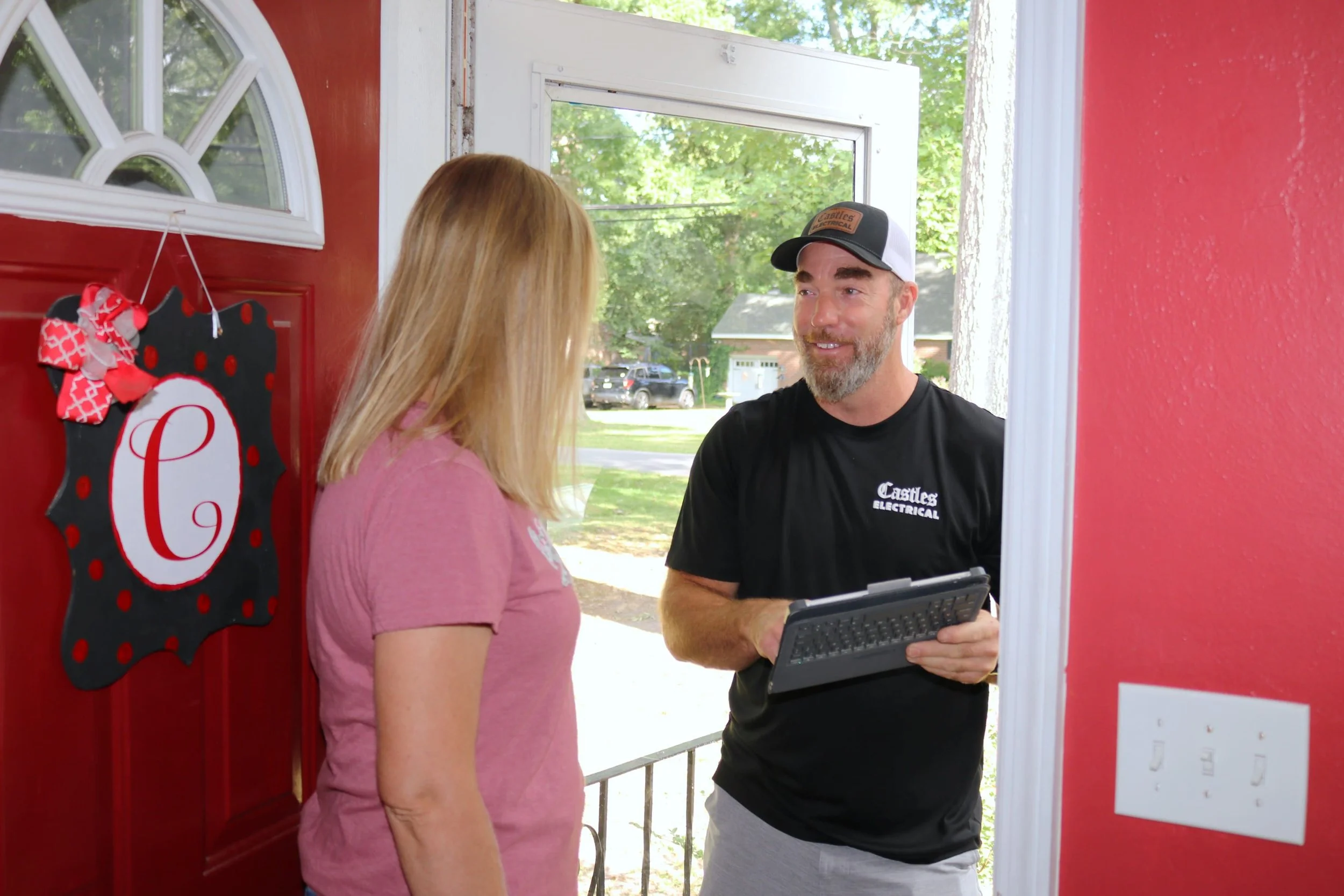
One customer called it an absolute pleasure working with our office manager and our electrician, from the first phone call to the finished job.
From our five-star Google reviews
Google 5.0 Rated by Hampton Roads Customers
Castles Electrical maintains a 5.0 rating on Google. The reviews below load as a live widget, so this page shows current feedback from real Castles Electrical customers.
09 — FAQS