dock and boathouse electrical in Norfolk, VA, Castles Electrical

Master Electrician & Class B Licensed

Dock & Boathouse Electrical in Norfolk, VA

Most Norfolk docks sit on water that rises and falls with the tide, and the electrical code measures dock equipment from that water. How high the highest normal tide reaches at your pier decides where a receptacle, a lift control, a junction box, or a light can legally go.

Docks, piers, boat lifts, and boathouses on the city’s creeks and river shorelines are steady work here. Deck heights get checked against the high-water marks before a single circuit is planned.

Master Electrical & Alternative Energy License #2710048784 Class B Contractors License #2705166194 Google 5.0 Rated Family-Owned & Operated Since 2012 Licensed Electricians, Never Subcontracted Free Installation Estimates
Licensed. Insured. Trusted. We treat your home like it’s our own.
Locally Owned in Virginia Beach Since 2012 Serving Virginia Beach & Nearby Cities
GENERAC
TESLA
KOHLER
NABCEP
BBBA+
SquareD
GENERAC
TESLA
KOHLER
NABCEP
BBBA+
SquareD
Home / Norfolk, VA / Dock & Boathouse Electrical in Norfolk

01 — Norfolk Waterfront

A City Lined With Private Piers

In an April 2023 shoreline sanitary survey of the Lafayette River, the Virginia Department of Health reported 801 shoreline access structures from the VIMS inventory along roughly 65 miles of shoreline, predominantly single-family docks. Its table lists 680 docks and 28 boathouses on that river and its coves. The same survey notes that 41 percent of that shoreline has been hardened with bulkhead, riprap, or other structures.

Citywide, a 2002 shoreline inventory by the Virginia Institute of Marine Science surveyed 167.7 miles of tidal shoreline in Norfolk, including military shoreline, and counted 981 docks, 47 boathouses, 110 private boat ramps, and 16 marinas at that time. VIMS names the Lafayette River, the main stem of the Elizabeth River, and its Eastern Branch as the city’s major tidal tributaries.

That density makes dock wiring ordinary residential work in Norfolk, and many of those piers were wired years ago, before today’s dock rules.

02 — Datum Plane

The Electrical Datum Plane: Measured From the Tide

The National Electrical Code, adopted in Virginia in its 2020 edition, uses a reference called the electrical datum plane. Equipment can be installed, and connections made above it, and Section 555.3 sets its height.

Fixed piers and land on tidal water

Where land is subject to tidal fluctuation, the line sits 2 feet above the highest high tide your pier normally sees. That covers most fixed piers on Norfolk’s creeks. For water that does not rise and fall with the tide, the code uses 2 feet above the highest normal water level.

Floating docks

A floating dock that rises and falls with the water carries its datum plane with it. For those, the plane sits 30 inches above the water level at the float and at least 12 inches above the deck. The code applies to that moving plane, which is built to rise and fall with the water without lateral movement, and to rise as high as the fixed datum plane.

Where connections can be made

Once the plane is set, the dock rules decide where each connection and enclosure may sit. The table below sums up the 2020 limits we plan around.

Equipment on the dock
2020 NEC placement rule
What it means for planning
Electrical connections on any pier
At least 12 inches above the deck
Junction boxes go up on posts above the deck
Connections on a fixed pier
Not below the electrical datum plane
Height comes from the highest high tide at the pier
Splices below the plane on a floating dock
Only above the waterline, in junction boxes identified for wet locations, with sealed connectors listed for submersion
Planned with the float and gangway layout
Transformer enclosure for low-voltage lighting
Identified for wet locations, bottom at or above the datum plane
Sized and located before the lighting is laid out

In practice, the same receptacle post can be correct on one pier and too low on the pier next door, because the decks sit at different heights above the tide. The code’s reference point is the highest high tide under normal conditions, not the deck height.
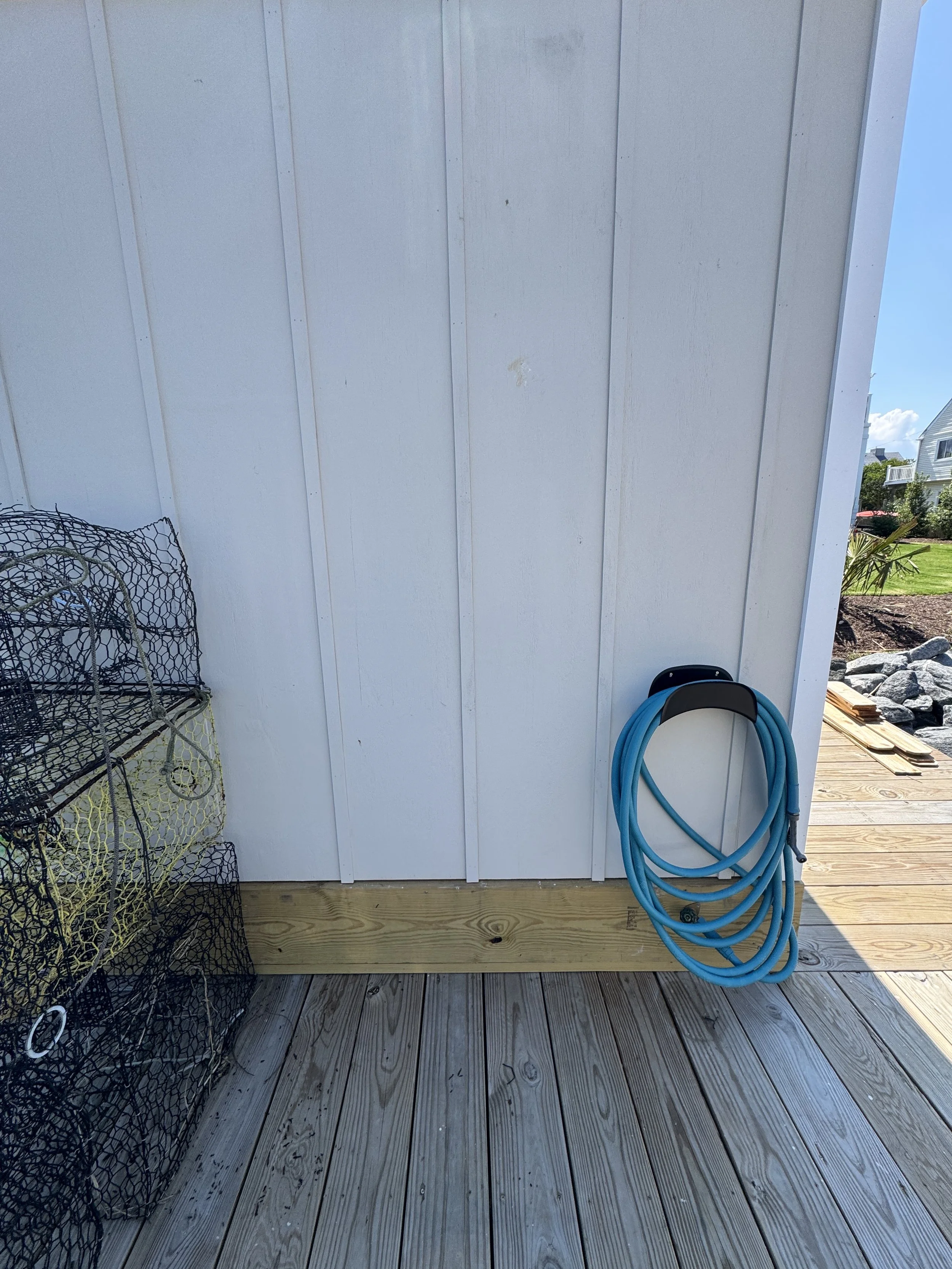
Pier decking beside the side wall of a dock structure at a Norfolk, VA waterfront home

03 — Under the Pier

Wiring Methods Under and Along the Pier

The NEC’s dock wiring rules allow standard wiring methods on a pier when they are identified for wet locations and carry a wire-type insulated equipment grounding conductor.

The code also allows extra-hard-usage portable power cable, listed for wet locations and sunlight resistance, as permanent wiring under the pier and where flexibility is needed across floating sections, properly supported.

On many Norfolk properties, a fixed pier crosses the marsh, and a floating dock sits at the end on a gangway. That moving transition is where the wiring method matters most.

04 — Feed From Land

Feeding the Dock From Shore

Under Section 555.4 of the 2020 NEC, the service equipment for a dock is located on land adjacent to the structure it serves. It cannot be mounted on or in the dock itself or on any other floating structure.

For most homes, power reaches the pier through feeder or branch circuits from the house panel. Where the dock gets its own disconnect on land, we usually place it near the head of the pier, above the datum plane, so we plan the route and the equipment location together.

Lift motors, lights, and boathouse circuits add up, so we check panel capacity at the estimate. Waterfront yards often have a pool or hot tub as well, and our pool and hot tub wiring in Norfolk is planned from the same panel review.

05 — Boathouses

Boathouses and Covered Lifts

A roof keeps rain off the equipment, but it does nothing to the tide. Boxes, lift controls, and receptacles in a boathouse built over the water still go at or above the datum plane, and connections still stay at least 12 inches above the deck. A transformer feeding low-voltage lighting under the roof follows the same rules.

06 — Pier Permits

Where Electrical Fits in Norfolk’s Pier Permit Sequence

The city’s pier construction guide (last updated in 2018) explains that building a pier may require wetland, building, tree, and encroachment permits. Property owners secure wetland permit authorization before construction, through a Joint Permit Application. The guide adds that in most cases, city staff can help residents meet requirements to eliminate local wetland permit requirements.

The guide states that building permits are always required for pier construction. The applicant brings the wetland authorizations to the Development Services Center to secure the building permit, and the city’s FAQ lists a land survey, the Corps and VMRC approvals, the Wetlands Board approval, and a building permit application.

You or your dock builder carry those permits. We carry the electrical permit and inspection for the dock wiring.

07 — Process

Norfolk Dock Wiring, From Photos to Final

01

Tell us about the dock

Fixed or floating, lift or boathouse, and what you want powered. Photos of the pier head and your panel help us prepare.

02

Site visit and estimate

We measure deck heights, check panel capacity, and map the route from the house to the pier, then give you a written estimate that is honored for 30 days.

03

Coordinate with your builder

Box locations and conduit are planned with your builder where timing allows.

04

Permit, rough-in, and inspection

We pull the electrical permit and have the rough work inspected.

05

Final connections and walkthrough

Ground-fault devices are tested, and we show you each disconnect and control.
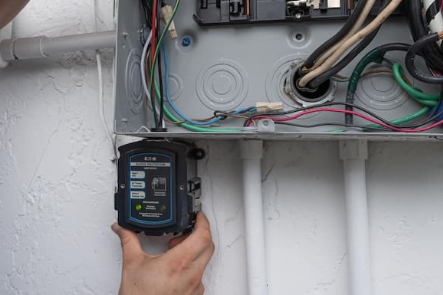
Tester reading taken at an open junction box
Castles Electrical van at a Norfolk, VA job

Castles Electrical

Licensed, insured, and locally owned. The work is done by our own electricians, never subcontracted.

08 — Why Castles

Built Around the Tide Line

Heights Checked First

Outlets, lift controls, and connections placed above the plane the code measures from high tide.

Fixed or Floating

Heights set to the right plane for a fixed pier or a float that rides the tide.

09 — FAQS

Dock Electrical FAQs

Our dock floats at the end of a fixed pier. Is it wired differently?+

Yes. The float’s height limit moves with the water, and the gangway crossing usually needs flexible cable listed for that use.

How do you figure out the highest high tide at our dock?+

We check deck heights against the high-water marks on the pilings and confirm the reference with the inspector. NOAA publishes tidal datums for the Sewells Point station, but a published average is not the same as the code’s highest high tide under normal circumstances, so we do not promise a height before that check.

Can the main disconnect for the dock be mounted on the pier?+

If the dock has its own service equipment, the code requires it to be located on land adjacent to the dock, not on the pier. Most home docks are fed from the house panel instead, and some switches, such as a lift’s local disconnect, do belong out on the pier. We explain which switch does what at the walkthrough.

We are buying a house on the Lafayette River with an existing dock. What should we check?+

Look at box and receptacle heights against the high-water marks, where the dock is fed from, and whether the lift controls look original. An electrical safety inspection in Norfolk can take the dock in before closing, and the report separates the safety items from what is simply old.

Could running power to the dock need a tree permit?+

Possibly. Norfolk’s pier guide says a tree permit is needed for impacts to trees within 100 feet of the landward edge of wetlands, including construction access or material storage. Ask City Planning to confirm current requirements, and we plan trench routes with that zone in mind.

10 — Proof

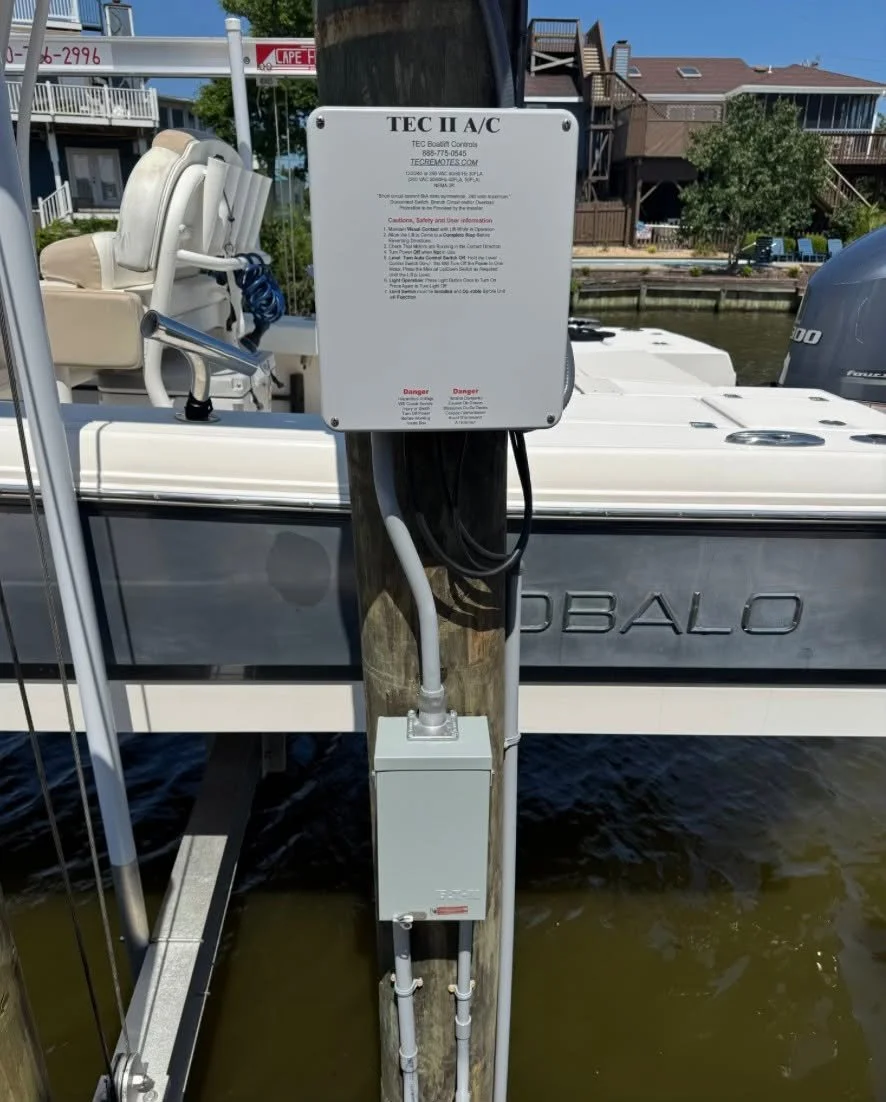
Power Out to a Boat Lift

“

One reviewer had power run to a boat lift and called the result a great job, much appreciated.

From our five-star Google reviews
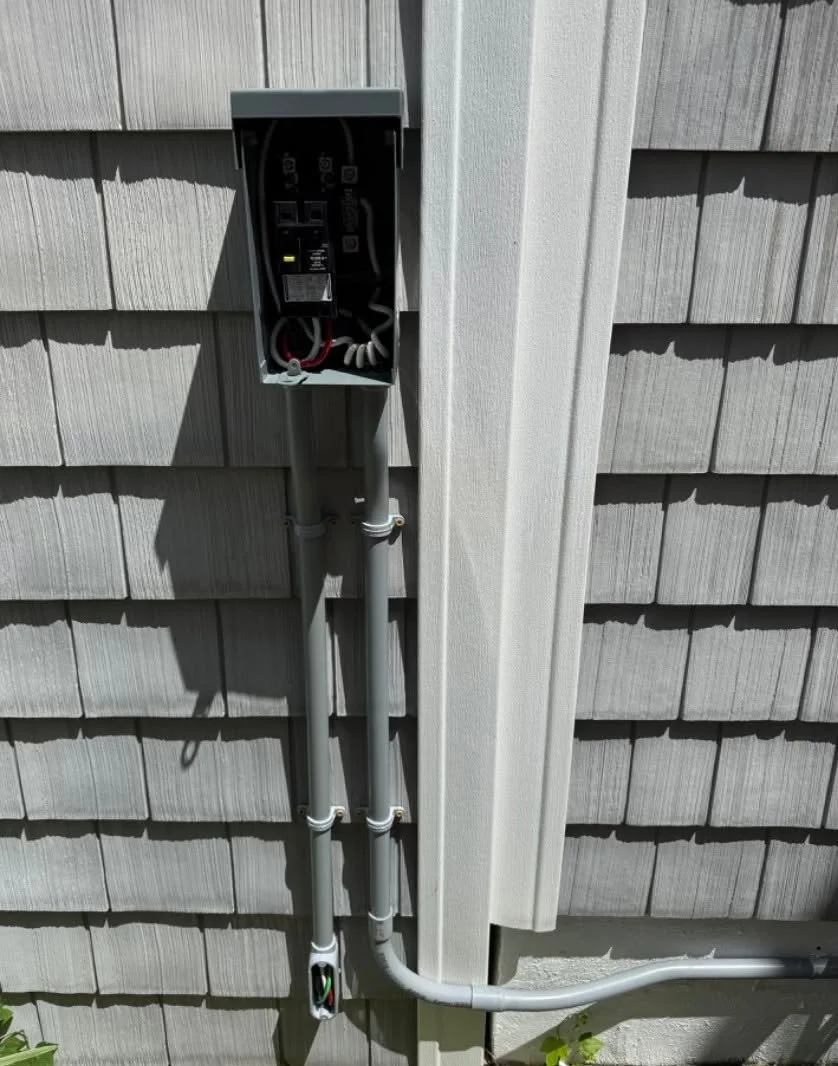
Outdoor enclosure and conduit on the wall of a Norfolk, VA home
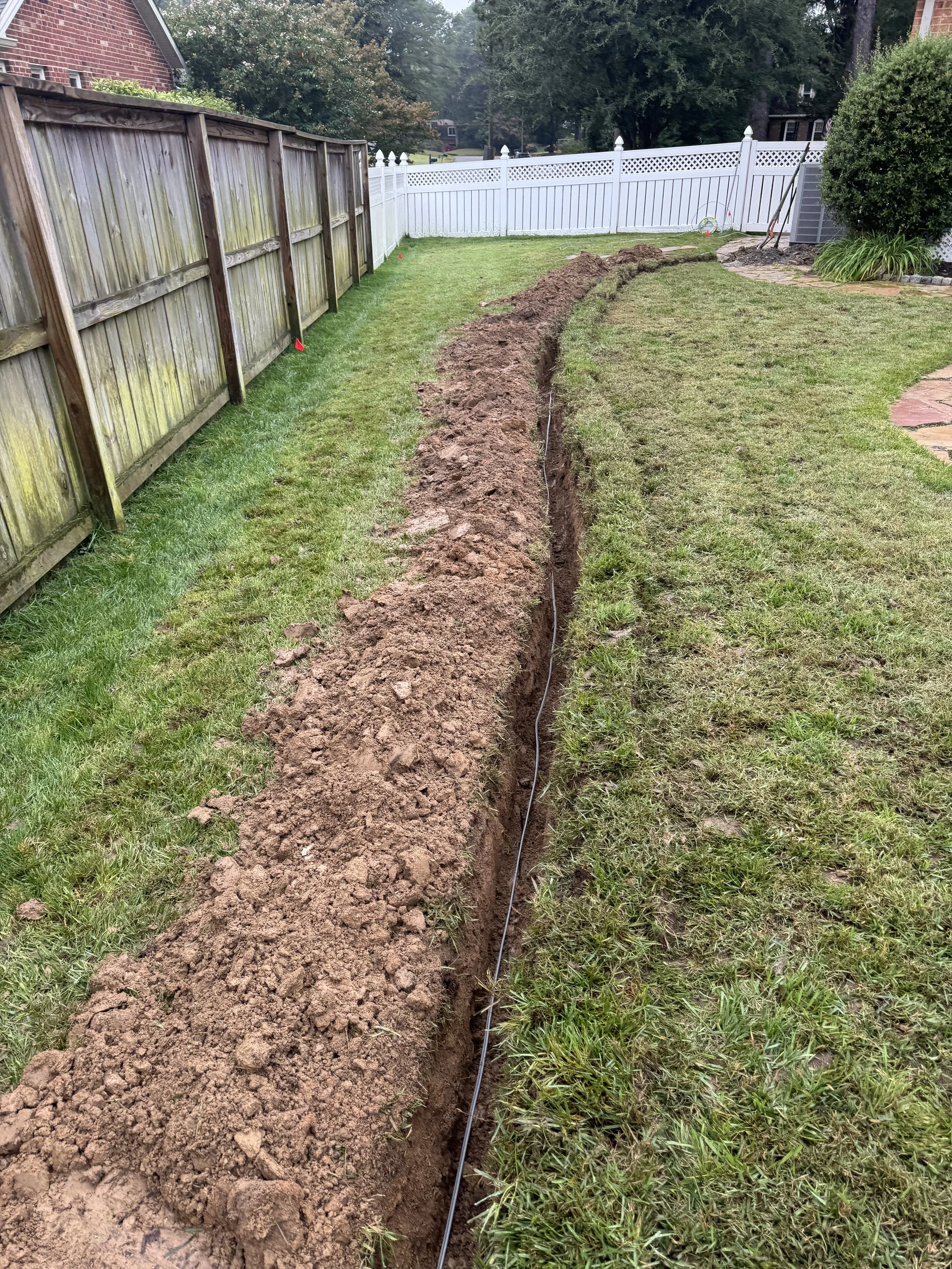
Trench cut across a back lawn for a buried circuit in Norfolk, VA

Google 5.0 Rated by Hampton Roads Customers

Castles Electrical maintains a 5.0 rating on Google. The reviews below load as a live widget, so this page shows current feedback from real Castles Electrical customers.

Leave Us a Google Review

Ready When You Need Us

Start With the Deck and the Tide

Tell us whether the dock is fixed or floating, whether there is a lift or boathouse, and what you want powered.

Office and hours

Based at 2984 S Lynnhaven Road, Suite 104, Virginia Beach, VA 23452.

  • Monday to Friday: 7:00 AM to 10:00 PM
  • Saturday: 7:00 AM to 7:00 PM
  • Sunday: Closed
  • After-hours voice messages are checked, and we take emergency and after-hours calls when we can

Box heights come off the tide line, and the deck has no vote.

Castles Electrical electrician reviewing the job with a homeowner