02 — Unit or Building
Who Usually Handles What in an Attached Home
03 — Default Rule
The Default Rule Behind Unit Owner and Association
Virginia’s Condominium Act sets a starting point. Unless the condominium instruments provide otherwise, the association maintains, repairs, and replaces the common elements, and the unit owner is responsible for the unit.
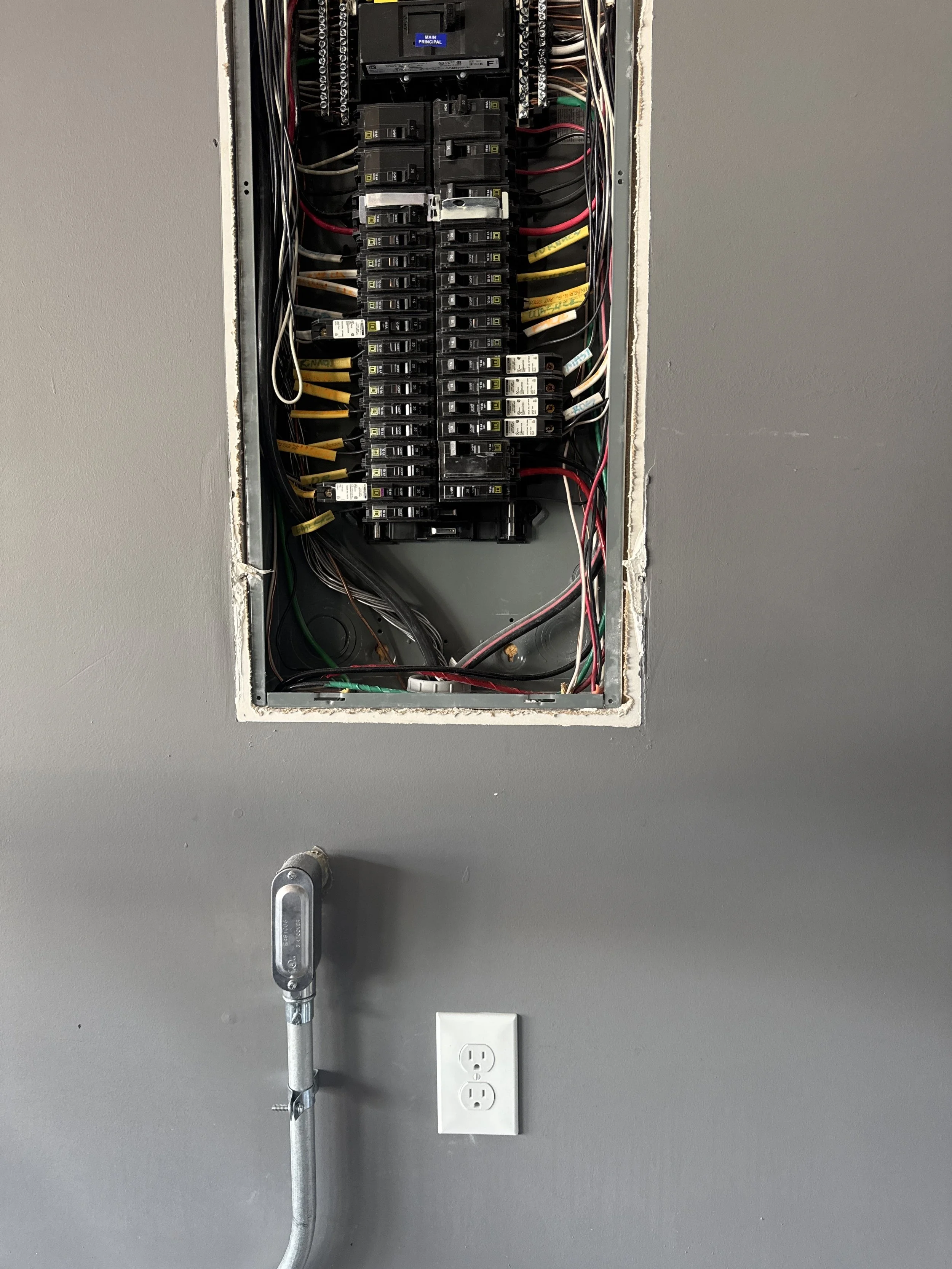
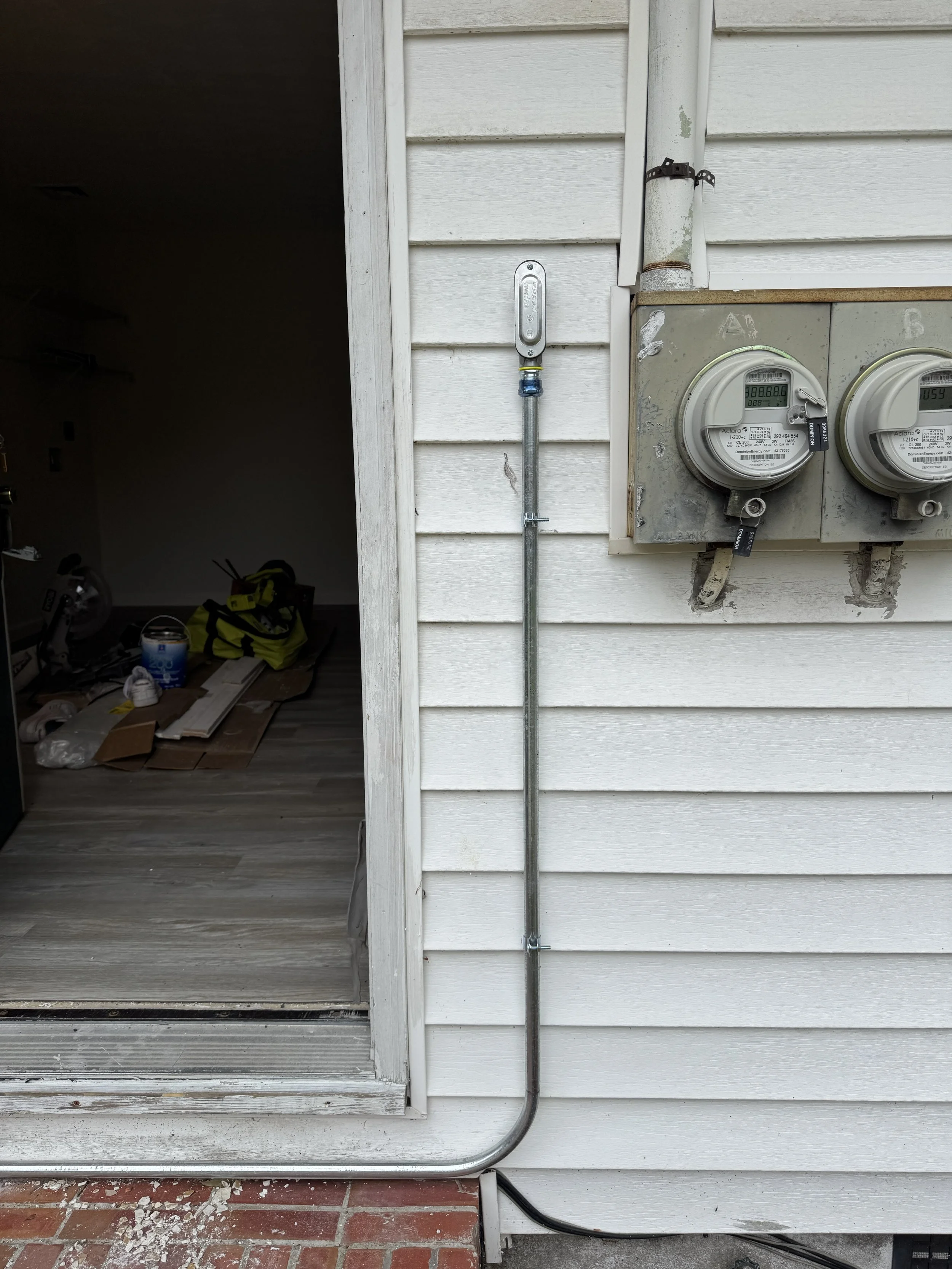
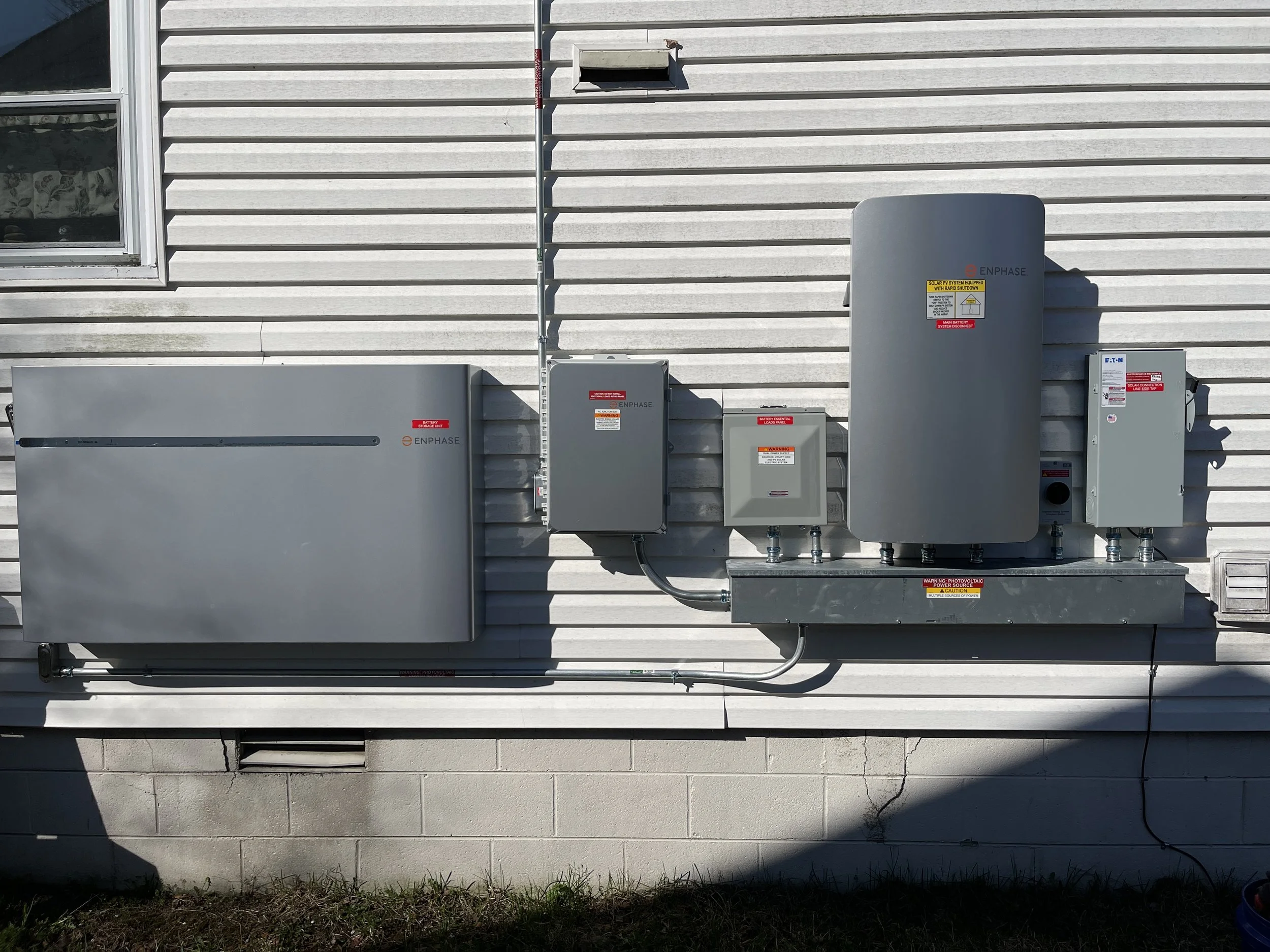
There is an exception. When the need for a repair starts in the common elements, or in equipment located there, the association is responsible. That is why our report notes where a problem appears to start, such as a building feeder or a breaker inside the unit. The condominium instruments and the association settle the final answer. For a building-side problem, start with the association or its manager, who can arrange access to a locked electrical room.
The Act also expects each owner to allow the association reasonable access through the unit. This default applies to condominiums, including townhouse-style condominiums, and to a property owners’ association that is not a condominium, which follows its own governing documents.
04 — Resale Certificate
What a Norfolk Resale Certificate Tells You About Wiring
For most resales in a Virginia condominium or property owners’ association, the Resale Disclosure Act specifies what must be included in the resale certificate. For wiring, the useful parts are the capital projects the association has approved, its reserves and reserve study, and the last six months of approved board minutes.
The certificate also states whether the board has given or received written notice that alterations to the unit break the governing documents, and whether a government agency has sent the board written notice of a building code violation involving the unit or the community that has not been cured.
Those pages can point to electrical projects, such as planned work on the building’s service or a notice about unapproved changes in a unit. The certificate does not test the unit’s panel or circuits, so read it alongside an inspection. Reading the minutes and notices before the visit also tells us which building-side items to look at.
05 — Alarms
Smoke and Carbon Monoxide Alarms in Norfolk Homes and Rentals
The U.S. Fire Administration counts apartments, townhouses, and condominiums as multifamily buildings, which made up 29% of residential building fires from 2017 to 2019. Smoke alarms were present in 64% of the nonconfined fires in those buildings, which is why a unit inspection includes the alarms.
Where Norfolk Fire-Rescue fits
Norfolk Fire-Rescue offers residents a free smoke alarm, installed by the closest fire station, when a home has no working alarm, or its alarm is more than 10 years old. It also reminds renters that landlords are required to provide a working smoke alarm.
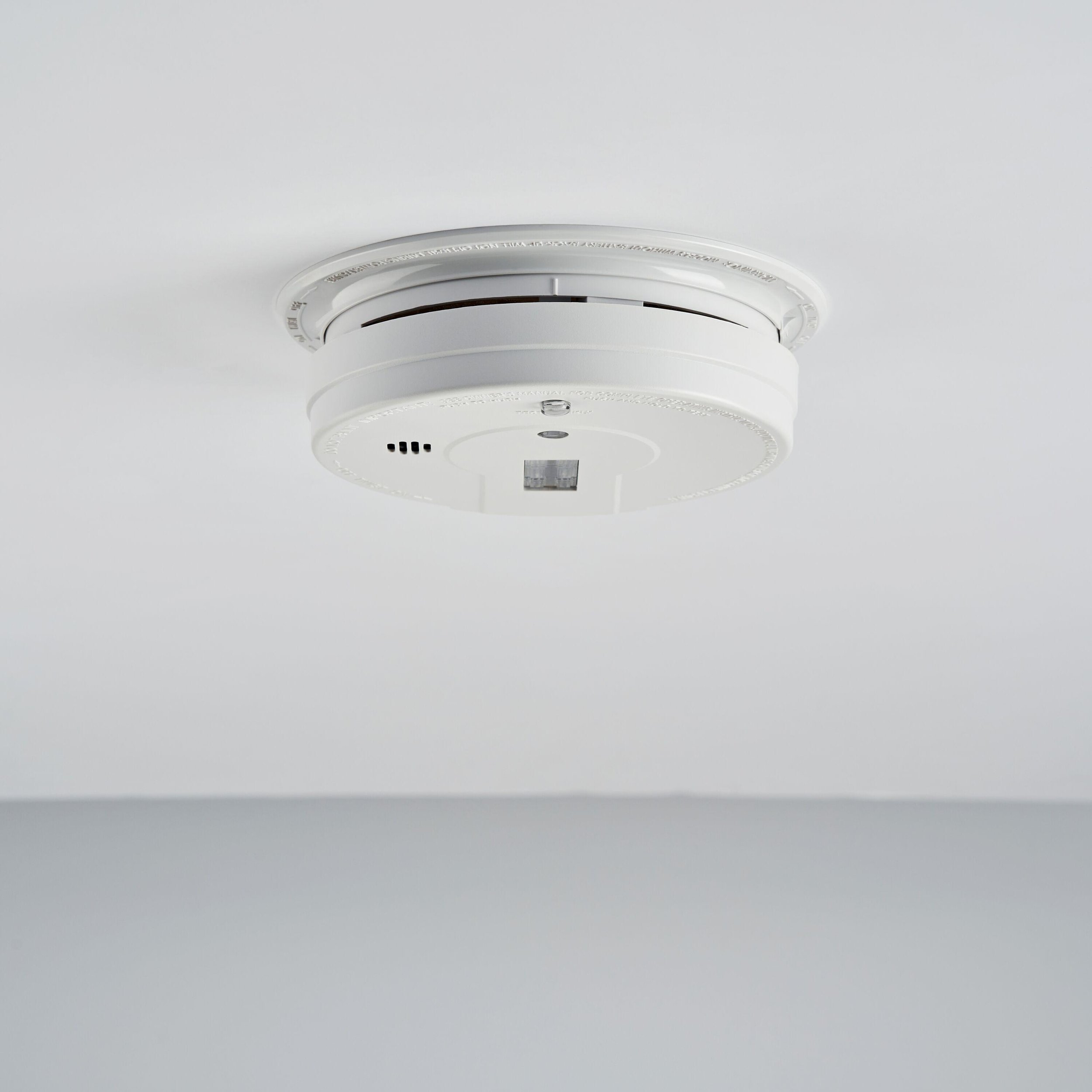
The program provides the alarm. Checking whether existing hardwired alarms are interconnected, powered correctly, and cover every sleeping area is electrical work, and that is where an inspection picks up.
What Virginia’s landlord and tenant law says
The law requires a landlord to give tenants a certificate, no more than once every 12 months, stating that all smoke alarms are present, have been inspected, and are in good working order. The landlord, an employee, or an independent contractor may do that inspection, and for hardwired alarms it is a natural time to confirm power and interconnection.
Tenants have duties too: a tenant may not remove or tamper with a properly functioning smoke or carbon monoxide alarm that the landlord installed, including by removing working batteries.
When a tenant asks in writing for a carbon monoxide alarm, the landlord installs one in the unit within 90 days, to the state building code. The law also calls for at least 72 hours’ notice, unless impractical, before routine maintenance the tenant did not request, so give the tenant notice before inspecting an occupied unit.
06 — Process
How a Norfolk Unit Inspection Runs
Share documents
If you have a resale certificate, past permits, or a list of remodels, send them ahead so we know what changed.
Confirm access
We ask whether the panel is in the unit and whether a shared electrical room needs association access.
Inspect and test
Panel, circuits, receptacles, GFCI protection, alarms, and a thermal scan.
Written findings
Listed by room, with building-side items on a separate list.
07 — Why Castles
Inspections Built for Norfolk Units
Balcony and Patio Outlets
GFCI protection checked outdoors.
Hardwired Alarms Checked
Interconnection and age of smoke alarms.
08 — FAQS
Norfolk Electrical Inspection FAQs
09 — Proof
A Thorough Exam of the Home
One customer’s Google review describes a thorough exam of the home, an electrician who listened to the problem as the owner described it, and a solution laid out in plain terms.
From our five-star Google reviews
Google 5.0 Rated by Hampton Roads Customers
Castles Electrical maintains a 5.0 rating on Google. The reviews below load as a live widget, so this page shows current feedback from real Castles Electrical customers.