02 — Virginia Notice Rules
What Virginia Requires When a Homeowners Policy Ends
Virginia Code Section 38.2-2114 covers owner-occupied homeowners policies. After a new policy’s first 90 days, and for renewal policies, an insurer may cancel only for reasons the statute lists. One is a physical change that makes the property uninsurable, as determined from a physical inspection of the premises. A cancellation or nonrenewal notice must be in writing and given at least 30 days in advance, and it must state the specific reason.
The notice also tells you that you have 10 days from receiving it to ask the Commissioner of Insurance, in writing, to review the insurer’s action, and that you may be eligible for coverage through the Virginia Property Insurance Association. Some policies, including VPIA policies, fall outside this section. For questions about your policy or your rights, talk with your agent or the Bureau of Insurance.
03 — The Specific Reason
Asking for the Reason in Writing
A separate section, 38.2-610, covers adverse underwriting decisions such as a declined application. The insurer or agent either gives the specific reason in writing or tells you that you can get it in writing by asking. You have 90 business days to make that written request, and the answer is due within 21 business days.
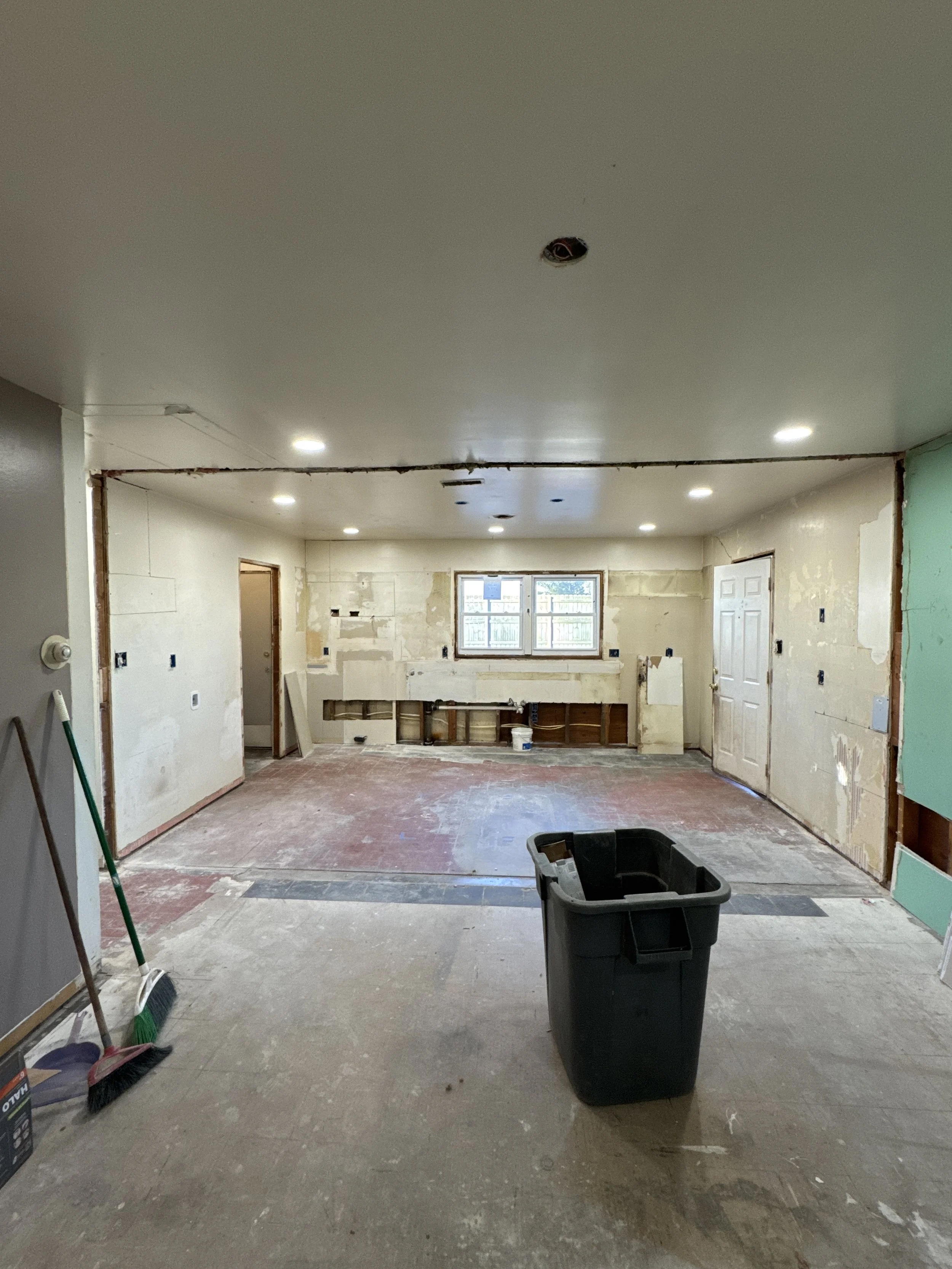
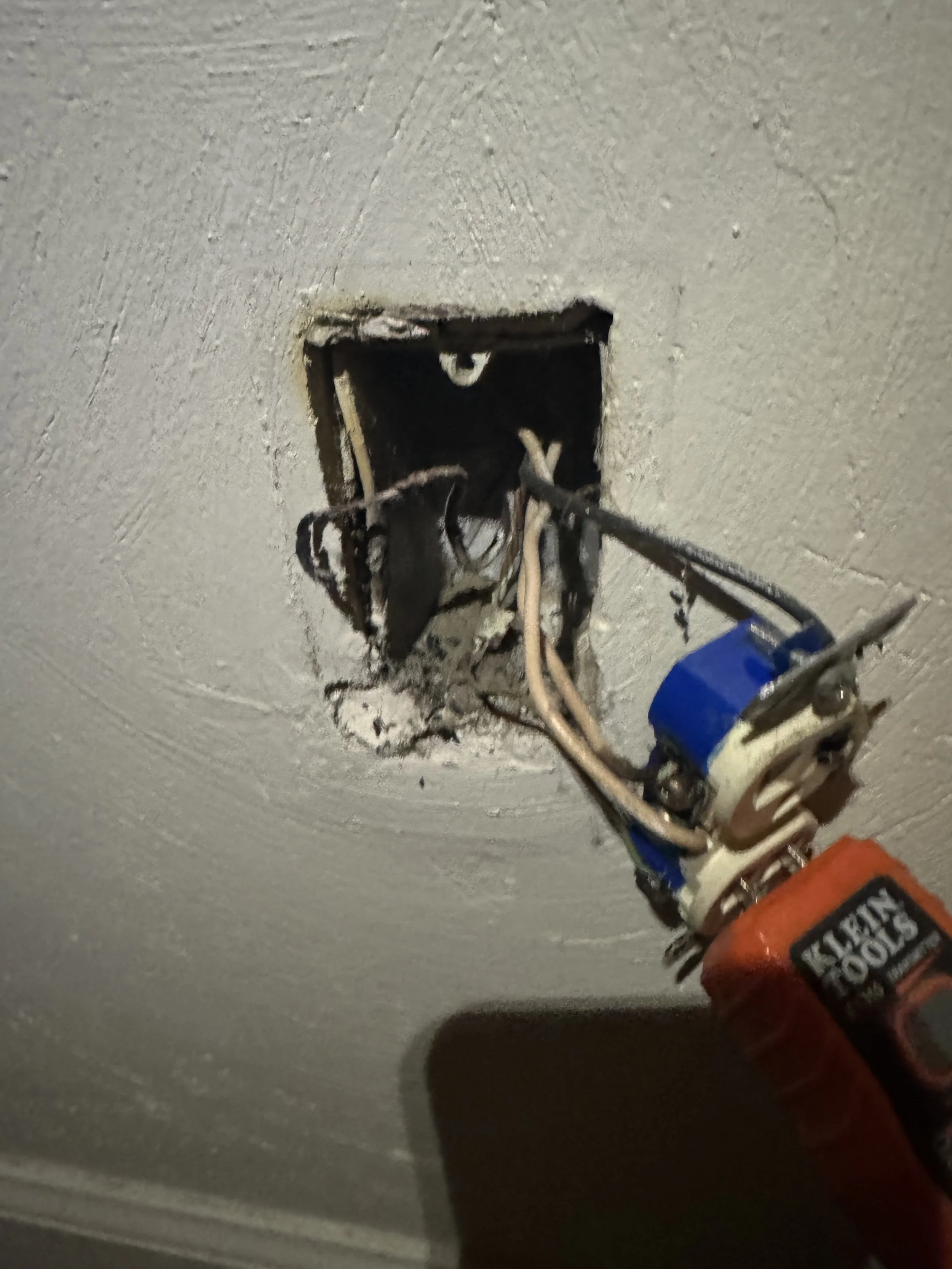
On the wiring side, the exact wording matters. A report that says knob-and-tube could mean circuits still in service, dead wire left on attic joists, or one leftover run behind a closet. The written reason tells us what to verify, including whether the concern is the wire itself or the outlets, switches, and fixtures on those runs, and an electrical safety inspection can confirm what is live before anyone talks about scope.
04 — Residual Market Inspections
What a VPIA Inspection Looks For
The Virginia Property Insurance Association offers limited protection when private coverage is unavailable, and the Bureau of Insurance describes it as a last resort with more limited coverage. VPIA reinspects dwellings periodically.
VPIA’s inspection materials, including a published condition schedule, name electrical conditions such as frayed or unsafe electrical wires and damaged fixtures, receptacles, or switches. Knob-and-tube wiring does not appear by name. Both are conditions an electrician can see and correct, and both can show up in houses still running on original circuits.
Whether a home qualifies is VPIA’s decision. What we control is the condition of the wiring and a clear account of it.
05 — Records
Paperwork That Helps an Agent Understand the House
The assessment comes first. It notes where knob-and-tube was found, which runs are active and which are abandoned, any earlier modifications, and places where insulation sits against old wire.
Replacement is also a chance to match the wiring to how the house is used now. Rooms that rely on extension cords due to a lack of outlets can have additional outlets or circuits added within the same permit scope, and old circuits carrying modern appliance loads can be paired with panel and circuit updates. VPIA says extension cords may not be used permanently, so mention any you rely on during the assessment.
After replacement, you get the permit and the city’s final inspection, along with documentation of the work you can share with your agent.
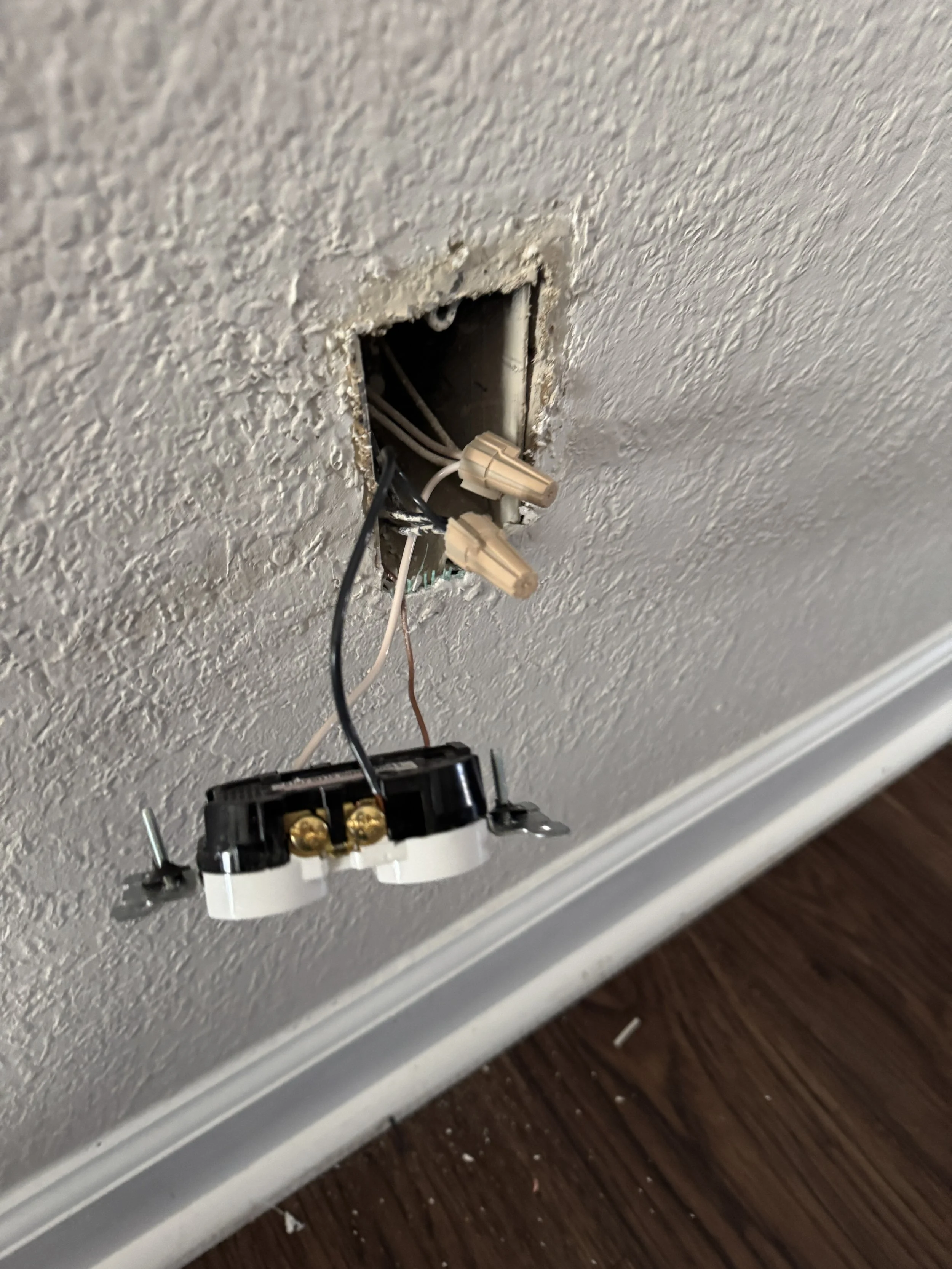
Grounding belongs in that picture too. Replacement circuits run in grounded copper, GFCI and AFCI protection is added where required, and abandoned wire is either removed or confirmed disconnected, so the inspection covers the new work as a whole.
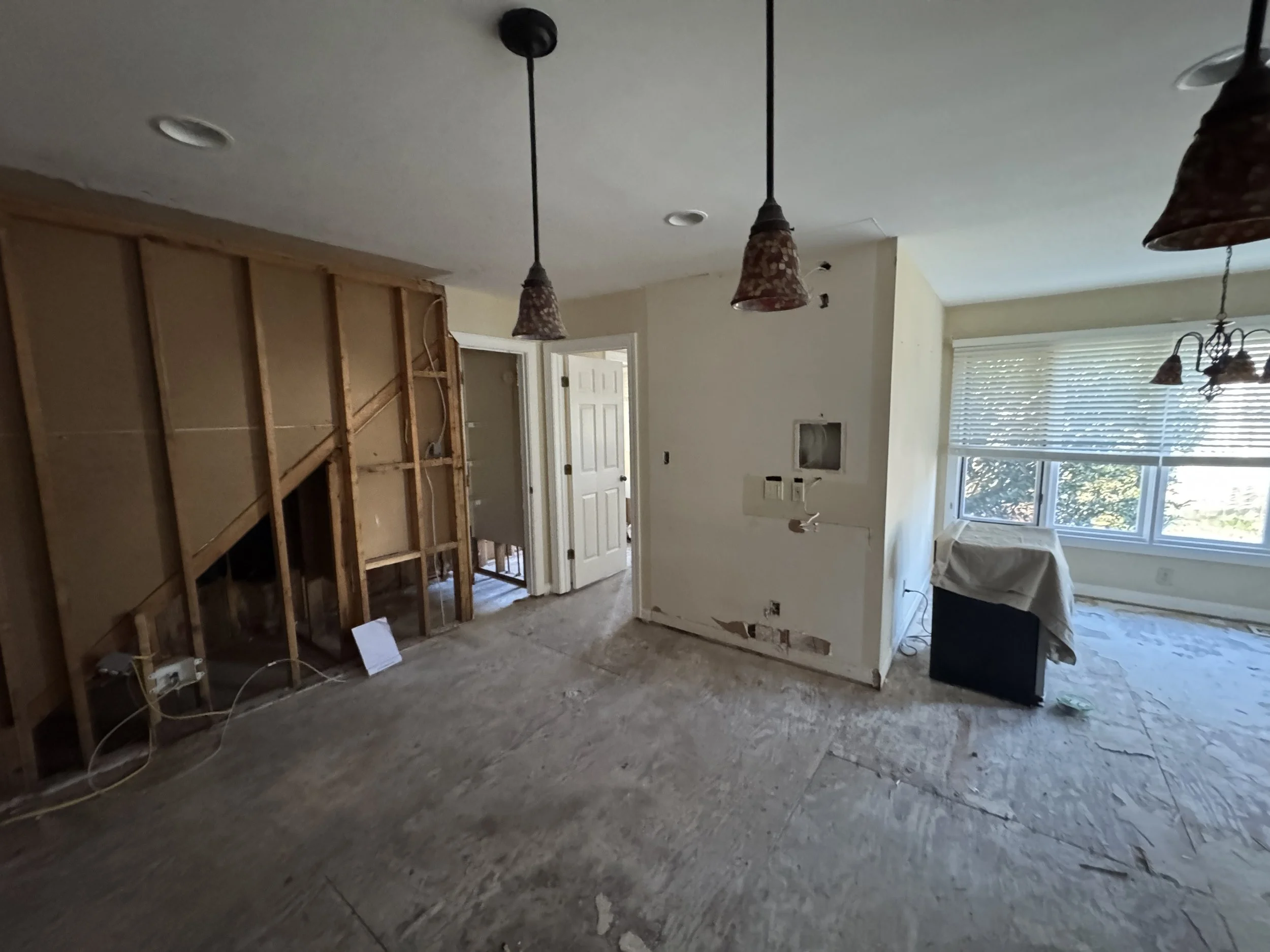
If the work goes room by room, keep track of which areas are finished and which remain, so the description you hand over matches the house. What you tell an agent about the wiring should line up with what the permit and inspection show. For a larger project, whole-home rewiring in Chesapeake can consolidate the remaining circuits into a single plan. Ask your agent what else the company needs to see, since each insurer decides what it accepts.

06 — Process
From the Insurer’s Letter to a Finished Record
Share the stated reason
Call when the letter arrives, and send us the wording your insurer or agent used so the assessment and a written scope are ready for your agent.
Trace the wiring
Knob-and-tube is identified and tested, active and abandoned runs are separated, and earlier modifications are noted.
Written scope
You get a full-home or circuit-by-circuit estimate based on our findings.
Permit and replacement
Grounded copper, new outlets and switches, GFCI and AFCI where required, and abandoned wire safely removed.
The record you hand your agent
The city’s final inspection, then a written account of what was replaced and what was removed.
07 — Why Castles
Written Findings for Your Agent
We say which runs are live and which are dead wire
Active and abandoned knob-and-tube is separated room by room, and the report says which is which.
The scope follows the reason your insurer gave
A stated concern about one area gets its own circuit-by-circuit scope, written beside the whole-house scope.
08 — FAQS
Chesapeake Knob-and-Tube and Insurance FAQs
09 — Proof
Ground-Wire and Wiring Work on Google
A customer’s review describes ground-wire and wiring work on an existing home, which is the correction a knob-and-tube replacement ends with. Read it in the feed below.
From our five-star Google reviews
Google 5.0 Rated by Hampton Roads Customers
Castles Electrical maintains a 5.0 rating on Google. The reviews below load as a live widget, so this page shows current feedback from real Castles Electrical customers.