02 — Report Key
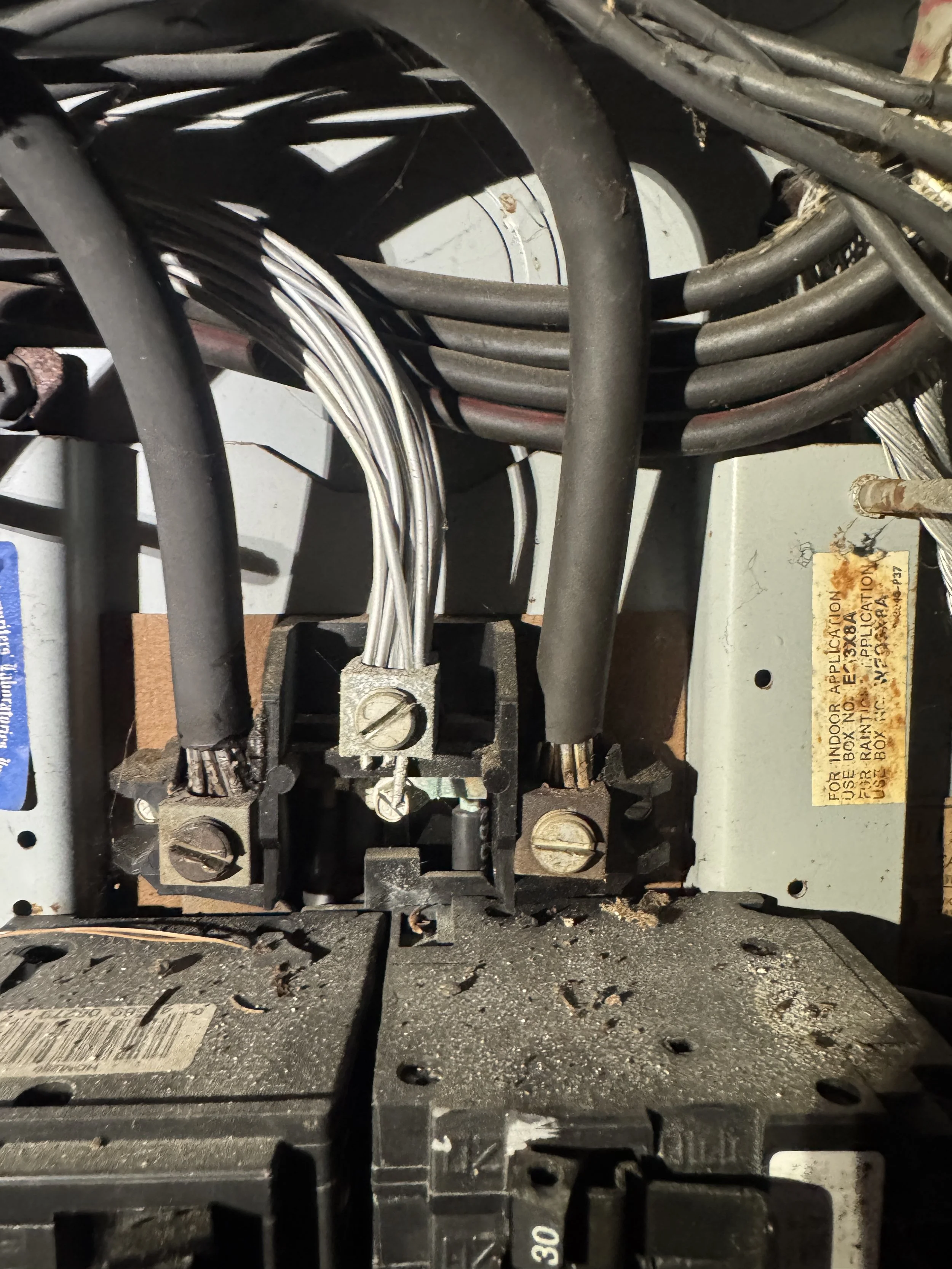
How Findings Are Labeled in Your Report
03 — Why Inspect
Where Home Electrical Fires Start
In 2023, residential buildings experienced an estimated 23,700 electrical malfunction fires nationwide, resulting in 305 deaths and 800 injuries, according to the U.S. Fire Administration. From 2014 through 2023, those fires rose 2% while deaths fell 19%.
The National Fire Protection Association, which uses a different counting method, looked at how home electrical fires began from 2020 to 2024. The largest share, 47%, involved electrical distribution, lighting, or power transfer equipment. Another 29% began in structural areas, including an attic or ceiling and roof assembly (9%) and a wall assembly (6%).
Attics and wall cavities are places most owners rarely look, which is why the visit includes the attic and a thermal scan under load. Chesapeake Fire Prevention requires smoke detectors in dwelling units with sleeping areas under the Statewide Fire Prevention Code, so the report also notes whether alarms cover those rooms.
04 — Home Inspection
Your Home Inspector’s Report and Ours
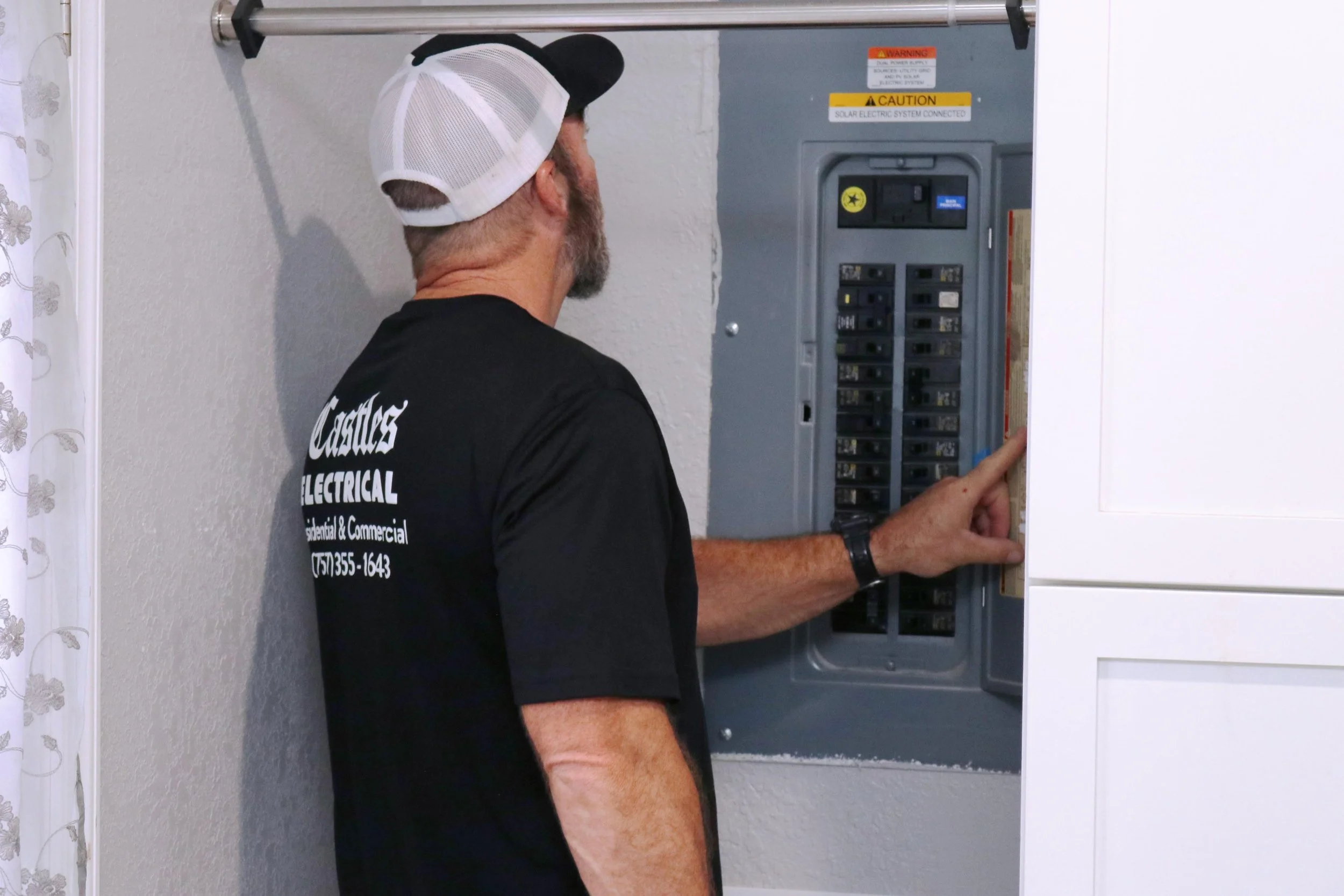
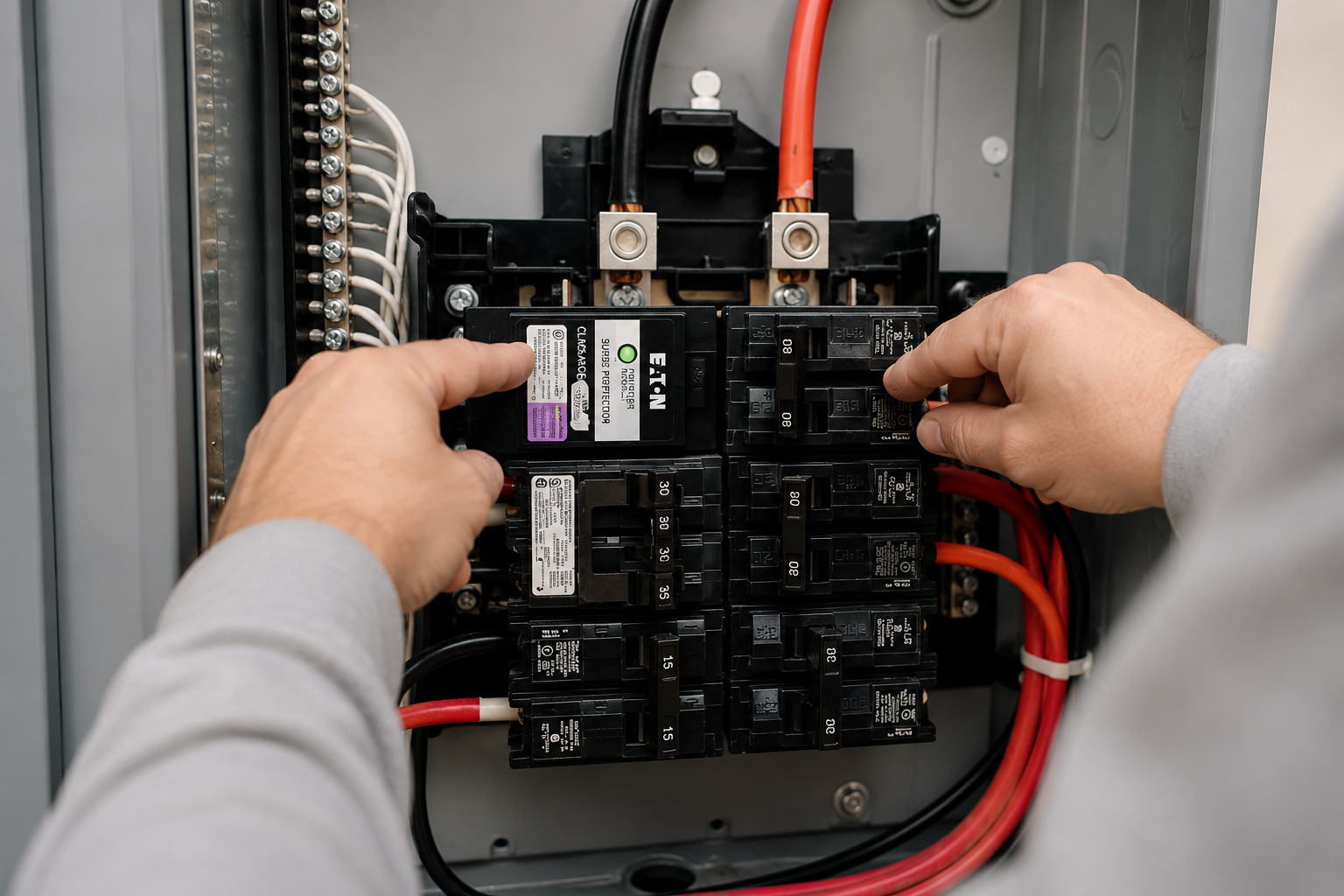
Virginia licenses home inspectors, and state rules define a home inspection as a written evaluation of a home’s readily accessible components, meaning ones that can be reached without moving obstacles. On the electrical side, the report covers the service, main disconnect, grounding, panel interiors, conductors, breakers or fuses, fixtures, switches, receptacles, and GFCIs.
The rules also require a report recommending smoke alarms on each level and in every bedroom or sleeping area. It notes whether smoke or carbon monoxide alarms are present and whether solid aluminum branch wiring is present. Arc-fault devices are noted if installed, but they are not tested when equipment is attached to them.
When a component cannot be inspected, the home inspection report has to identify it and explain why. That list of gaps is a useful one to share with us before the visit.
A home inspector covers the whole house, from the roof to the plumbing. Our inspection spends the entire visit on the electrical system, includes a thermal scan under load, and closely reviews any electrical item the home inspector flagged. A note in that report is a common reason to call an electrician, and the two reports work well side by side.
05 — Selling
Selling in Chesapeake: What the Disclosure Form Leaves Out
Under Virginia’s Residential Property Disclosure Act, the seller’s disclosure statement is a buyer-beware form. It states that the owner makes no representations or warranties regarding the property’s condition and advises buyers to exercise whatever due diligence they choose, including a home inspection, before settlement.
That means the form does not describe the condition of a Chesapeake home’s wiring. A buyer learns about the electrical system through inspections and the disclosures the Act requires are due before the purchase contract is ratified.
A pre-listing inspection shows a seller the electrical items a buyer’s inspector may also raise, while there is still time to schedule repairs, which means booking the visit before the listing goes live. Which items to fix and how to handle the rest are decisions for you and your agent or attorney.
06 — Permit Records
Looking Up Past Permits for a Chesapeake Address
Chesapeake keeps building permit records in eBUILD, the city’s online permit portal. Its record search finds permits by address, parcel, permit number, project name, or licensed professional. The city suggests entering just the street number and street name, and checking the date range fields when expected results do not appear.
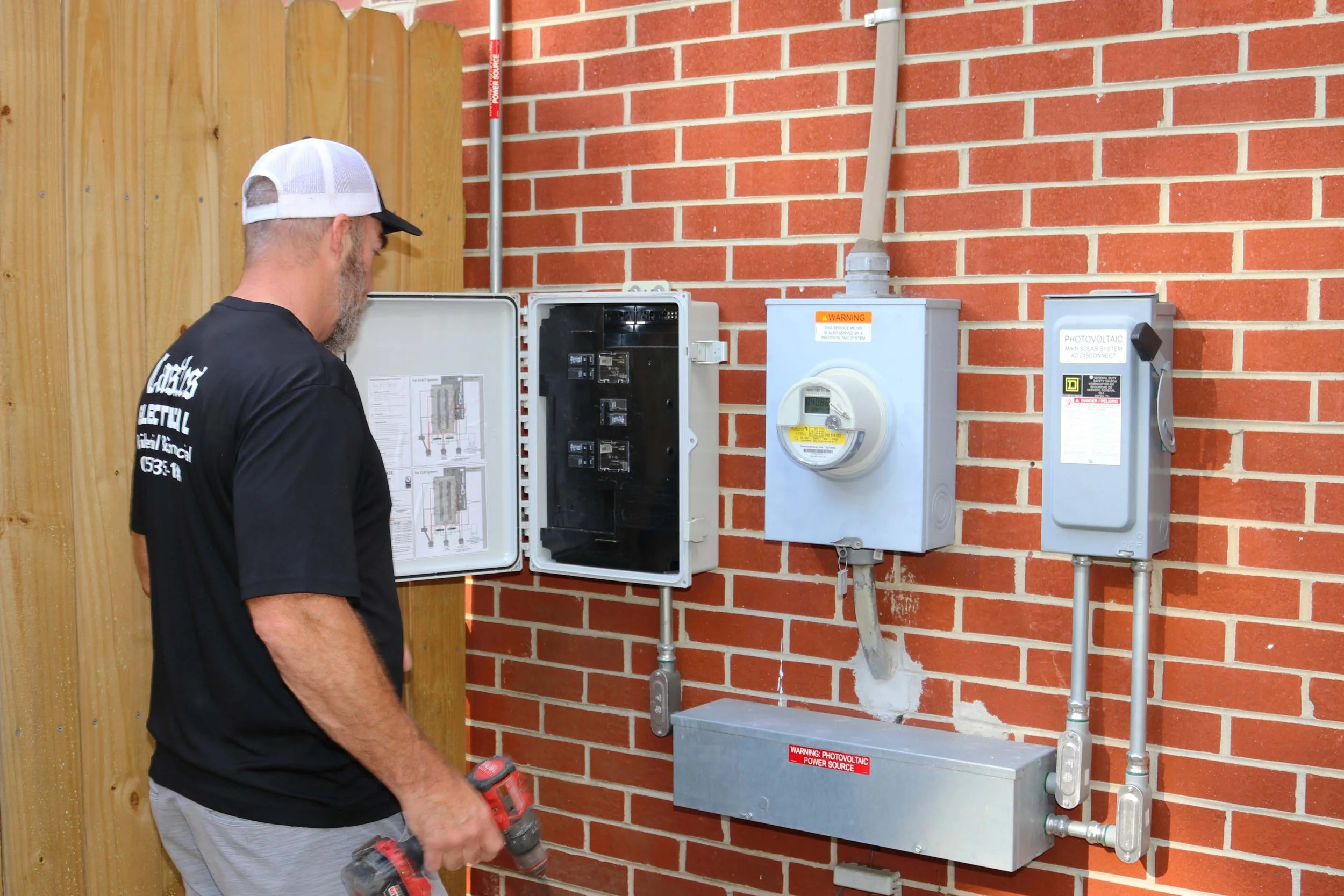
Record types include residential electrical, alteration, and addition permits, so an owner or buyer can often check whether a panel change, an addition, or a remodel has a permit on record. The portal also offers inspection history summaries.
A newer panel or a finished garage with no matching electrical permit is a reason for us to look harder at that work. We report the conditions we observe, and questions about permits for past work are for the city.
07 — FAQS
Chesapeake Electrical Inspection FAQs
08 — Why Castles
What a Chesapeake Inspection Gives You
The report walks the house room by room
Each finding is placed where it was found and written in plain words.
The person inspecting is one of our own electricians
Master and Class B licensed, in-house, and never a subcontractor.
09 — Proof
An Inspection Customer on Google
A customer who hired us for an electrical inspection and related panel work said the electrician went above and beyond expectations.
From our five-star Google reviews
Google 5.0 Rated by Hampton Roads Customers
Castles Electrical maintains a 5.0 rating on Google. The reviews below load as a live widget, so this page shows current feedback from real Castles Electrical customers.