02 — Choosing the Method
Copper Replacement or Listed Connectors: How the Choice Gets Made
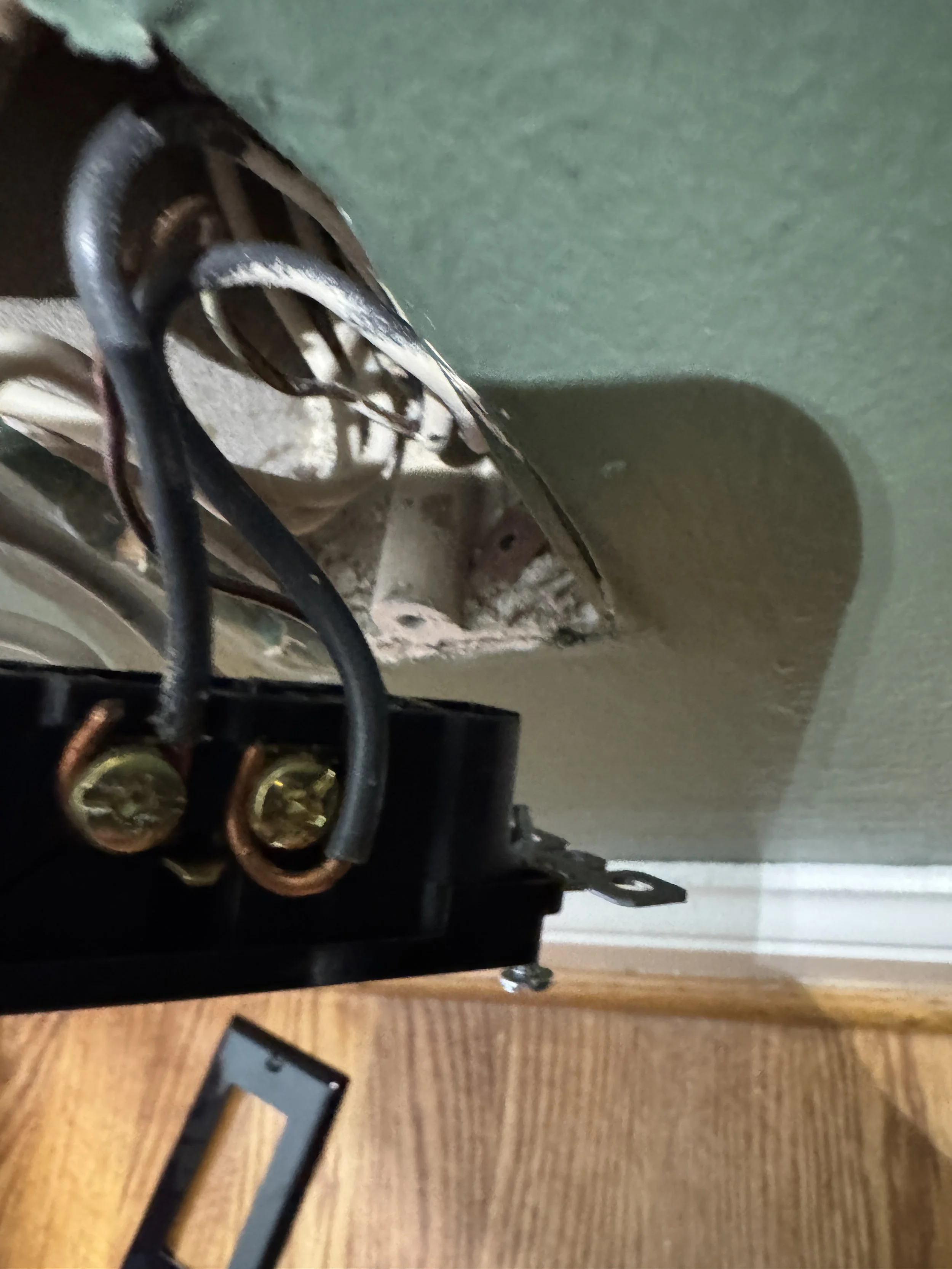
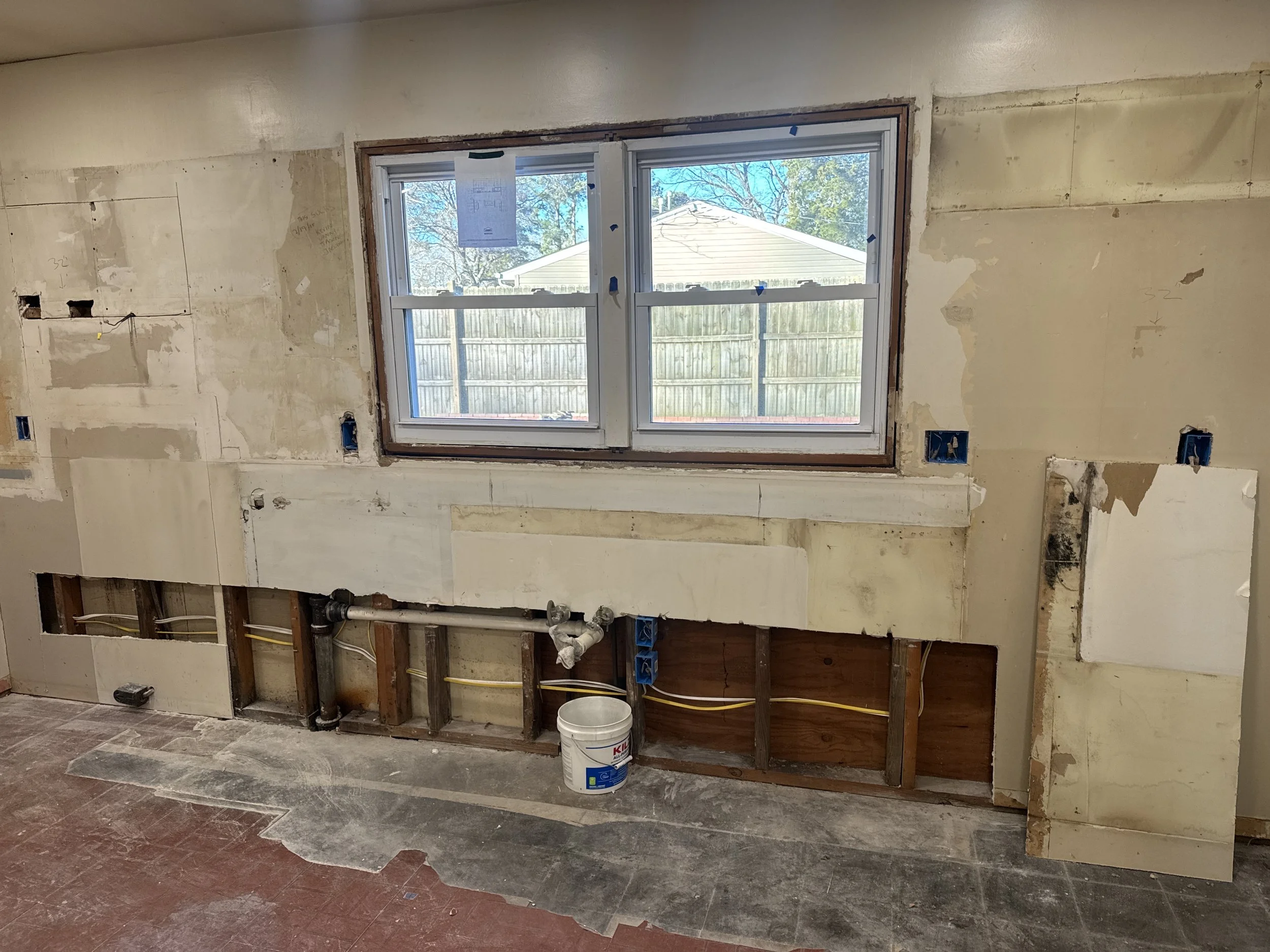
The amount of aluminum is the first factor. A house with a few aluminum circuits left from the original build points one way, and a house wired in aluminum throughout points another. Attic and crawlspace access matters next, since it decides how easily copper can be fished to each room.
Remodel plans count too. Walls that will be opened for a kitchen or bath are a natural time for copper. Copper also does not have to be all-or-nothing, since circuits can be rewired one at a time while others keep a connector repair. For a full copper project, see our page on whole-home rewiring in Chesapeake.
03 — The Code
What Virginia’s Code Says About Joining Aluminum and Copper
Chesapeake’s Department of Development and Permits enforces Virginia’s 2021 statewide building code, and the electrical inspector who signs off on your scope reads it. Its electrical rules follow the 2020 National Electrical Code, and three of them shape almost every aluminum repair. The 2023 NEC is not in effect in Virginia, so its section numbers do not govern work here.
Identified for the metals
Section E3406.8 requires that a connector be identified for the metals it joins. Copper and aluminum can meet inside it only when it is listed for that use. The same limit covers copper-clad aluminum touching either copper or aluminum.
Terminals and splices
Section E3406.10 states that terminals for aluminum must be identified for the application, and Section E3406.11 states that splices require devices listed for the purpose. A connector that simply fits on the wires does not meet that bar.
04 — Code Checklist
Code Rules at a Glance
05 — Listed Connectors
A Listed Connector Comes With Its Own Rules
Section E3403.3 requires listed equipment to be installed and used in accordance with any instructions included in its listing and labeling. For an aluminum repair, the instruction sheet in the package carries code weight.
Splicing connectors for mixed metals are tested to UL 486C, the standard for connectors used with copper and aluminum conductors. The listing indicates that an inspector evaluated the connector for the job.
One published example
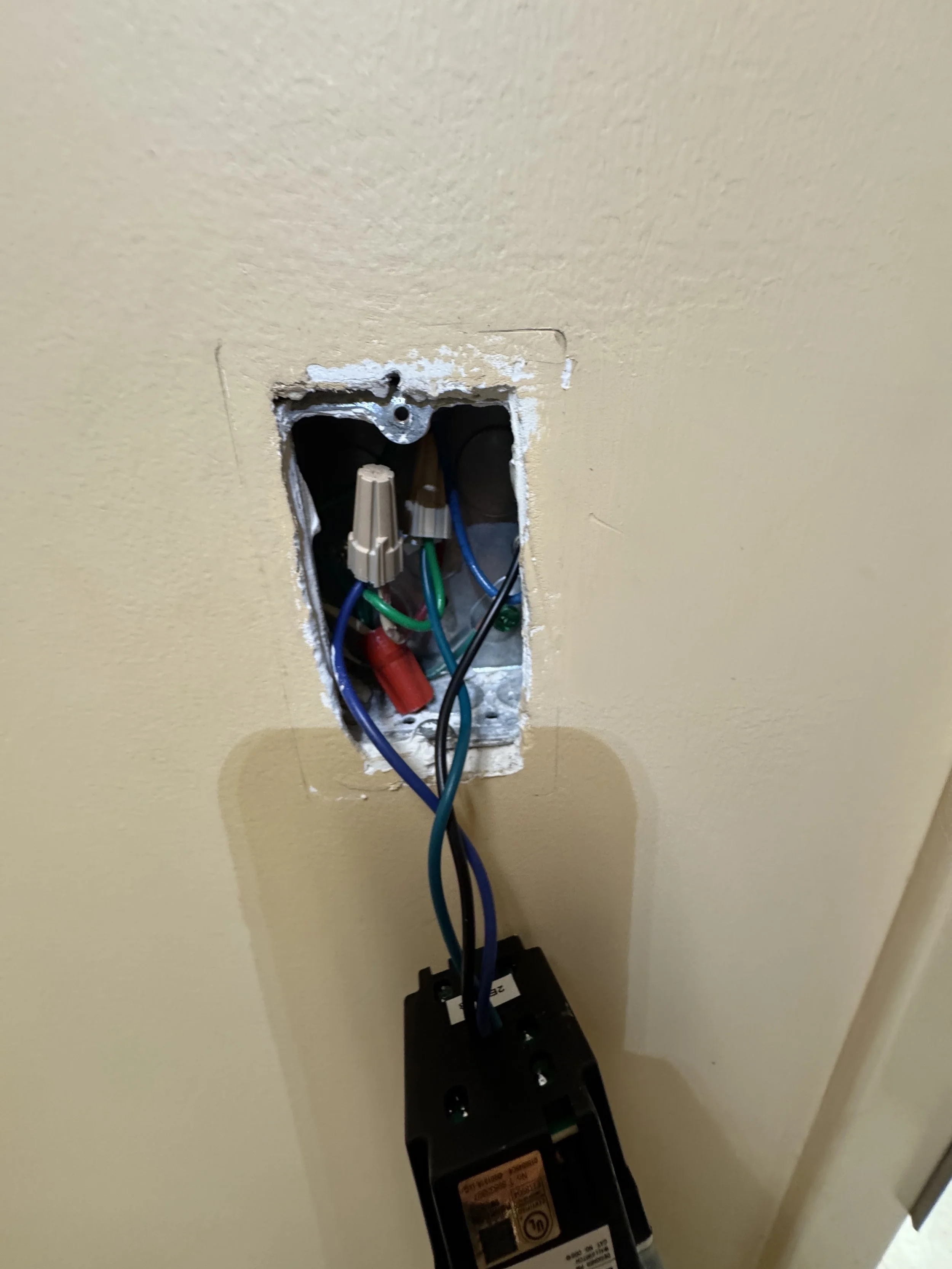
King Innovation’s AlumiConn is a listed connector, with its instructions printed on the spec sheet under the heading "UL listed installation instructions". They set a 5/16-inch strip length, require each conductor to be fully seated, allow one conductor per port, and note that the ports contain a layer of corrosion inhibitor.
The sheet says it is sold only with those instructions. Other listed connectors have their own steps, and we follow the ones printed for the product in hand.
06 — Torque
Why Tightness Follows a Printed Number
Section E3406.12 states that the tightening torque for terminal connections is as specified by the equipment or the manufacturer’s instructions, and an approved means must be used to reach it. In practice, that points to a tool that reads torque rather than a feel for tightness.
AlumiConn’s sheet shows why. The set-screw value changes with the wire size and metal, so one setting does not fit every box. The sheet warns against over-torquing and says ignoring the torque instructions can result in failure.
07 — Panel Terminations
Larger Aluminum Conductors at the Panel
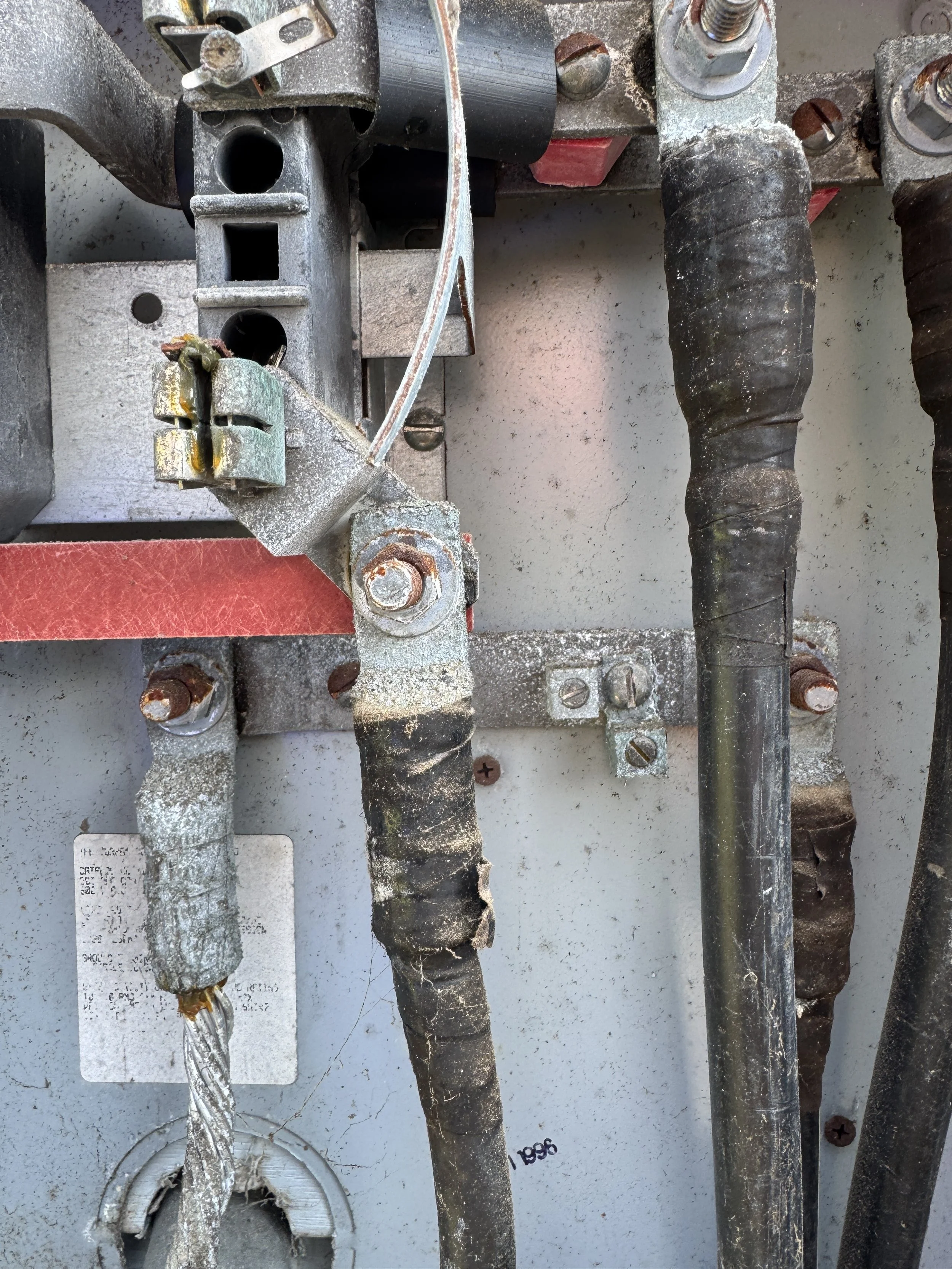
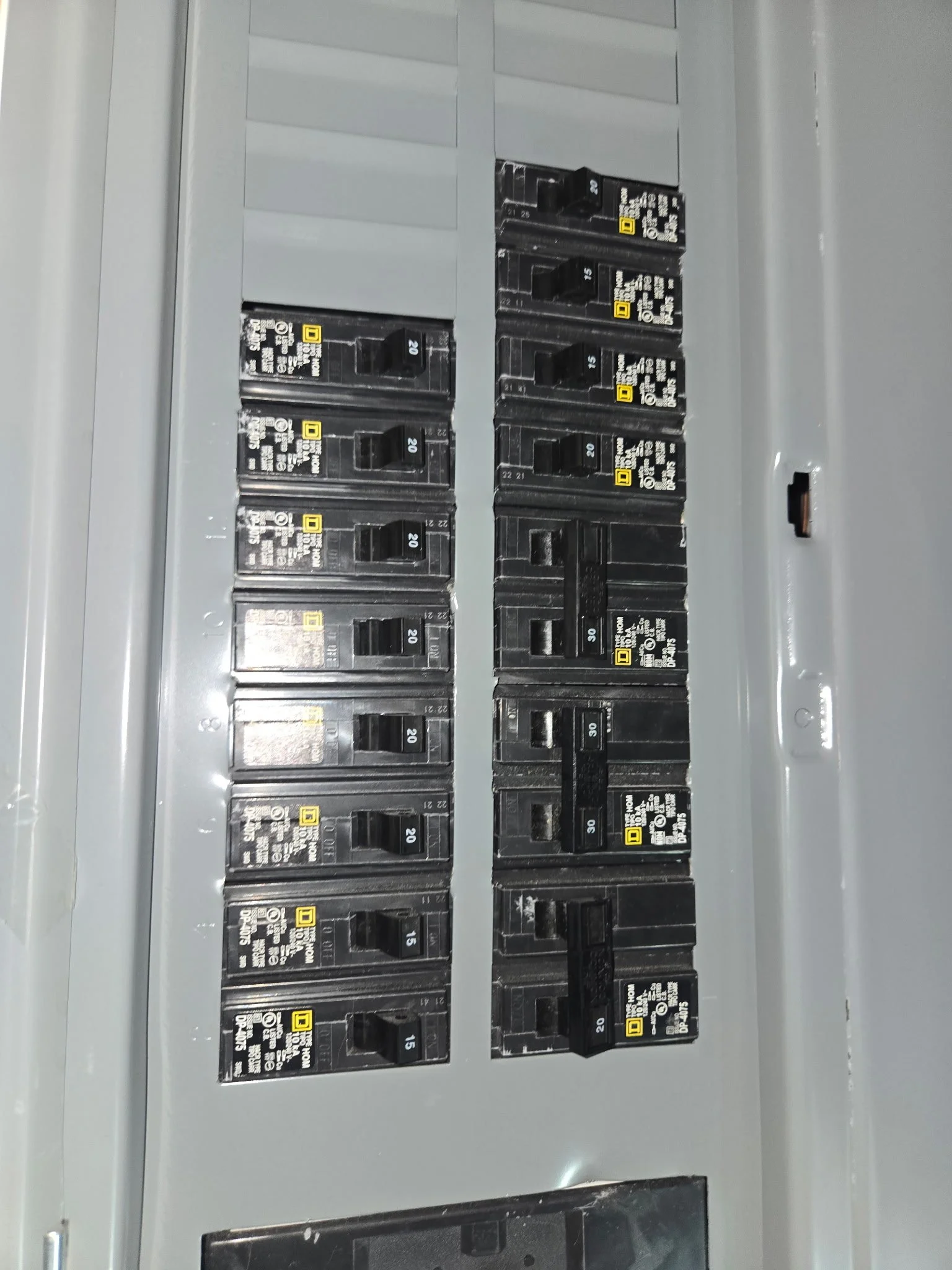
The same identification and torque rules cover breaker terminals and panel lugs, so larger aluminum conductors to a range, dryer, or feeder are part of the evaluation. When a panel upgrade is planned, we coordinate it with the branch-circuit repairs so the panel is opened once.
Section E3406.10 also requires terminals that hold more than one conductor to be identified for that use, which matters wherever a lug or terminal carries two wires.
08 — Inspection
Why Remediation Is Inspected Even When Walls Stay Closed
Section E3401.4 of Virginia’s residential code requires any alteration to an existing electrical system to conform to its electrical chapters, 34 through 43, and Section E3403.2 has the building official inspect new work and the parts of an existing system it affects for compliance with those same chapters.
Copper replacement is wiring work that is covered by an electrical permit. For a connector-only scope, we ask Chesapeake’s permit office which permit applies and handle the permit and inspection.
Our written scope lists the circuits and the method for each, so the inspector and the homeowner are reading the same record.
09 — Why Castles
How Castles Handles Aluminum Connections
Branch and feeder aluminum get separate answers
A bedroom circuit and a range feeder end in different devices, so they are assessed apart.
Earlier repairs get read, not assumed
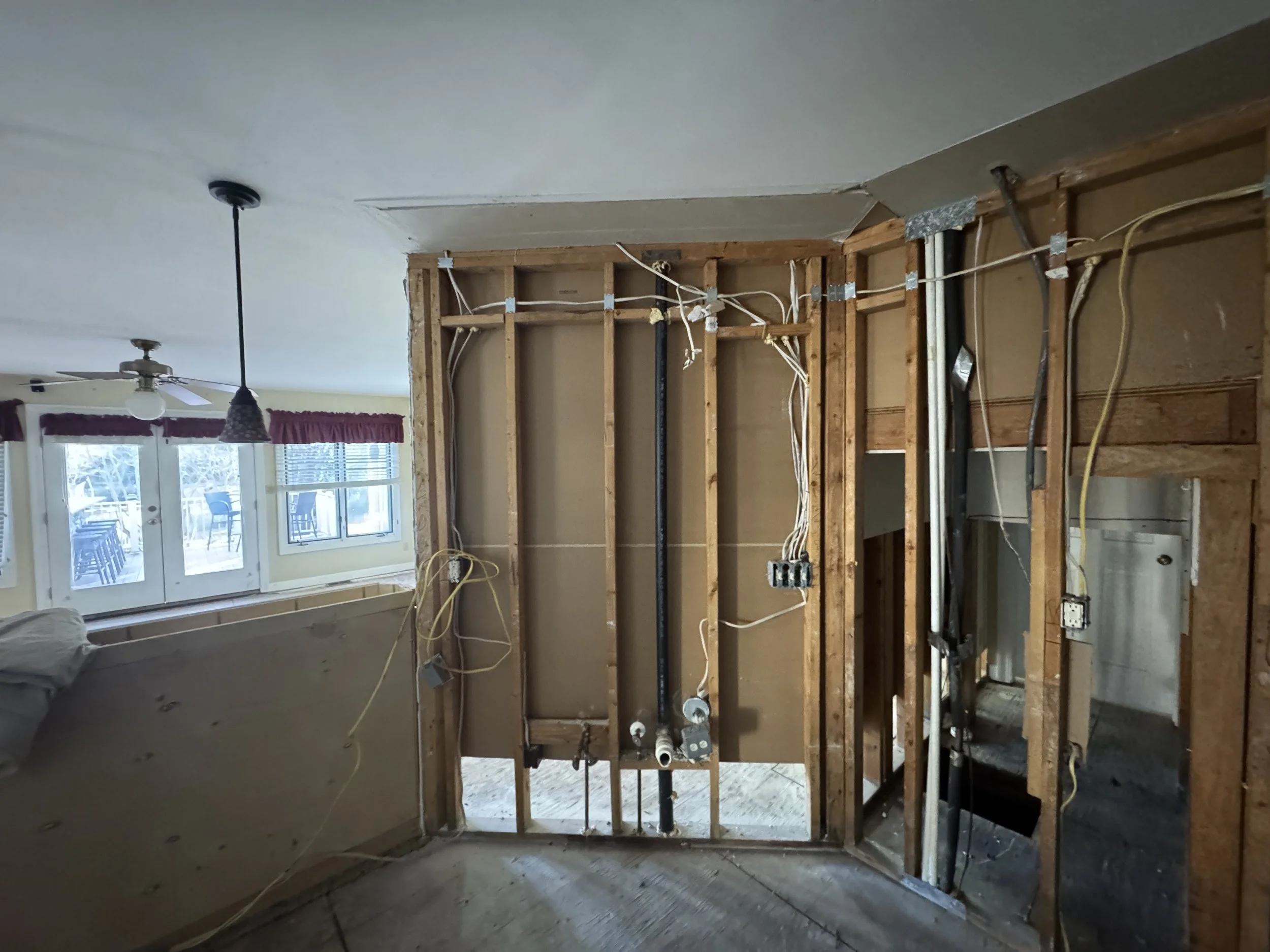
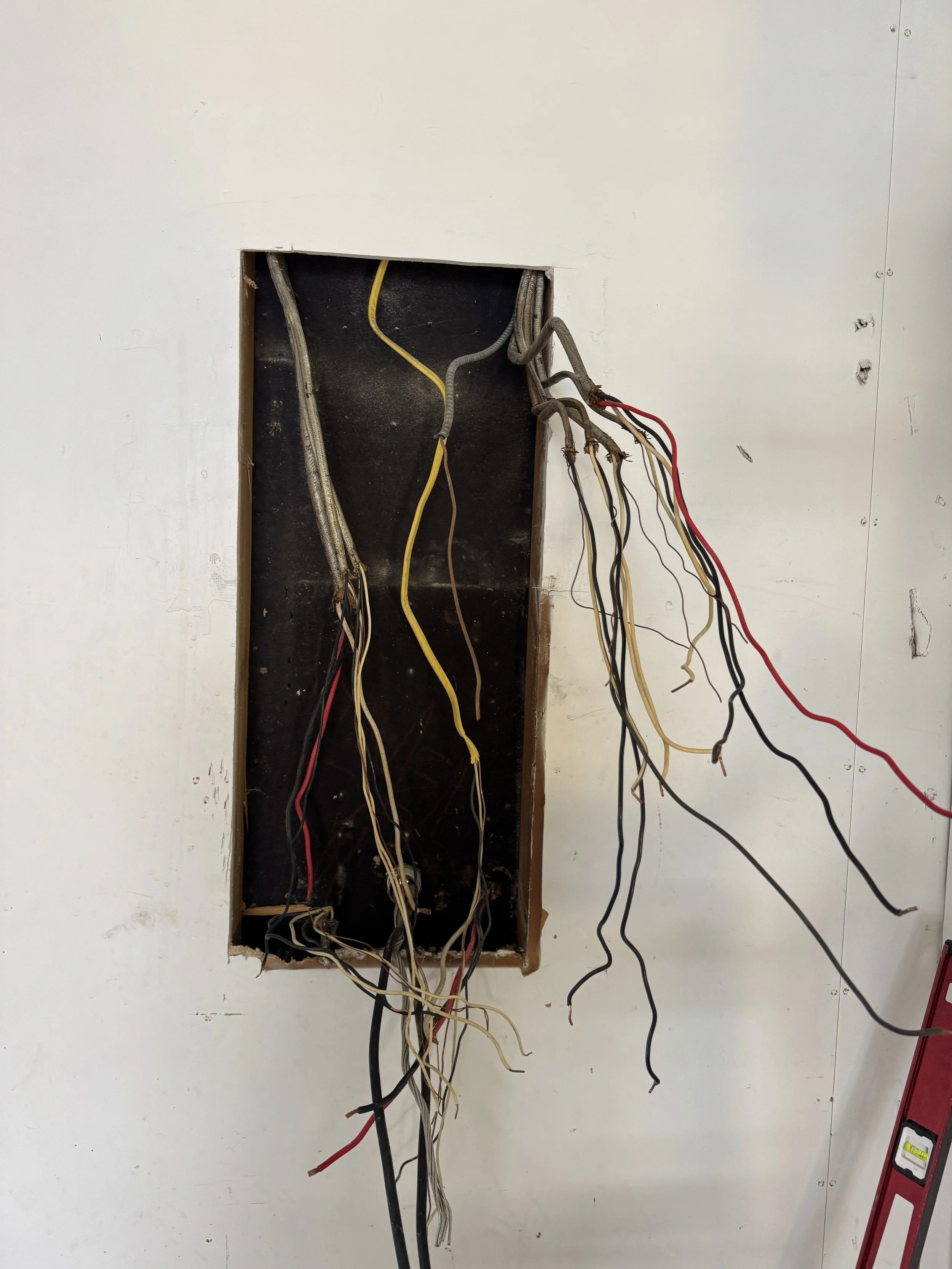
Where a previous splice or pigtail turns up in a box, it goes on the written scope with the required method.
10 — Process
Aluminum Wiring Work, Box by Box
Assessment
The panel and wiring have been assessed, and the branch and feeder aluminum have been identified.
Method chosen circuit by circuit
Each circuit is listed with its method, copper replacement or a listed connector, in a free installation estimate.
Check with the permit office
We ask Chesapeake’s Department of Development and Permits which permit a connector-only scope needs, then file it.
Terminations
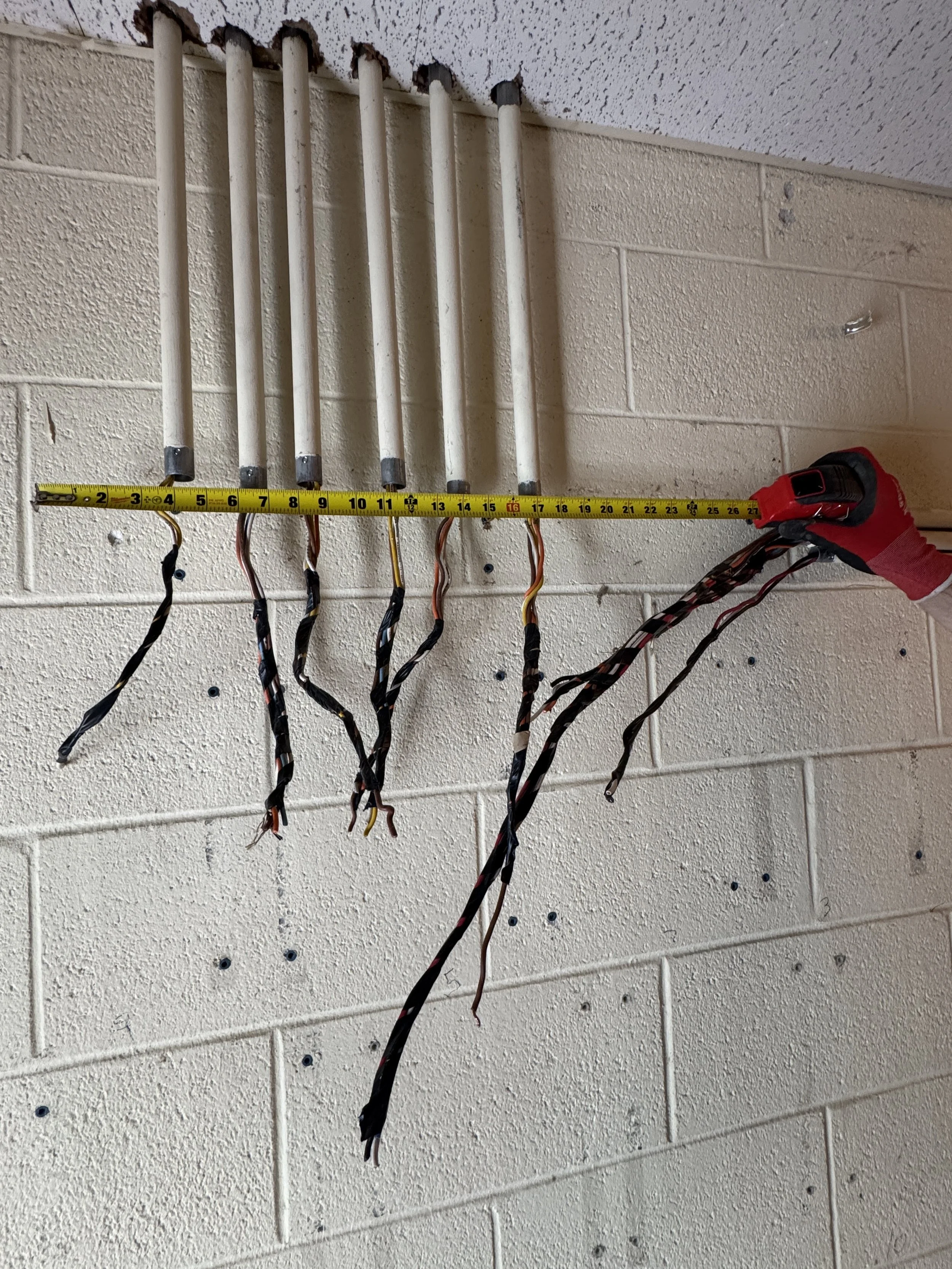
Each connection follows the instructions printed on the connector in hand, which set the strip length, how the conductors seat, and any torque value specified by the device.
Final check
Altered work is inspected, and you keep the finished scope.
11 — FAQS
Chesapeake Aluminum Wiring FAQs
12 — Proof
A Wiring Repair Customer on Google
One customer’s review describes wiring repair work completed cleanly, with no trouble since.
From our five-star Google reviews
Google 5.0 Rated by Hampton Roads Customers
Castles Electrical maintains a 5.0 rating on Google. The reviews below load as a live widget, so this page shows current feedback from real Castles Electrical customers.