01 — Deferral
When the Energy Upgrade Stops at the Attic
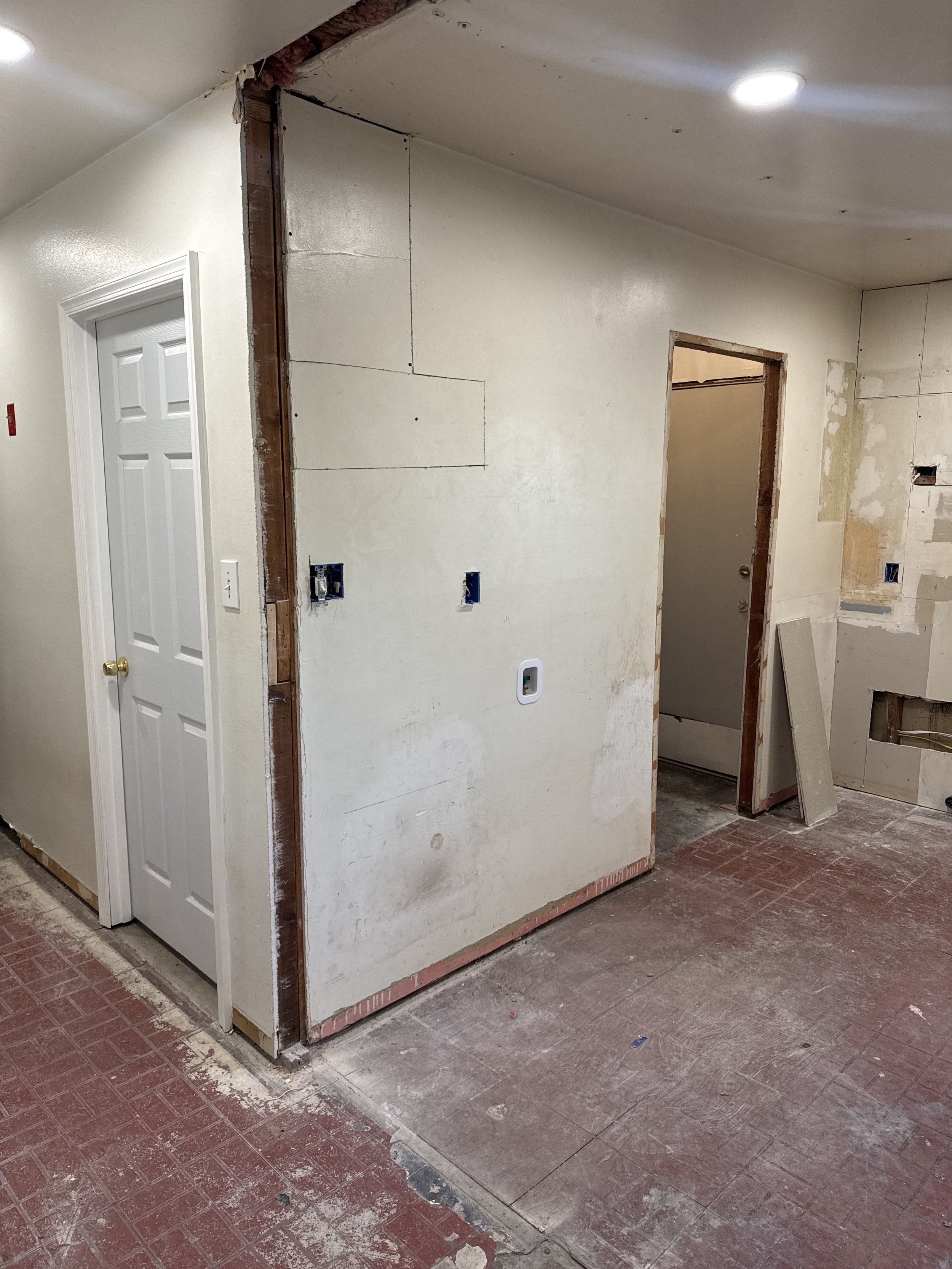
Virginia’s Department of Housing and Community Development runs a Weatherization Deferral Repair program for income-eligible homes held back from the state’s Weatherization Assistance Program, arranged through the local weatherization provider. Once the repairs are made, those homes can move on to measures such as insulation, air sealing, efficient light bulbs, and carbon monoxide detectors.
The program manual lists the electrical repairs it covers, and one example says: cannot insulate due to presence of knob and tube wiring. It appears beside exposed or hazardous wiring and service panel upgrades.
What a deferral letter means
The state’s weatherization operations manual says homes are deferred when disrepair, health, or safety conditions prevent key weatherization measures, and that the household must be told about the deferral in writing. A letter that identifies knob-and-tube tells you which wiring must be handled first.
An insulation company you hire privately may also ask for live knob-and-tube to be handled first, so the steps on this page apply whether the upgrade is program work or a job you arranged yourself.
Energy assessments in Virginia come from several directions, including utility programs and the state’s local weatherization providers. When the assessor flags wiring, send us the note, and we take the electrical follow-up from there.
03 — Code
The Code Detail Behind the Insulation Hold
Section 394.12 of the National Electrical Code lists places where concealed knob-and-tube is not permitted, including hollow walls, ceilings, and attics insulated with material that envelops the conductors. Virginia’s building code adopts the 2020 edition statewide.
For a Norfolk house, the practical answer comes from the building official and the insulation contractor, and we start from what is actually in the cavities scheduled for insulation.
04 — Clearing a Cavity
Removed or Decommissioned: Two Ways to Clear a Cavity
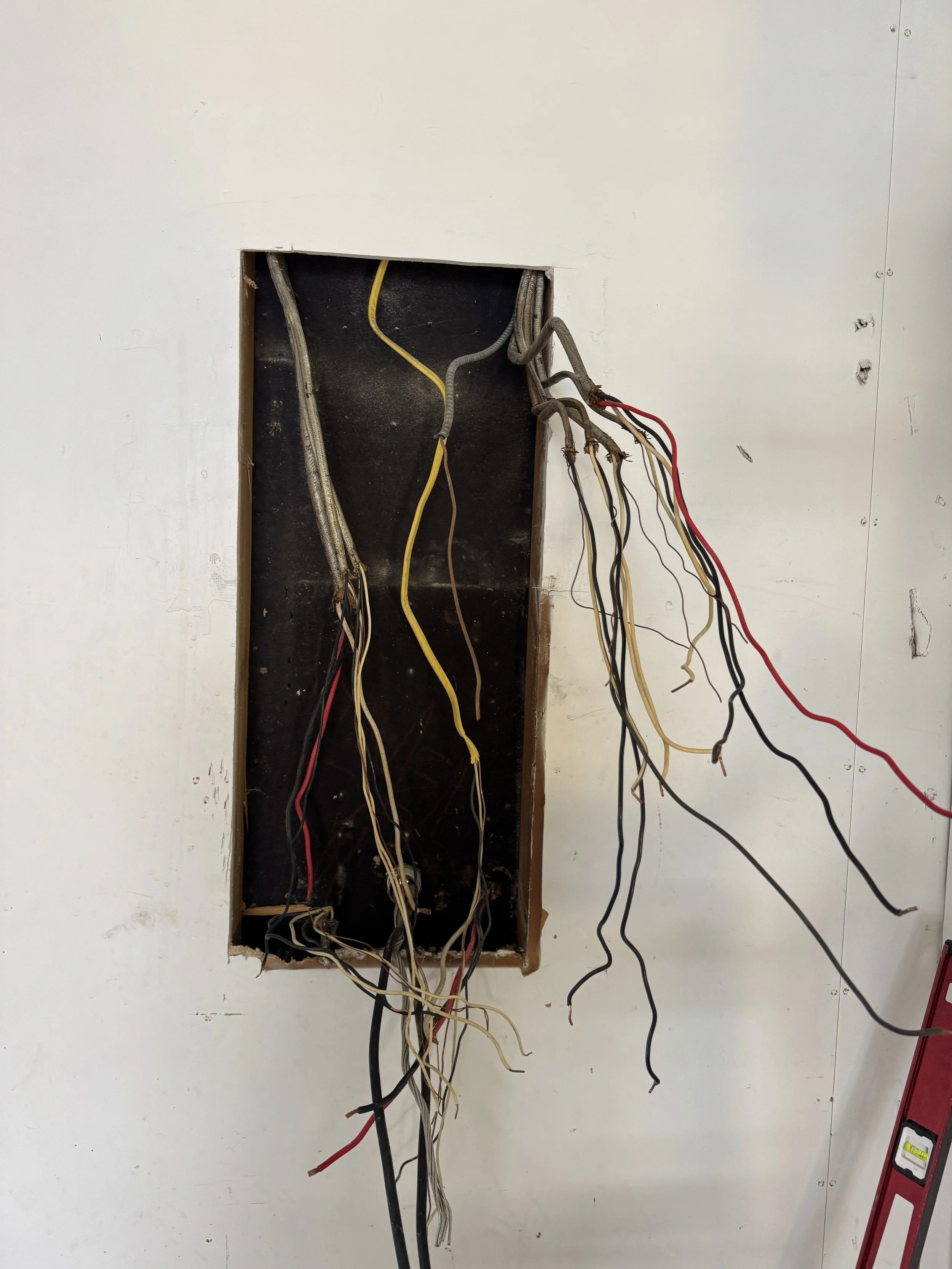
The deferral repair manual’s paperwork for knob-and-tube includes photos of the wiring and the surrounding space, evidence of a live circuit test, photos of areas where wiring was present before removal or decommissioning, and documentation confirming it was decommissioned or removed. Those last two words describe different jobs.
Runs that still feed rooms
Some knob-and-tube in an attic still powers ceiling lights, bedroom outlets, or a porch fixture. Those circuits get new grounded copper wiring first, so the rooms keep working once the old run is taken out of service.
Runs that feed nothing
Other runs were abandoned decades ago when a room was updated. We test each one, confirm it is dead at its source, disconnect it, and pull it out to a place where it can be reached. Wire buried inside a finished wall may stay in place once it is disconnected and recorded.
What you get afterward
If the job runs through a program, ask the provider which photos it needs before any wire is touched, since its list starts with the wiring as found. When the work is done, you get the permit and passed inspection report, with a description of what was replaced, disconnected, or removed.
05 — Permits
Permits and a Final Inspection the Next Crew Can Rely On
The deferral repair manual says program work must comply with the Uniform Statewide Building Code, other applicable laws, and the state’s Standard Work Specifications, and it asks the local provider to check with the building official on whether a permit is needed. Its list of required paperwork includes completed final inspection reports from the local authority showing a passed inspection.
It also says contractors doing the work must be appropriately licensed and insured. Our own licensed electricians do the work.
Wiring replacement in Norfolk runs under an electrical permit, and we request the inspection with the insulation date in mind, so the passed result can be on file before that crew arrives. That inspection report is the document the next contractor can point to.
06 — Scope
Where a Program Repair Ends and a Rewire Begins
The deferral repair manual lists replacement of entire plumbing or electrical systems, along with major structural repairs, as ineligible, and the state’s operations manual carries the same exclusion for its related repair work. Program repairs are limited to the cause of the deferral.
That leaves the bigger question with you. If the insulation plan covers only the attic floor, the work may stop at the circuits running across it. If exterior walls and the crawlspace are on the list too, the wiring in those spaces comes into play, and some owners decide to replace the remaining old wiring as part of the same project.
We handle both, circuit by circuit or the whole house. For a full replacement, our whole-home rewiring page for Norfolk sets out how a house is staged room by room while people are still living in it.
07 — Assessment Notes
Reading the Assessment Note
08 — Process
From Deferral Note to Insulation-Ready
Share the note
Send the assessment or deferral note and list the areas slated for insulation.
Trace the circuits
We find which knob-and-tube runs are live and which feed nothing.
Written plan
Replace, disconnect, or remove, space by space, with a free installation estimate.
Permit and work
Our licensed electricians do the work under permit, followed by inspection.
Inspection report
The permit and passed inspection report, with a description of the work.
09 — Sequencing
Sequencing Wiring and Insulation in an Occupied Norfolk House
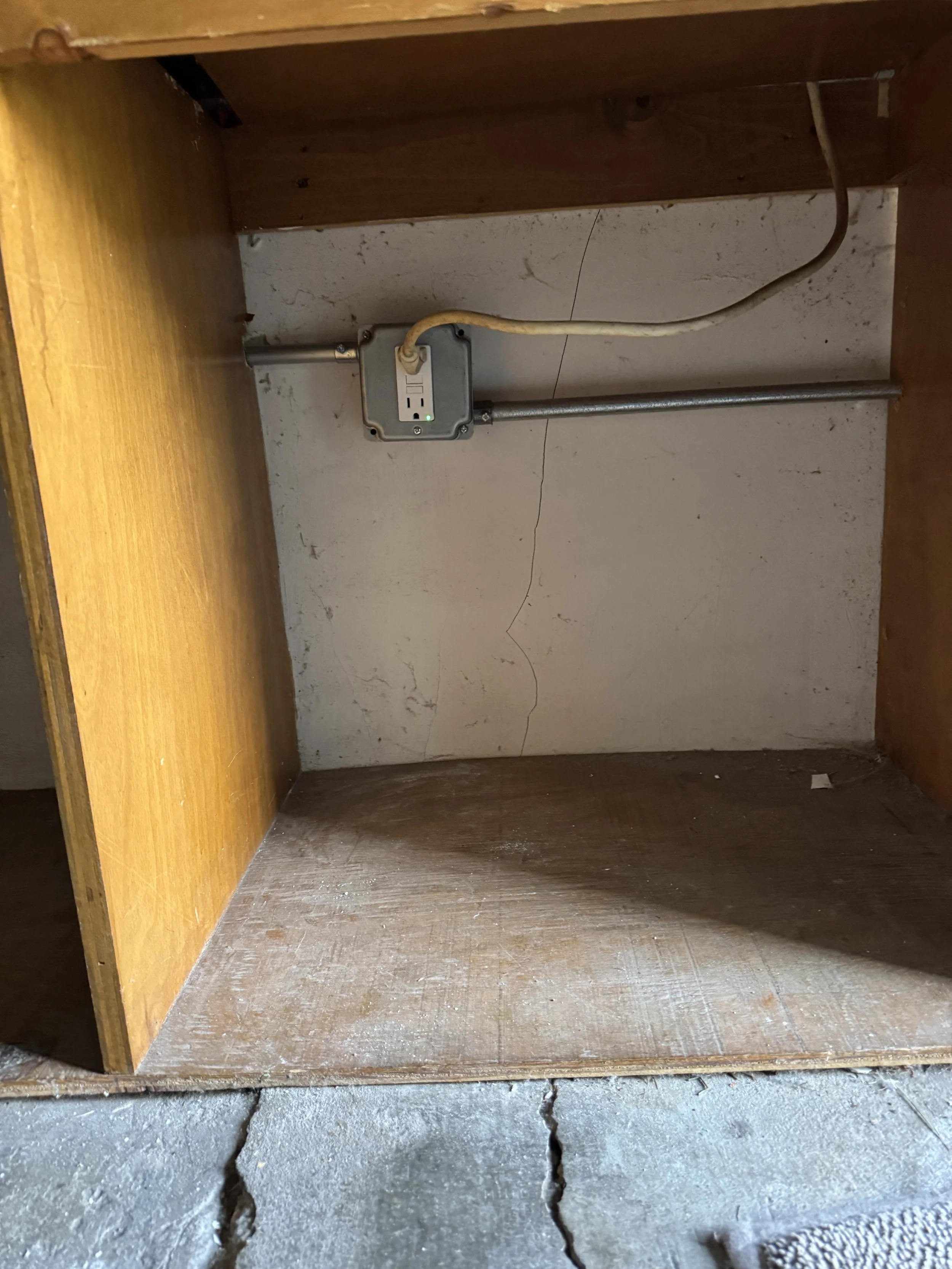
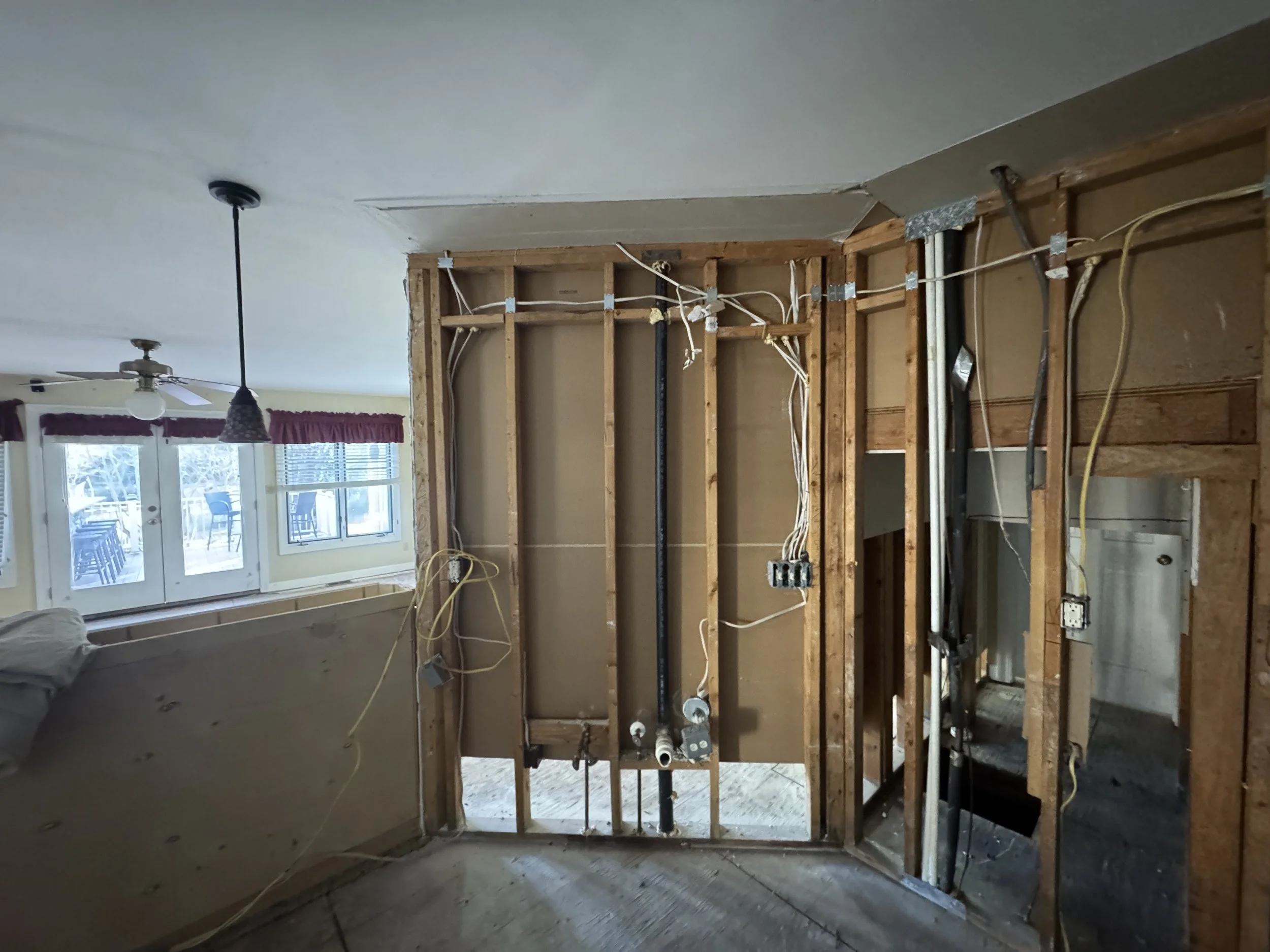
We trace live circuits well ahead of the insulation date, then work the attic floor and exterior-wall runs first, since those are the spaces the insulation crew needs.
Before work starts, the plan shows which rooms each old run feeds, so you know which spaces are affected when it is switched over.
10 — Why Castles
What Norfolk Owners Get Back
Inspection Report in Hand
Permit and passed inspection on file for the next contractor.
Ready for the Insulation Crew
Live circuits in scheduled spaces handled first.
11 — Proof
Wiring and Outlet Work
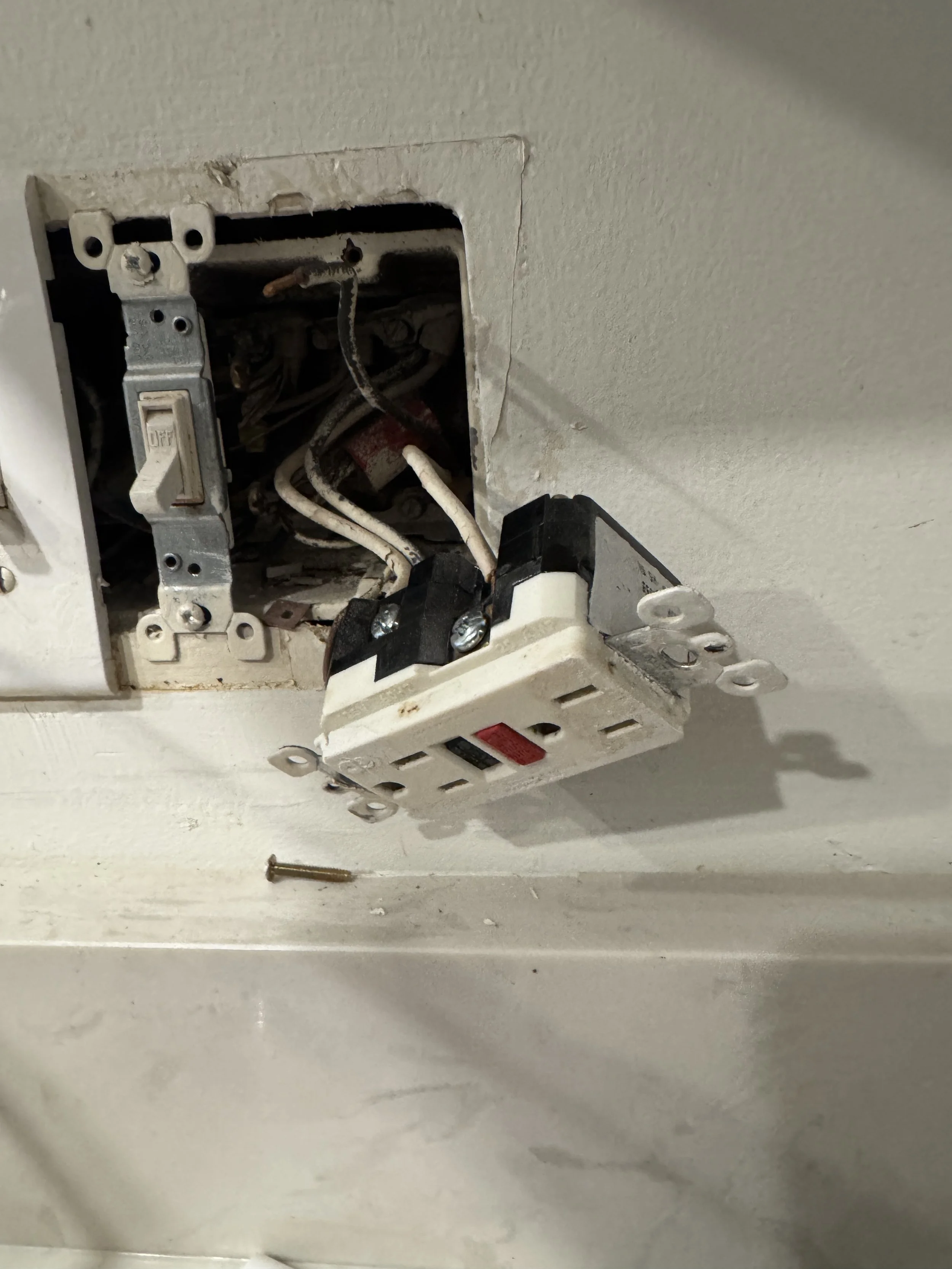
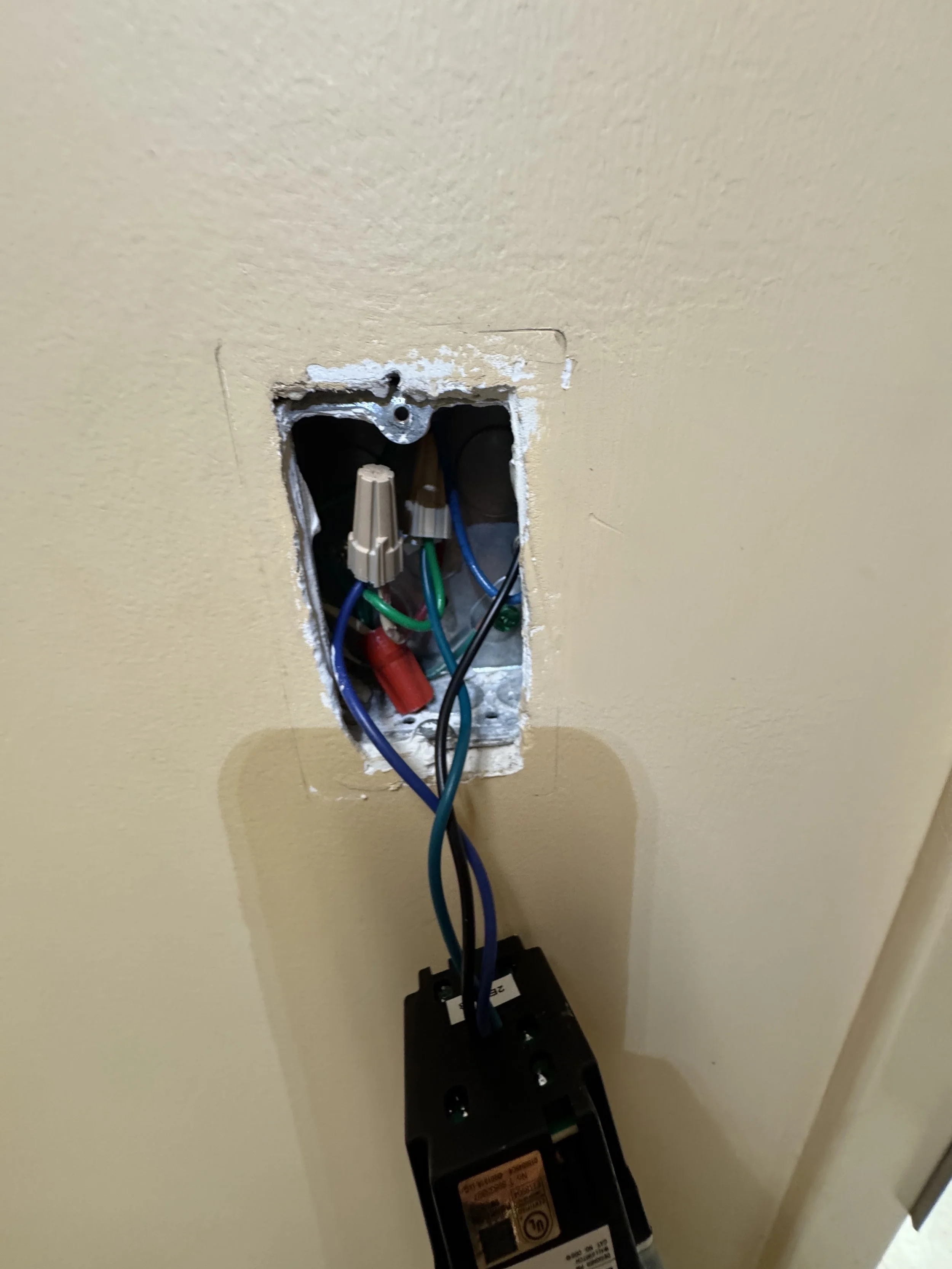
A recent Google review describes wiring and outlet work and calls our owner the best electrician and the best person.
From our five-star Google reviews
Google 5.0 Rated by Hampton Roads Customers
Castles Electrical maintains a 5.0 rating on Google. The reviews below load as a live widget, so this page shows current feedback from real Castles Electrical customers.
12 — FAQS