02 — Replacement Rules
Replacing an Outlet Can Bring Today’s Protection With It
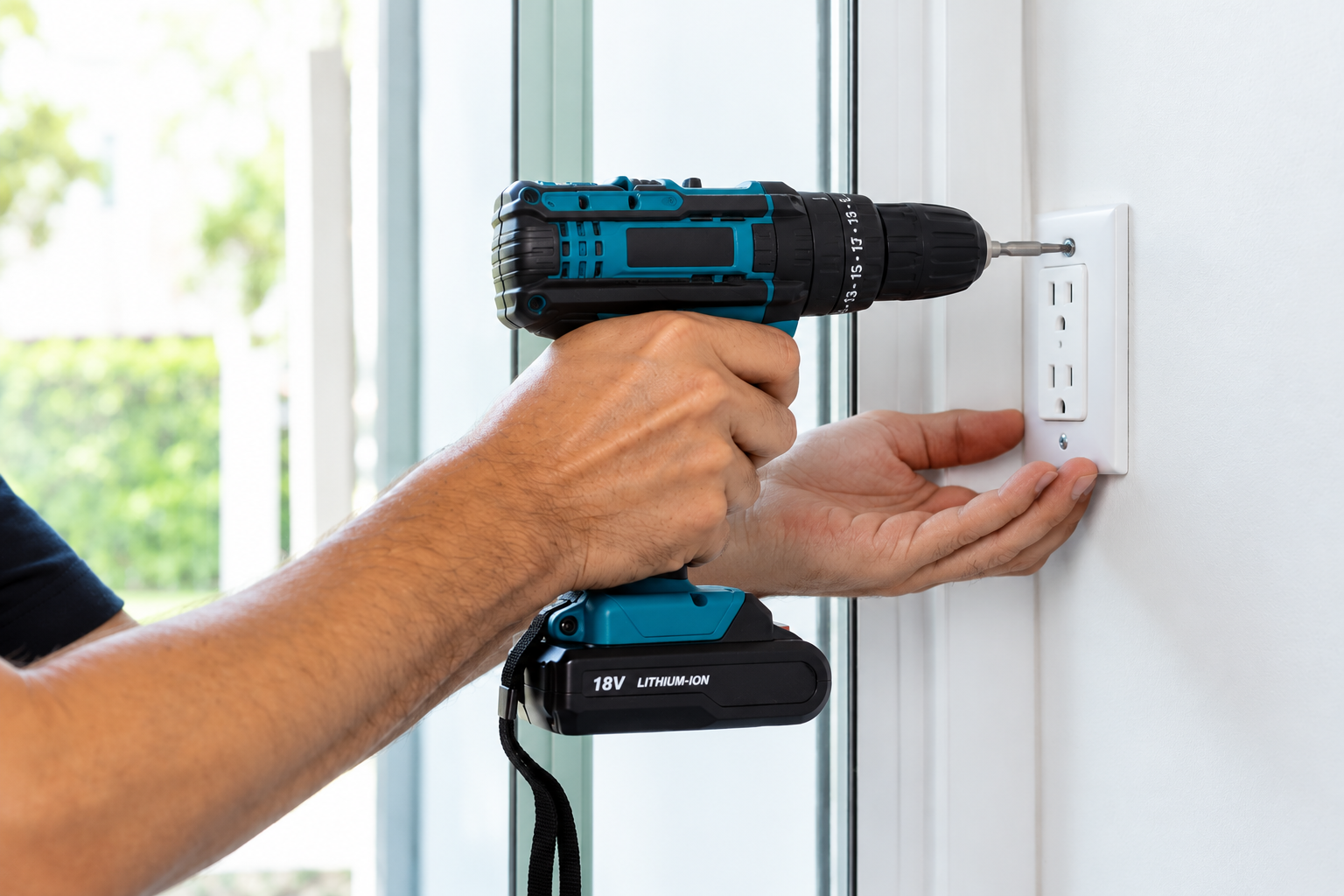
A like-for-like outlet swap needs no permit in Virginia, but the permit exemption does not exempt the work from the code’s other requirements. Virginia’s existing-building code requires that a replaced outlet meet the current electrical code’s replacement rules for that spot.
Where a receptacle is in a room that now requires arc-fault protection, such as a bedroom, living room, or hallway, the replacement needs that protection from an AFCI outlet, an AFCI device upstream, or an AFCI breaker. Where GFCI protection is required today, the replacement has to be GFCI-protected. Where the current code calls for tamper-resistant or weather-resistant receptacles, the replacement generally has to be of that type as well.
In a 1960s bedroom, a simple swap can mean an AFCI device in place of a plain receptacle. We tell you before starting whether a location needs AFCI or GFCI protection, and whether a breaker or an outlet-type device suits your panel and boxes.
03 — Process
Swapping to Shuttered Outlets, Room by Room
Pick the rooms
You tell us where to start, and we note which rooms need AFCI or GFCI protection on the replacements and any outlets that feel warm, loose, or dead.
Open each box
As each old receptacle comes out, the wires and connections behind it are checked for heat damage.
Install and test
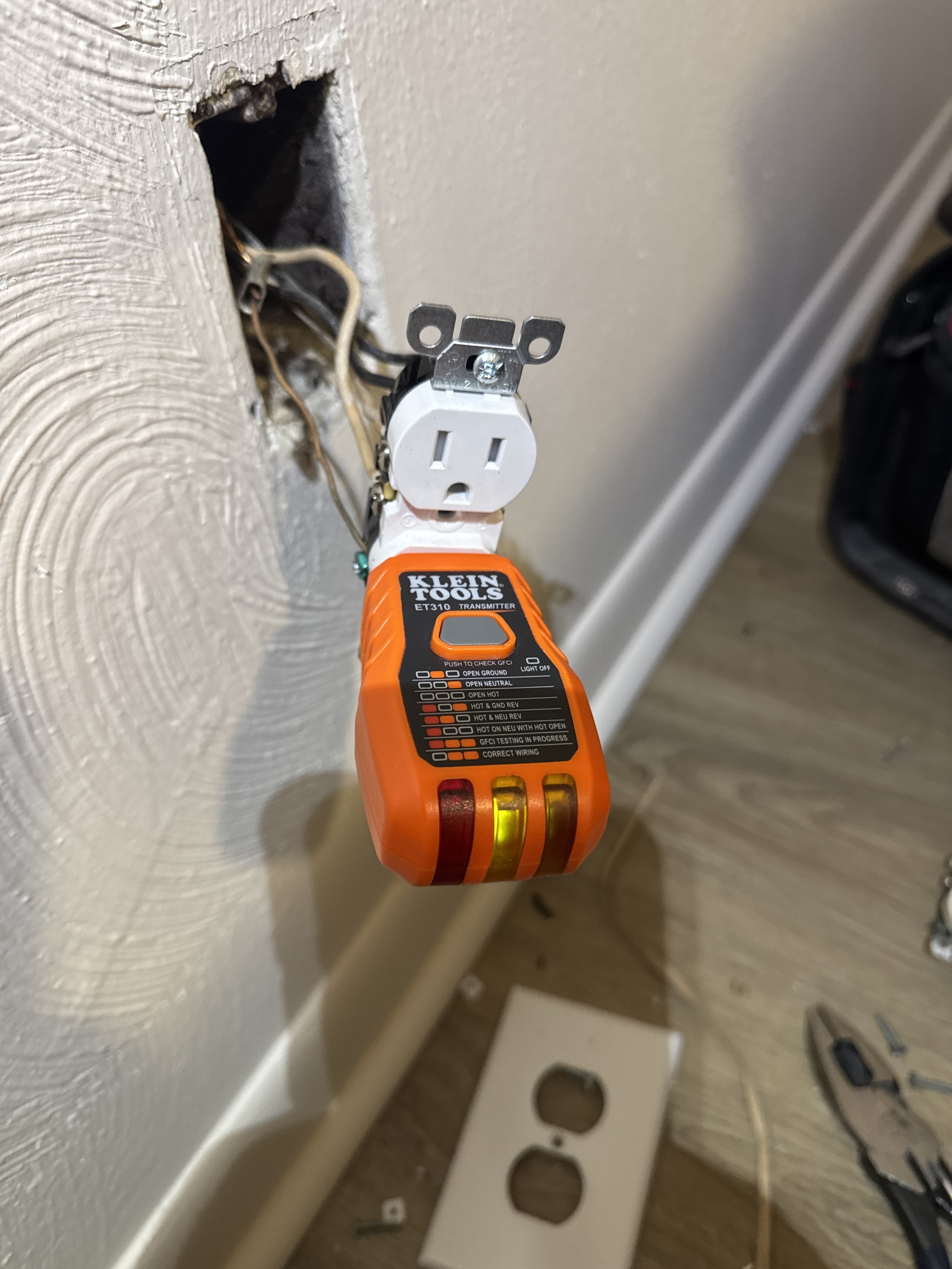
New tamper-resistant receptacles with AFCI or GFCI protection where required go in, and each is tested for correct wiring before we leave.
04 — Why Castles
Outlet and Circuit Work Done Properly
Tamper-Resistant Devices
Receptacles we replace or add are shuttered.
Connections Checked
Box wiring checked for loose or heat-damaged connections.
Permits When Required
New wiring goes through the city.
TR Status Checked
We note which rooms already have shuttered outlets.
05 — Portsmouth Outlet Work
Common Requests in Portsmouth Homes
06 — Smart Switches
Why a Smart Switch May Not Fit an Older Switch Box
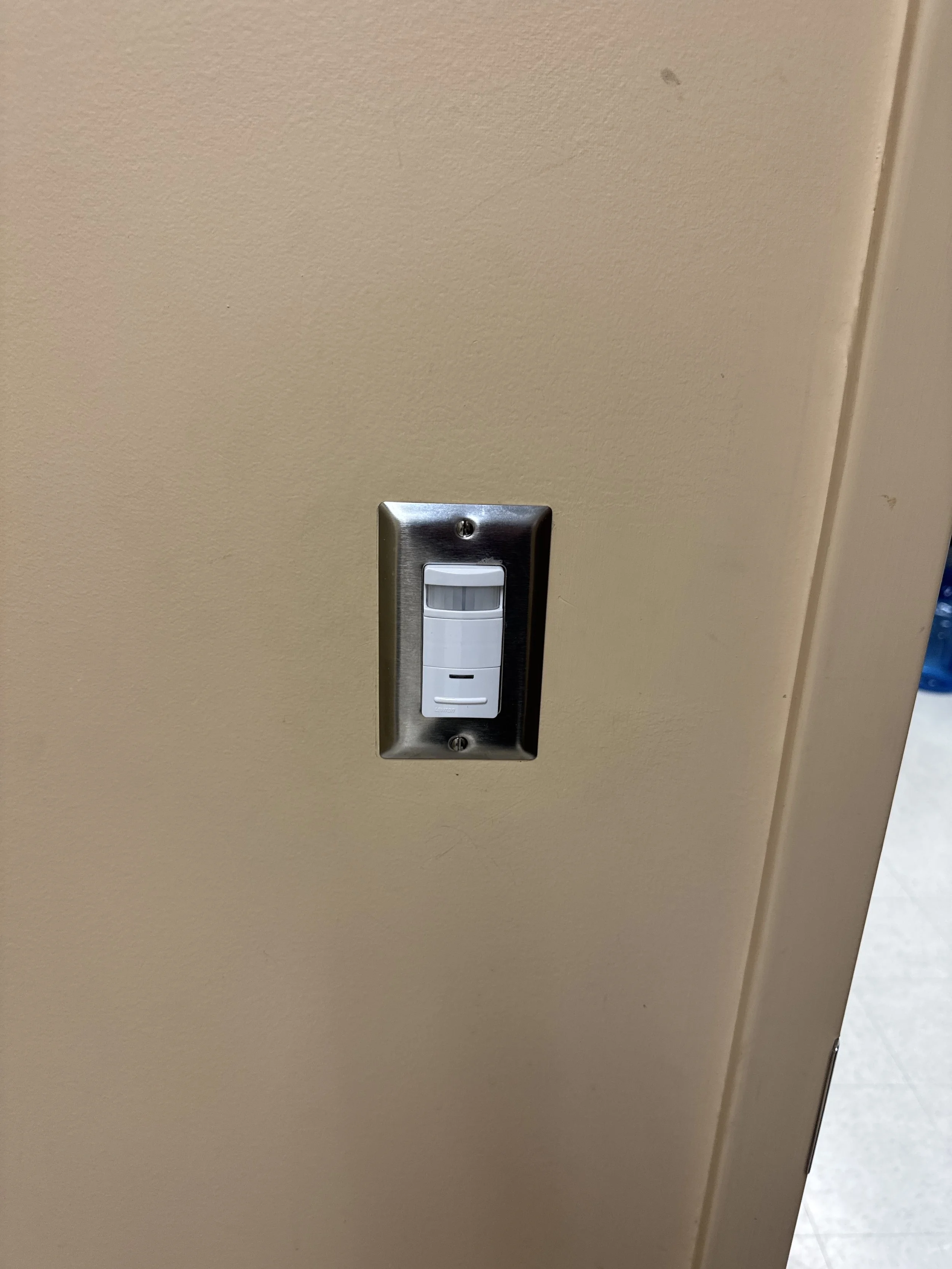
Many smart switches, timers, and occupancy sensors need a neutral wire in the switch box to keep their electronics powered while the light is off. The electrical code first required that wire at most lighting switch locations in its 2011 edition, and Virginia’s building code adopted that edition effective July 14, 2014, so most Portsmouth switch boxes were wired before the rule.
The International Association of Electrical Inspectors has explained that, without a neutral, some installers ran a device’s standby current over the equipment grounding wire, which it calls not a good practice.
We do not use the ground wire as a substitute neutral. The options are pulling a neutral where the box can be reached without removing finish materials, choosing a device listed to work without one, or keeping a standard switch. The code also limits how many electronic lighting control switches without a neutral can share one branch circuit, which matters when several rooms get smart switches at once.
07 — Dimmers and LEDs
Dimmers Built for Incandescent Bulbs, Now Running LEDs
The Department of Energy notes that LEDs generally dim better than compact fluorescents, but that they have to be compatible with the dimming system. A Pacific Northwest National Laboratory report for the Department explains why older dimmers struggle: they were designed around incandescent lamps, and the minimum load for most installed phase-control dimmers is around 40 watts. A few LED bulbs can fall below that.
The same report shows how ratings shift: a dimmer rated for 600 watts of incandescent load may be rated for only 150 watts of LED load.
The report adds that three-wire dimmers can reduce erratic dimming, and that dimmers and lamps meeting a shared industry compatibility standard improve the odds of a good pairing, though compatible parts alone do not ensure smooth, flicker-free dimming. We check the dimmer’s LED rating against the bulbs on it before replacing anything.
08 — Kitchen Outlets
Kitchen Counters, Extension Cords, and Where New Outlets Go
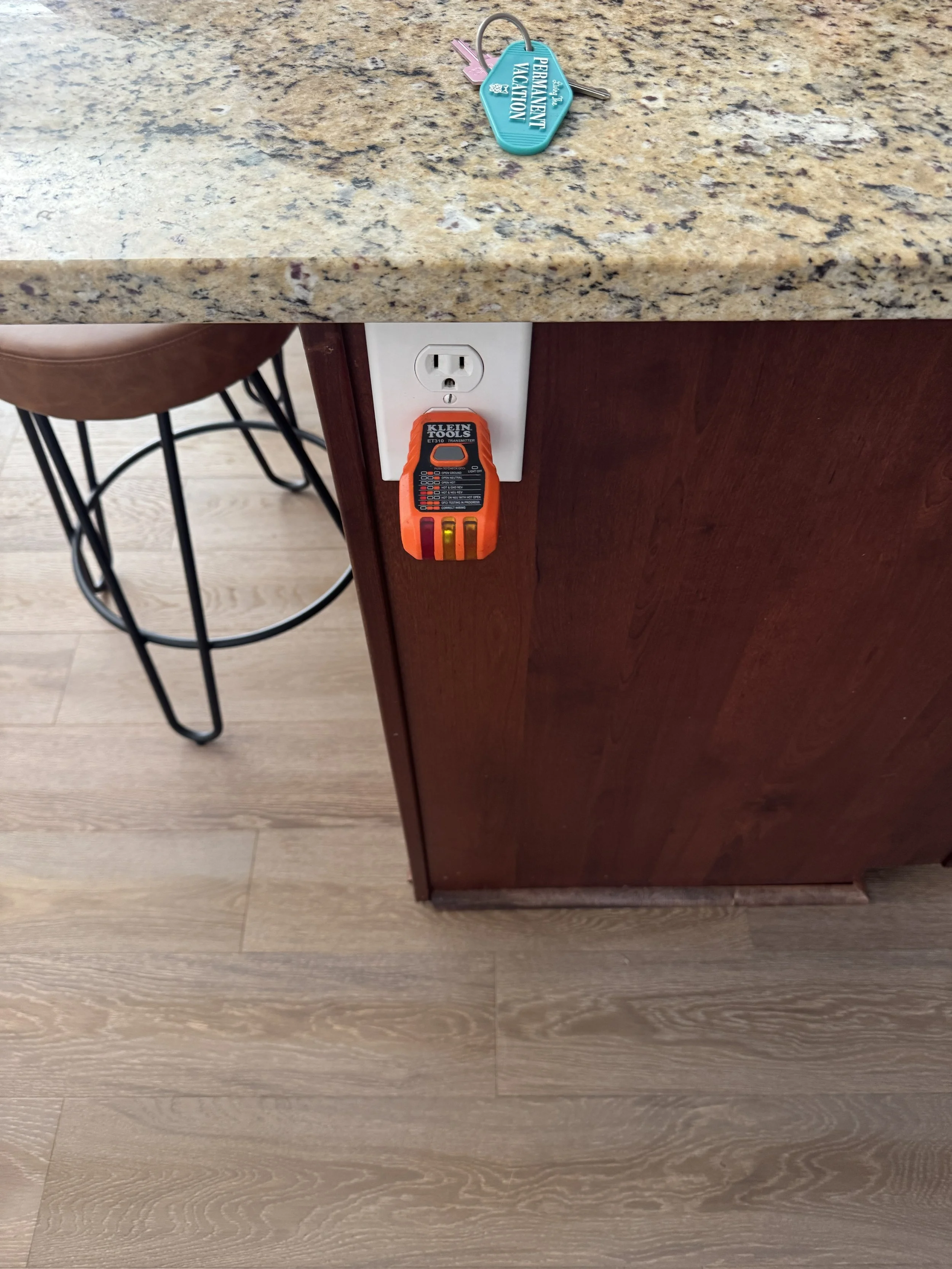
A counter full of power strips or a refrigerator on an extension cord usually means the kitchen is short on outlets. The U.S. Fire Administration estimates that 24,200 residential building electrical fires were reported to U.S. fire departments in 2021, and it advises plugging major appliances directly into a wall outlet, never using an extension cord with a major appliance, and keeping cords out from under rugs.
When counters are redone, and new wiring goes in, current layout rules apply to the new work. Every wall counter space 12 inches or wider gets a receptacle, spaced so no point along the wall is more than 24 inches from one.
Under the 2021 residential code, which took effect in Virginia in January 2024, islands and peninsulas are counted by surface area, with one outlet for the first 9 square feet and another for each additional 18 square feet. Countertop receptacles need GFCI protection and generally sit no more than 20 inches above the counter.
Most Portsmouth kitchens were laid out under older editions, so a remodel is often the first time the counter plan is brought to current rules. Adding outlet locations is permitted work, and we check the existing small-appliance circuits and panel space before pulling the permit.
09 — Proof
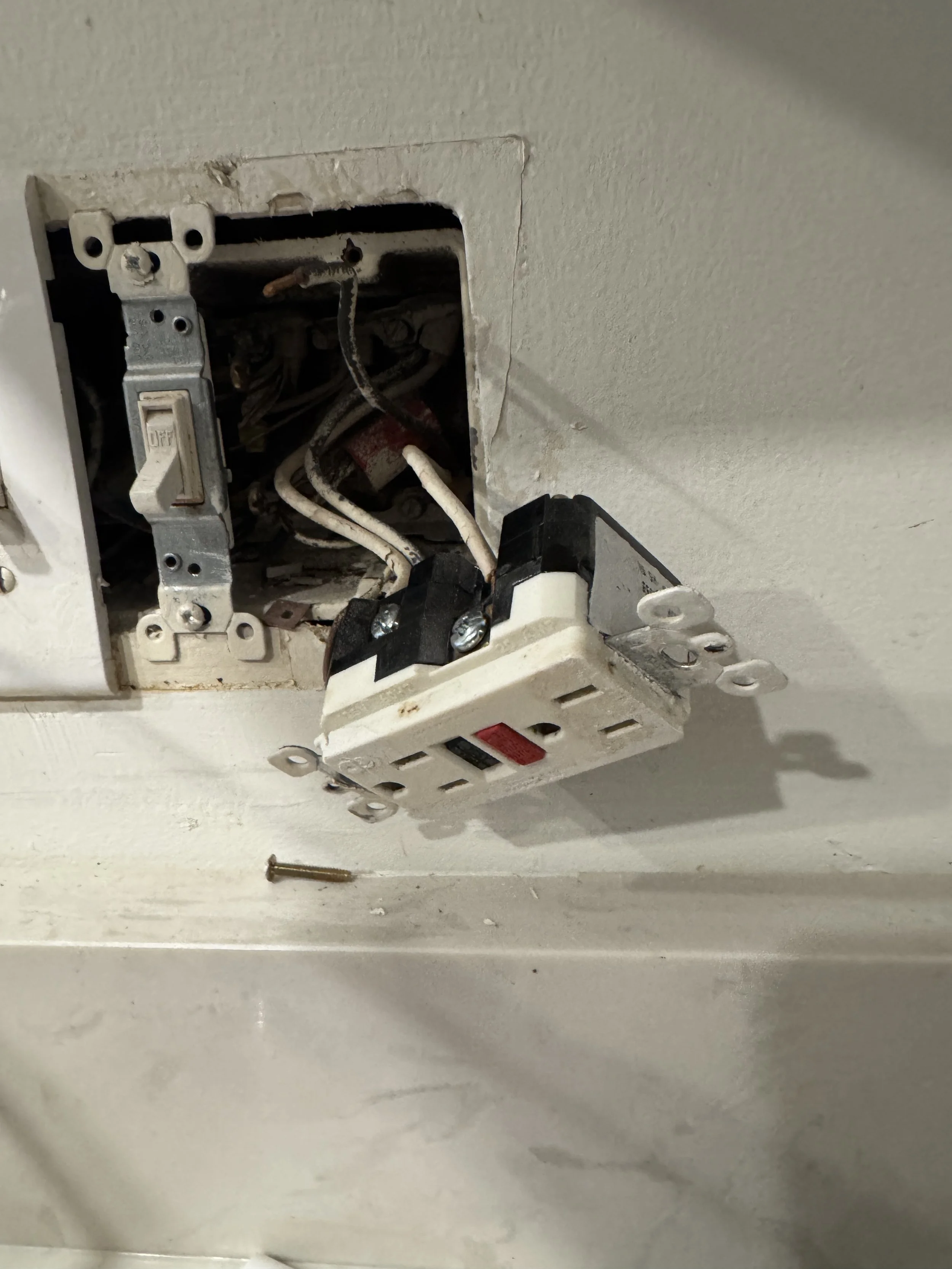
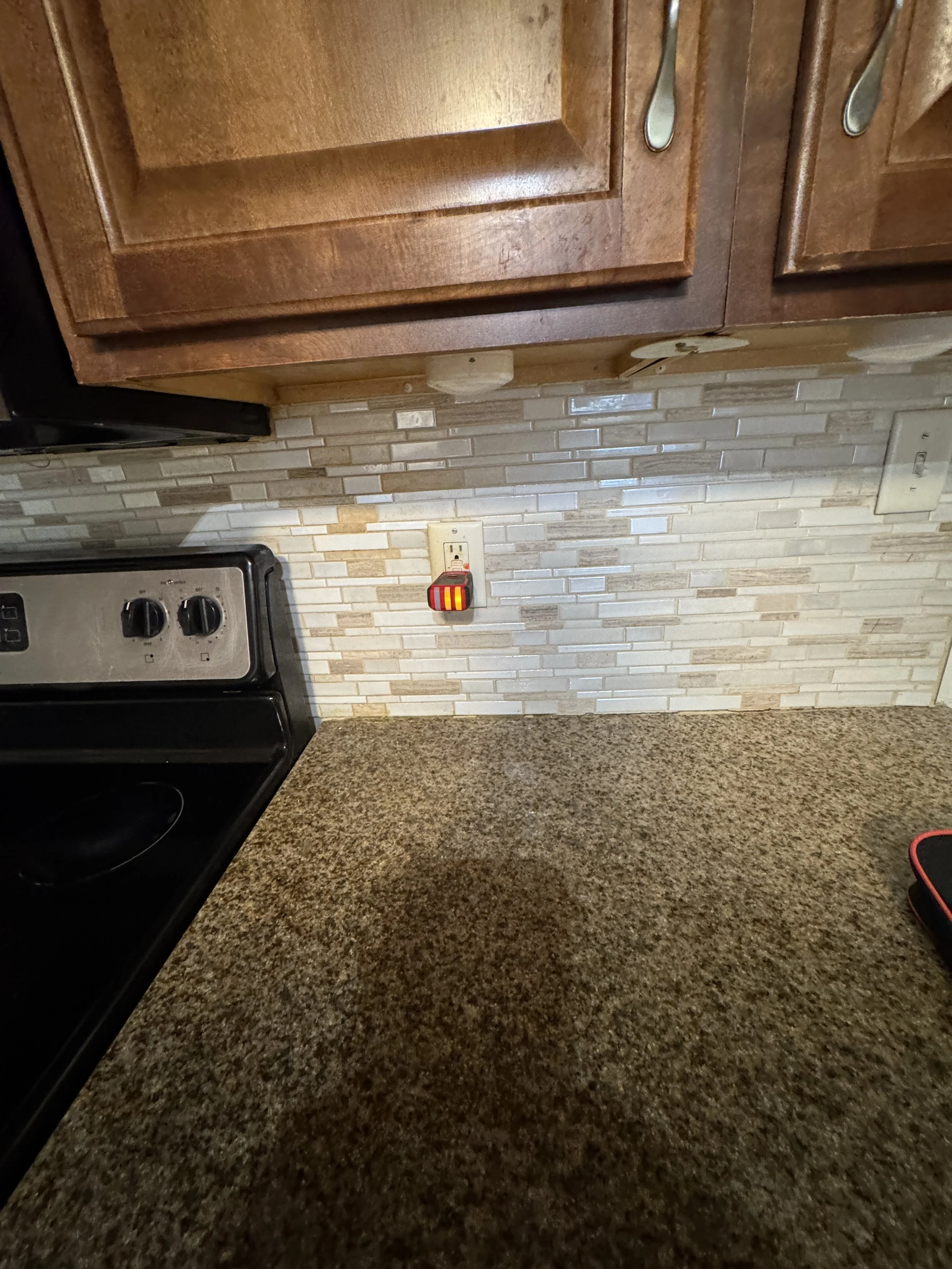
A Melting Wire Behind the Kitchen Outlets
Kitchen outlets another company installed kept failing. Our electrician traced the fault to a melting wire and repaired it.
From our five-star Google reviews
Google 5.0 Rated by Hampton Roads Customers
Castles Electrical maintains a 5.0 rating on Google. The reviews below load as a live widget, so this page shows current feedback from real Castles Electrical customers.
10 — FAQS