02 — Replace or Check
After a Flood: What Gets Replaced and What Gets Checked
03 — Process
What We Do After Water Exposure
Stay clear of wet equipment
If water reached the panel or the surge device, do not touch the panel or stand in water to switch it off. Contact Dominion Energy to disconnect service if needed, and keep it off until an electrician evaluates it.
Inspect the panel and device
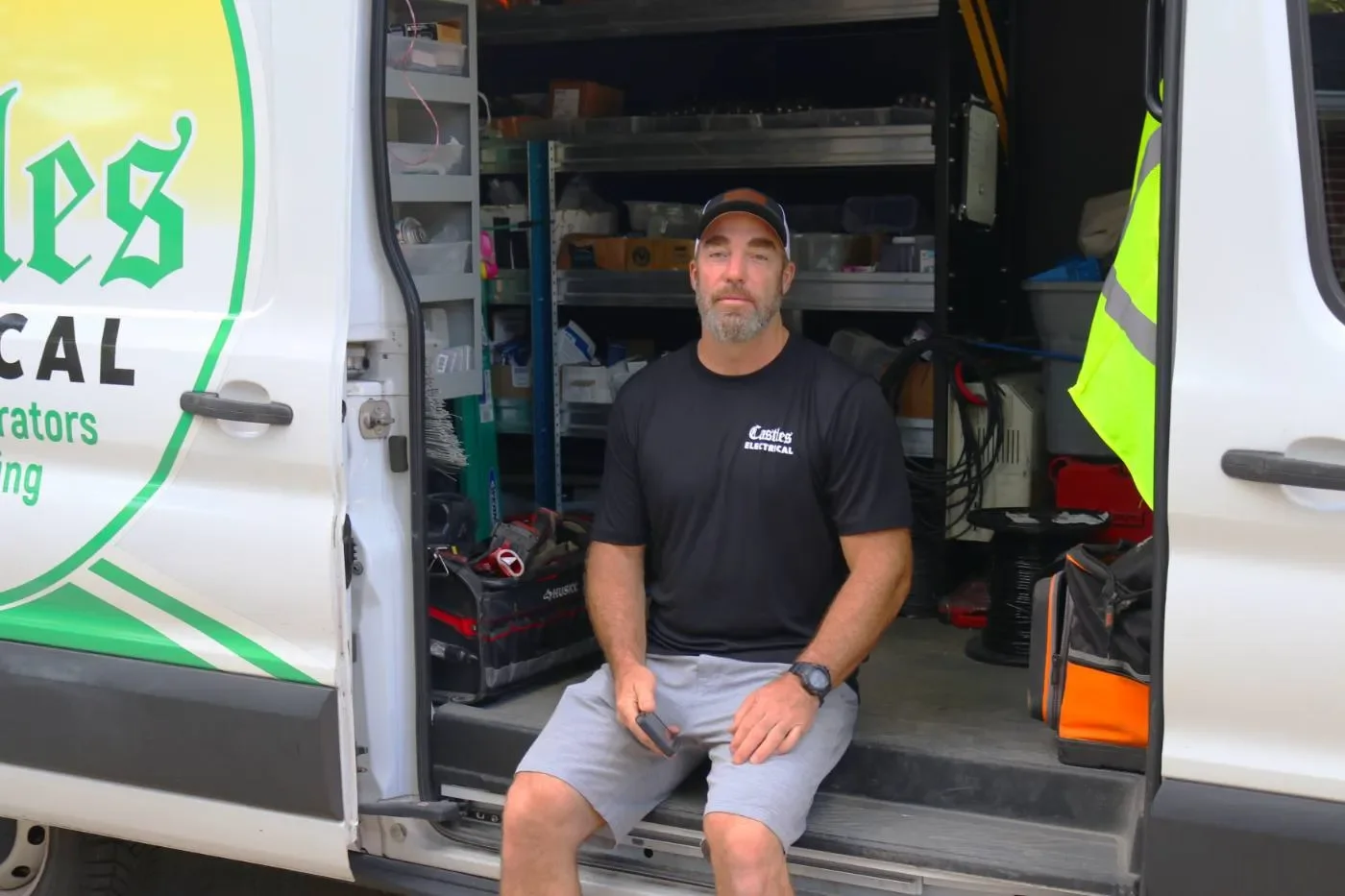
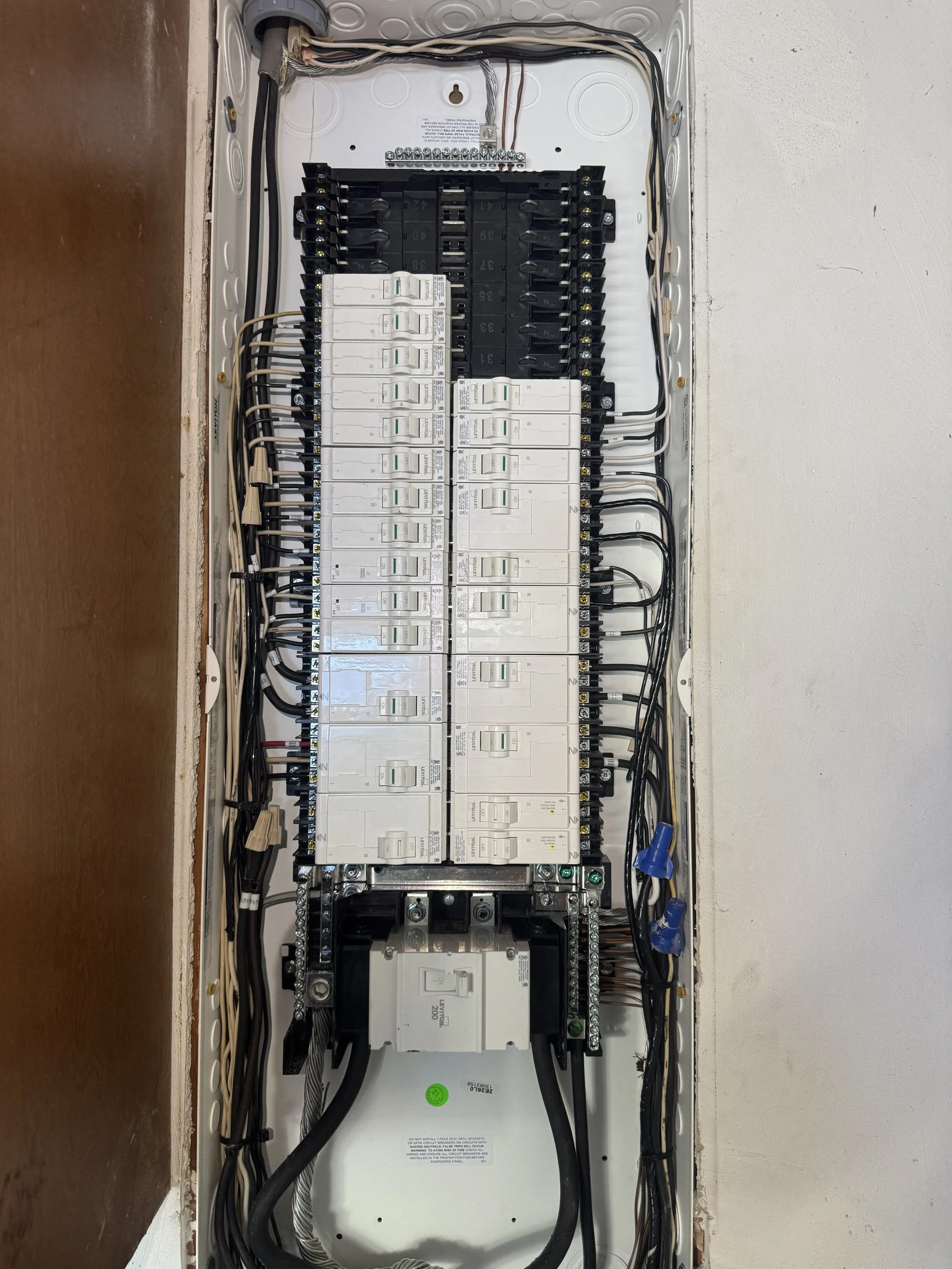
We inspect the water line, corrosion, and the grounding connection and note which components need replacing.
Replace the wet components
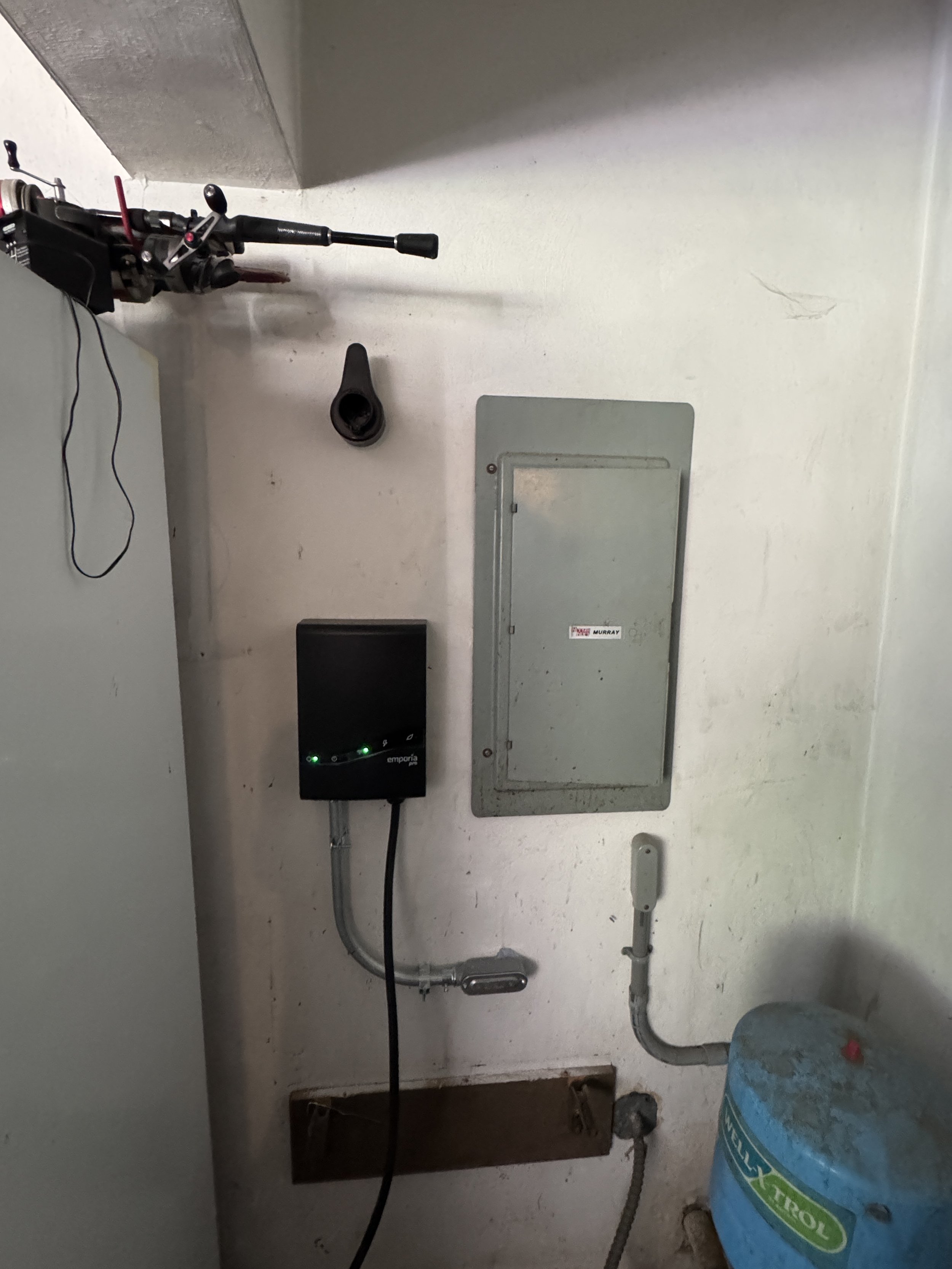
A wet surge device is replaced with a new one on its own breaker, along with any breakers or panel parts that were reached by water.
Confirm protection
We confirm that the new device is energized, explain the indicator, and record what was replaced for your records.

04 — Power Restoration
When the Power Comes Back On After a Norfolk Storm
Dominion Energy’s outage guidance asks customers to turn off or disconnect the appliances, equipment, and electronics they were using when the power went out, because surges or spikes can damage equipment when power returns. Its storm guidance states that when severe weather is expected, major appliances such as heat pumps and water heaters should be turned off.
The Virginia Department of Emergency Management and Ready.gov give the same advice, noting that power may return with momentary surges or spikes. Dominion’s planned-outage guidance also suggests waiting a few minutes after power is restored before turning electronics back on.
Switching things off is still good practice, and a panel surge device works alongside it. It limits surges arriving on the service for every circuit it feeds, including hardwired equipment you cannot unplug, and it covers outages that occur overnight or when nobody is home.
05 — Lightning
Lightning: What a Panel Surge Device Can and Cannot Do
The National Weather Service says that once lightning is in a structure, it can travel through the electrical, phone, plumbing, and radio or television reception systems. A panel device is built to limit surges on the power wiring, such as those from a strike some distance away or from switching on the grid. It is one layer of protection and is not designed to stop a direct strike.
Timing matters for the unplugging advice. The weather service says not to unplug equipment during a thunderstorm, because of the risk of being struck, so sensitive electronics are best unplugged before a storm arrives. Cable and phone lines enter the house separately and need their own protectors.
06 — Electric Heat
Heat Pumps and Air Handlers in a City That Heats With Electricity
About six in ten Norfolk households heat with electricity, according to Census estimates. In most of those homes, the outdoor unit, the air handler, and the controls that run them are on the electrical service through summer storms and winter outages alike.
That equipment is hardwired, so a plug-in strip cannot protect it. A panel surge device covers the circuits that feed it, and some homeowners add a separate protector at the outdoor unit’s disconnect. When a storm or an outage arrives without warning, and nobody gets to the thermostat or the breaker first, the panel device is already in place.
Our part is the electrical side: the circuit, the disconnect, and the surge device. How the heat pump or air handler itself is running is a question for your HVAC contractor.
07 — Condos
Adding a Surge Device in a Norfolk Condo or Townhouse Unit
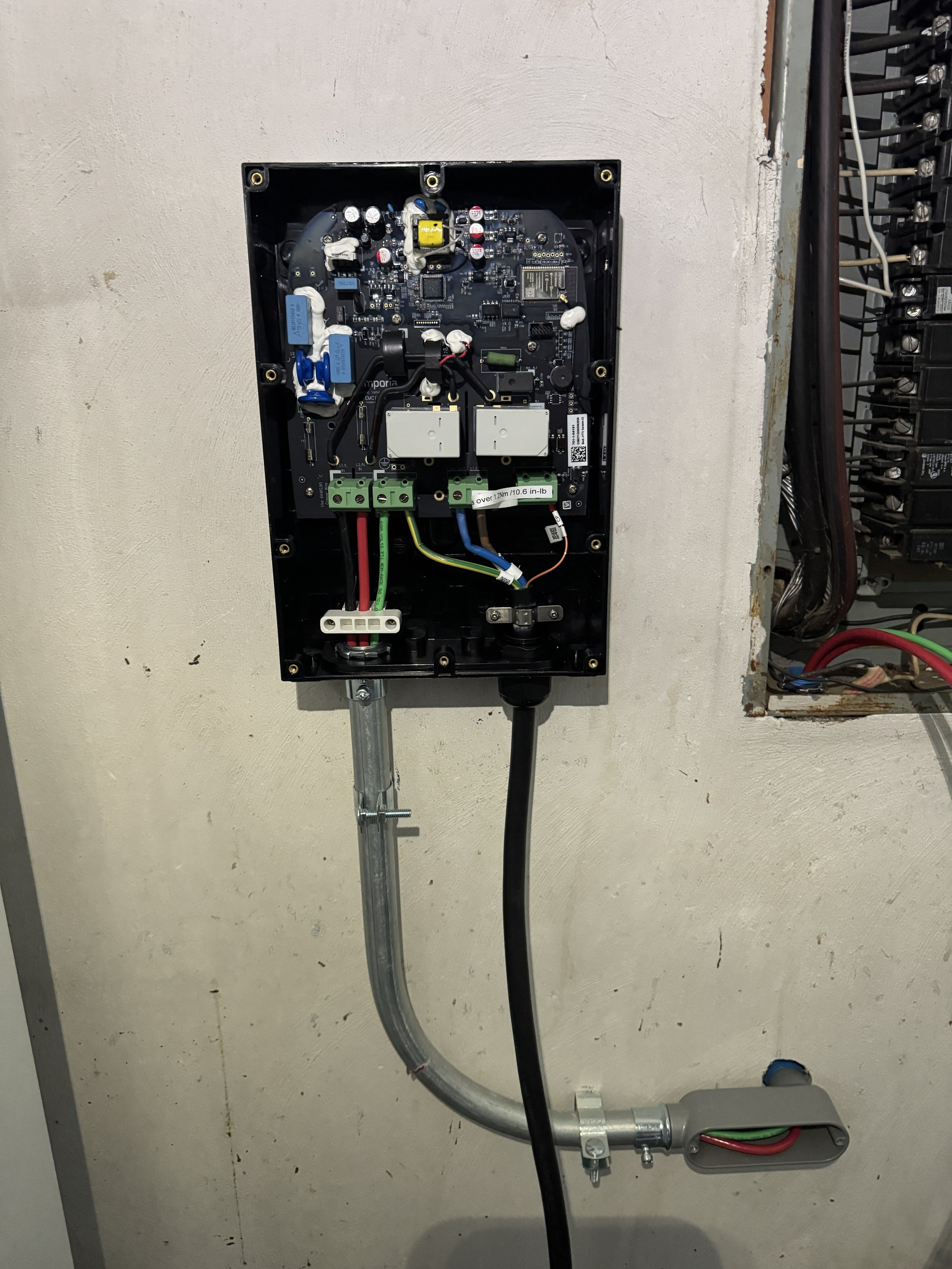
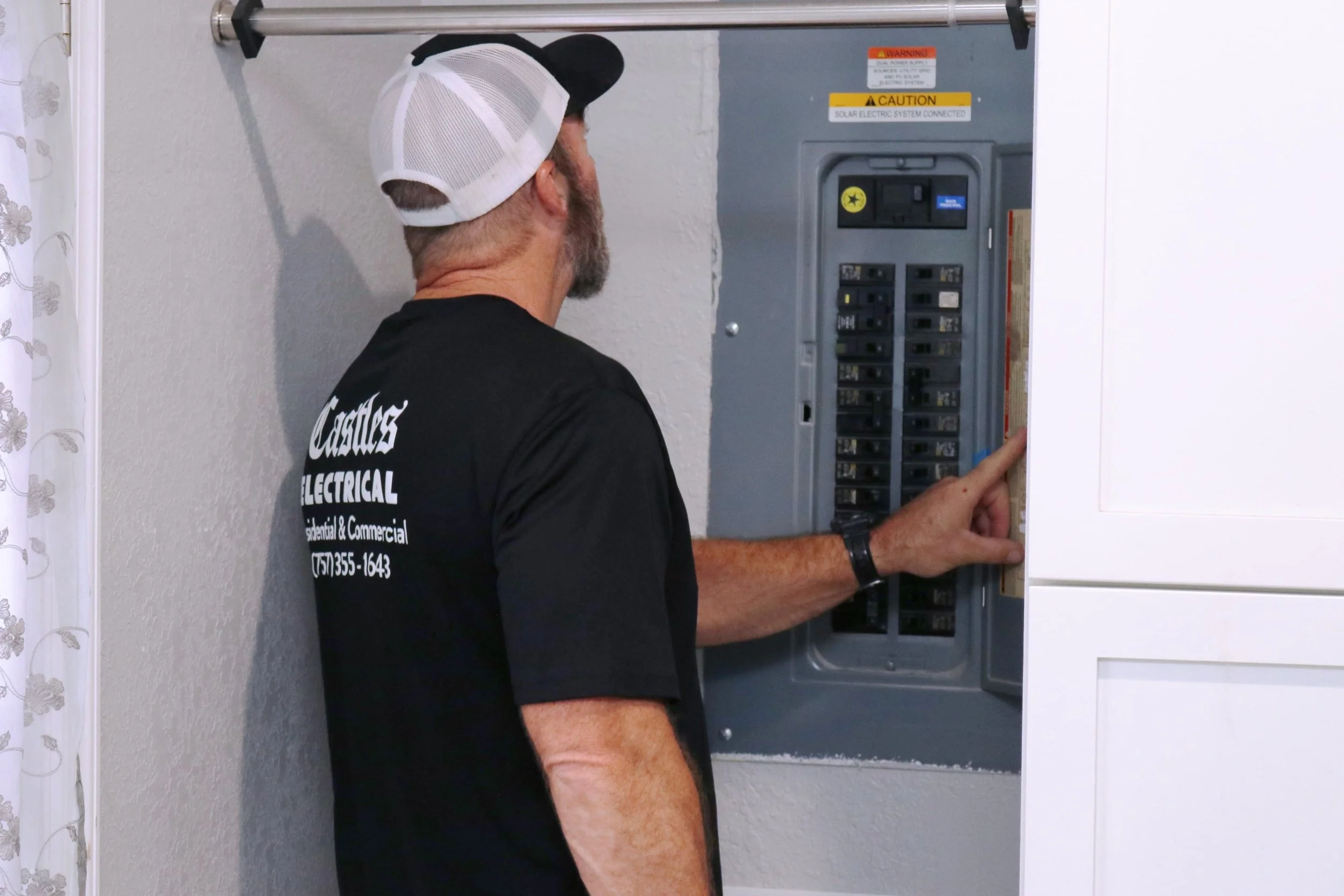
In many Norfolk condominium buildings, each unit has its own panel fed from a building service and meter bank. A Type 2 device can go at the panel inside the unit and covers the circuits that the panel feeds. The building service belongs to the association, so any device there is the association’s decision, and replacing the building’s service equipment can bring the electrical code’s surge requirement with it.
Virginia’s Condominium Act lets a unit owner make improvements or alterations within the unit that do not affect the building’s structural integrity, unless the condominium instruments prohibit or limit them, while no change to the building’s exterior appearance is allowed except as the instruments specify. Check your association’s rules before work in the unit. This is general information, and your condominium documents decide.
When you book, tell us whether the panel is in the unit or in a shared electrical room and whether the association needs notice. A townhouse with its own service is handled like any house, and a renter’s panel is the landlord’s call, with plug-in protectors at grounded outlets as the tenant’s option.
08 — FAQS
Norfolk Surge Protection FAQs
09 — Proof
A Surge Device and the Fixture Work With It
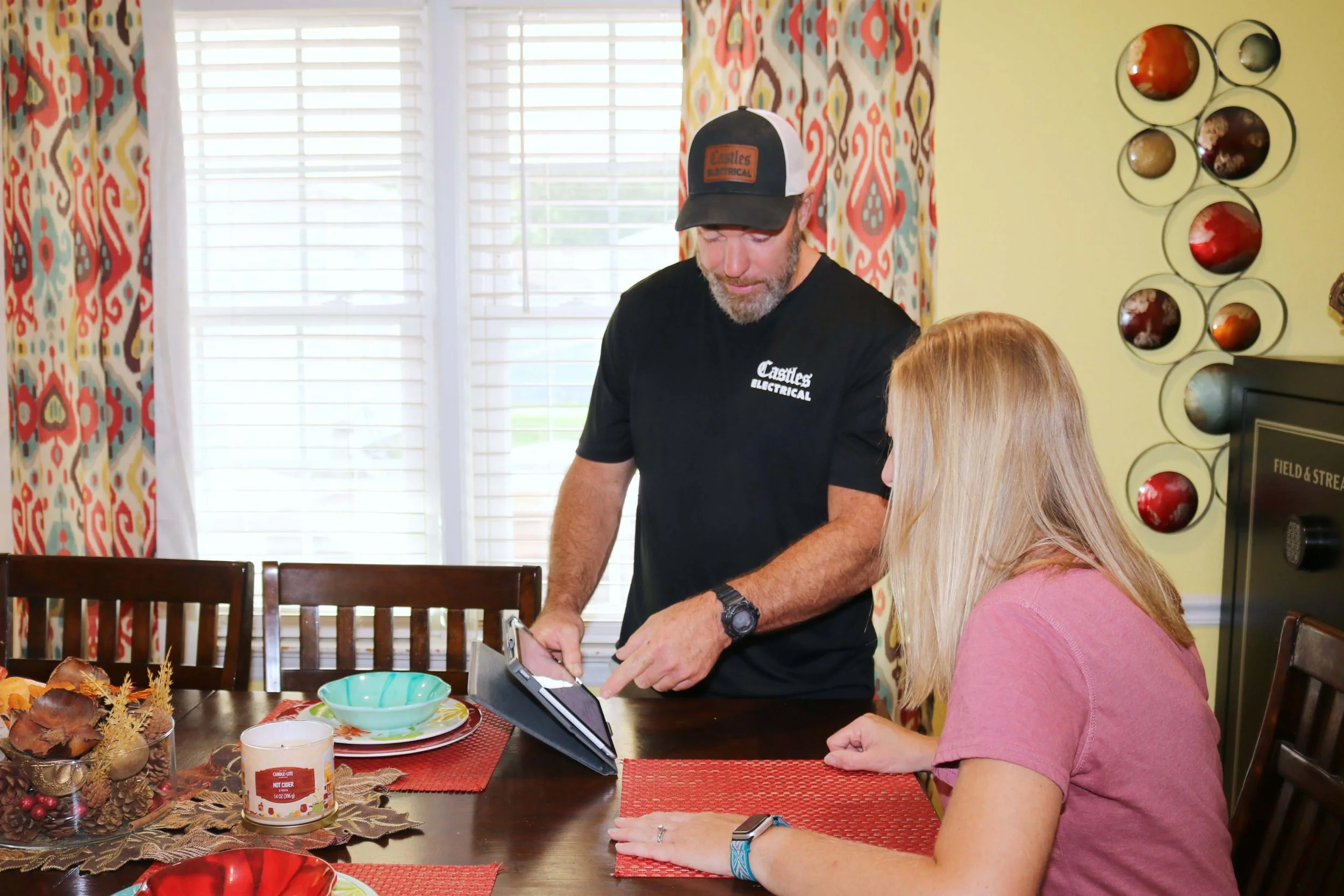
One reviewer had a whole-home surge protector installed along with some fixture work and described the result as work that runs well and looks right.
From our five-star Google reviews
Google 5.0 Rated by Hampton Roads Customers
Castles Electrical maintains a 5.0 rating on Google. The reviews below load as a live widget, so this page shows current feedback from real Castles Electrical customers.
10 — Why Castles
What a Norfolk Flood Visit Covers
Water Line Located
We check how high the water reached.
Wet Devices Replaced
No drying or reusing a surge device.
Panel Parts Assessed
Wet breakers and panelboards identified.
Records You Can Keep
What was replaced, and why, in writing.
Elevation Options Estimated
Raising the panel is included on the written estimate.
Licensed Electricians
Master and Class B licensed.