01 — Older Circuits
Why Three-Slot Range and Dryer Outlets Hang On
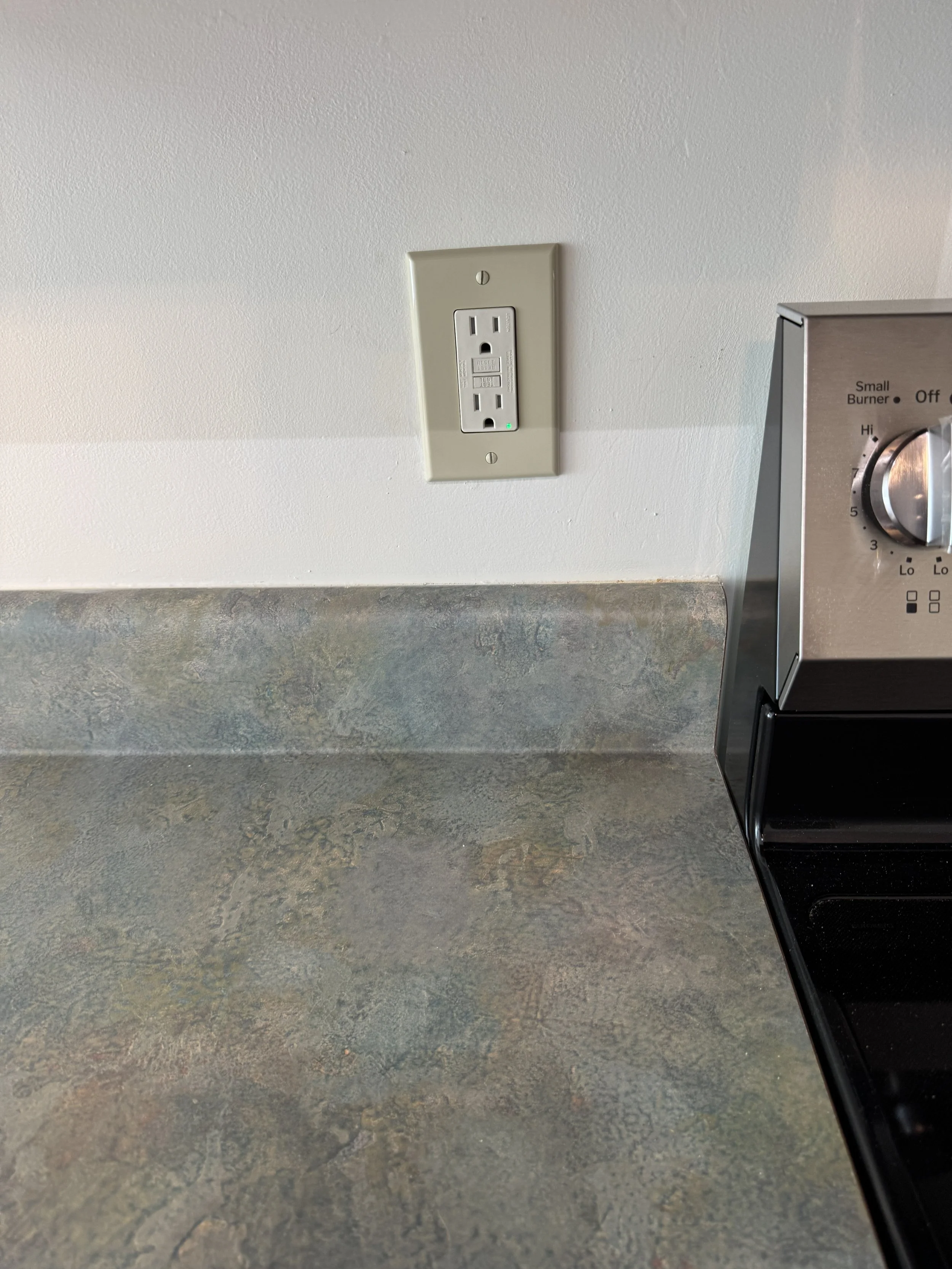
For decades, the National Electrical Code allowed range and dryer circuits to bond the appliance frame to the neutral wire, so a single cable with two hot wires and a neutral fed the entire appliance. One home inspector’s history of the rule traces that permission to a wartime amendment meant to save raw materials. The 1996 edition ended it for new circuits, while existing ones kept it.
GE’s range instructions date the change: effective January 1, 1996, the code requires that new construction, and not existing homes, use a four-conductor connection. Whirlpool’s dryer instructions say the code requires four-wire connections for homes built after 1996, dryer circuits involved in remodeling after 1996, and all mobile home installations.
Norfolk’s median house date, by Census estimates, is 1964, which puts the middle of the city’s housing stock 32 years before the four-wire rule took effect. Half the houses here are older than that, and their range and dryer circuits were installed under the older permit. Such a circuit can still be sound; the question is whether it fits the new appliance.
02 — Reading the Outlet
Telling a 10-30 Receptacle From a 14-30
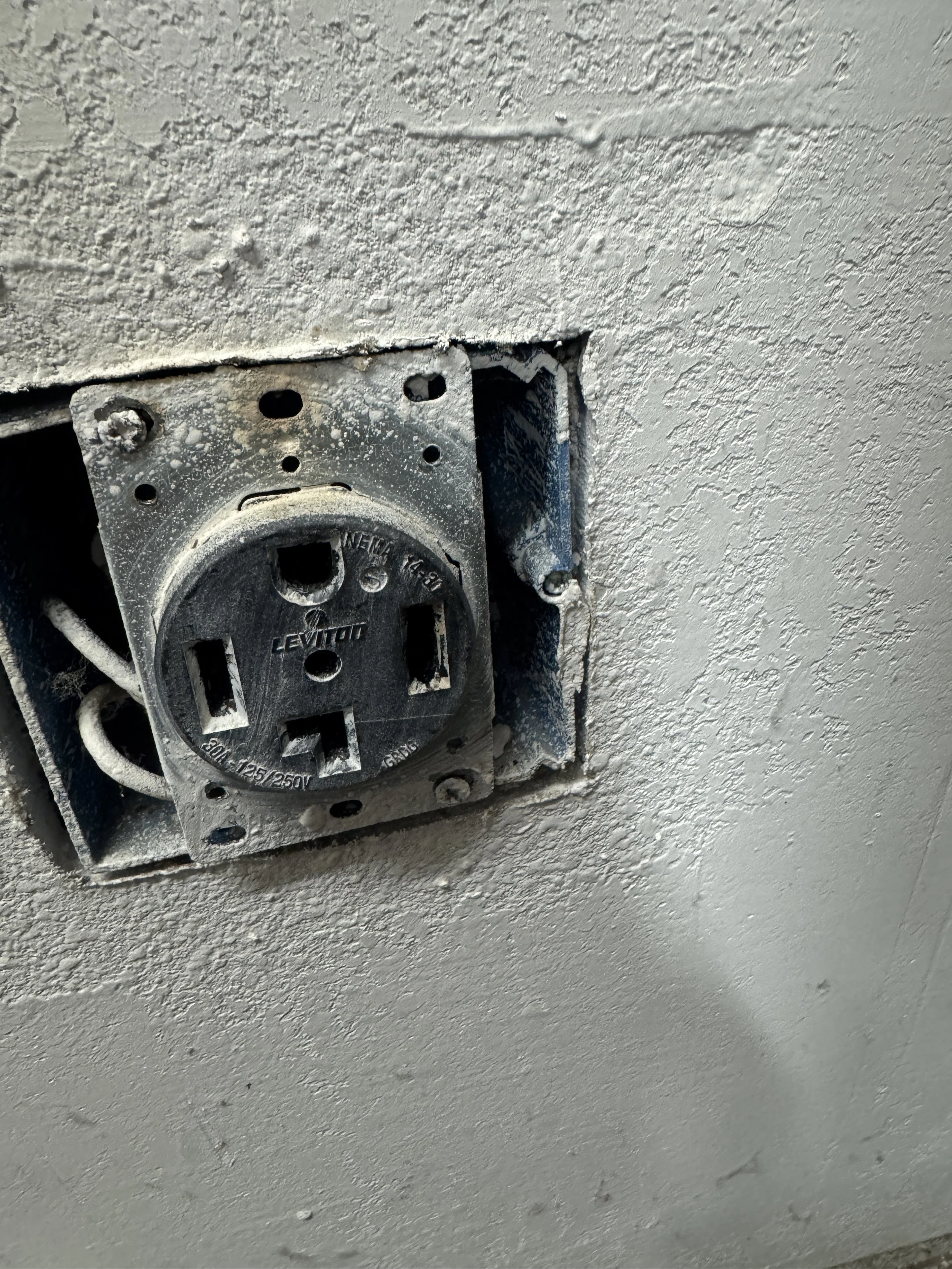
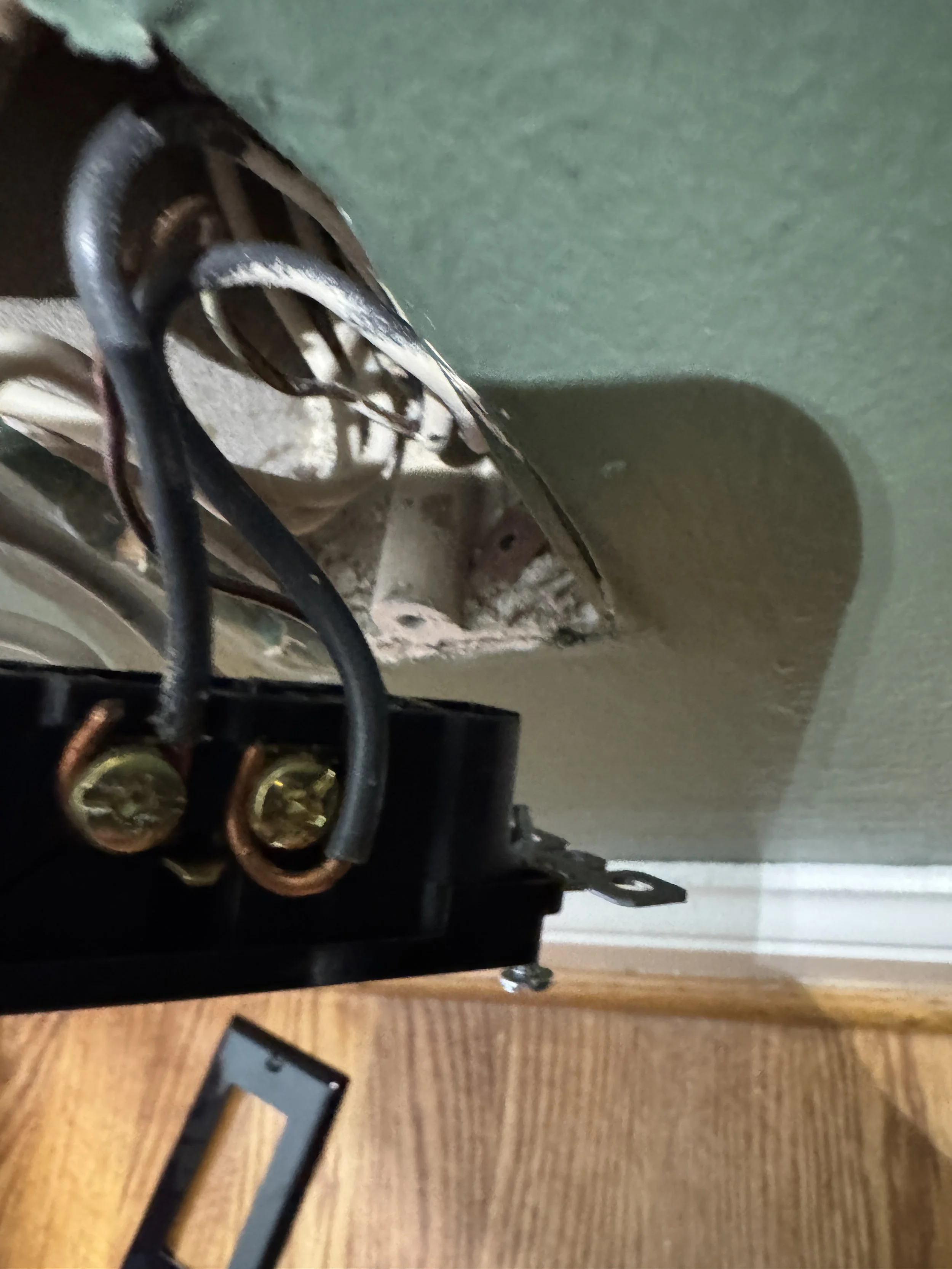
The receptacle shape indicates what the circuit carries. Whirlpool’s dryer manual calls out the three-wire NEMA 10-30R and the four-wire NEMA 14-30R, and its range instructions do the same for the 50-amp NEMA 10-50R and 14-50R.
A three-wire receptacle has two hot slots and a neutral slot, with no round ground opening. A four-wire receptacle adds the round or U-shaped grounding slot.
04 — Why Castles
What We Check Before the Range Goes In
Outlet Matched to Appliance
Receptacle matched to the appliance’s connection.
Three-Wire Kept Only Where It Qualifies
Each of the four conditions checked on site.
05 — New Four-Wire Circuits
Situations That Call for a Four-Wire Run
The exception applies only to existing circuits. Whirlpool’s instructions state that grounding through the neutral is prohibited for new branch-circuit installations after 1996 and in areas where local codes prohibit it.
A new four-wire circuit is usually the plan when:
- The range or dryer is moving to a new spot.
- A kitchen remodel extends or reroutes the old cable.
- The new appliance needs a larger breaker than the existing circuit can carry.
- The circuit misses one of the four conditions above.
- You simply want the grounded four-wire connection.
If you want the rest of the house looked at while we are there, an electrical safety inspection in Norfolk tests the panel, the circuits, and the grounding, and tells you which other appliance circuits are wired the older way.
06 — Ground Strap
The Ground Strap Behind the Terminal Block
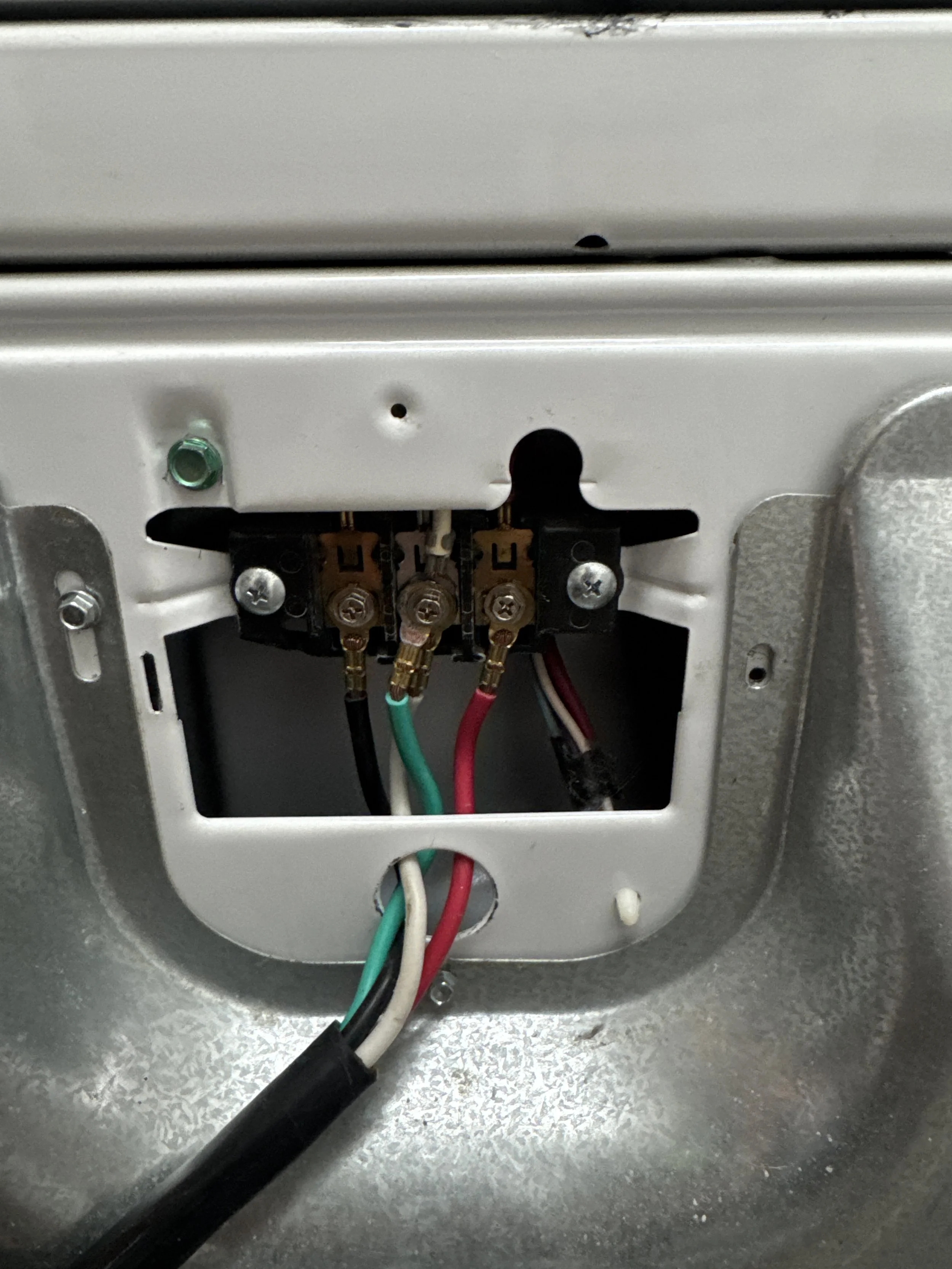
Inside the appliance, a metal strap or wire determines whether the frame is bonded to the neutral, and it must match the cord.
GE’s range instructions for a three-wire connection say to leave the ground strap connection in place. For four-wire, GE says the strap comes out, and the cord’s ground lead goes to the frame. Some Whirlpool ranges have a strap section that is cut out instead.
Whirlpool dryers ship ready for three-wire, with the neutral ground wire attached to the neutral inside the cabinet. For four-wire, that wire moves and the cord’s green wire goes to the cabinet’s ground screw.
Your installer sets the cord and strap to the appliance instructions for the receptacle we install.
07 — Cord Kits
Cord Kits That Fit the Circuit
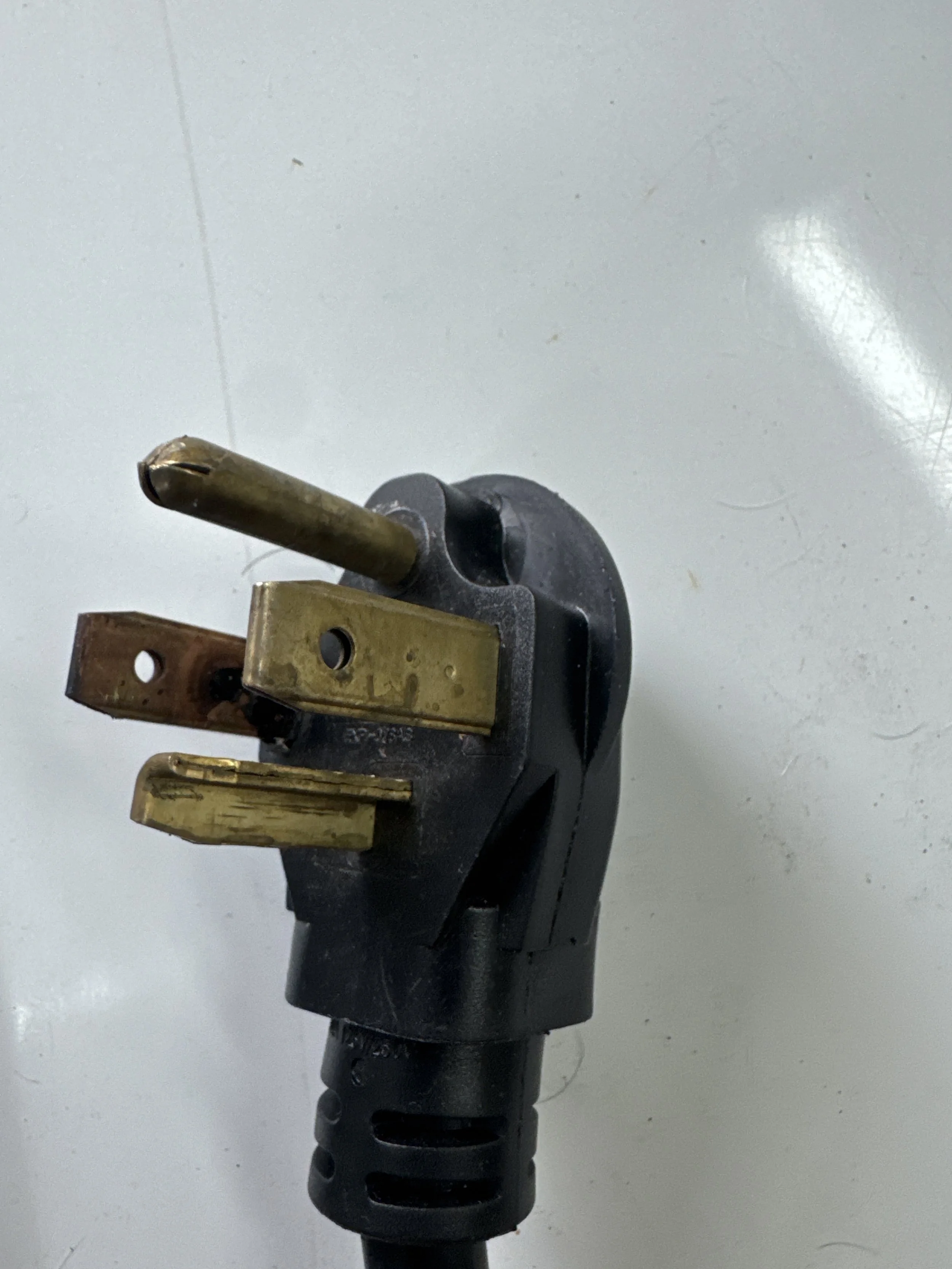
Many ranges and dryers come without a power cord, and the kit you buy has to fit both the appliance and the circuit. Whirlpool calls for a listed 30-amp cord kit marked for use with clothes dryers, rated 120/240 volts minimum, type SRD or SRDT, and at least 4 feet long. The same instructions say to connect the dryer to an individual branch circuit and not to use an extension cord.
For a range, Whirlpool calls for a UL-listed 40- or 50-amp cord kit sized to the range rating. If the plug will not fit, the answer is the right cord kit or the right receptacle, never a modified plug or an adapter.
08 — Planning the Circuit
Planning Kitchen and Laundry Circuits in an Older Norfolk House
On an older house, the first checks are the breaker size against the new nameplate, the conductor and neutral size, and whether the panel has room for another two-pole breaker. Where it does not, the question becomes service size and panel spaces, which our Norfolk panel upgrade and replacement page works through.
We coordinate timing with your appliance delivery and pull a permit where one is required.
09 — Process
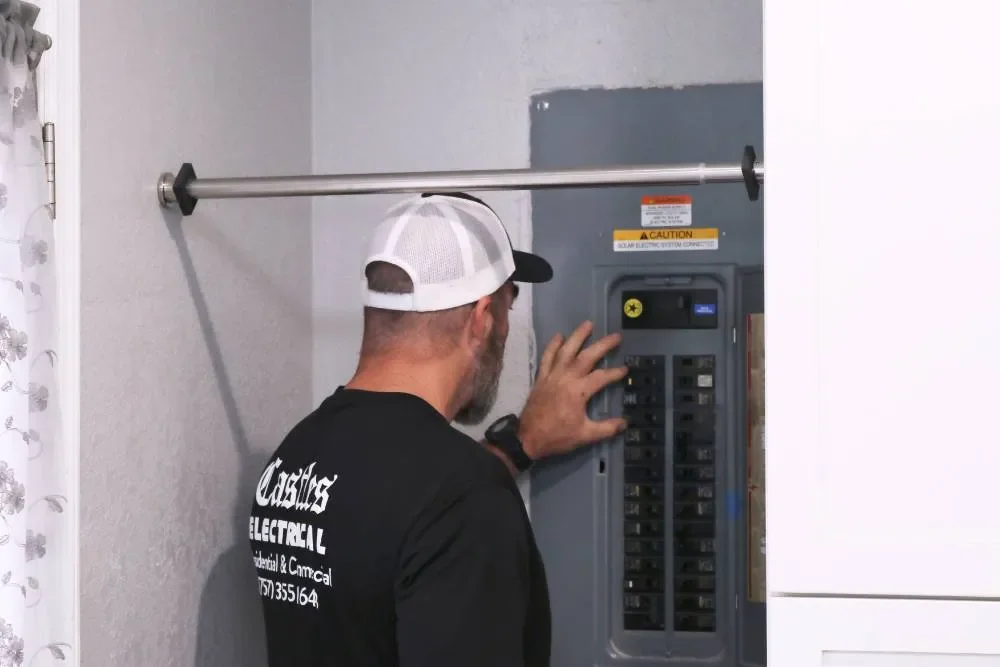
From Outlet Photo to Matched Receptacle
Appliance and outlet details
Model number plus a look at the wall outlet, or where the new appliance will go.
Circuit check
We look at the receptacle type, breaker, conductor and neutral size, and where the circuit starts.
The plan, either way
You get a free installation estimate that keeps the three-wire connection where it qualifies or lays out a new four-wire run.
Licensed work
Our own licensed electricians do the wiring, with a permit where required.
Final match
We set the receptacle and tell your installer which cord connection it takes.
10 — FAQS
Norfolk Range and Dryer Circuit FAQs
11 — Proof
A New Range Plug, Set Right
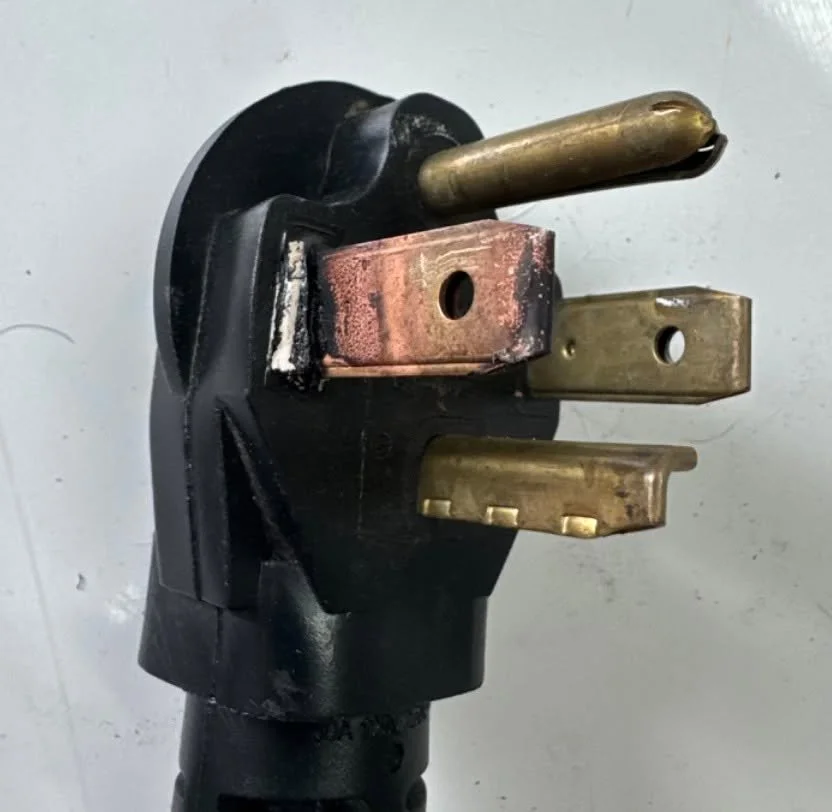
A customer’s review describes a new range whose plug our electrician corrected, along with a hardwired microwave the delivery installers could not connect.
From our five-star Google reviews
Google 5.0 Rated by Hampton Roads Customers
Castles Electrical maintains a 5.0 rating on Google. The reviews below load as a live widget, so this page shows current feedback from real Castles Electrical customers.