outlet, switch, and circuit installation in Suffolk, VA, Castles Electrical

Master Electrician & Class B Licensed

Outlets, Switches & Circuits in Suffolk, VA

Virginia’s current building code, in effect since January 18, 2024, widened GFCI protection to every basement and to 240-volt outlets in locations such as garages. It also dropped a national rule that would have put GFCI on hardwired air conditioner connections. Outdoor receptacles you plug into still need GFCI.

Suffolk builds a lot of new housing. Census figures put 41.8 percent of its homes at 2000 or later and 3.0 percent at 2020 or later, both the highest shares among Chesapeake, Norfolk, Portsmouth, and Suffolk. Those houses were built under the code of their day, but the GFCI list for wiring a garage, basement, or outbuilding today is different.

Castles Electrical installs and replaces outlets, switches, and circuits and wires each one to the code in force. We give free estimates on installation work, and a visit to diagnose or repair a problem carries a service-call charge.

Master Electrical & Alternative Energy License #2710048784 Class B Contractors License #2705166194 Google 5.0 Rated Family-Owned & Operated Since 2012 Licensed Electricians, Never Subcontracted Free Installation Estimates
Licensed. Insured. Trusted. We treat your home like it’s our own.
Locally Owned in Virginia Beach Since 2012 Serving Virginia Beach & Nearby Cities
GENERAC
TESLA
KOHLER
NABCEP
BBBA+
SquareD
GENERAC
TESLA
KOHLER
NABCEP
BBBA+
SquareD
Home / Suffolk, VA / Outlets, Switches & Circuits in Suffolk

01 — Suffolk Homes

Garages, Shops, and Barns on Suffolk Lots

About three in four Suffolk homes are detached houses, and some sit on lots with a detached garage, a workshop, or a barn. Receptacles in those buildings generally need GFCI protection. Power usually reaches an outbuilding on a new circuit or a feeder, and that work requires a permit.

02 — Why Castles

Outlet Work Built to Current Code

GFCI Where Required

Basements, garages, outdoors, and more.

Self-Test GFCIs Explained

We show you what the light and TEST button mean.

03 — Where GFCI Applies

GFCI Protection Under Virginia’s Current Code

Location or equipment
Current Virginia rule
What it means at home
Outdoor receptacles you plug into
GFCI required
Patio, porch, and yard outlets
Air conditioner condenser connection
Not required in Virginia
Hardwired condenser connections
Basements
GFCI in all basements
Finished rooms included
Garage receptacles up to 250 volts
GFCI required
Garage and accessory-building outlets, 120-volt and 240-volt alike
Indoor damp and wet locations
Added to the GFCI list
Damp or wet areas inside the house
Kitchen countertops, bathrooms, laundry areas
GFCI required
Kitchen, bath, and laundry outlets

Virginia’s reasoning for the condenser change was practical: a GFCI’s trip setting and the normal leakage current of an outdoor air conditioner unit are set by separate standards that do not always agree, and a nuisance trip in extreme heat carries its own risk.

Basements and sump pumps

The basement change is broader than it sounds. Earlier editions focused on unfinished basement areas, while the current list covers the whole basement, finished rooms included, and sump pumps were added to the list of equipment needing GFCI protection. In a home with a finished basement or a sump pit, a new or replaced receptacle there is planned with that protection.
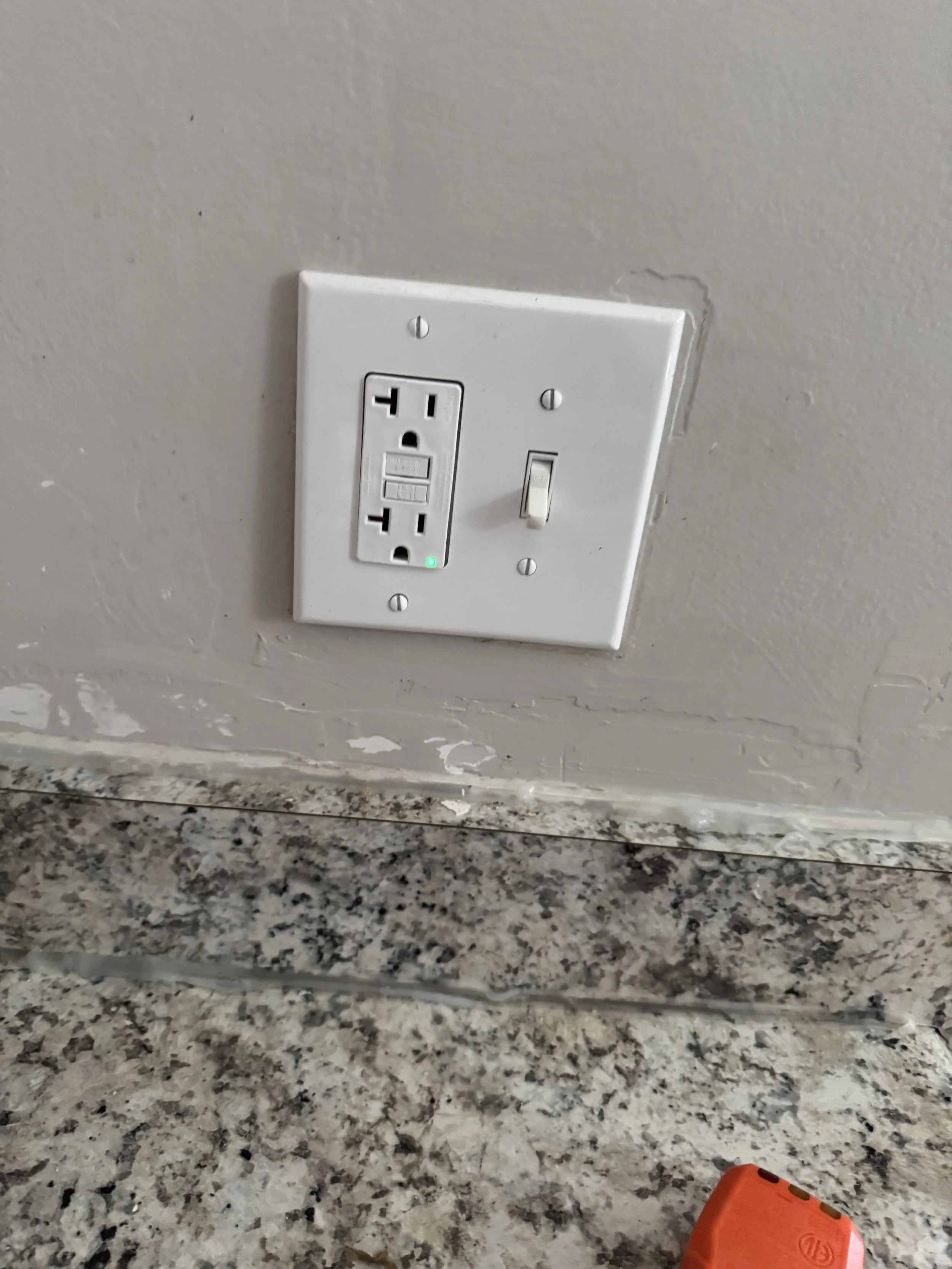
GFCI receptacle with its TEST and RESET buttons beside a switch in a Suffolk, VA home

04 — GFCI Self-Test

GFCIs That Test Themselves, and When They Wear Out

Self-testing GFCIs came after field studies found GFCIs in service that no longer worked, which led the Consumer Product Safety Commission to request a change in the safety standard.

UL Solutions explains that since June 29, 2015, GFCI receptacles and circuit breakers have had to be manufactured with an auto-monitoring, or self-test, function. At end of life, the UL 943 standard calls for the device to shut off power to itself and the outlets it protects, with a light or sound allowed instead for two specific failure modes.

That means an outlet that will not reset, along with the outlets beyond it, can be a GFCI that has reached end of life, with no wiring fault at all. Devices made before that date were not built to the self-test requirement, and older stock could still be sold for a time, so a house built in 2016 may still have some GFCIs without the feature.

Self-testing does not replace the button. UL notes the self-test cannot check the trip solenoid or whether the contacts are welded, which only an actual trip reveals, and the Electrical Safety Foundation International recommends pressing TEST every month. If a plugged-in nightlight does not go off, the GFCI is not working properly.

05 — AFCI Tripping

When an AFCI Breaker Keeps Tripping

Many newer homes have arc-fault protection on bedroom and living-area circuits. It is tempting to blame the breaker when one trips repeatedly, but in a 2025 survey of electrical contractors in Georgia and South Carolina, the Electrical Safety Foundation International found that 84 percent of tripped-AFCI service calls were caused by arc faults, and it listed short circuits, overloaded circuits, and defective devices among the other causes.

Manufacturers do describe nuisance trips, where an appliance, such as a new vacuum cleaner, has an electrical signature that the breaker reads as arcing. The practical test is to run that appliance on a different circuit. If the breaker still trips without it, the circuit needs a closer look for damaged cable, a loose connection, or two circuits sharing one neutral wire.

The Consumer Product Safety Commission notes that AFCIs address fire hazards while GFCIs address shock. A tripping AFCI is never swapped for a standard breaker.
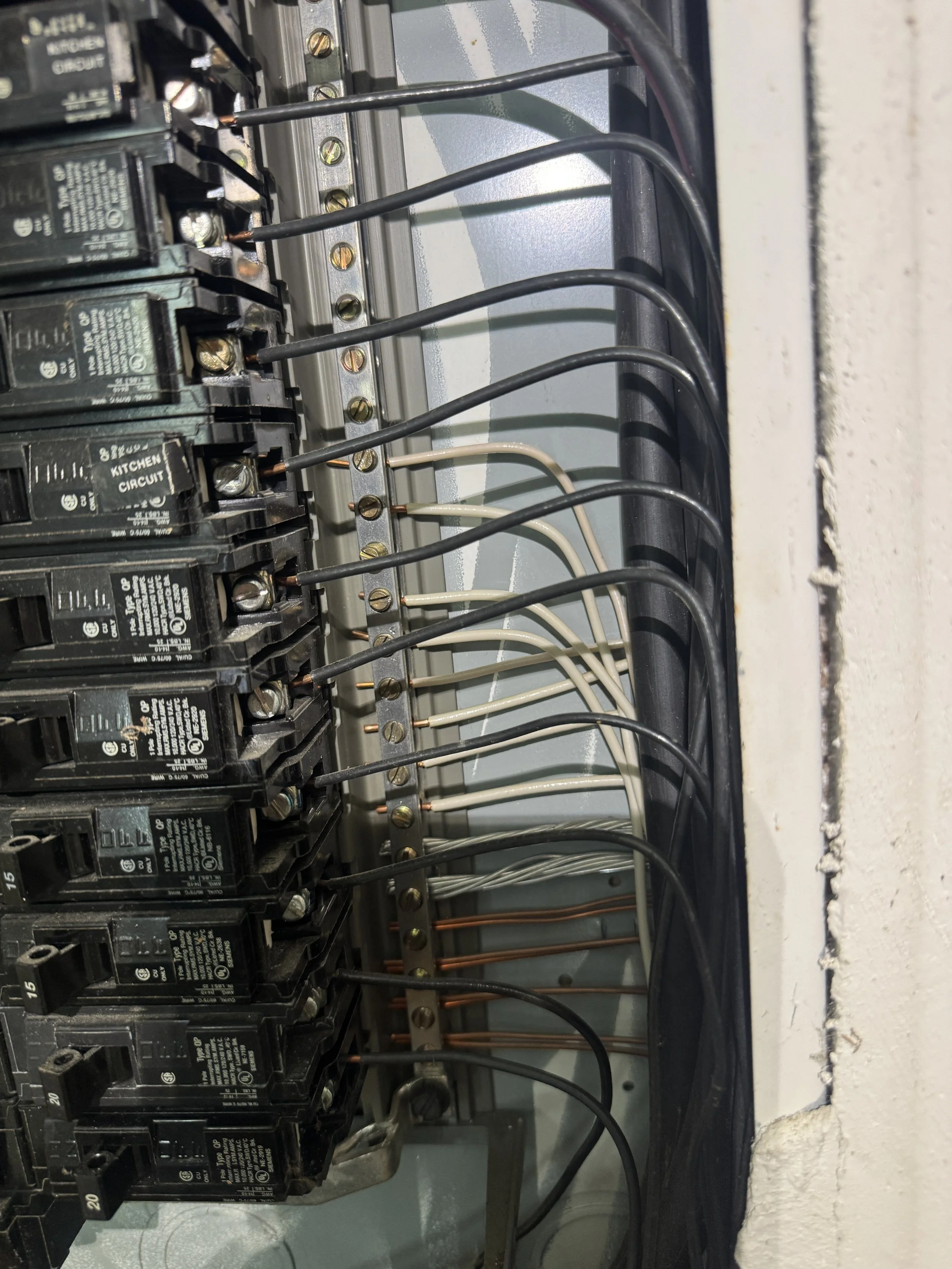
Row of breakers and their conductors inside an opened panel in a Suffolk, VA home
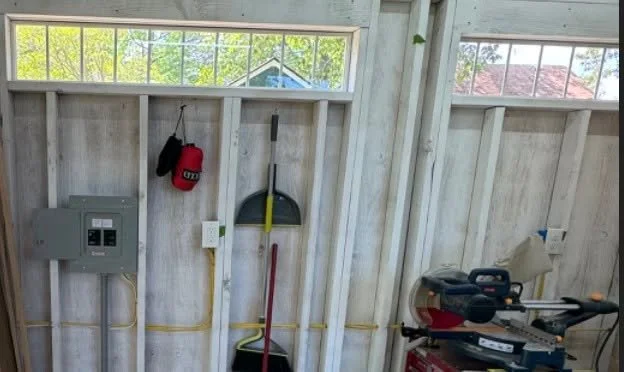
Panel and receptacles on the stud walls of a detached shop on a Suffolk, VA lot

Castles Electrical

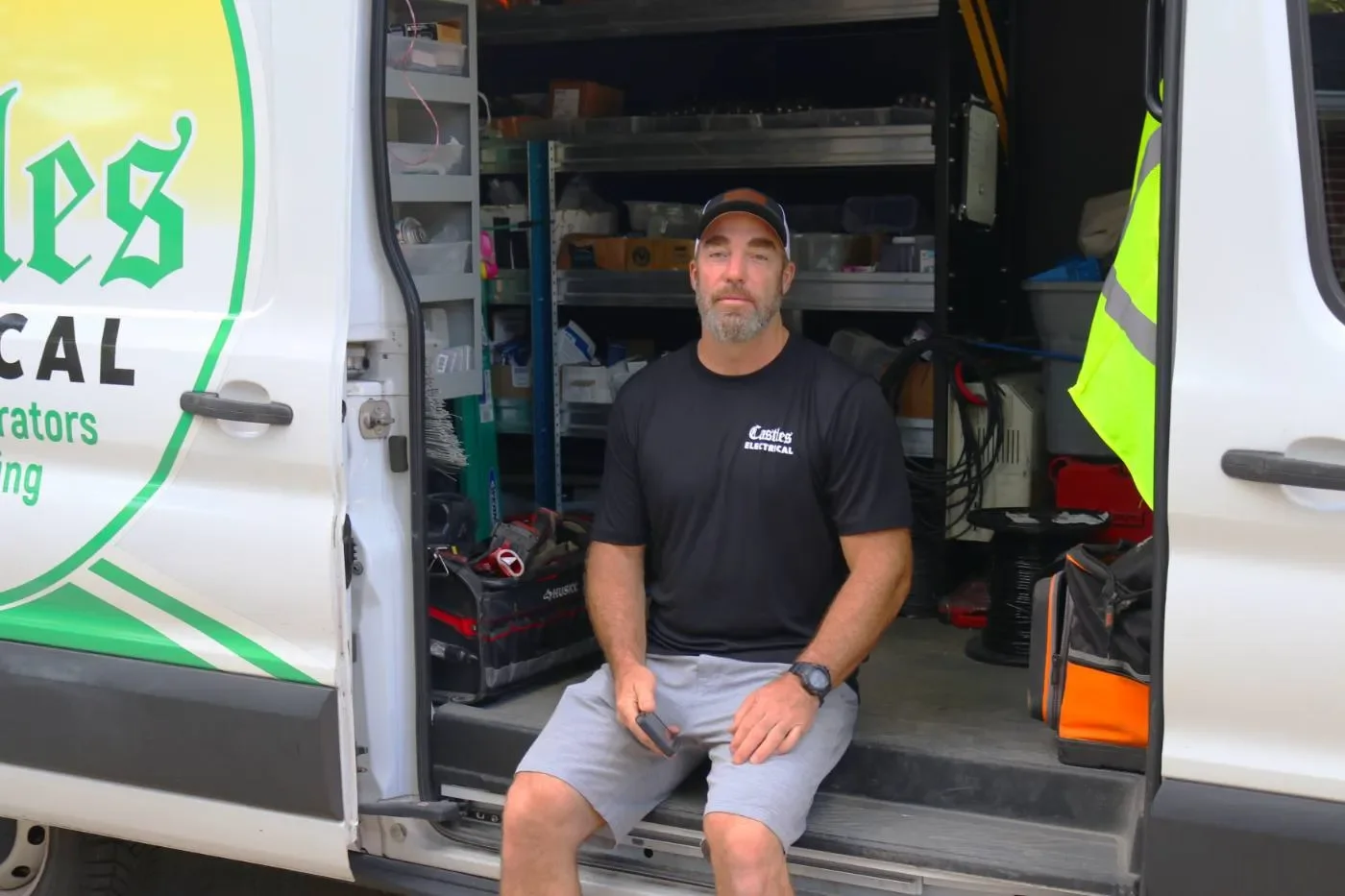
Licensed, insured, and locally owned. The work is done by our own electricians, never subcontracted.

06 — Newer-Home Symptoms

Common Outlet Problems in Newer Suffolk Homes

What you notice
Likely place to look
First step
A GFCI outlet will not reset
A device at end of life, or no power reaching it
Confirm power upstream, then replace the device
An AFCI breaker trips during vacuuming
An arc fault in the circuit, or an appliance’s electrical signature
Try the appliance on another circuit
An AFCI breaker trips with nothing obvious running
Damaged cable or a loose connection
Leave it off and schedule a diagnosis
A GFCI test leaves the nightlight on
The GFCI is not working properly
Replace the device

The test results decide whether the fix is a device, a connection, or the circuit itself.

07 — Process

From Walk-Through to Permit to Tested GFCI

01

Walk the rooms and outbuildings

We note each outlet location, its use, and whether GFCI or tamper-resistant devices apply.

02

File the Suffolk permit

We list each new circuit and its size on Suffolk’s electrical application, file the permit, and request the city’s inspection. We can pick the day; the city sets the time, and an adult has to be there for it.

03

Install and test

Each GFCI we install is tripped and reset before we leave.

08 — Proof

Two Jobs, One Visit

A customer asked for new outlets in the house and a 14-50 receptacle in the garage, and had both finished in a single visit.

From our five-star Google reviews
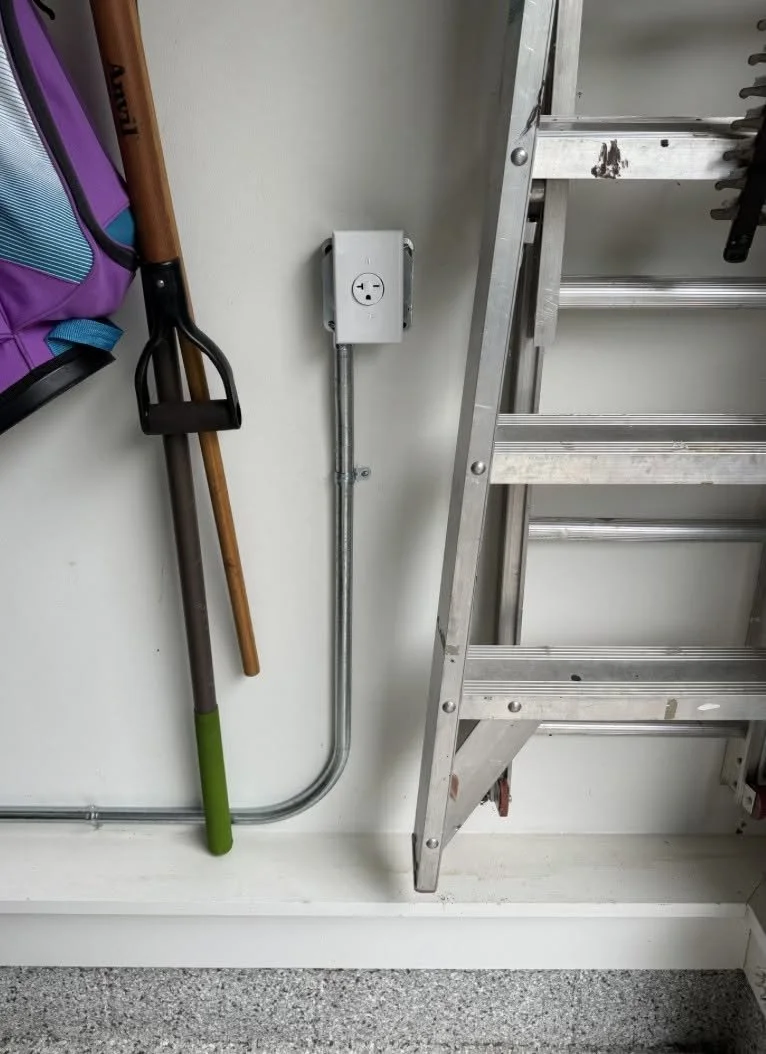
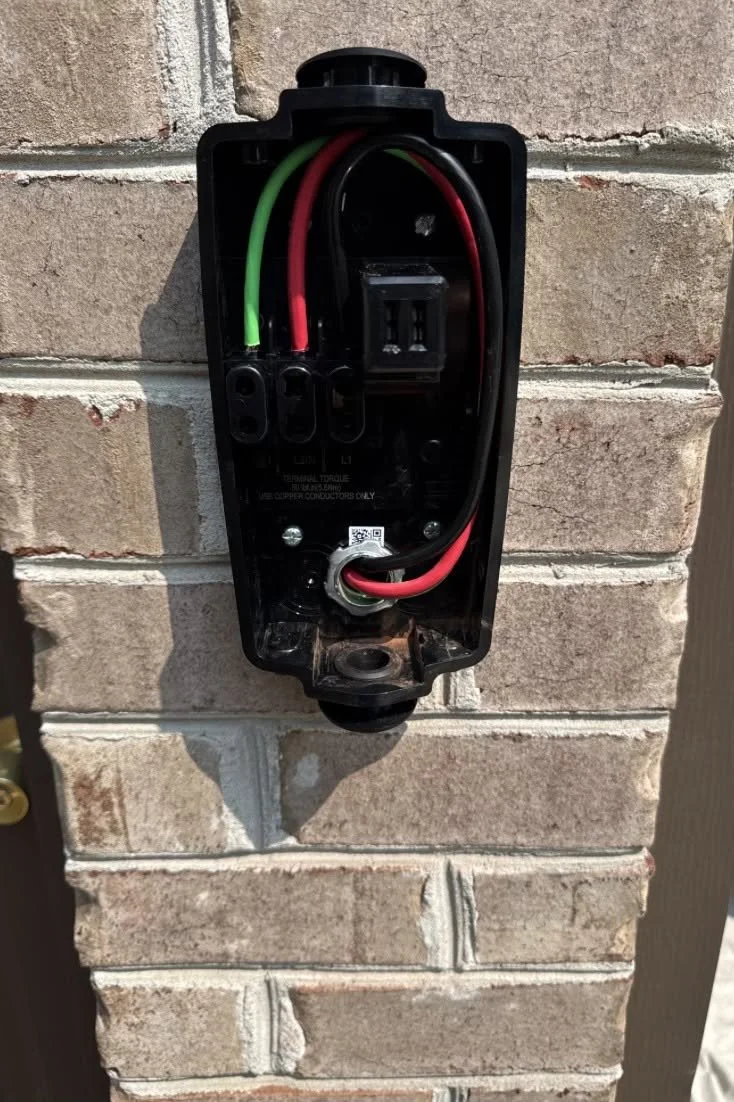
Receptacle on the garage wall of a Suffolk, VA home
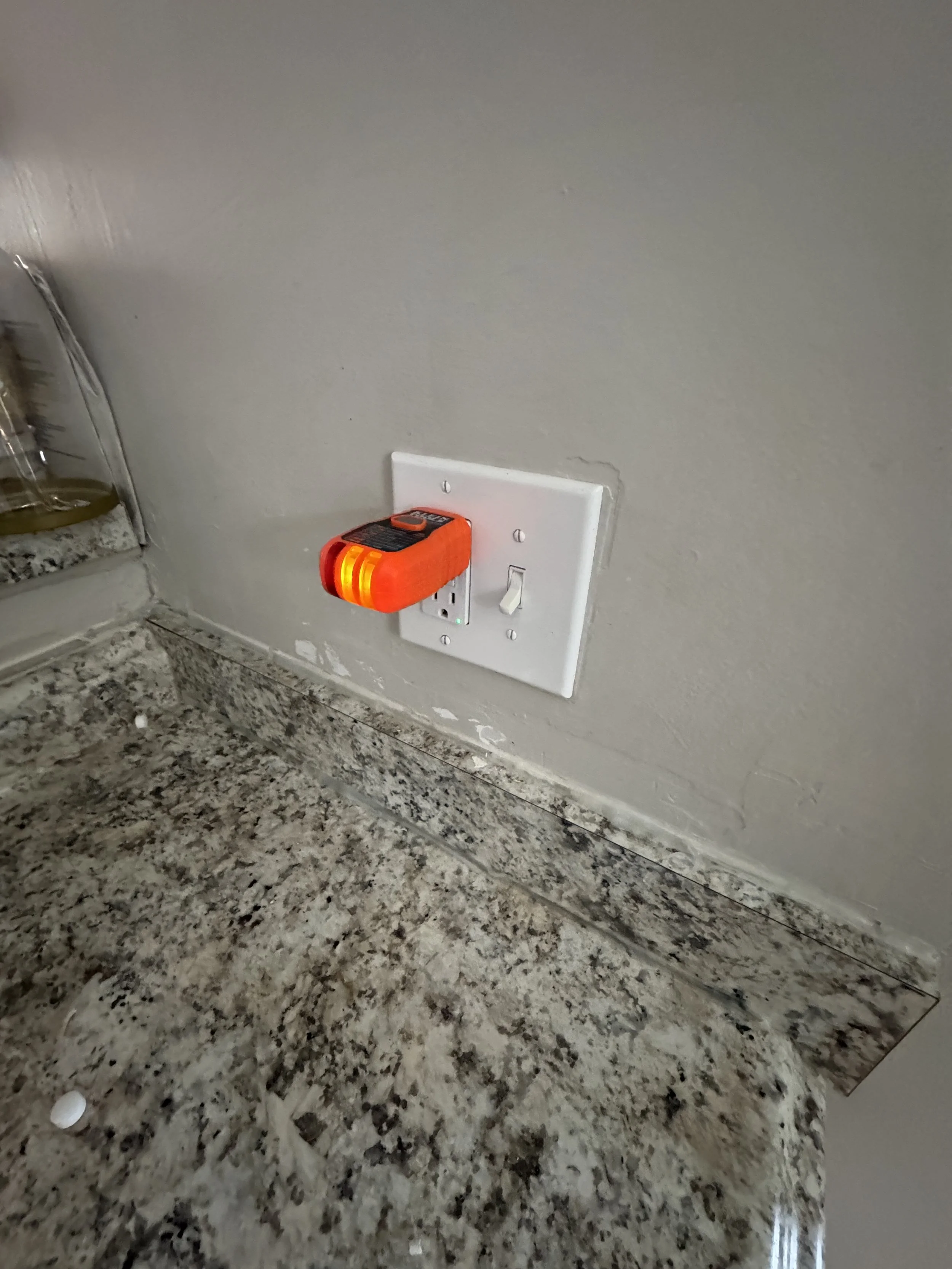
Receptacle at a kitchen counter with a plug-in tester showing its result, Suffolk, VA

Google 5.0 Rated by Hampton Roads Customers

Castles Electrical maintains a 5.0 rating on Google. The reviews below load as a live widget, so this page shows current feedback from real Castles Electrical customers.

Leave Us a Google Review

09 — FAQS

Suffolk Outlet & Circuit FAQs

Outlets in one room went dead, but no breaker tripped. Why?+

One GFCI can protect other outlets wired after it, so a tripped GFCI elsewhere can shut them off. Check the other GFCI outlets in the house and press reset. If nothing resets, call us for a service visit.

My outdoor GFCI trips whenever the air conditioner starts. Why?+

Condenser leakage current, a shared circuit, or a failing GFCI can each cause it. We test to find the cause, since each has a different fix.

Does a 14-50 garage outlet for an EV need GFCI?+

Under the current code, a 240-volt receptacle in a garage needs GFCI protection. We install it with the right breaker and receptacle for continuous charging loads.

How often should AFCI breakers be tested?+

ESFI recommends monthly. Press the TEST button on the breaker at the panel; if it does not trip, have a licensed electrician replace it.

Is there one device that gives both GFCI and AFCI protection?+

Yes. The Consumer Product Safety Commission notes that combination devices provide both AFCI and GFCI protection in a single unit. Whether a breaker or an outlet-type device fits depends on the circuit and the panel, which we check before recommending one.

Ready When You Need Us

Get Suffolk Outlets Wired to the Current Code

Name the outbuildings on the lot and what you plan to plug in out there.

Office and hours

Based at 2984 S Lynnhaven Road, Suite 104, Virginia Beach, VA 23452.

  • Monday to Friday: 7:00 AM to 10:00 PM
  • Saturday: 7:00 AM to 7:00 PM
  • Sunday: Closed
  • After-hours voice messages are checked, and we take emergency and after-hours calls when we can

Suffolk builds newer than its neighbors, and the newest houses here are still older than the current GFCI list.

Castles Electrical electrician reviewing the job with a homeowner