
Step-by-Step Guide To The Electrical Panel Replacement Process
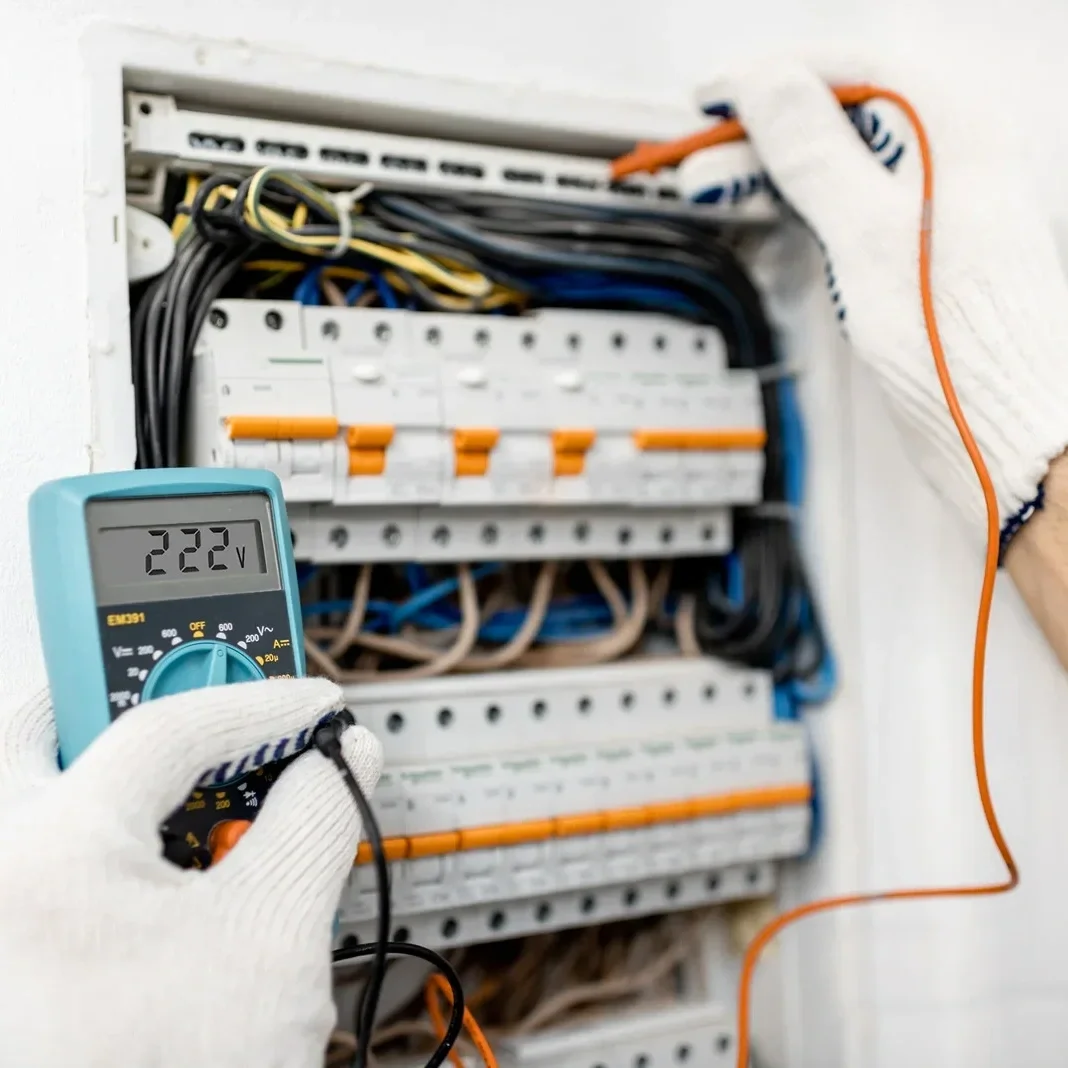
Panels typically last several decades, but factors such as wear, corrosion, moisture, and increased household electrical demands can shorten their lifespan.
An electrical panel is the central distribution point that receives power from the utility company and supplies it to every circuit throughout the home. It houses the main breaker, individual circuit breakers, and bus bars that help manage current flow safely and efficiently. Panels typically last several decades, but factors such as wear, corrosion, moisture, and increased household electrical demands can shorten their lifespan. Common terminology includes breaker box, service panel, distribution panel, or load center. Understanding these terms helps homeowners follow the replacement process with confidence.
Signs you need a replacement
Several warning signs indicate that a panel may be nearing the end of its safe service life. Frequent breaker trips suggest the panel cannot support the current electrical demand. Older homes may still use fuse systems, which are outdated and often unsafe for today’s power requirements. Visible damage such as rust, scorching, buzzing, or melted insulation is a major red flag. Other alerts include warm breakers, flickering lights, or the inability to add new circuits. Ignoring these issues raises the risk of electrical fires, shock hazards, and appliance damage.
Importance of proper replacement
A properly replaced electrical panel enhances safety, improves electrical reliability, and ensures the home meets modern code requirements. New panels support higher electrical loads required for modern appliances and HVAC systems. They also reduce fire risks caused by overloaded or failing older equipment. Replacing the panel ensures the home remains compliant with evolving electrical codes, which helps protect insurance coverage and improves property value.
When to call a professional
Only licensed electricians should replace electrical panels because the process involves high-voltage components, complex wiring, and legal requirements for permits and inspections. Homeowners should seek expert help if the panel shows signs of overheating, if renovations require service upgrades, or if tripping becomes frequent. Attempting DIY repairs is unsafe and may violate building codes, void insurance coverage, and create severe electrical hazards.
Preparing for electrical panel replacement
Assessing electrical load
Before replacement, the home’s total electrical load must be calculated. This involves listing high-demand appliances such as HVAC systems, electric ranges, dryers, water heaters, and EV chargers. Anticipated future needs, including additions or modern appliances, should also be considered. A panel must be sized to handle both current and future electrical use to prevent overloads and protect home systems.
Choosing the right panel
Panels vary by amperage, configuration, and brand. Most modern homes require at least a two-hundred-amp panel, while larger homes may need higher ratings. Homeowners should evaluate factors such as breaker type, available space, compatibility with AFCI or GFCI protection, and brand reliability. High-quality panels from reputable manufacturers offer better longevity and safety.
Securing necessary permits
Local building codes require permits before replacing or upgrading an electrical panel. These permits ensure that the work is inspected and meets safety standards. Homeowners can typically obtain permits through the local building department, but many electricians manage the process on behalf of their clients. Permits are mandatory and help avoid fines, insurance issues, and failed inspections.
Creating a project plan
Planning the panel replacement involves scheduling, budgeting, and coordinating with all parties involved. During installation, power to the home will be shut off, so homeowners should plan accordingly for refrigeration, heating or cooling, and sensitive electronics. Creating a detailed timeline helps reduce disruptions and ensures all necessary resources are available before work begins.
Tools and materials needed
Essential tools list
Panel replacement requires precise tools such as insulated screwdrivers, torque screwdrivers, voltage testers, wire strippers, pliers, cable clamps, and safety gear. Each tool serves a specific purpose. Voltage testers confirm the absence of live current. Torque screwdrivers ensure tight, code-compliant connections. Insulated hand tools protect against accidental contact with energized components.
Materials checklist
Common materials include the new panel, appropriately sized breakers, grounding bars, wire connectors, cable ties, conduit, and mounting hardware. Using high-quality materials ensures the installation remains safe and reliable. Panels and breakers should carry certification marks from recognized testing laboratories.
Safety equipment
Replacing a panel requires insulated gloves, safety glasses, hearing protection, and lockout devices. These items protect against shock hazards, arc flash risks, and accidental power restoration. Safety gear is non-negotiable during panel replacement.
Where to purchase supplies
Supplies can be purchased from hardware stores, electrical supply houses, or reputable online retailers. Homeowners should ensure all purchased materials meet industry safety standards and are compatible with their panel type.
Step 1: Shutting off power safely
Disconnecting power from the main source
The first step in any replacement is disconnecting the home’s power supply. This typically involves shutting off the main breaker and verifying that electricity is no longer flowing into the panel. Some installations require utility company coordination to disconnect service at the meter.
Lockout/tagout procedures
Lockout/tagout devices ensure that no one accidentally restores power during the replacement. These devices physically block the breaker from being switched on and include tags that warn others of ongoing work.
Checking for live wires
A voltage tester must be used to confirm that all panel components are completely de-energized. Never assume wires are safe without testing.
Notifying the utility company
For full panel replacements, the utility company may need to disconnect service from the street or meter. Notifying them helps coordinate timing and ensures safe working conditions.
Step 2: Removing the old electrical panel
Detaching circuit breakers and wires
Breakers must be carefully removed, and wires must be detached and labeled according to circuit location. Labels help ensure accurate reconnection during installation.
Unmounting the panel
The old panel is unbolted from the wall or enclosure and removed. This step requires caution to avoid damaging surrounding walls or conduits.
Inspecting wiring for damage
Existing wiring must be checked for fraying, corrosion, or overheating. Damaged wiring must be repaired or replaced before connecting to the new panel.
Disposing of old panels properly
Old panels may contain hazardous materials and must be disposed of according to local environmental regulations. Recycling centers or licensed disposal facilities typically handle these materials safely.
Step 3: Installing the new electrical panel
Positioning and mounting the panel
The new panel must be mounted according to code, with proper clearance and secure anchoring. Placement affects accessibility and safety.
Connecting main service wires
Service wires are connected to the main lugs or main breaker with precise torque settings. Improper tightening can lead to overheating and failure.
Checking grounding and bonding
Grounding and bonding systems ensure fault currents travel safely to earth. Proper grounding is a critical safety feature required by code.
Installing circuit breakers
New breakers are installed and circuits assigned based on load requirements. Clear labeling helps identify each circuit’s function.
Step 4: Reconnecting circuits and conductors
Attaching labeled wires
Each labeled wire is reconnected to its corresponding breaker or bus bar. Double-checking labels prevents wiring errors.
Tightening connections and checking torque
All connections must meet the manufacturer’s torque specifications to ensure safe operation and prevent loose connections.
Testing for loose or stray wires
Visual and tool-based checks ensure no stray strands or unsecured wires remain.
Maintaining wire organization
Neatly arranged wiring improves airflow, simplifies future repairs, and reduces safety risks.
Step 5: Double-checking installation and compliance
Reviewing local electrical codes
All work must follow local and national codes regarding grounding, wire sizing, breaker type, and clearances.
Supervisory inspection requirements
Local authorities inspect the installation to confirm compliance. Homeowners should prepare documentation and ensure access to the panel.
Documenting the installation
Photos and notes help with future maintenance or property sales.
Final safety inspections
A final walkthrough ensures breakers are correctly labeled, wires are secure, and grounding is verified.
Step 6: Restoring power and final testing
Gradual power restoration
Power is restored to the main breaker, then circuits are activated one at a time while monitoring for issues.
Functional testing of circuits
Outlets, appliances, and switches are tested to ensure proper functionality.
Checking for tripped breakers or errors
Unexpected trips may indicate wiring issues, undersized breakers, or load problems.
Documenting test results
Documenting tests provides a reference for future troubleshooting.
Step 7: Cleanup and panel labeling
Cleaning the work area
Debris, old wiring, and packaging materials should be removed to maintain a clean and safe workspace.
Proper panel labeling procedures
Accurate labeling ensures circuits can be identified quickly during emergencies or repairs.
Storing documentation and manuals
Manuals, diagrams, and permits should be stored in a safe, accessible location.
Final walkthrough with homeowners
The electrician explains the new system, demonstrates breaker functions, and answers questions.
Step 8: Maintenance and troubleshooting
Establishing a maintenance routine
Periodic inspections help detect early signs of wear, corrosion, or loose connections.
Identifying common issues
Flickering lights, warm breakers, and tripping may indicate panel or circuit issues requiring attention.
Conducting safe DIY checks
Homeowners can check for visible damage, but should avoid opening the panel interior.
Scheduling professional inspections
Routine professional inspections help ensure long-term safety and compliance.
Benefits of upgrading your electrical panel
Enhanced safety
Modern panels reduce risks of shock, fire, and electrical failure.
Increased electrical capacity
Upgraded panels support modern appliances, additions, and high-demand equipment.
Improved energy efficiency
Newer panels provide more stable power, reducing waste and improving performance.
Higher property value
A new panel increases resale value and satisfies home inspection requirements.
Cost considerations and budgeting tips
Estimating replacement costs
Costs include labor, materials, permits, and potential wiring upgrades.
Possible cost savings
Combining multiple electrical projects can reduce labor charges.
Financing and incentives
Some local programs or utilities offer rebates for upgrades.
Value versus expense
Long-term safety and performance outweigh initial investment.
Conclusion
Replacing an electrical panel is a detailed process that requires careful planning, skilled installation, and strict safety measures. Understanding each step ensures homeowners can work confidently with professionals, make informed decisions, and maintain a safe electrical system. A new panel enhances safety, supports modern electrical demands, and adds lasting value to the home.
Electrical Panel Replacement FAQs — Act Now to Avoid Hazards
How long does it take to replace an electrical panel?
Replacement typically takes several hours to a full day, depending on the complexity and utility scheduling.
Can I replace an electrical panel myself, or do I need a professional?
Due to safety risks and code requirements, replacement must be done by a licensed electrician.
What are the risks of not replacing an old or damaged electrical panel?
Delaying replacement increases risks of fires, outages, equipment damage, and insurance complications.
How do I know if my home’s electrical panel is up to current code?
A licensed electrician can evaluate the panel, review wiring, and verify whether it meets current code standards.
Castles Electrical offers electrical panel installation, electrical panel replacement, whole home rewiring, new construction wiring, generator installation, and backup power solutions to home and business owners in the Virginia Beach area. As a family-owned business, safety and quality are our top priorities. Call today to schedule an appointment.