01 — Space and Capacity
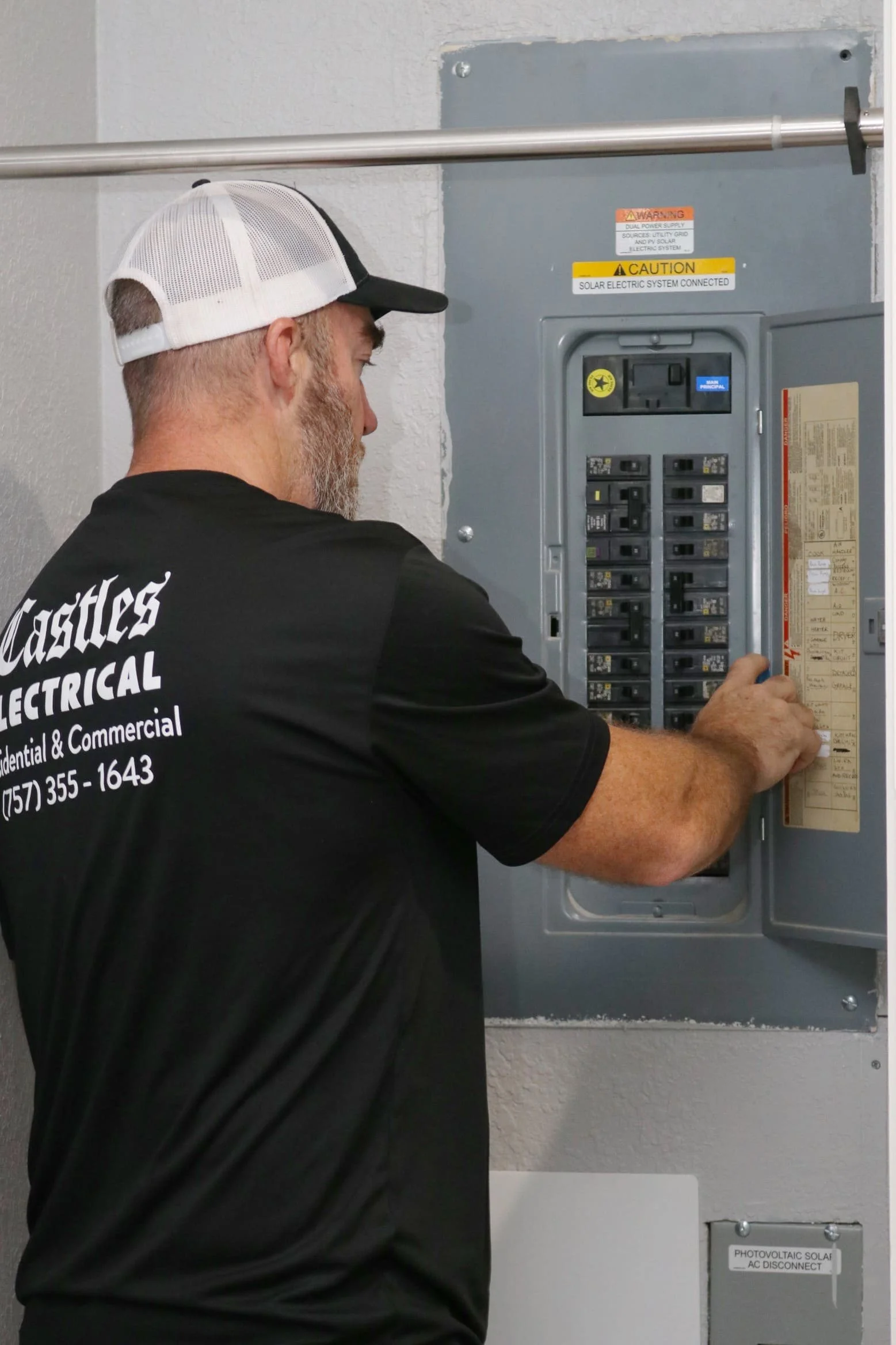
More Breaker Spaces, Same Service
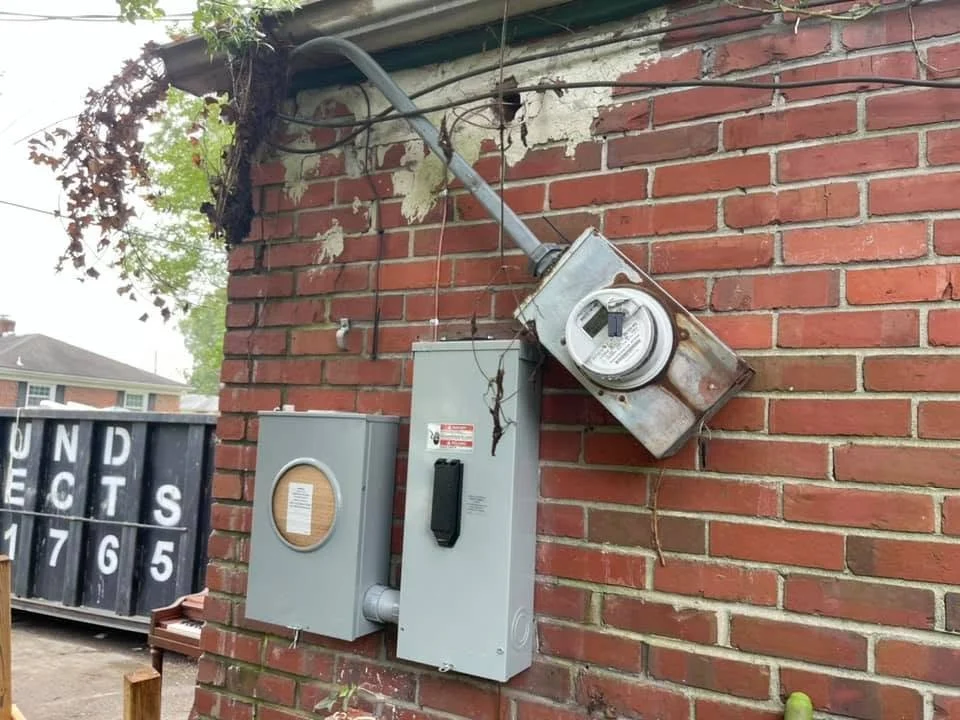
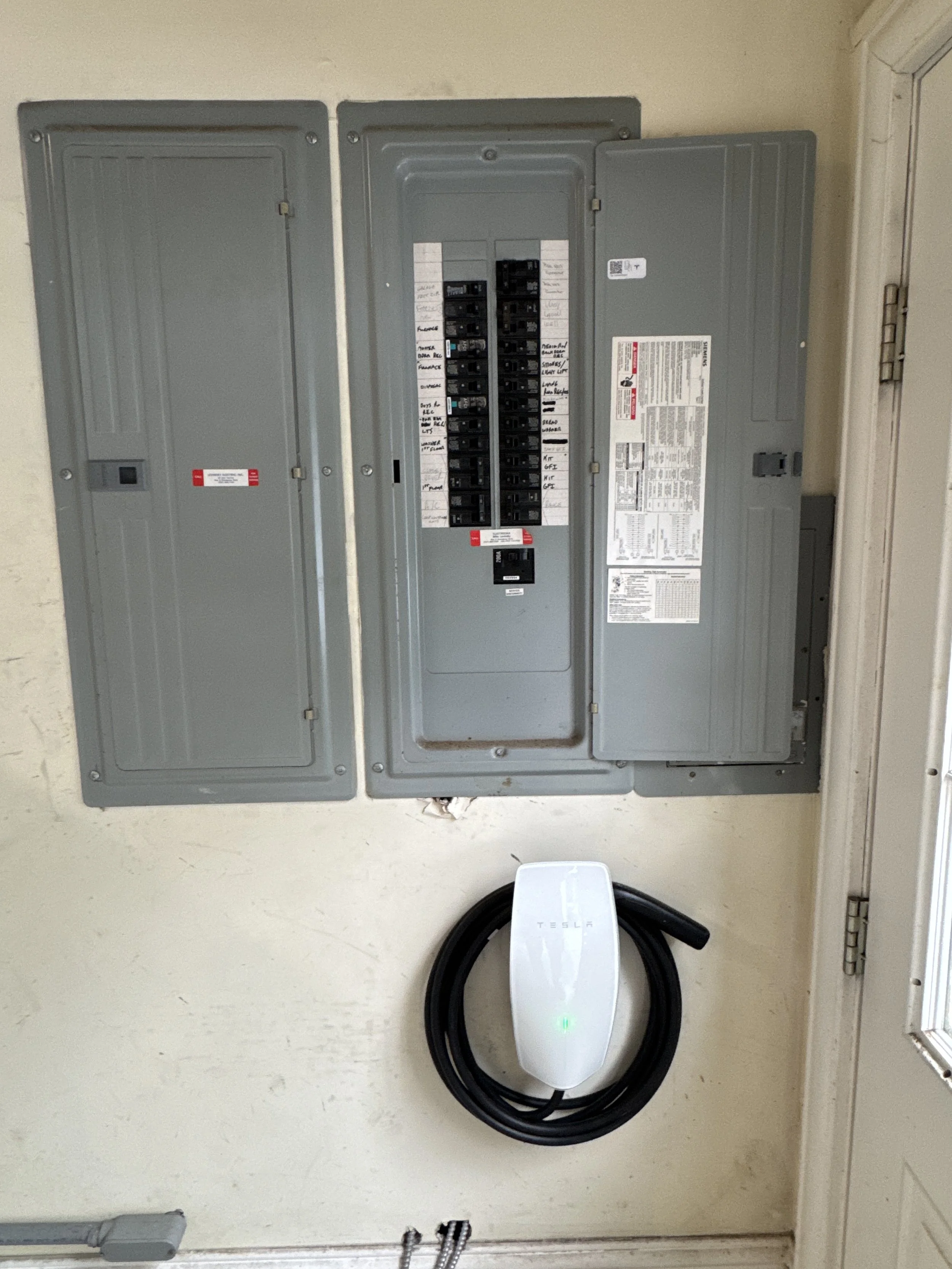
A subpanel is fed from the main panel, so every amp it delivers still comes through the service Dominion connects to the house. Adding one solves a full panel. It does nothing for a service that is already working hard.
That question comes up often in Portsmouth, where most houses were wired long before today’s shops, chargers, and heat pumps.
If lights throughout the house dim when a big appliance starts, a Portsmouth electrical safety inspection can show whether a single circuit or the entire service is the problem.
02 — Measured Demand
Sizing From a Year of Real Demand
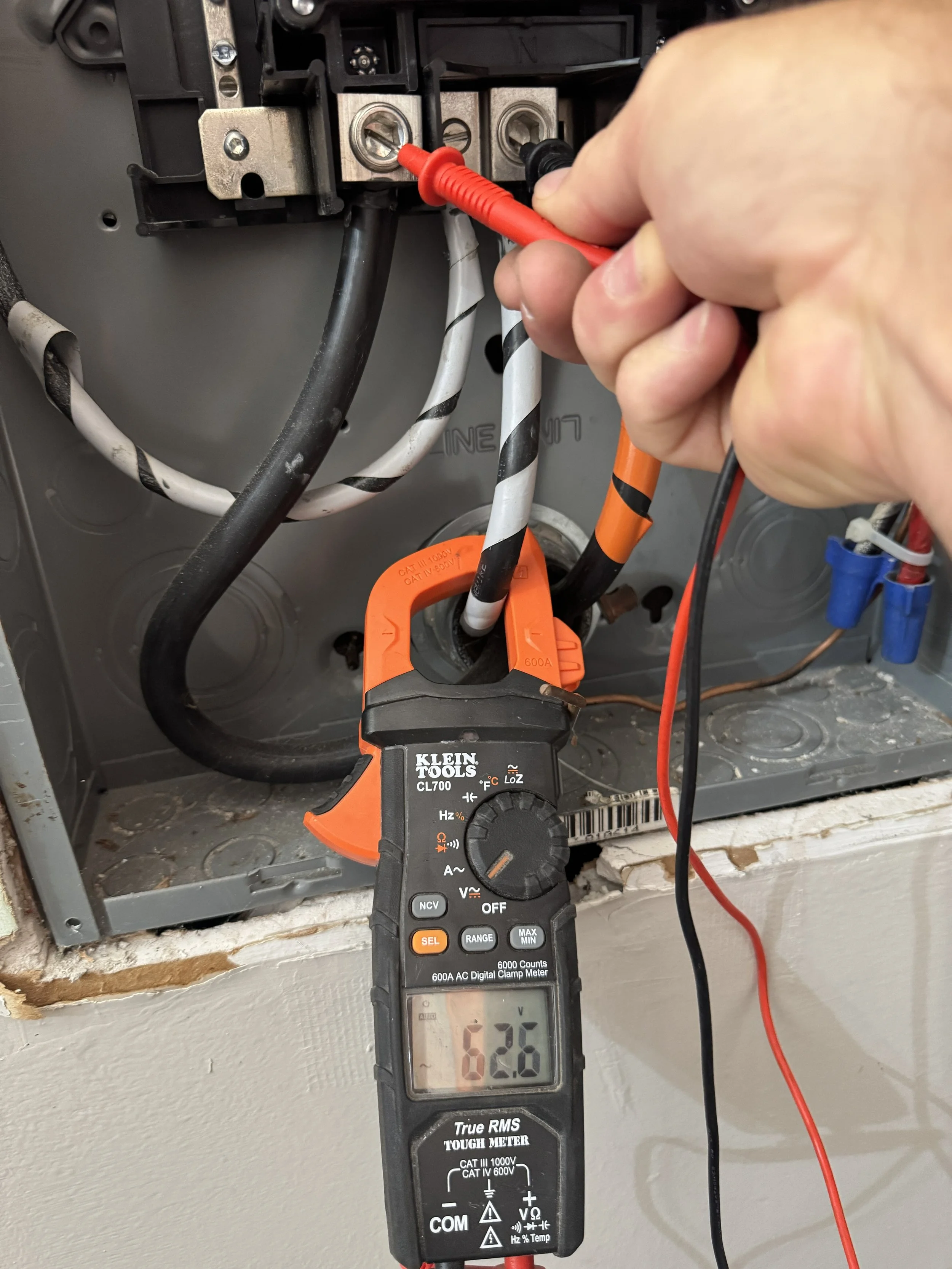
Virginia’s current building code adopts the 2020 National Electrical Code. Section 220.87 allows the existing load on a service or feeder to be set by actual maximum demand, in place of a calculation, when the conditions are met. The first condition is a full year of maximum demand data.
The second is the math. The highest demand that year, multiplied by 125 percent, plus the new load, must not exceed the service rating or the feeder ampacity.
Here is an example. A 100-amp service with a peak demand of 60 amps comes to 75 amps after the 125 percent step. That leaves 25 amps for new load, so a new load that calculates to 20 amps fits on paper and one that calculates to 30 amps does not. The third condition is that the feeder and service are properly protected against overcurrent, which we check on site.
Your own service rating and history set the real answer. When measured demand cannot be used, a standard load calculation decides it, as explained on our Portsmouth panel upgrade page.
03 — Dominion Usage Data
Where Portsmouth Homeowners Find Their Usage History
Dominion Energy says customers with a communicating smart meter can see their energy use by month, day, and 30-minute interval. After logging into Manage Account and enrolling in Detailed Energy Usage, you can download the 30-minute interval data yourself.
The code’s short-term measurement is written around a 15-minute demand interval, and a 30-minute average can read lower than the true 15-minute peak, so we treat the download as a starting point and allow for that. When a permit depends on measured demand, we confirm the approach with the city’s inspectors.
04 — 30-Day Recording
No Full Year of History? The 30-Day Option
A recently purchased house, or an account opened in your name a few months ago, may not show a year of history in your own login. Section 220.87 has an exception for that case. The existing load can be based on the maximum demand recorded continuously for at least 30 days by a recording ammeter or power meter on the service’s most heavily loaded phase.
Demand in that exception means the highest average kilowatts reached and maintained over a 15-minute interval, and the recording is based on the loading at the start of that interval.
Season matters with a short window. Thirty days in October can look very different from thirty days in January in a house with electric heat. The code requires the recording to be taken while the house is occupied and to include, by measurement or calculation, the larger of the heating or cooling load and other seasonal loads. We pay attention to which month a recording covers, and we will tell you whether that route fits your project.
05 — Energy Management
Managing Large Loads Before Growing the Service
Article 750 of the 2020 code allows an energy management system to monitor and control electrical loads within limits. It may not override load-shedding controls that protect the minimum capacity of critical systems, and section 750.30 states that it shall not cause a branch circuit, feeder, or service to be overloaded at any time.
In practice, the 2020 code gives a clear example for car chargers: where an automatic load management system limits the charger, the charger counts at the limit that system allows. Whether other managed loads can be counted that way is a question we settle with the inspector before relying on it; when the math still comes up short, a service upgrade is the answer.
06 — Comparison
Five Ways to Answer “Will My Service Carry It?”
08 — Process
How a Portsmouth Subpanel Is Planned and Installed
Tell us what you are adding
The room, shop, or equipment, with nameplate ratings if you have them.
Gather the history
Share your Dominion interval download, or we plan around the paper calculation.
Run the numbers
Measured demand and the new load are checked against the service and feeder.
Choose the route
A subpanel or a service upgrade, in a written installation estimate.
Permit, install, inspect
We pull the Portsmouth electrical permit, install the feeder and subpanel, and meet the inspector.

09 — Why Castles
How We Handle Portsmouth Subpanels
Sized on Real Demand
Your usage history reviewed before breakers go in.
Clear Next Step
A subpanel or a larger service, explained in writing.
10 — Proof
Questions Answered, on Schedule
A customer’s review describes our electrician as very professional and helpful in answering their questions, and notes he arrived on time.
From our five-star Google reviews

Google 5.0 Rated by Hampton Roads Customers
Castles Electrical maintains a 5.0 rating on Google. The reviews below load as a live widget, so this page shows current feedback from real Castles Electrical customers.
11 — FAQS