02 — Common Findings
Common Findings on Suffolk Properties
03 — Wells
Buying a Suffolk Home on a Private Well
The Virginia Department of Health does not require a well inspection or water testing when a property with a private well is sold, though a lender or locality may. For the well itself, VDH recommends a licensed water well service provider. Records can be thin, too: Virginia did not require private well records before 1990, so an older rural well may have no construction record.
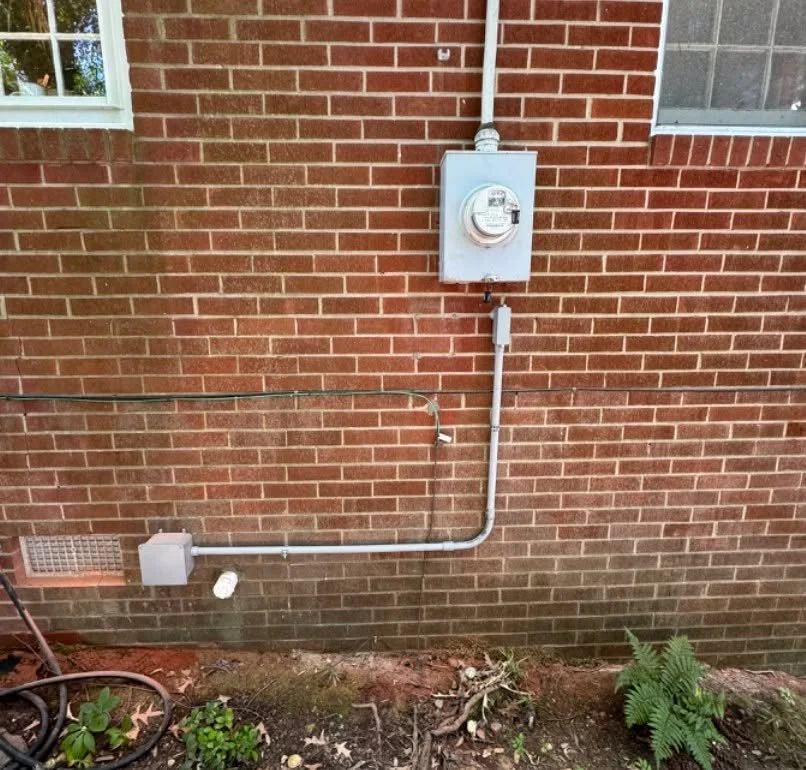
Our inspection covers the electrical side of the water system: the pump’s breaker and circuit, the wiring to the pressure switch or control box, the disconnect, and any damaged or exposed cable at the wellhead. Where a submersible pump sits in a metal well casing, the National Electrical Code has long required the casing to be bonded to the pump circuit’s equipment grounding conductor, and we check for that connection where it can be seen.
Water quality, flow, and pump performance are handled by a licensed water well service provider. If the house is on a well, mention it when you book so the visit includes time at the wellhead.
04 — Pools and Hot Tubs
Pools and Hot Tubs on a Suffolk Property
Suffolk’s building department has published a handout on pool and spa barrier and bonding requirements, written to the 2018 code. Much of the bonding it describes sits out of sight once a pool is finished. A Consumer Product Safety Commission safety release identifies older pools as the biggest concern because underwater lighting may have degraded with age and may not be GFCI-protected.
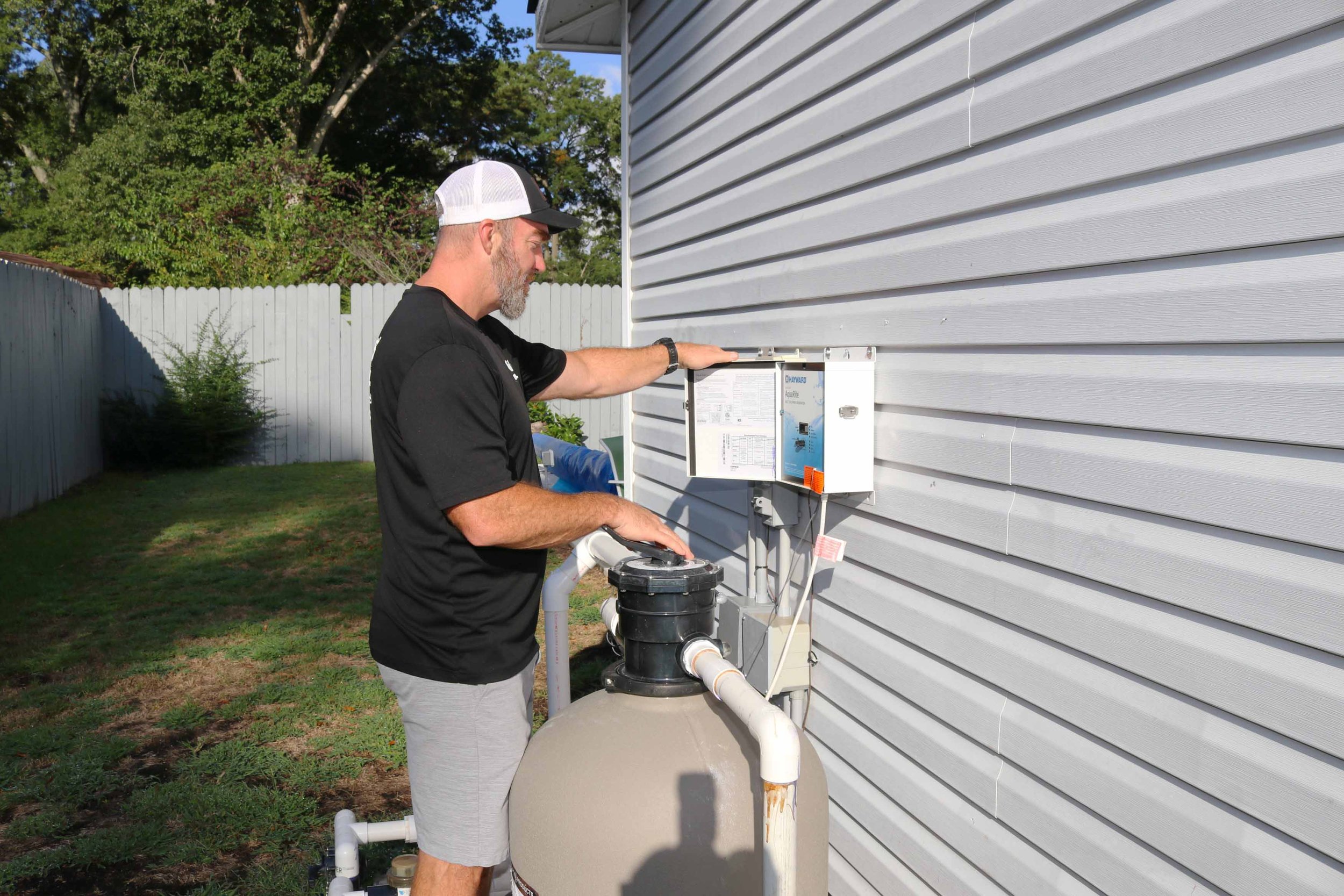
When you include a pool or hot tub in the inspection, we check what can be seen and tested. That includes GFCI protection for the pump and for receptacles near the water, the distance of other receptacles from the water, and a disconnect within sight of the equipment. We also look at underwater and overhead lighting, overhead wires near the pool, and the bonding conductor at the pump motor, heater, and other metal parts.
The bonding grid around a pool is buried in the deck and shell, so an inspection confirms only the connections it can reach. The CPSC lists a tingling sensation in the water and underwater lights that flicker or stay on when they should be off as warning signs. If you notice either, get out of the water, avoiding a metal ladder if possible, turn off all power to the pool equipment, and have it checked before anyone swims.
05 — Farm Buildings
Barns and Farm Buildings Outside the Building Code
Virginia exempts farm buildings from the Uniform Statewide Building Code, with narrow exceptions such as a farm building run as a restaurant or flood-proofing rules in a floodplain. A farm building, under that law, is one not used for residential purposes and used mainly to store farm products, shelter animals, or house machinery. A barn or poultry house on a working farm may never have had its wiring reviewed.
Suffolk’s development ordinance allows livestock in its Agricultural, Rural Residential, and Rural Estate districts, so barns and animal buildings are part of many rural lots here.
Animal buildings are hard on wiring. The electrical code’s agricultural rules address damp and wet conditions, dust from feed and litter, and corrosive agents from livestock waste. We look for corroded boxes and fittings, dusty enclosures, and cables within reach of animals or rodents.
Livestock are sensitive to slight voltage differences between surfaces they touch, and wet concrete adds to that sensitivity, so animals that balk at a waterer or metal gate are worth having checked.
A barn converted to an apartment or other living space is used for residential purposes, so it no longer fits that farm building definition. Before adding new wiring to any farm building, check with the city on what it requires.
06 — Process
How We Inspect a Suffolk Property
Walk the property with you
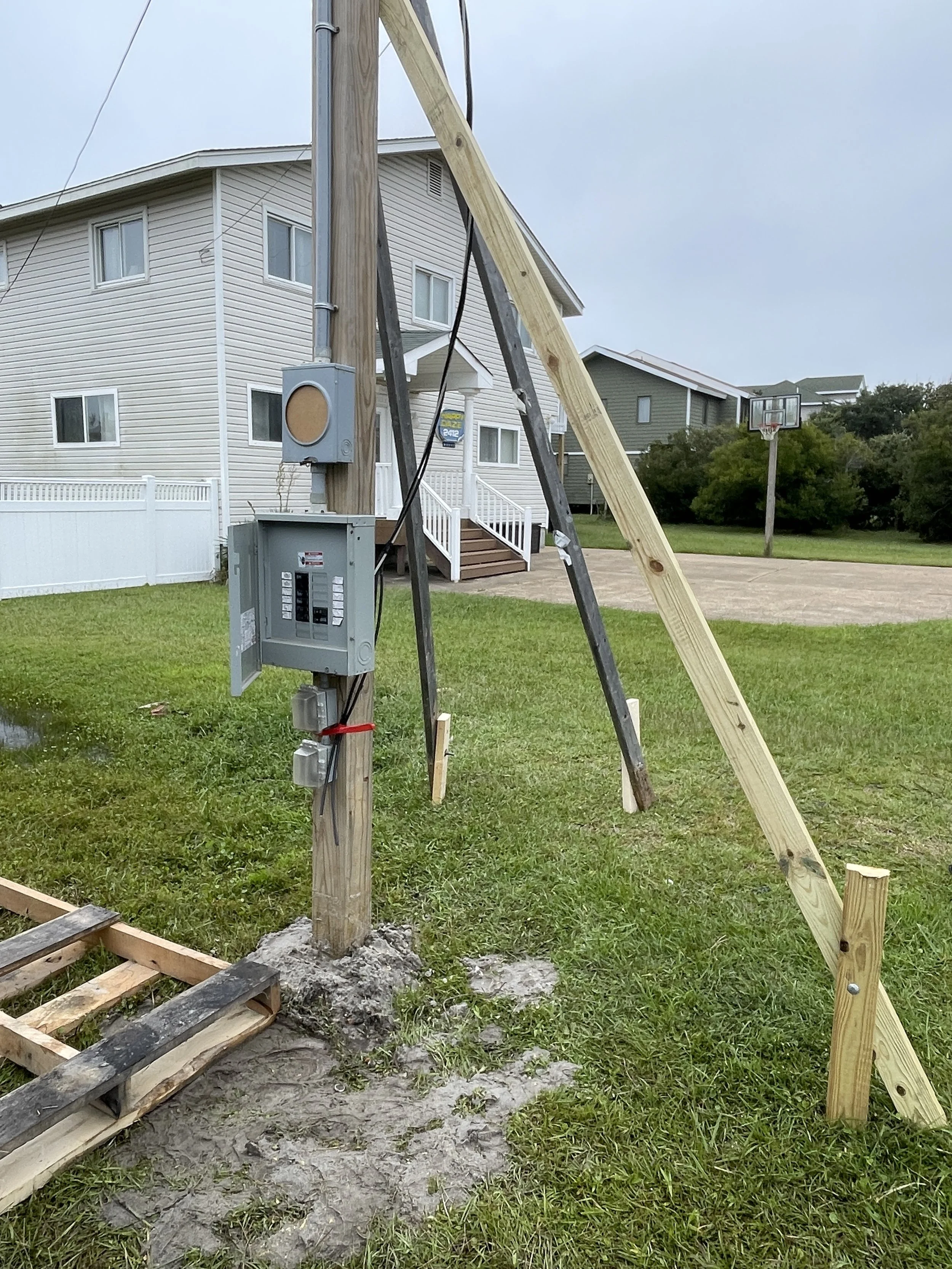
We note every building that has power and any generator or inlet.
Main service and panel
Service entrance, grounding, breakers, and a thermal scan under load.
Generator connection
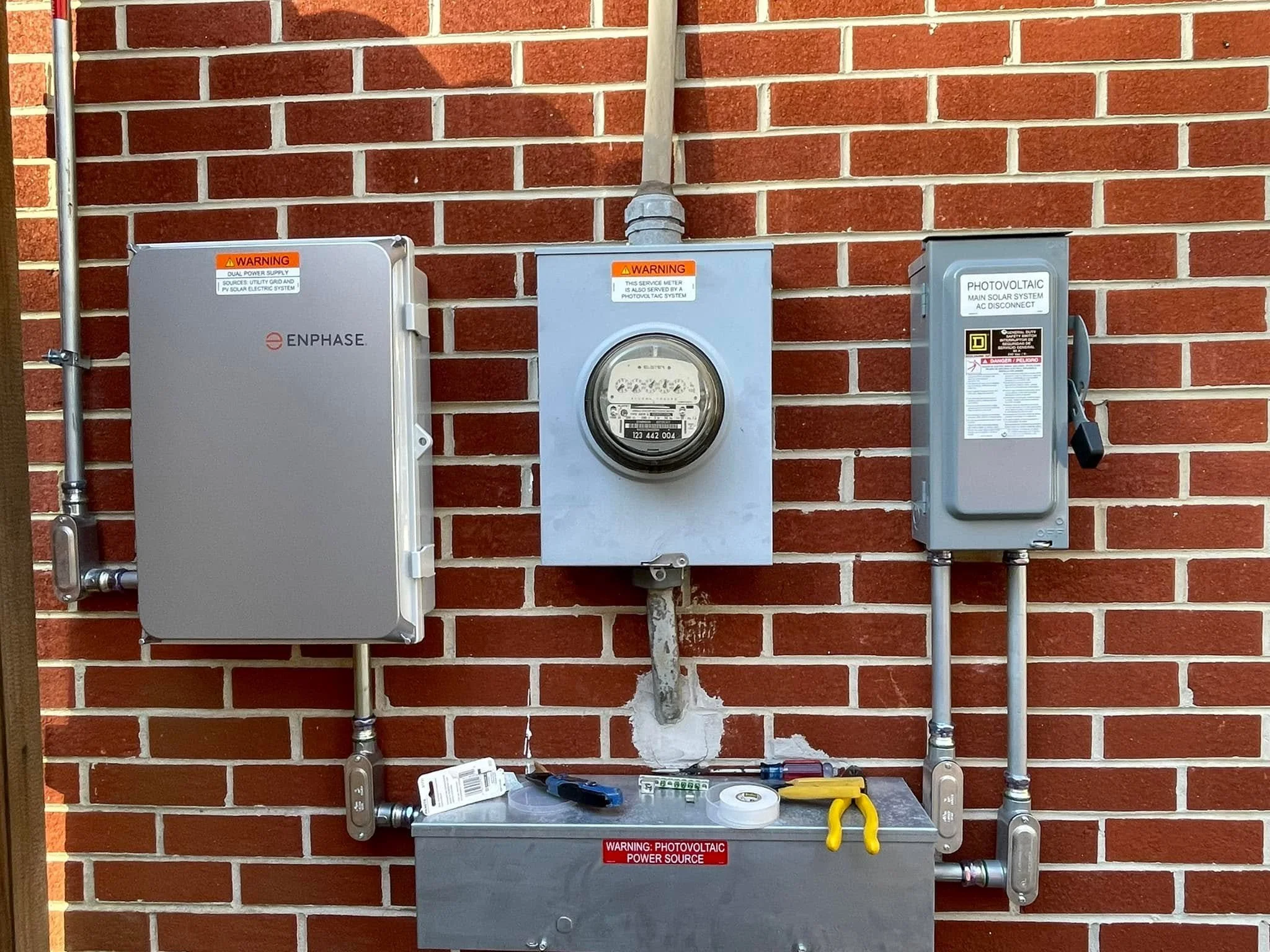
Inlet, interlock, or transfer switch, and how the generator connects to the panel.
Outbuildings, well, and pool you name
Feeders, disconnects, grounding, pump circuits, and pool bonding we can reach.
Written findings
Listed by building, with corrections quoted separately.
07 — Why Castles
What the Suffolk Report Covers
Generator Hookup Checked
Interlock, inlet, or transfer switch.
Every Building You Name
House, shop, and barn on one report.
08 — FAQS
Suffolk Electrical Inspection FAQs
09 — Proof
Attention to Safety, in a Customer’s Words
One reviewer singled out the attention to safety on the visit.
From our five-star Google reviews
Google 5.0 Rated by Hampton Roads Customers
Castles Electrical maintains a 5.0 rating on Google. The reviews below load as a live widget, so this page shows current feedback from real Castles Electrical customers.