Our electrical Blog
✓ Family-Owned
✓ Straightforward Pricing
✓ Full-Service Solutions
✓ Customer-First Service
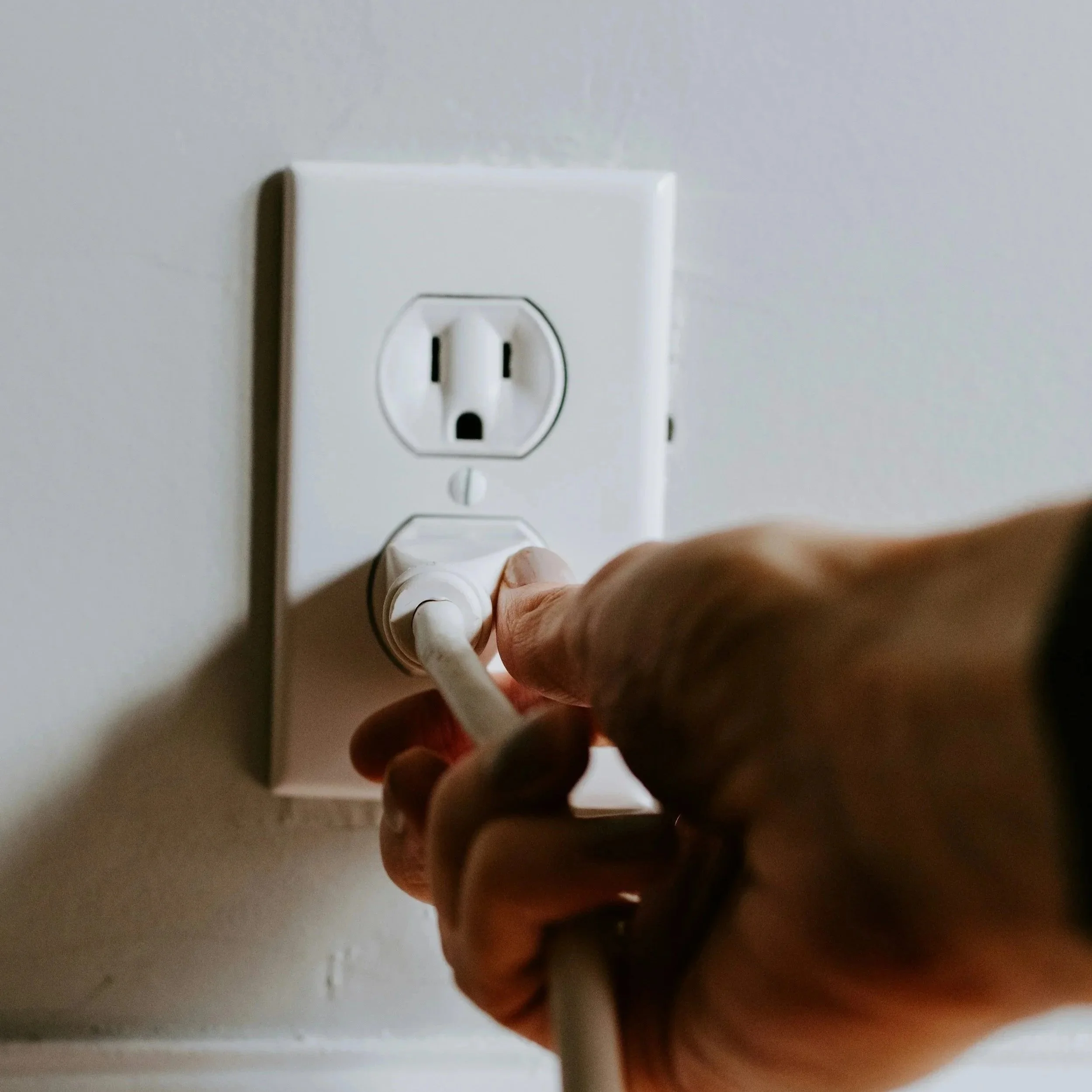
Is a Buzzing Outlet Dangerous? Electrical Safety Tips for Virginia Beach Homes
A buzzing outlet can signal loose wiring or overloaded circuits; schedule a professional inspection to keep your coastal home safe.
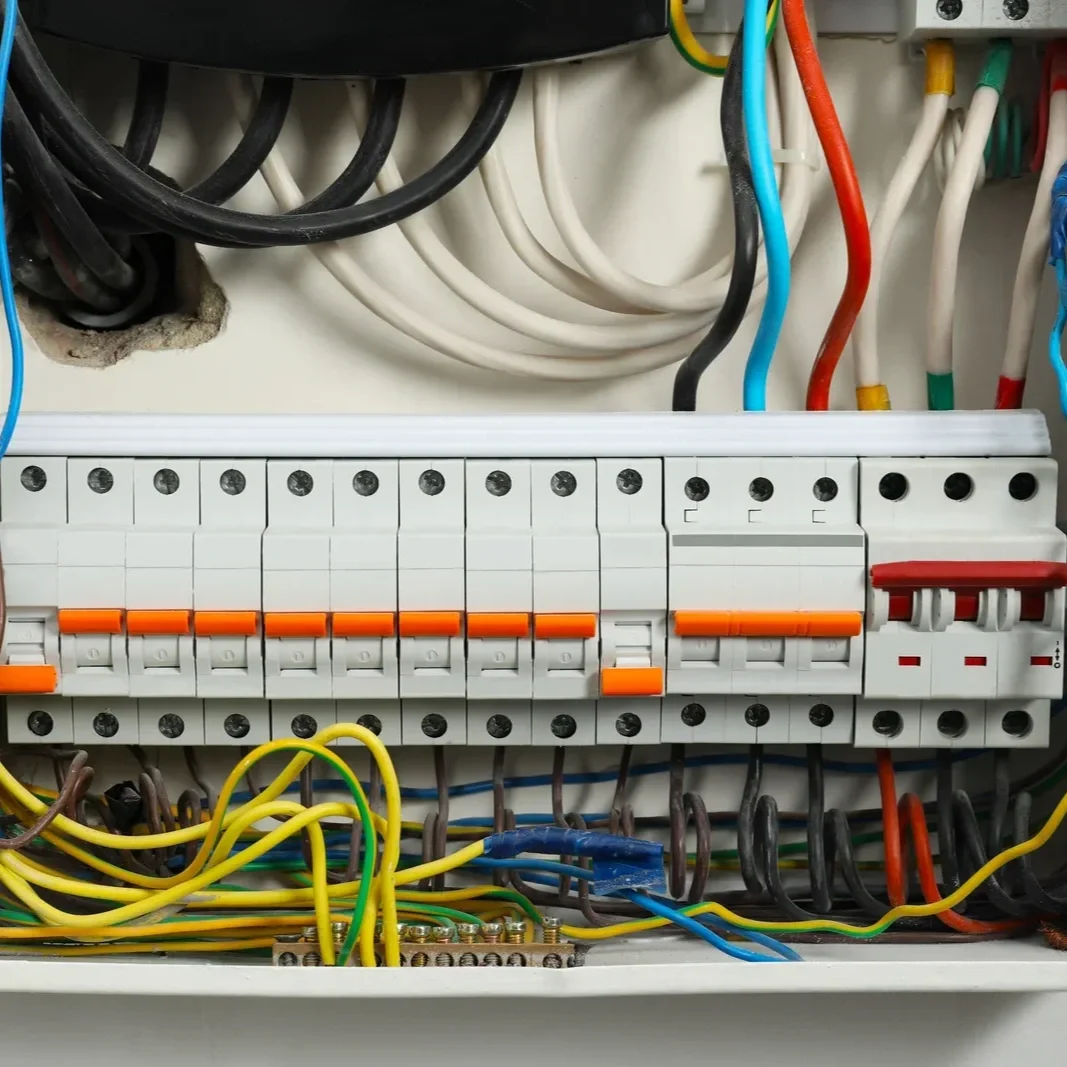
How to Know If Mice Chewed Through Wiring in Your Virginia Beach House
Protect your Virginia Beach home by inspecting attics and crawl spaces for frayed insulation, flickering lights, or burning odors.
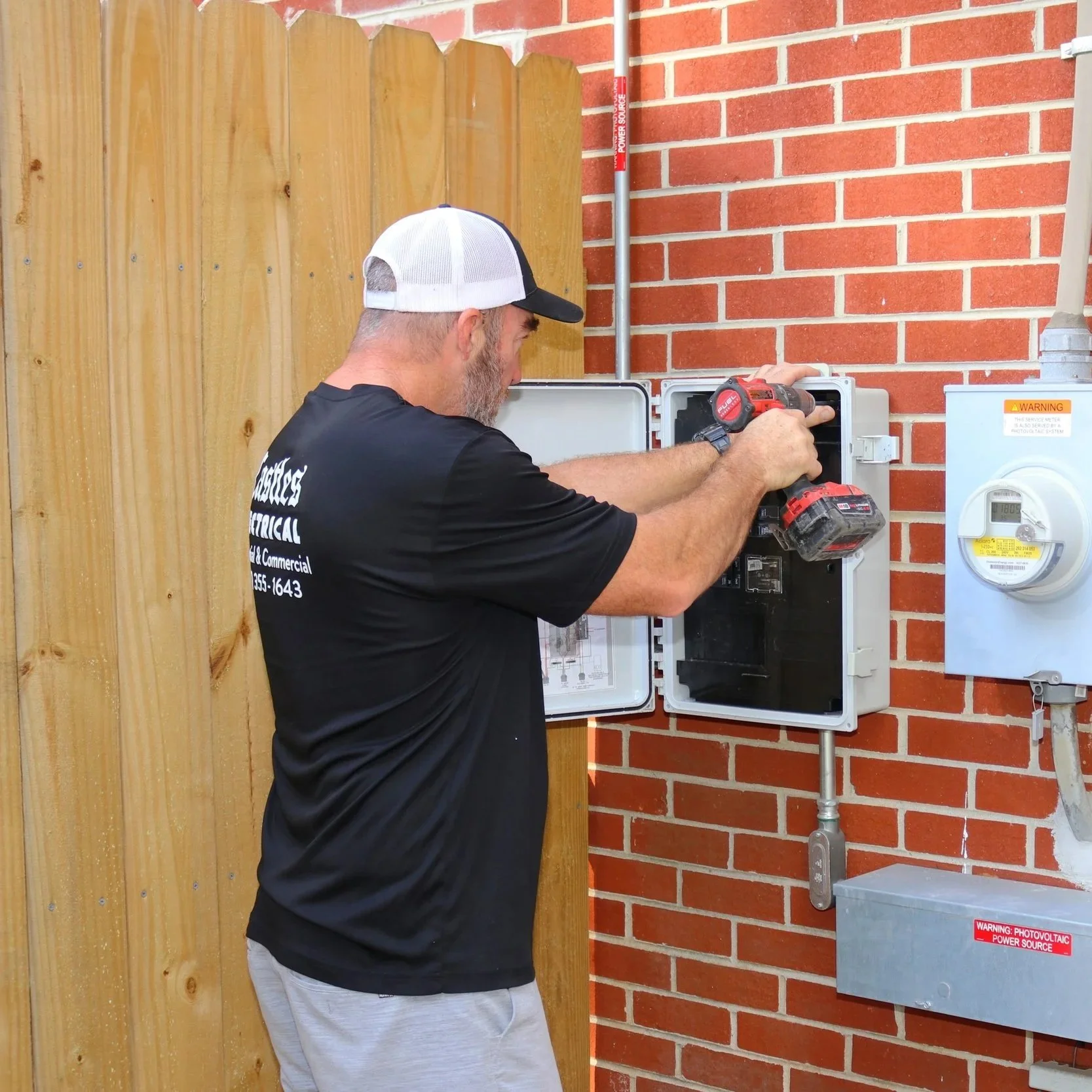
How to Fix a Loose Outlet Safely in Your Virginia Beach Home
Ensuring your outlets are securely mounted prevents wire damage and improves electrical safety within your Virginia Beach home’s electrical system.
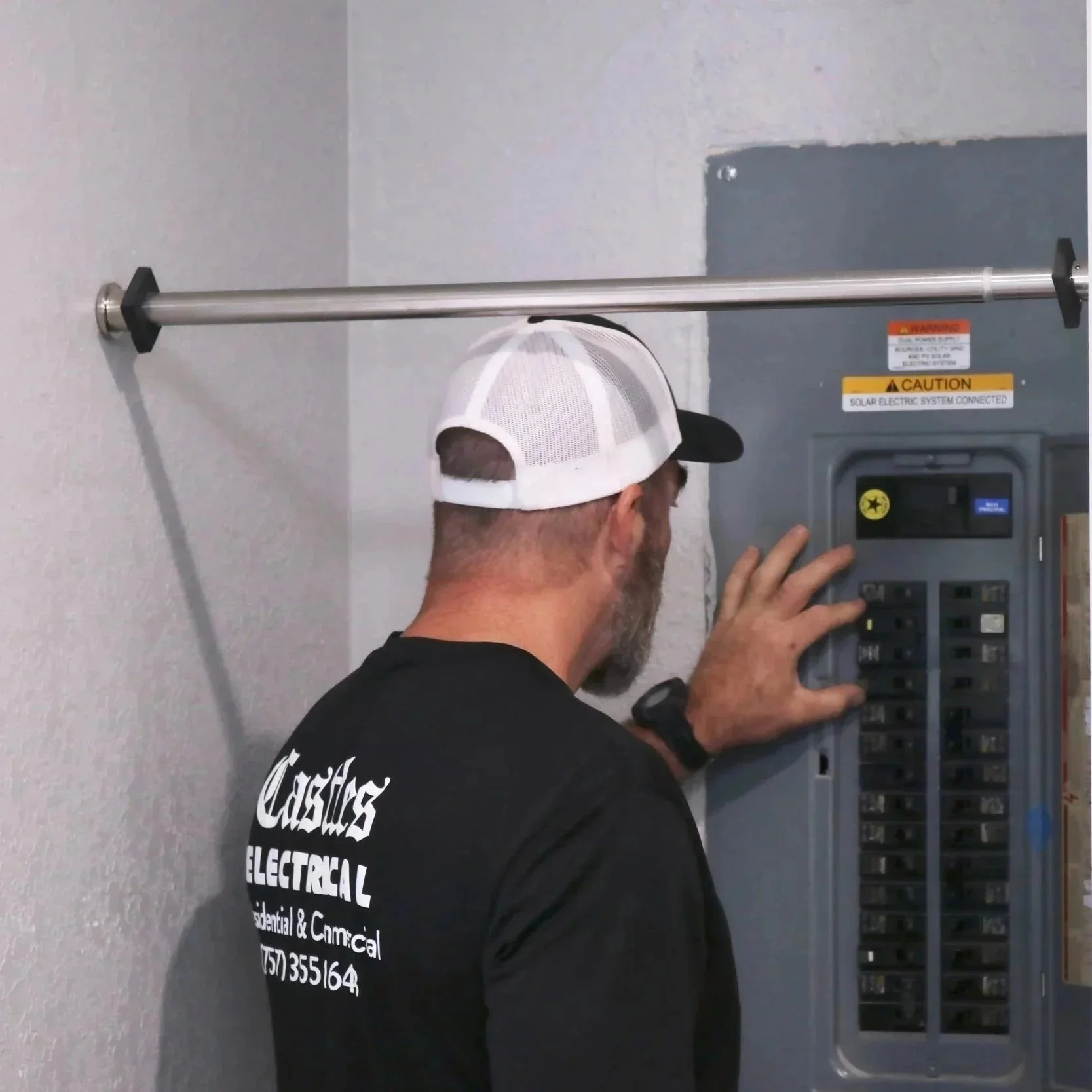
How Common Are Electrical Fires in Virginia Beach? Homeowner Awareness Guide
Regular electrical inspections and panel upgrades are essential steps for Virginia Beach homeowners to identify hazards and prevent devastating house fires.
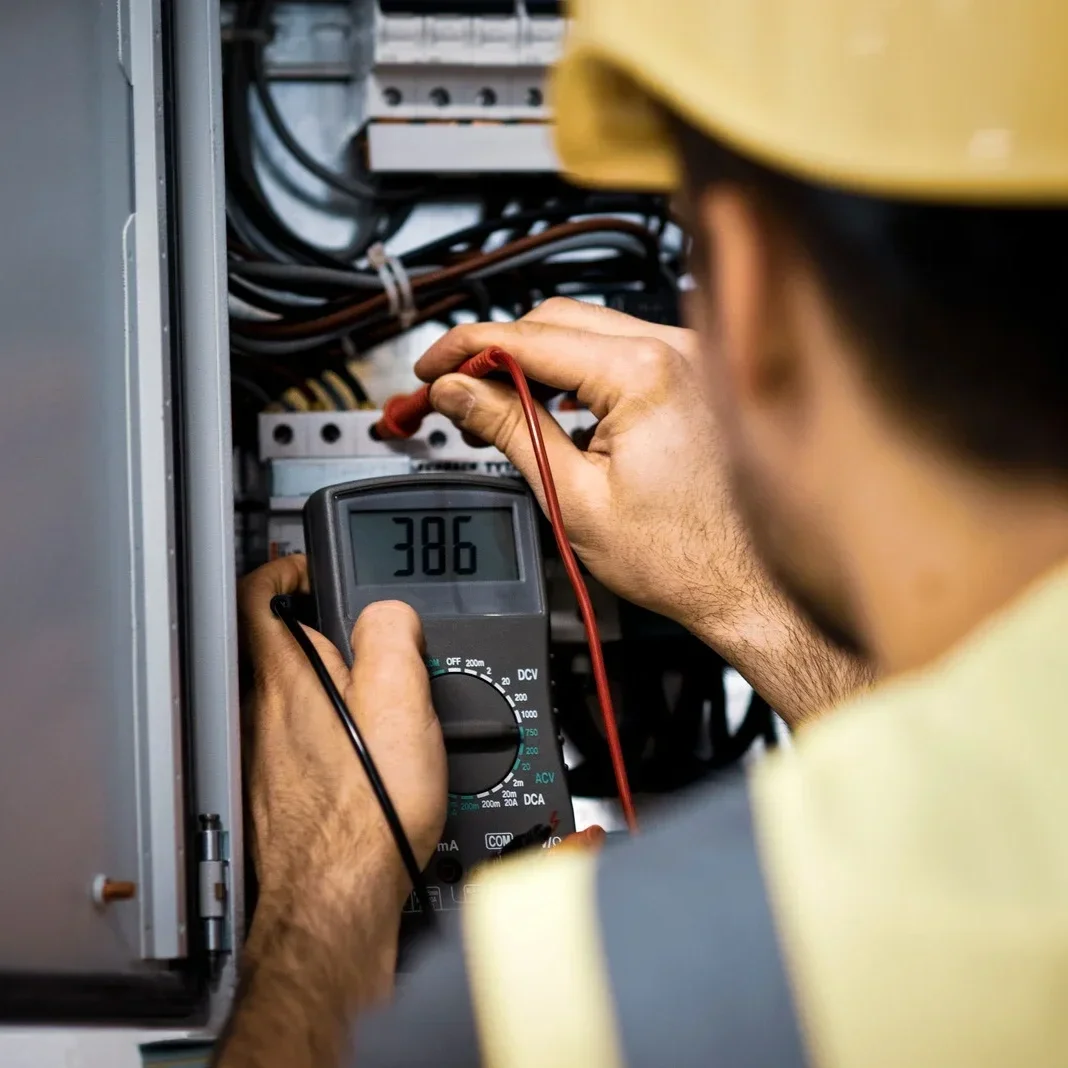
Half Of Your Virginia Beach House Lost Power? Here’s What to Check First
If half your house loses power, check your electrical panel for tripped breakers and reset GFCI outlets before calling professionals.
Hair Dryer Tripping the Breaker? Solutions for Virginia Beach Bathrooms
Upgrading to a dedicated circuit can prevent your high-wattage hair dryer from tripping the breaker in older coastal homes.
Getting Shocked from Appliances in Your Virginia Beach Home? Here's Why
Identifying the source of appliance shocks is crucial for maintaining a safe, hazard-free home environment in Virginia Beach.
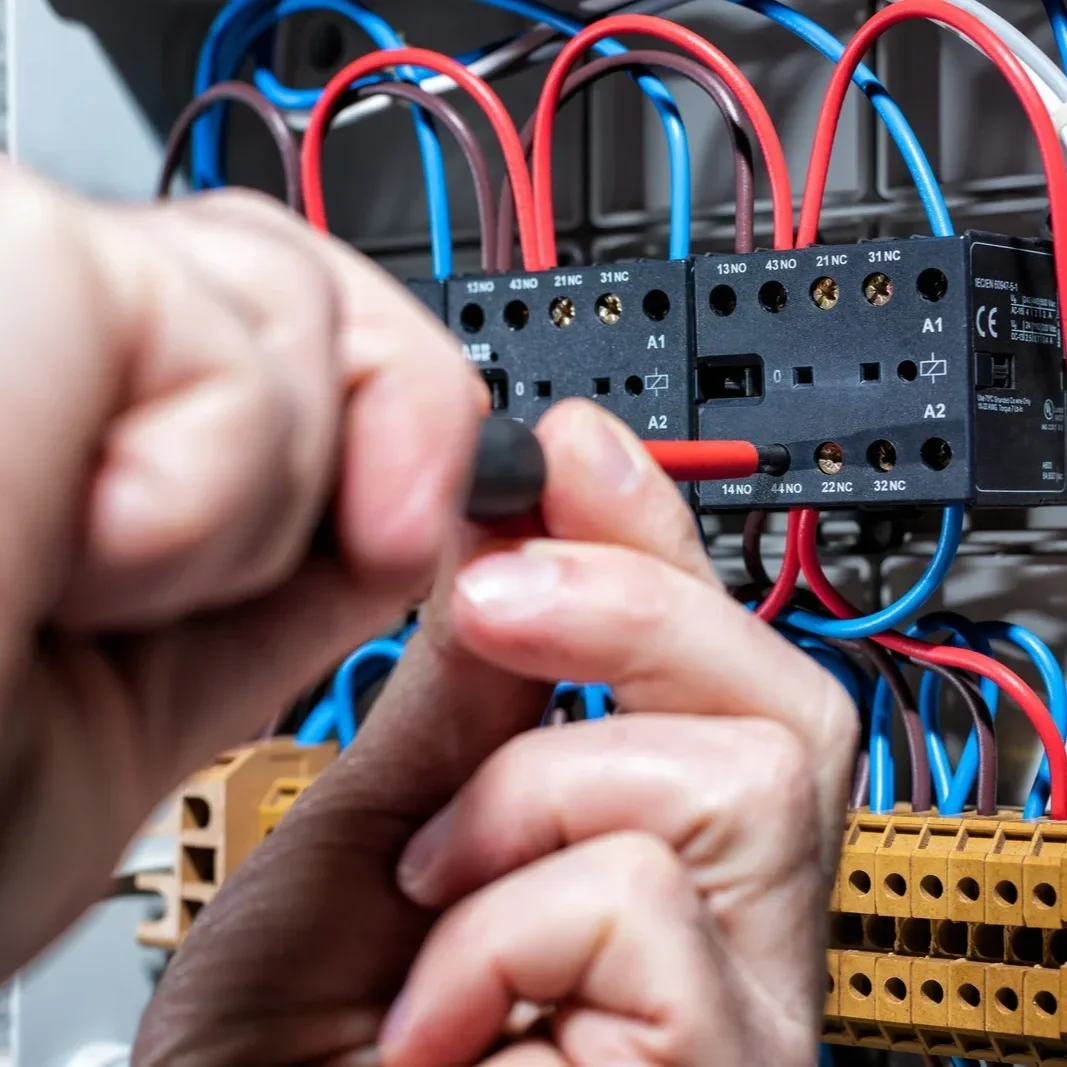
Electrical Panel Humming in Your Virginia Beach Home? Here’s What to Know
A humming electrical panel may indicate loose wiring or a faulty breaker, requiring a professional inspection to ensure home safety.
Electrical Fire & Outlet Safety – Virginia Beach Focused
Ensuring your home meets Virginia Beach electrical codes by installing GFCI outlets can significantly reduce the risk of electrical fires.
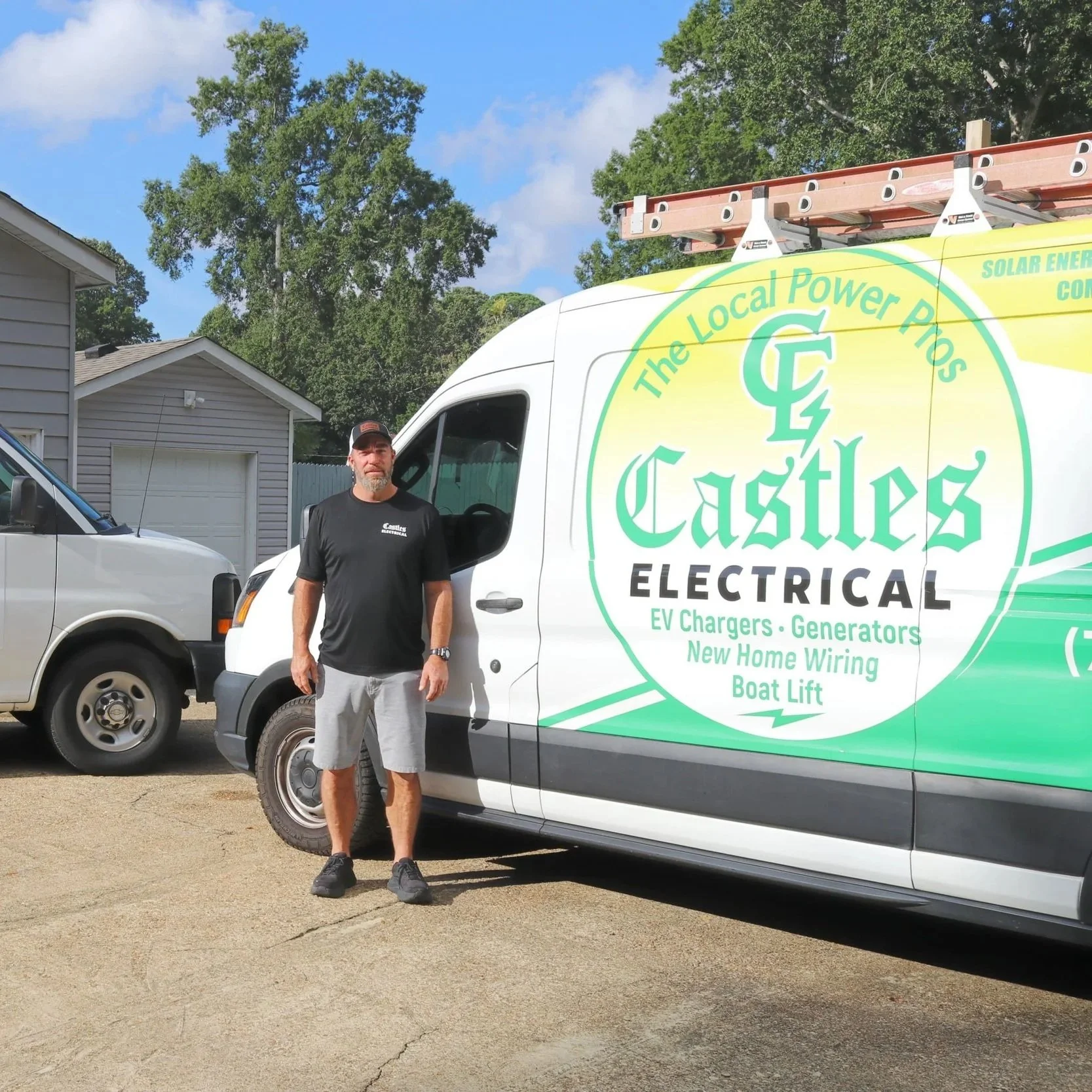
Electrical Arcing Explained: What Virginia Beach Homeowners Need to Know
Electrical arcing occurs when current jumps gaps in faulty wiring, reaching temperatures of 35,000°F—a leading cause of residential fires.
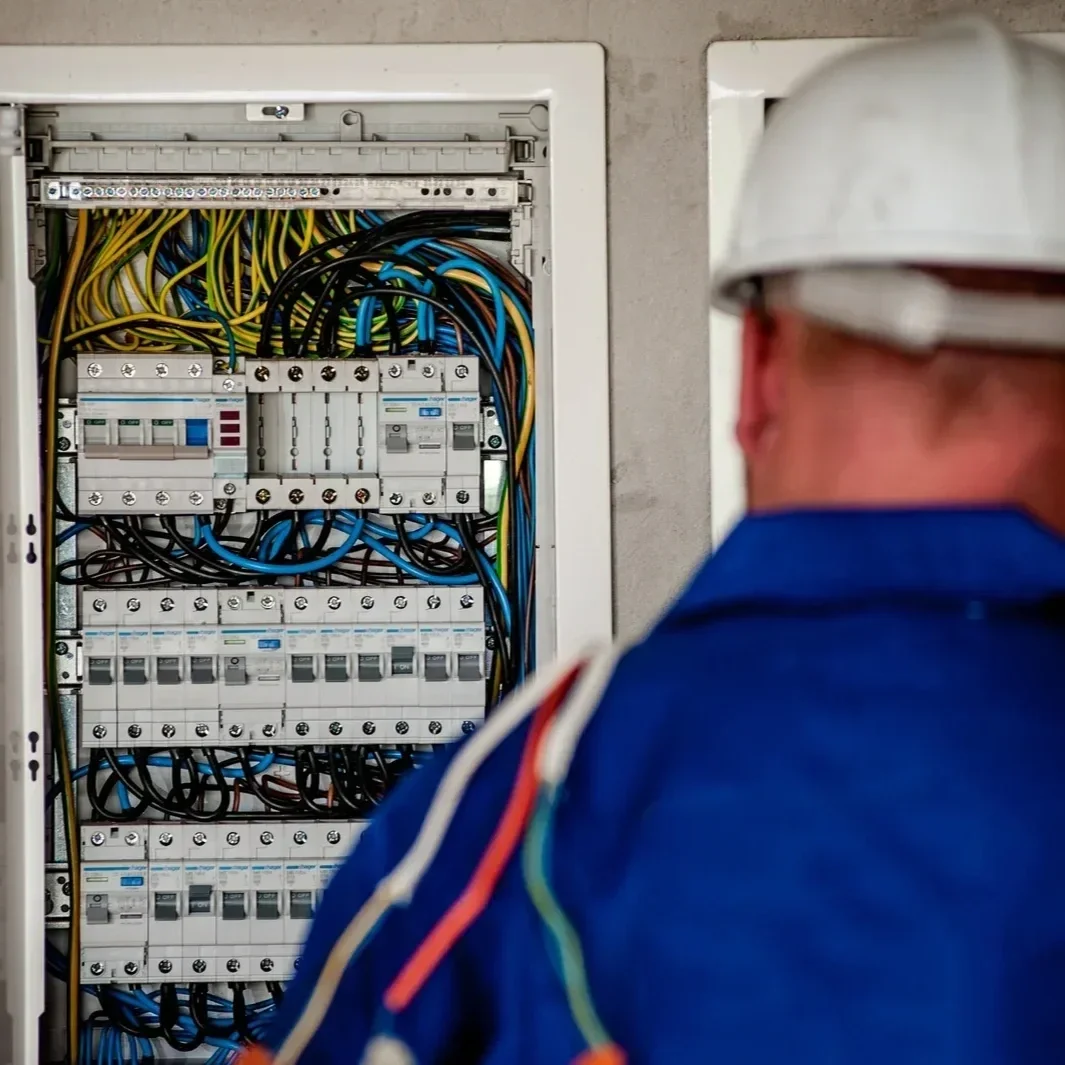
Does Your Breaker Trip When It Rains in Virginia Beach? Here's Why
Rainwater can seep into outdoor outlets or panels, causing shorts that trip your breakers—a common issue during Virginia Beach storms.
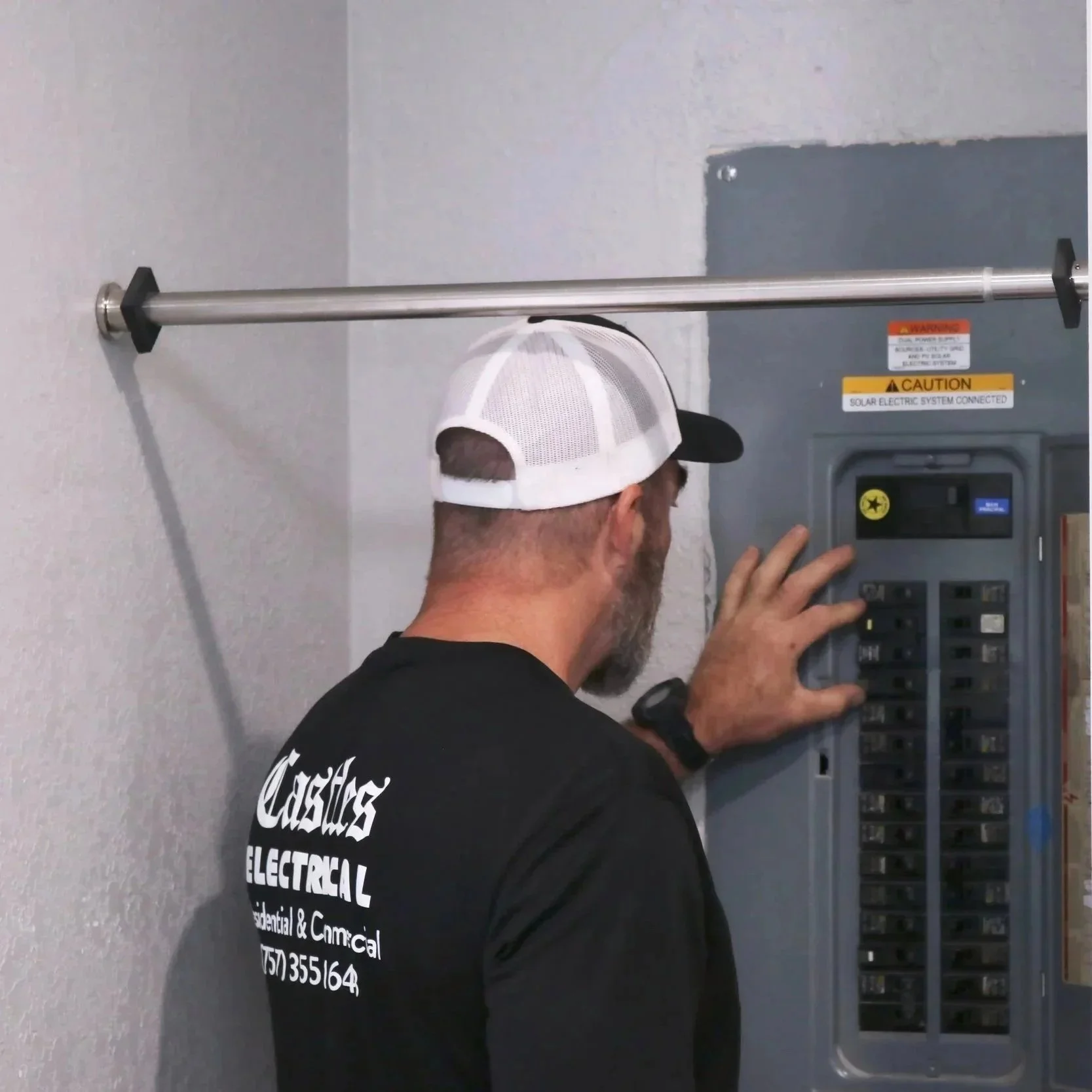
Does Your Breaker Smell Like Burning? Time to Call a Virginia Beach Electrician
A burning smell from your electrical panel is a critical warning sign of faulty wiring that needs immediate professional repair.
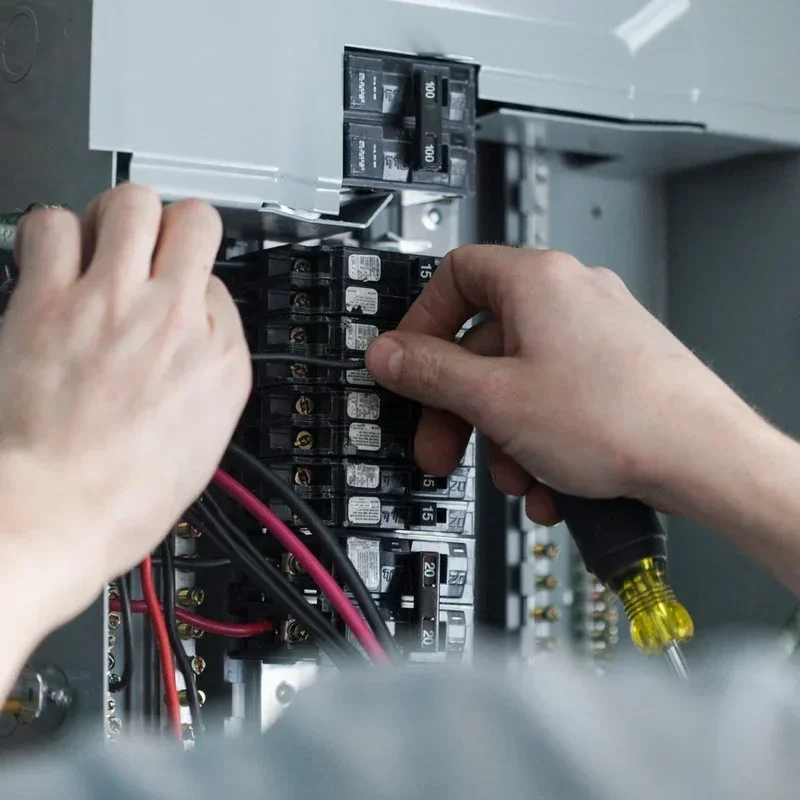
Crackling in the Wall? Signs of Electrical Trouble in Virginia Beach Homes
Strange crackling or buzzing sounds in your walls are often signs of arcing electricity, a serious fire hazard for homes.
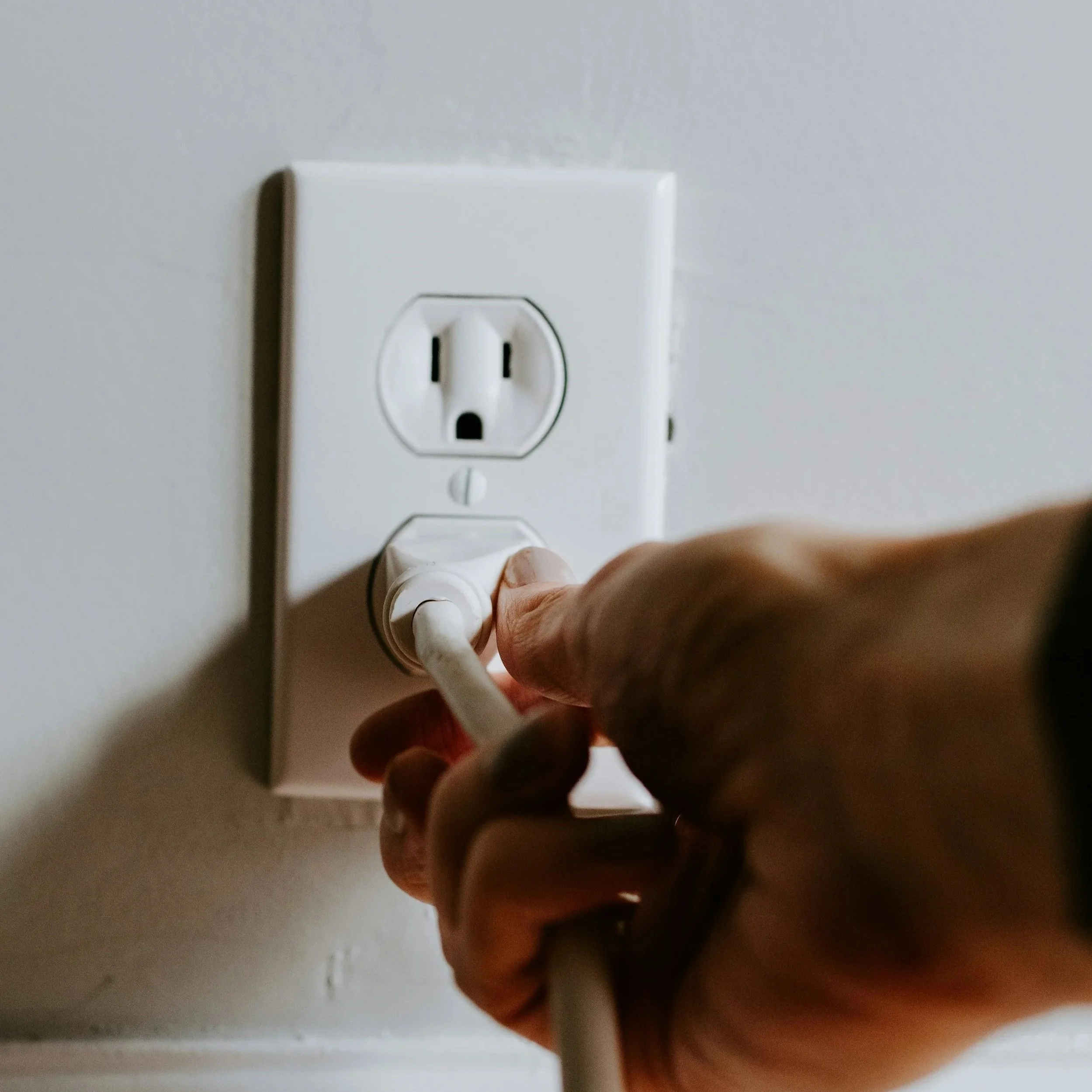
Crackling Behind an Outlet in Virginia Beach? Here’s What It Might Mean
A crackling outlet is often a sign of dangerous arcing caused by loose wiring, posing a serious fire hazard.
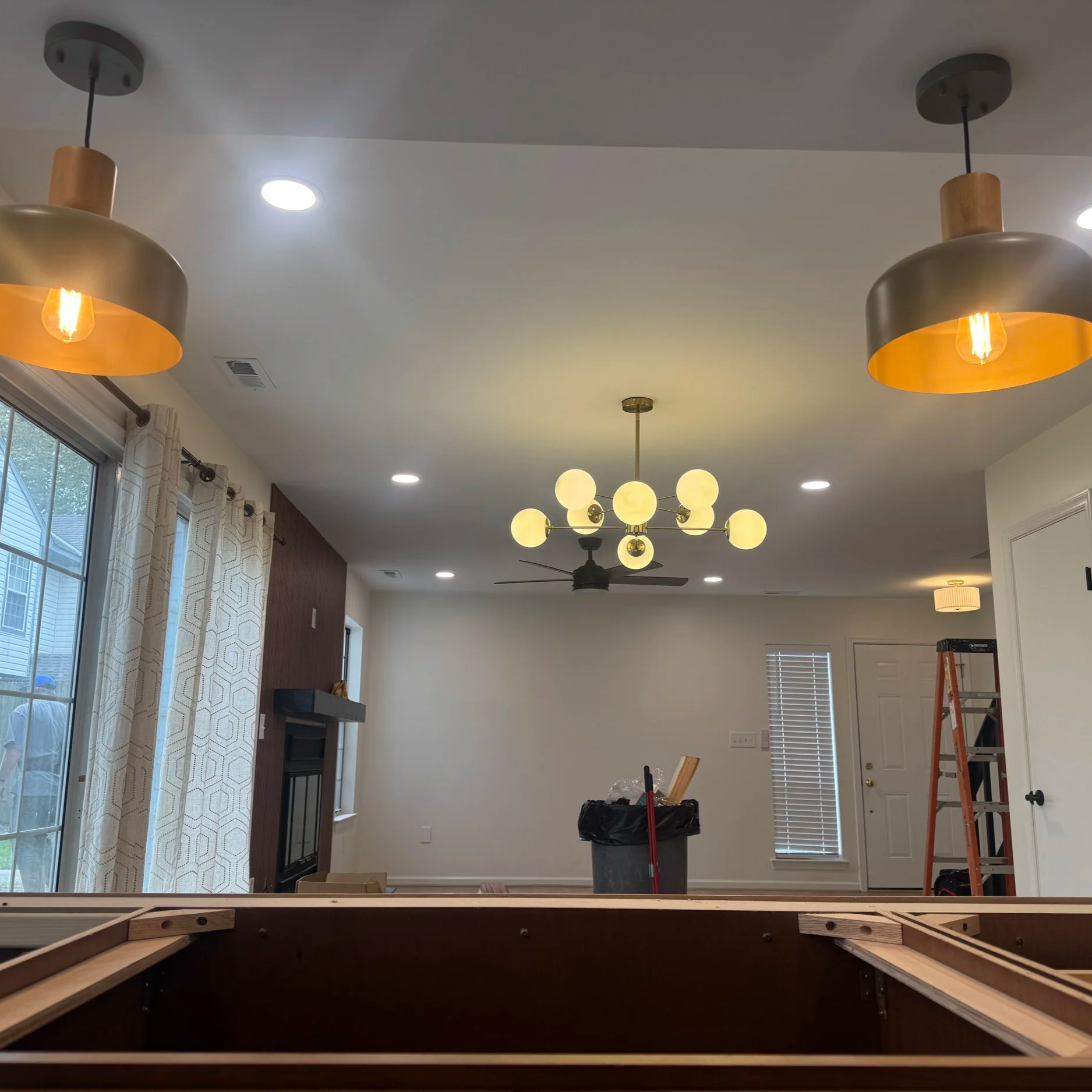
Ceiling Light Smells Hot in Your Virginia Beach Home? Here’s Why
A burning smell from your ceiling light could signal dangerous overheating, faulty wiring, or a potential fire hazard in your home.
Can Rodents Cause Electrical Fires in Virginia Beach Homes?
Gnawed electrical wires are a leading cause of house fires; rodents often chew through insulation to maintain their growing teeth.
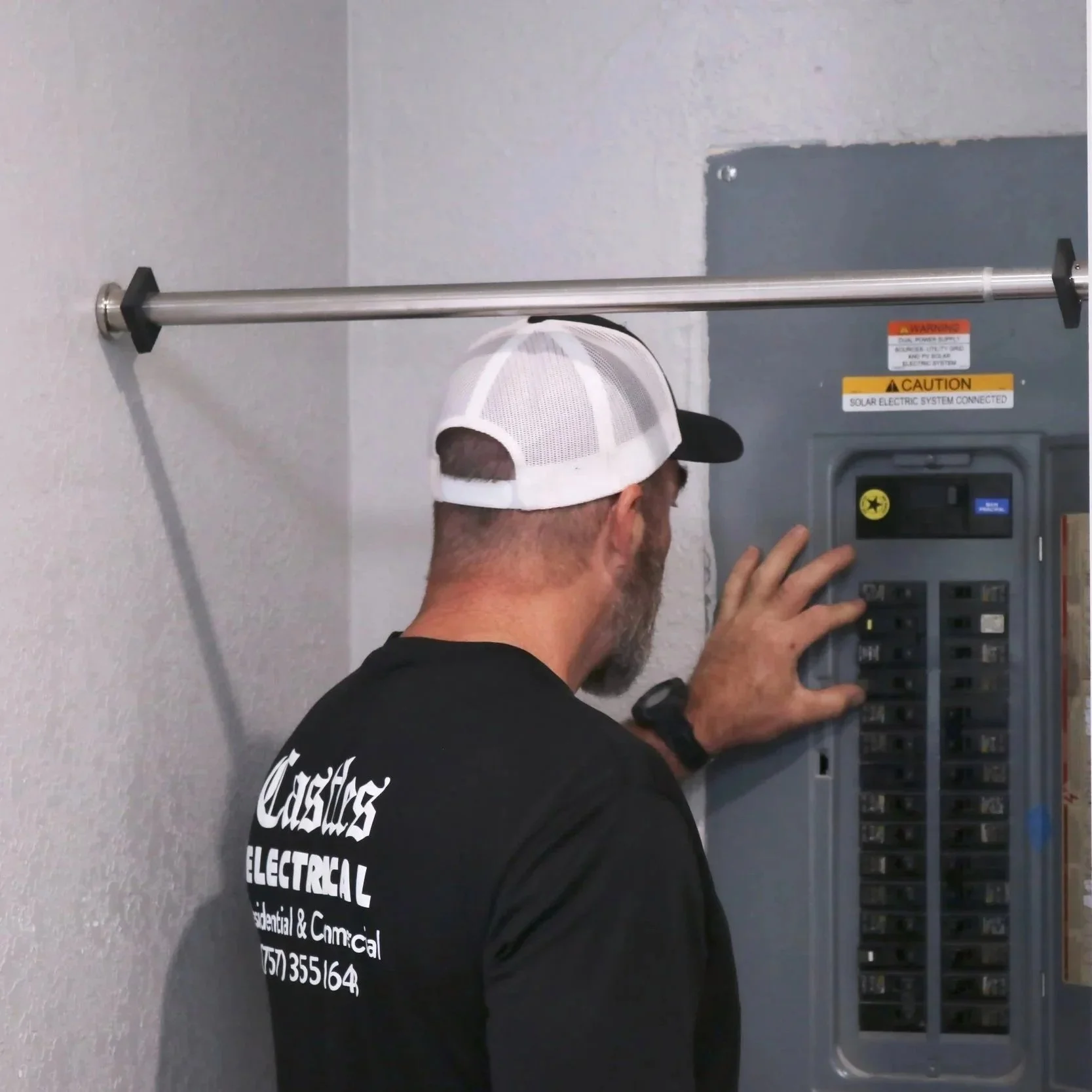
Can Old Wiring Cause Fires in Virginia Beach Homes? Here's What to Watch For
Old wiring in Virginia Beach homes can lead to dangerous electrical fires; regular inspections help identify hazards before they escalate.

Can Light Fixtures Start Fires? Virginia Beach Homeowner Safety Tips
Prevent electrical fires in your Virginia Beach home by checking bulb wattage and maintaining clearance between light fixtures and fabrics.
Can Flickering Lights Lead to Fires in Virginia Beach Homes?
A certified technician examines home wiring to identify loose connections and corrosion, common culprits behind flickering lights and fire hazards.
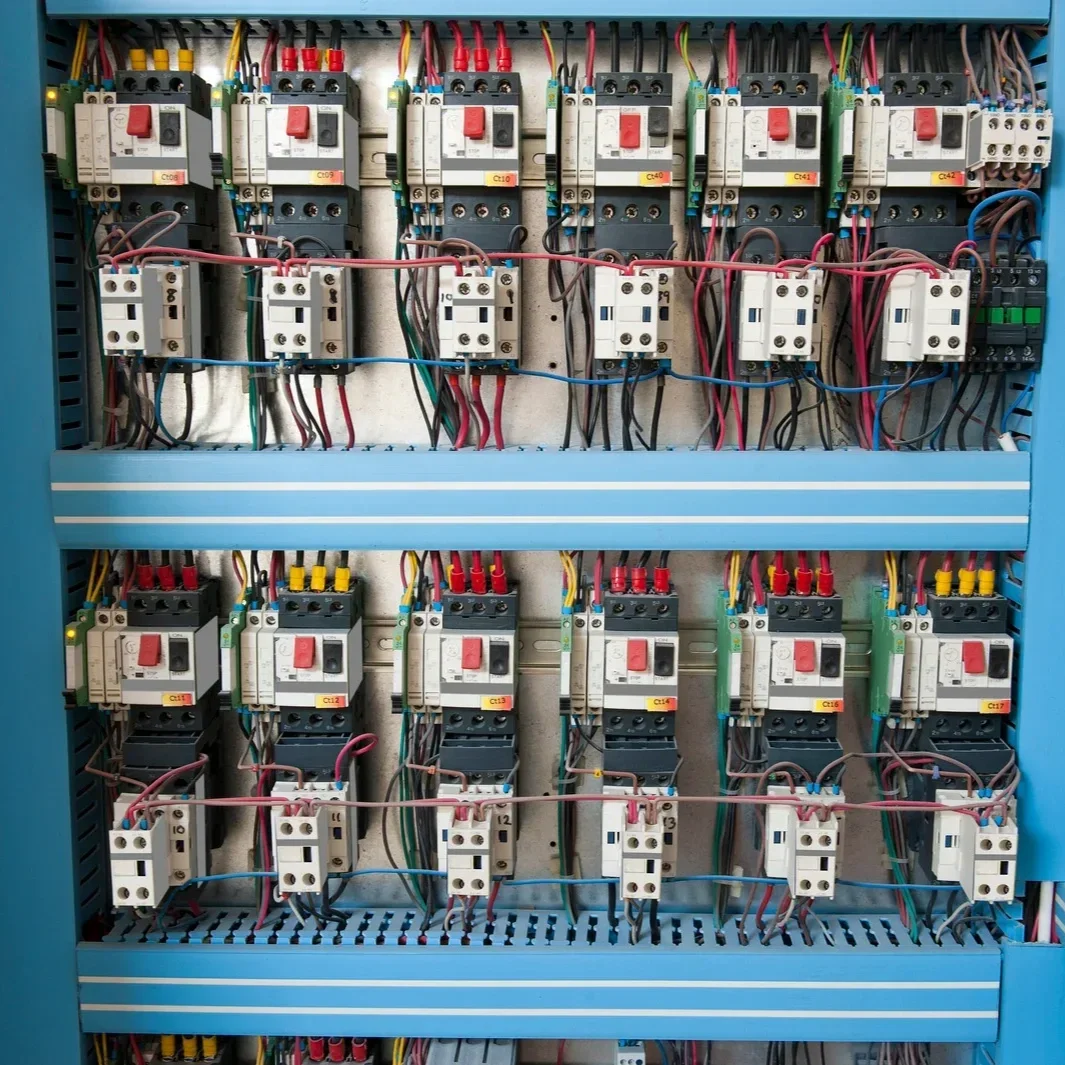
Can Ants Damage Electrical Wiring in Virginia Beach Homes?
Tawny Crazy Ants are attracted to the warmth of electrical components, often causing short circuits and equipment failure in Virginia homes.